
The moment Uzair feels the deepest connection to his work is always backstage. “Seeing the models fully dressed, head to toe, is incredibly emotional,” he intimates. “Watching from the monitor as the collection comes to life, and seeing how people respond to it, often brings me to tears. It’s the point where the work no longer feels solitary. It becomes shared, real, and deeply affirming.”
Ten Southeast Asian designers to watch share tales of mundane curiosities and exemplary crafts.
It’s astonishing how the ordinariness of everyday life can serve as a wellspring of inspiration. That’s true for fashion designer Alser Lumawag, who gathers ideas from local Philippine news and the rigidity of a corporate nine-to-five. For Anglita Nurhadi of Studio Jeje, the impulse to create follows curious walks along Jakarta’s roadsides. Rut Klansri’s fall collection for his label Lalarut Again wasn’t merely a highly collaborative endeavor, but also a graphic tribute to Thai wildlife and Thai conservationist Seub Nakhasathien.
Creativity, in its simplest definition, isn’t a matter of skill or even knowing where to look. It’s a personal imperative; an itch to glean, in Joan Didion’s words, “images that shimmer around the edges.”
From Singapore to Indonesia, Vietnam to Malaysia, Vogue rounds up 10 Southeast Asian voices that weave together the mundane and the meaningful, rendering clothes as vessels for narratives to share, and pass on.
RAMA DAUHAN, Indonesia
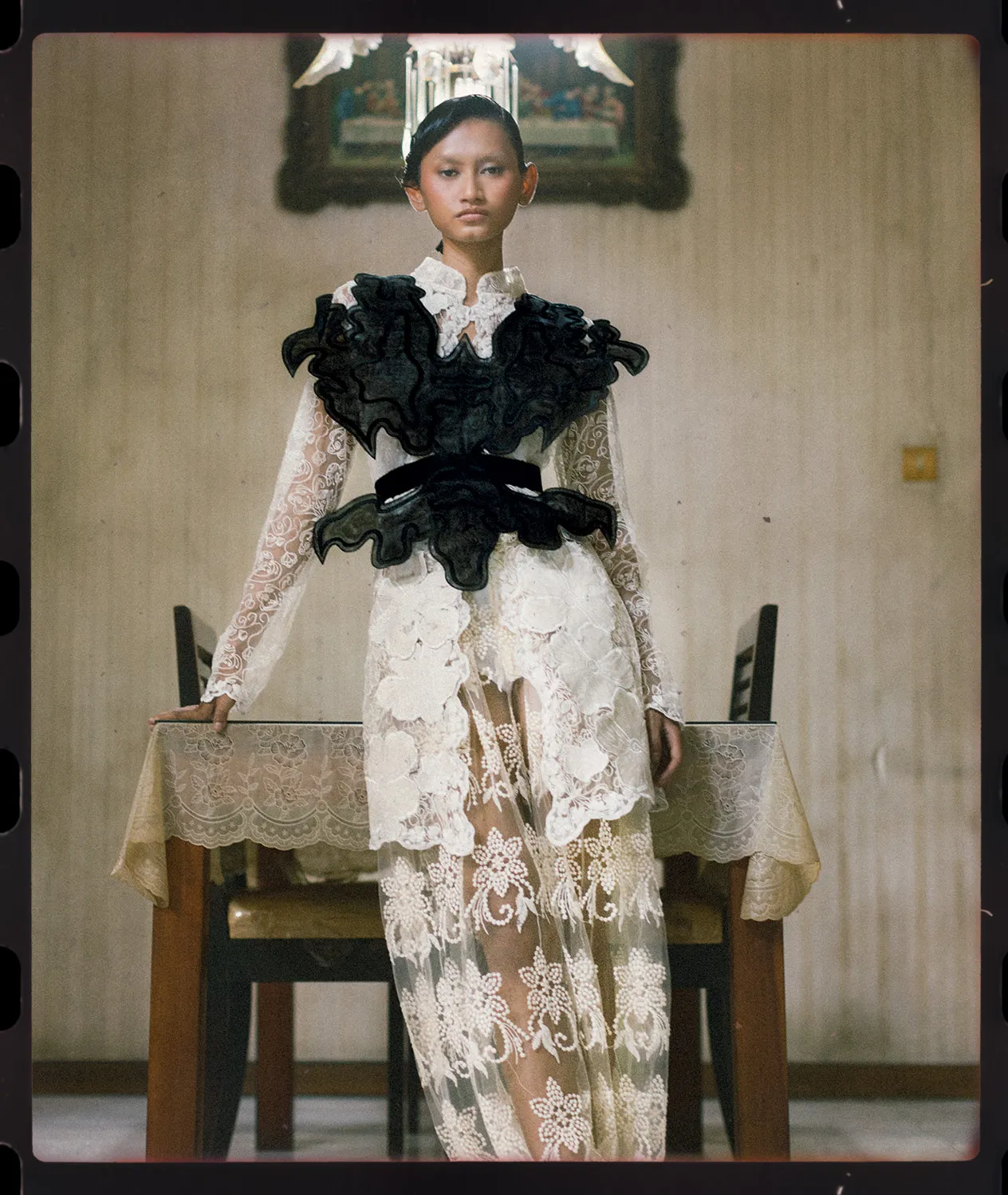
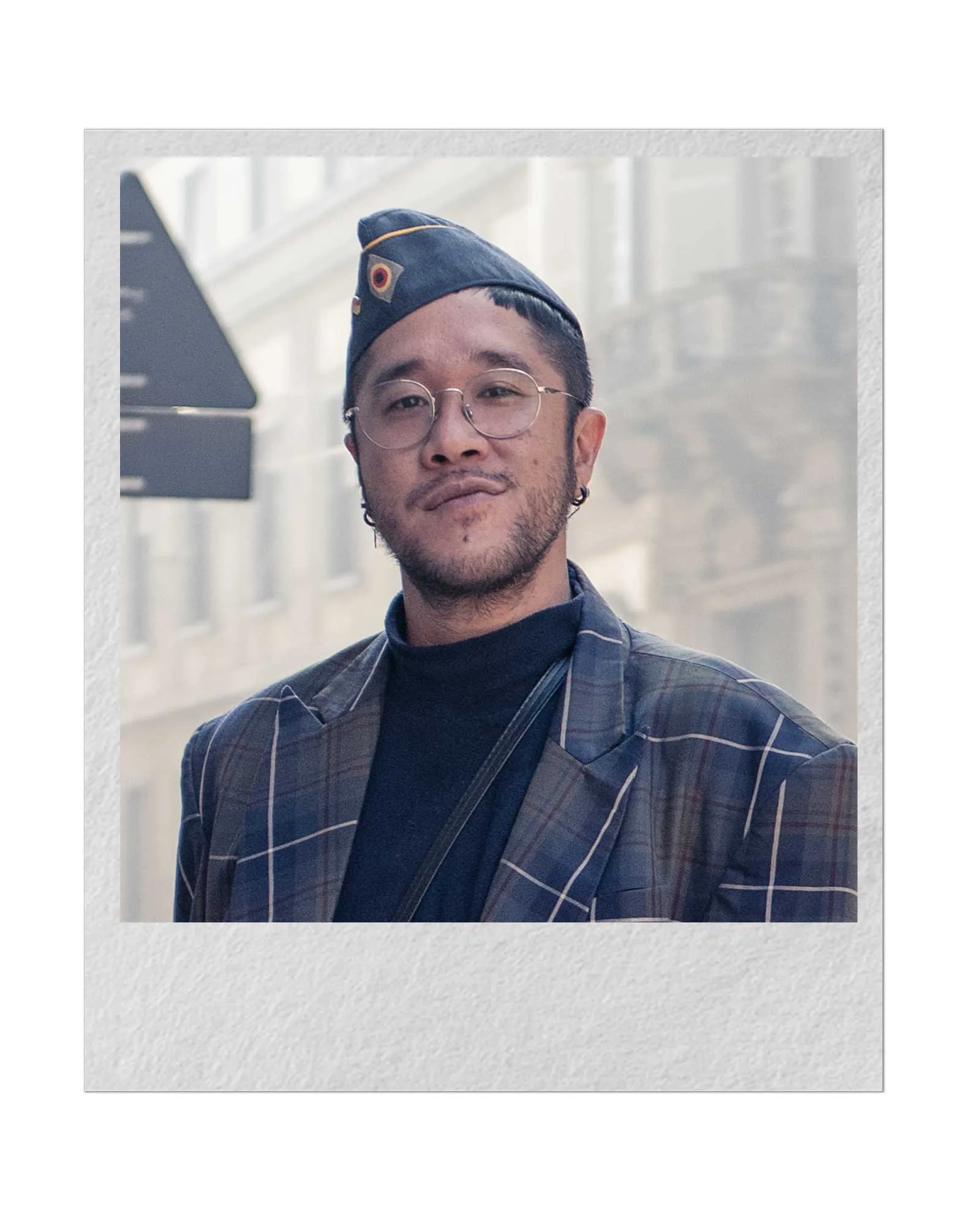
Rama’s love for the arts began early, prompted by his mother’s refined sense of style. He dreamt of becoming a designer since elementary school, and worked at it in little ways from procuring rough sketches to designing friends’ prom dresses. But it was eight years under the tutelage of fashion design luminary Biyan that proved most formative. His learnings there pushed him to eventually operate his own bespoke brand out of his home garage, and after over a decade of honing his brand’s voice, he can express it without hesitation. Eclectic and romantic, youthful in spirit, and rooted in nostalgia. Emotion drives creation: “I start by exploring and breaking down my feelings, which then become the conceptual foundation of each collection.” From there, design elements like proportion, texture, and color bring these visceralities to life. “Music often plays an important role, helping me maintain emotional clarity throughout the process,” he further notes. “Transforming abstract emotions into wearable pieces while staying true to the original inspiration is challenging, but deeply fulfilling.”
FAH CHAK, Thailand
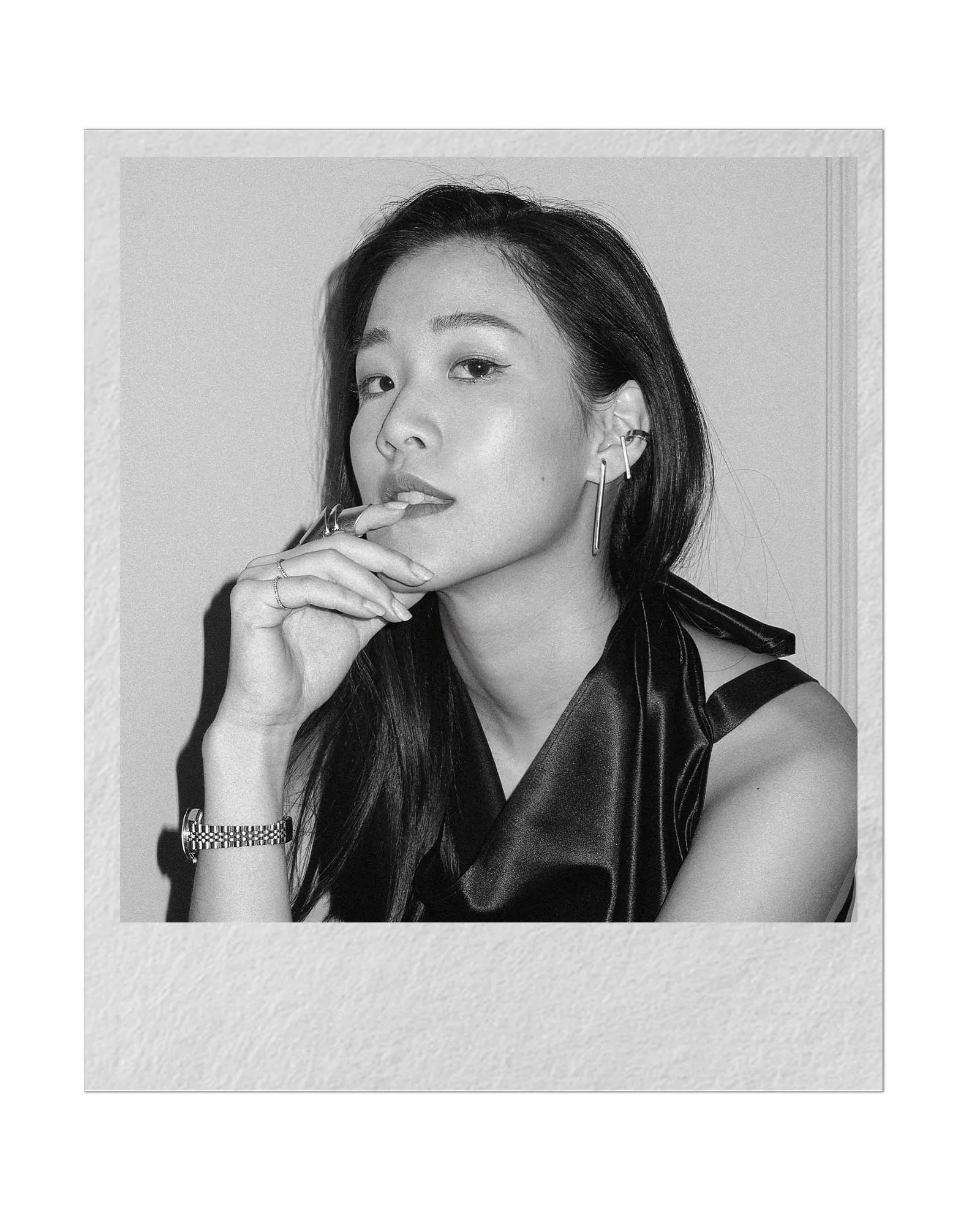
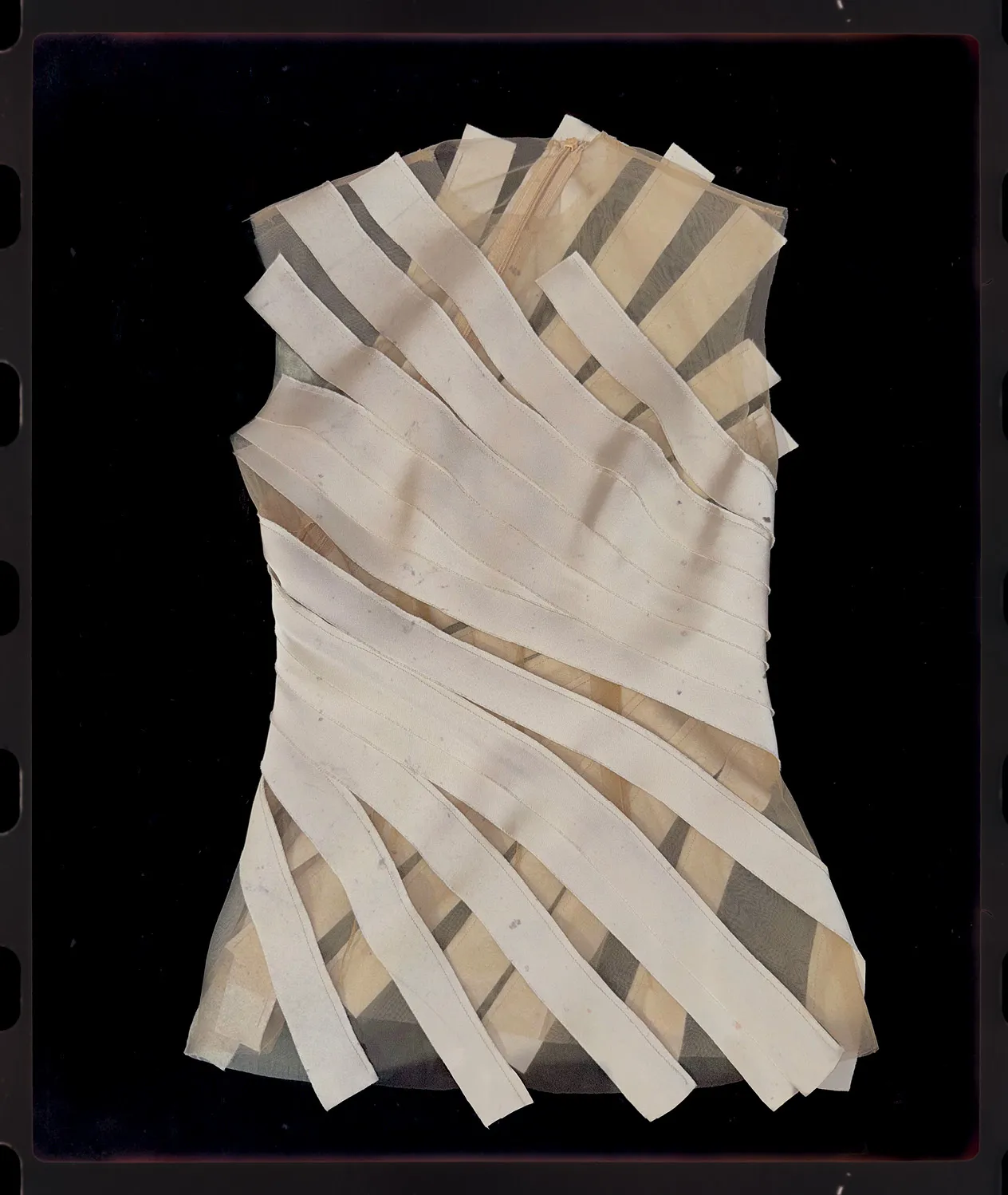
“My childhood was all very design and pretty things, which is hard to get out of your head,” says Fah Chakshuvej, recalling how her mother’s occupation in interior design inspired her to take up the arts. After graduating from the Royal College of Art in 2011, Fah served as a menswear designer at Maison Martin Margiela before deciding it was time to come home. She founded her brand a few years later, satiating an itch for fun and exciting yet sophisticated clothes in strong punchy colors, which she couldn’t seem to find. “I also have a very sarcastic take on design which I think adds fun to my clothes,” she remarks. One Valentine’s, they introduced their Third Base jeans, with a hand printed on the bum and a kiss mark on the inside crotch. Cheeky and confident, like its wearers. “I feel women who wear my clothes are the kind that dress for themselves,” Fah considers, “something that they would find sexy in their own language, and not how men or others would see it.”
DAS LA VIE, Vietnam
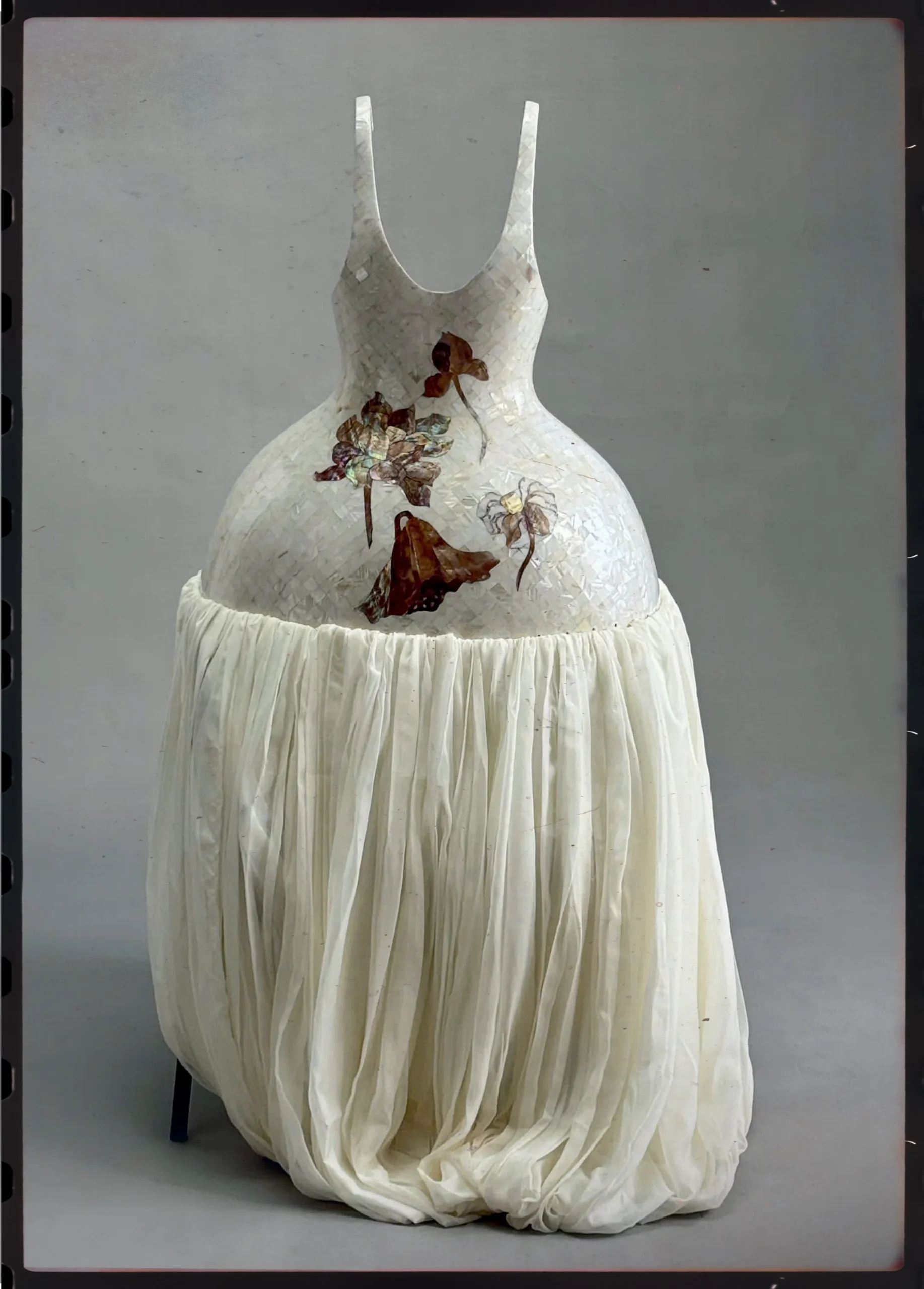
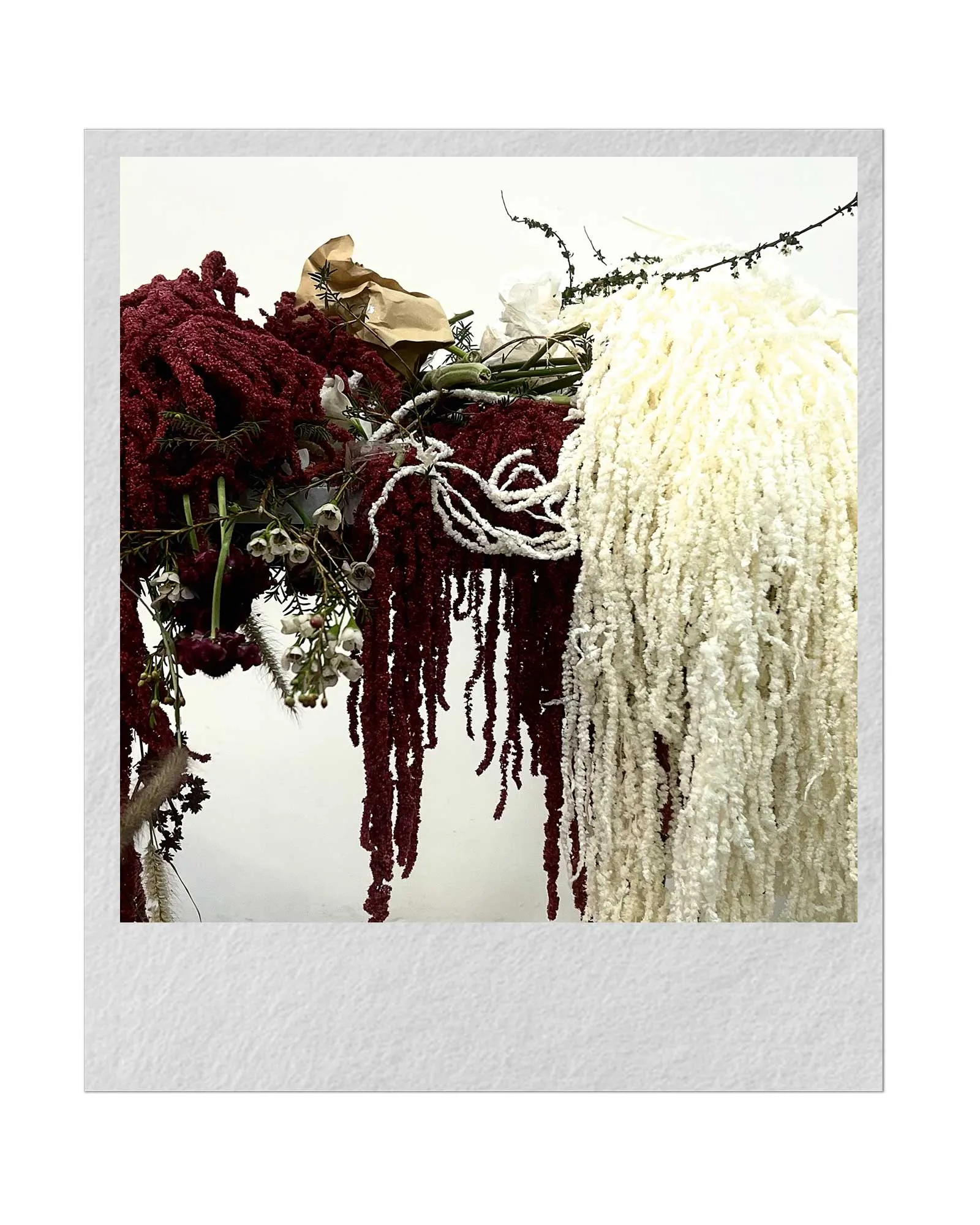
Preoccupied with “restraint, reduction, and balance between tradition and modernity, form and feeling,” Trí Đông Phong of Das La Vie is interested in cultivating a brand that’s both enduring and experiential. His journey into design unfolded through a “gradual process of observing everyday life and responding intuitively to what I saw and felt,” and over time, these perceptions and emotions were embodied through fashion. With a keen interest in material integrity, he favors fluid fabrics like organza voile, mesh, chiffon, and velvet, executing them in drapes and volumes that make for exciting daily wear or experimental bridalwear: their Bloom gown sees a gathered chiffon skirt attached to a bulbous hourglass bodice crafted from mother-of-pearl. His attraction to the ordinary persists; he is readily inspired by a posture, object, or visual memory, and from there, spends “a significant amount of time distilling the idea, removing everything unnecessary until only its essence remains.”
UZAIR SHOID, Malaysia
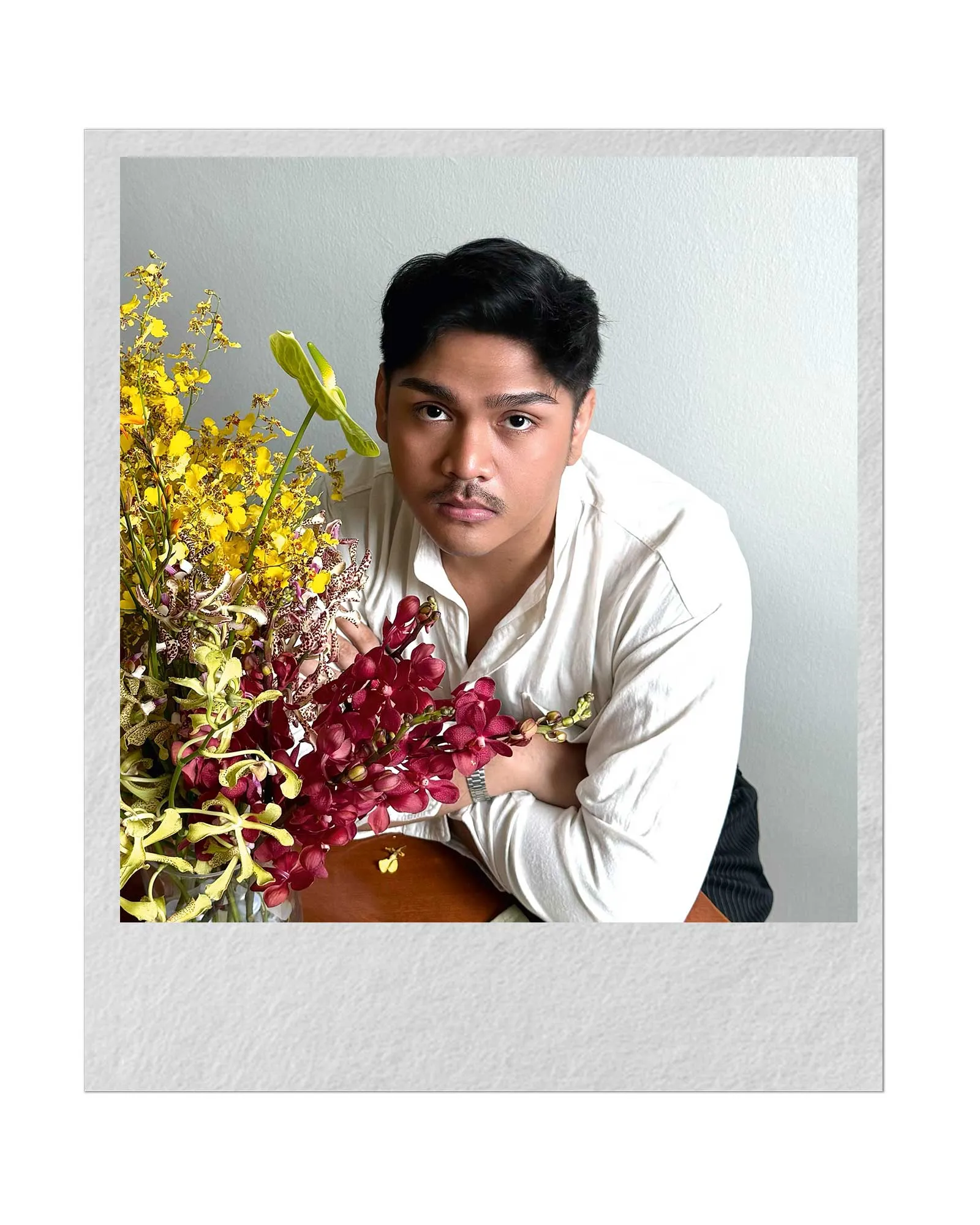
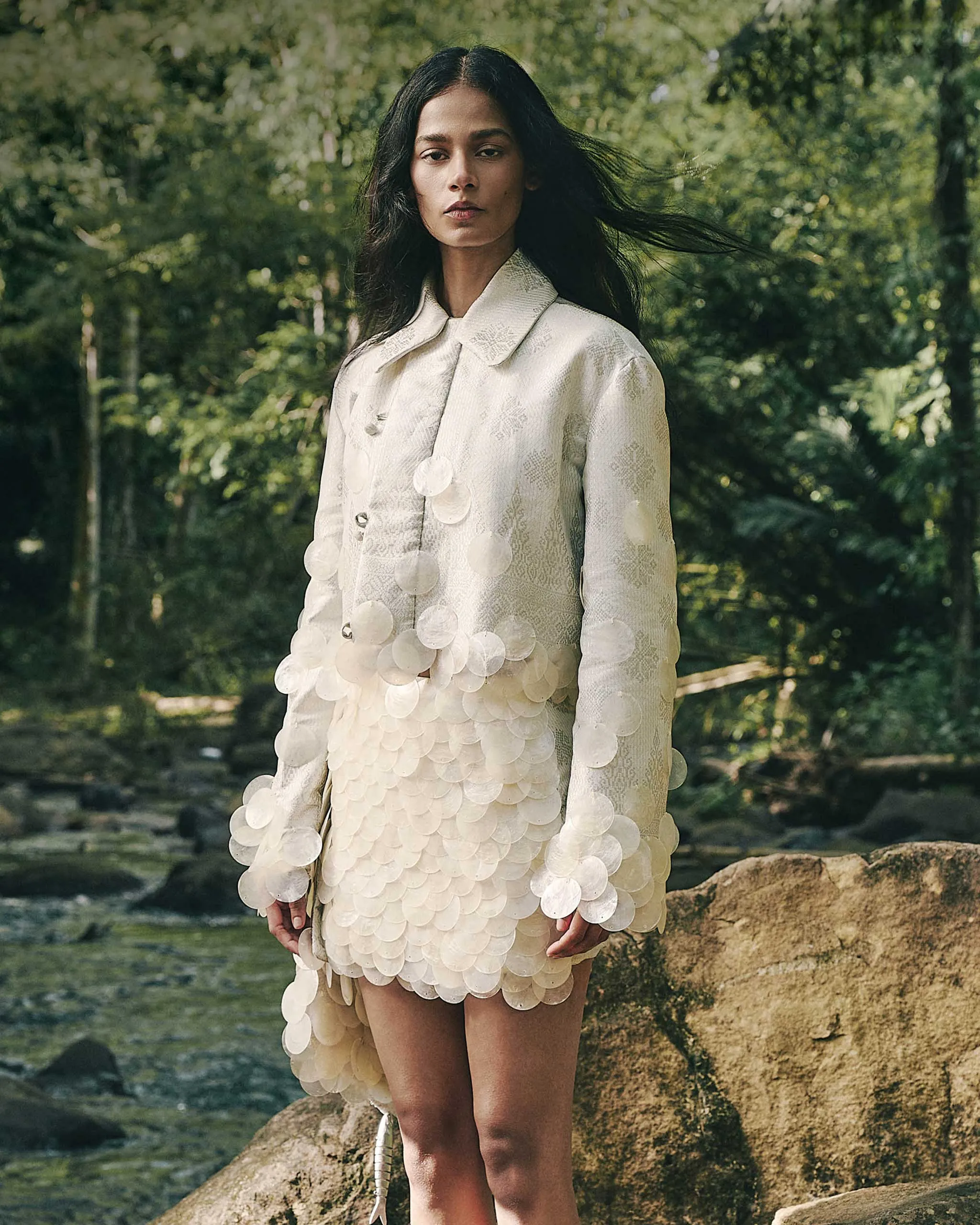
When Uzair earned his fashion degree in 2021, it didn’t quite feel like a feat. The long pandemic lockdown “made entering the fashion workforce feel almost impossible.” His turning point came a year later, when he won Kuala Lumpur Fashion Week’s Designer Search; it invited an influx of opportunity, and he has showcased on every KL Fashion Week runway since. His garments and accessories (which he regards as essential and not secondary to the sartorial narrative) are defined by playfulness, curiosity, and contrast, with seemingly mismatched elements coming together to form an unexpectedly cohesive whole. At its core, his brand is contemporary in spirit, yet firmly grounded in tradition. “Coming from a Malay-Indian background, or Mamak heritage, has strongly influenced my design language. This duality allows me to draw from a wide range of cultural references, and has also instilled in me a sense of responsibility to research, understand, and reinterpret traditional elements with respect and intention.”
ESSI, Philippines
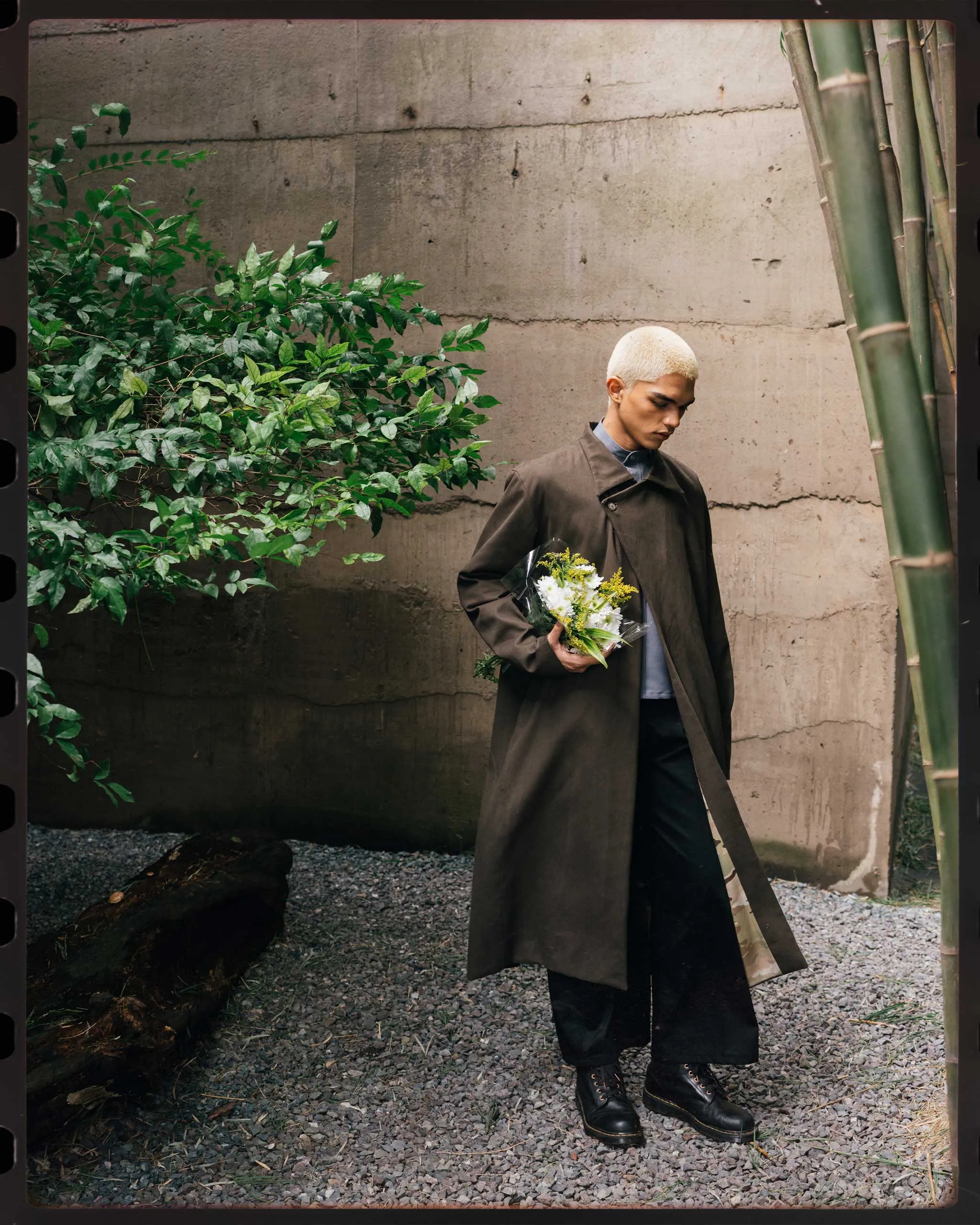
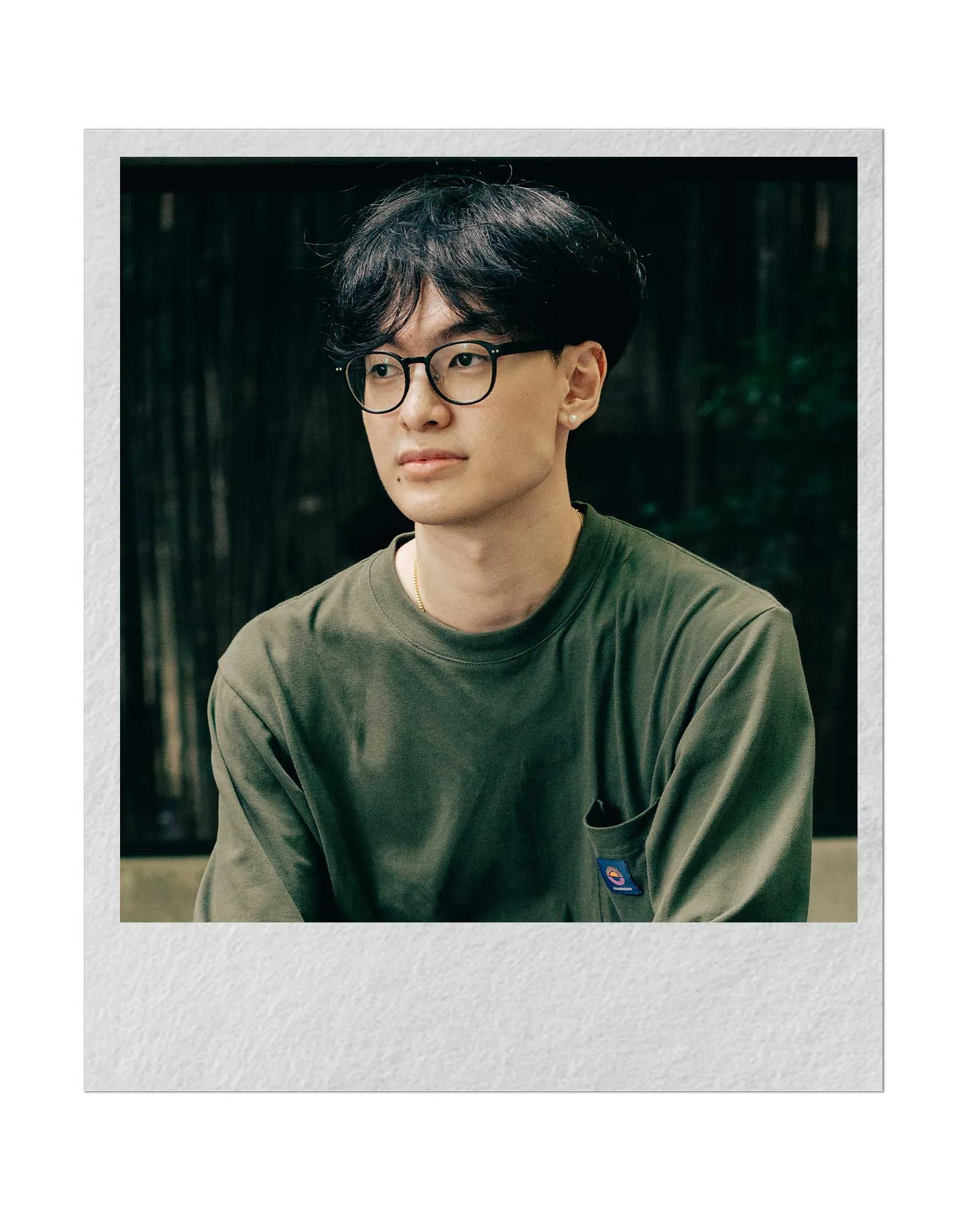
In his teenage years, John Simon Co didn’t exactly dream of becoming a designer. “It wasn’t even really my top choice,” he reveals. “But it was always in my top three.” Initially hoping to pursue music, he followed his favorite hip-hop artists’ interviews on an iPod Touch, listening in as they rattled off brands he didn’t know. “Curiosity always got the best of me. It led me to research fashion more deeply, which eventually introduced me to designers like Yohji Yamamoto, Rei Kawakubo, Raf Simons, and J.W. Anderson.” Simon’s graduation collection titled The Treaty takes its cues from the film Atonement, with tailored coats and coordinates bearing imprints of “things I grew up loving, the environment I was raised in, and the stories I hear and observe around me.” A recent alumni of the College of Saint Benilde, Simon’s collection won him the program’s Emerging Creative Talent Award in February.
LISA VON TANG, Singapore
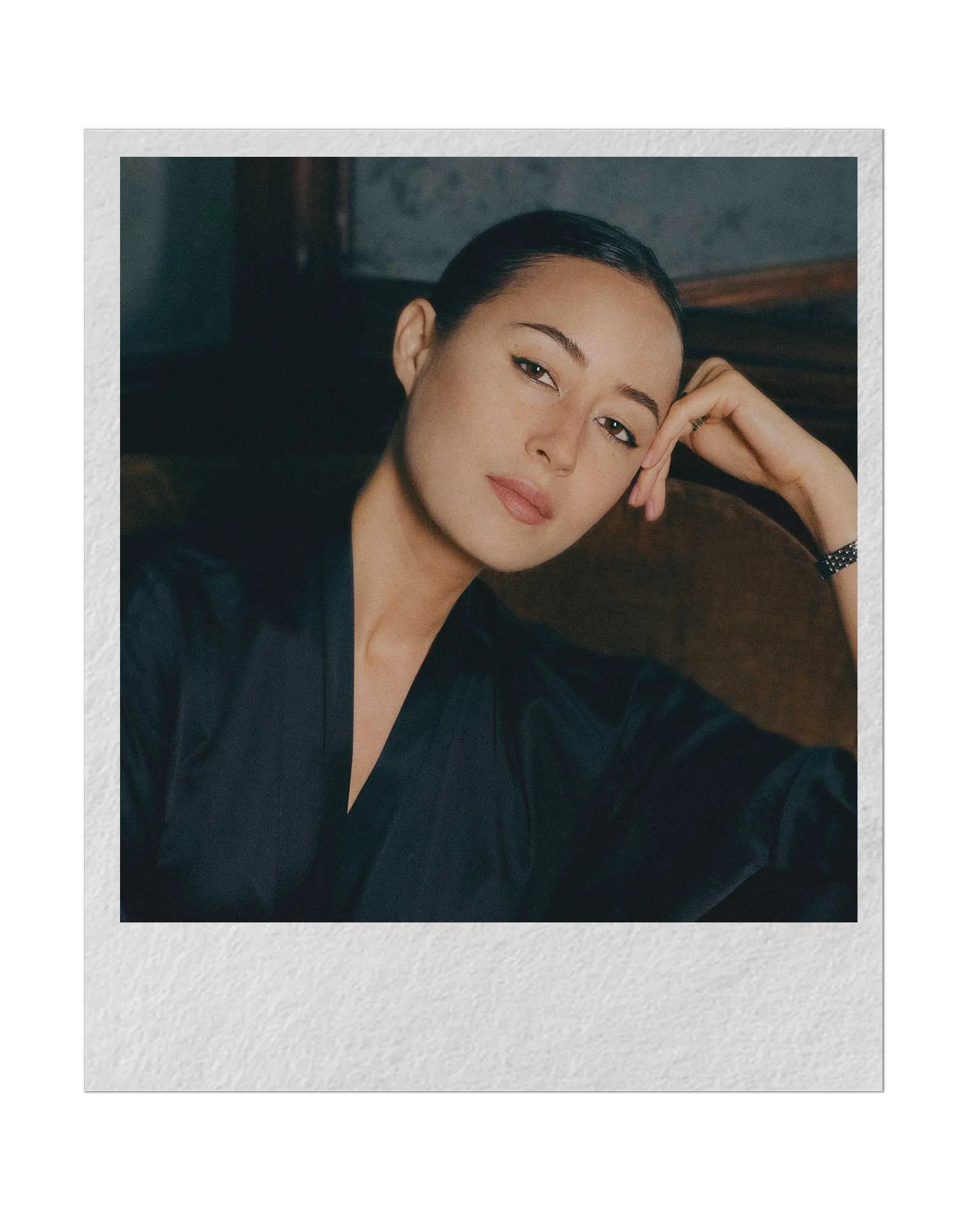
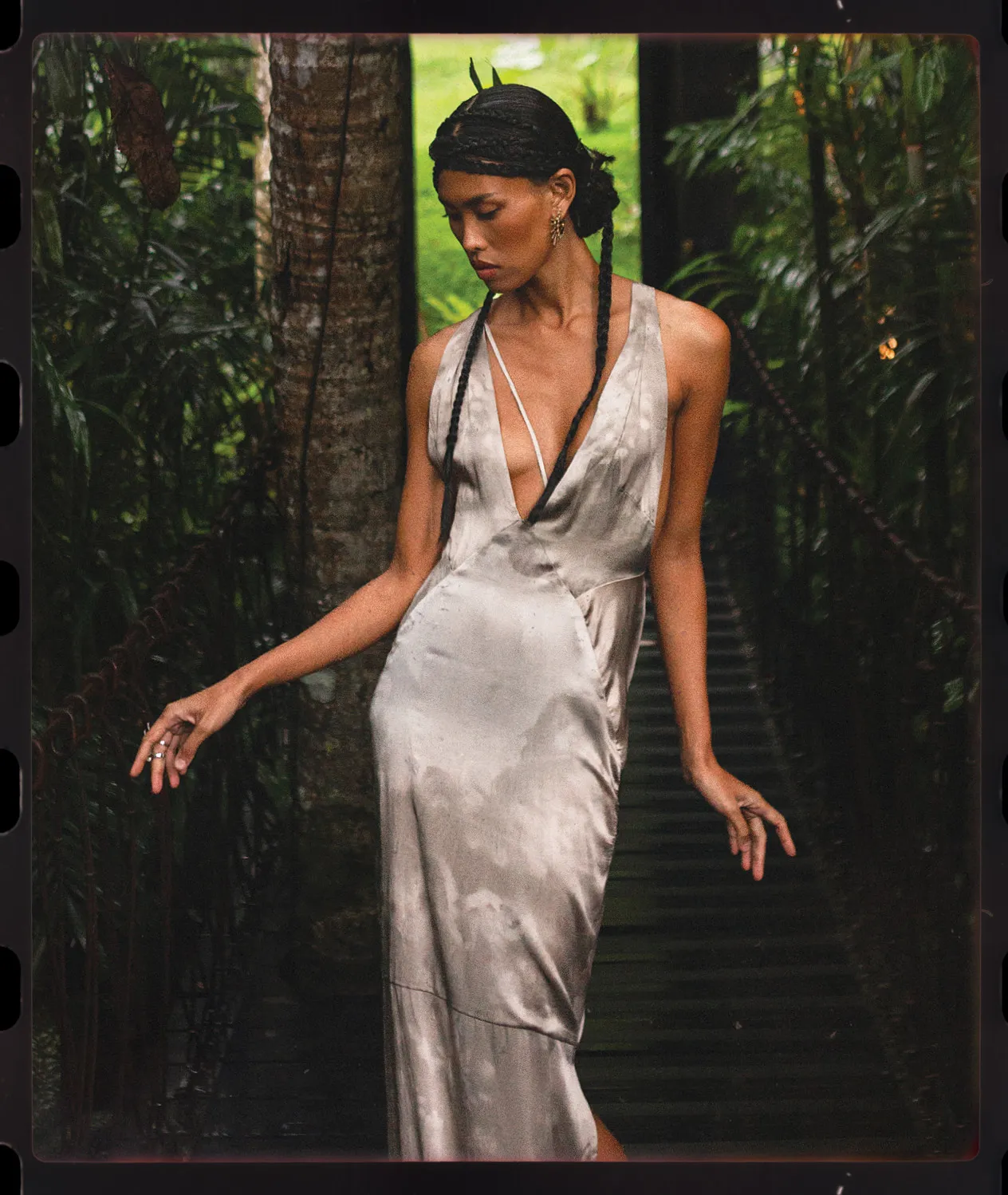
“Creativity for me is about working at an exquisite standard within clear confines of reality,” Lisa declares. The ex-advertiser made the industry switch in her mid-twenties, and spent a decade learning about fashion business before launching her own line in 2017. “We take textile sourcing seriously,” the material-obsessed designer says. For the past six seasons, they’ve used off-cuts and deadstock from luxury brands in Europe, sourced via middleman suppliers in Florence, and “regularly incorporated Javanese organic handspun cotton, and other beautiful natural fibers. Our natural dye workshop is in Bali, and over many seasons we have experimented on silks, cottons, and cupro. We are close to every step of the production line to ensure it meets our ethical standards.” The community they’ve built is intimate and admittedly niche, and Lisa and her team take pride in nurturing connections that last, whether through capsule collaborations, invite-only trunk shows that offer bespoke fittings on the spot, or narrative-led campaigns that take clients on a storied journey.
BRETHREN, Philippines
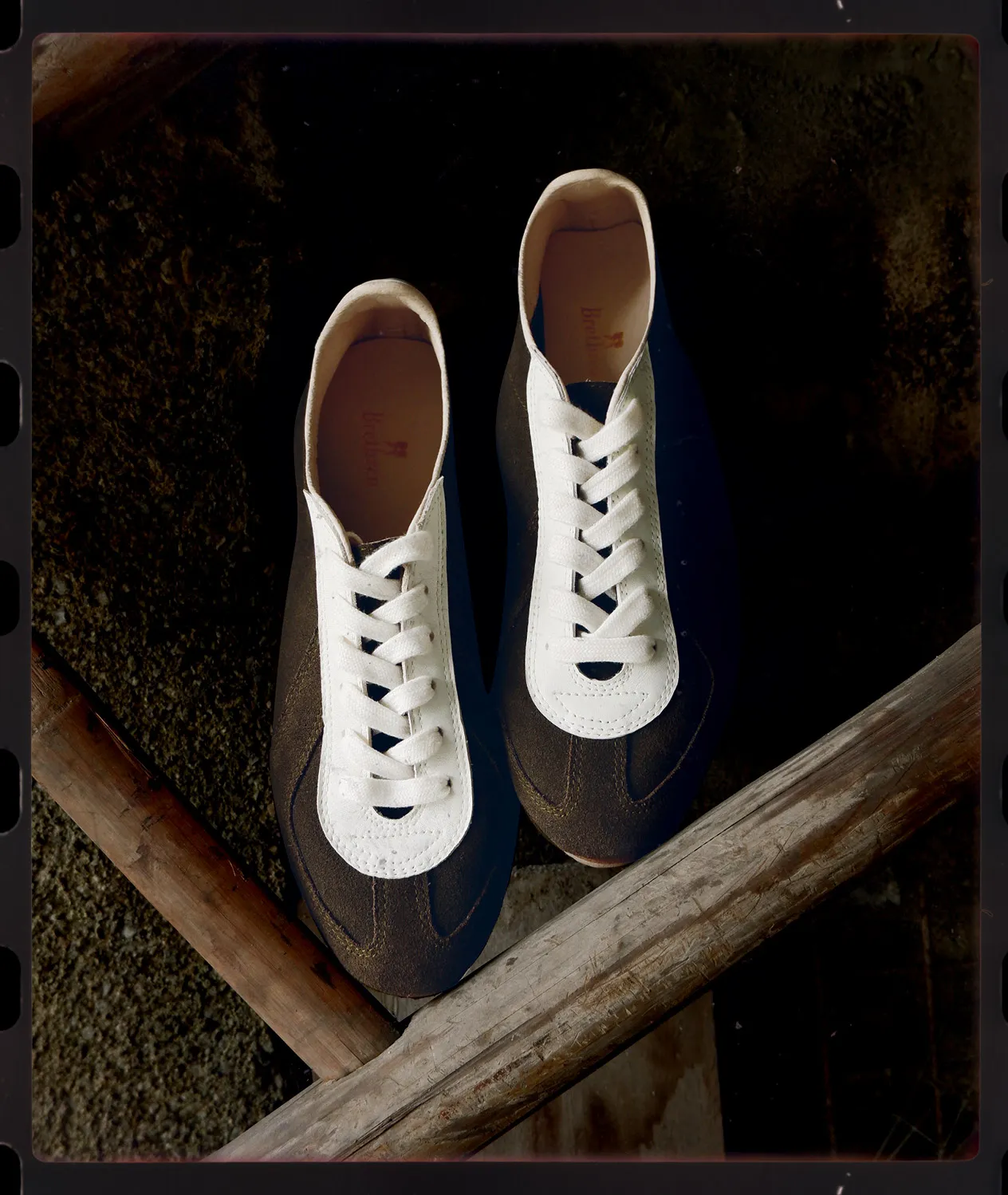
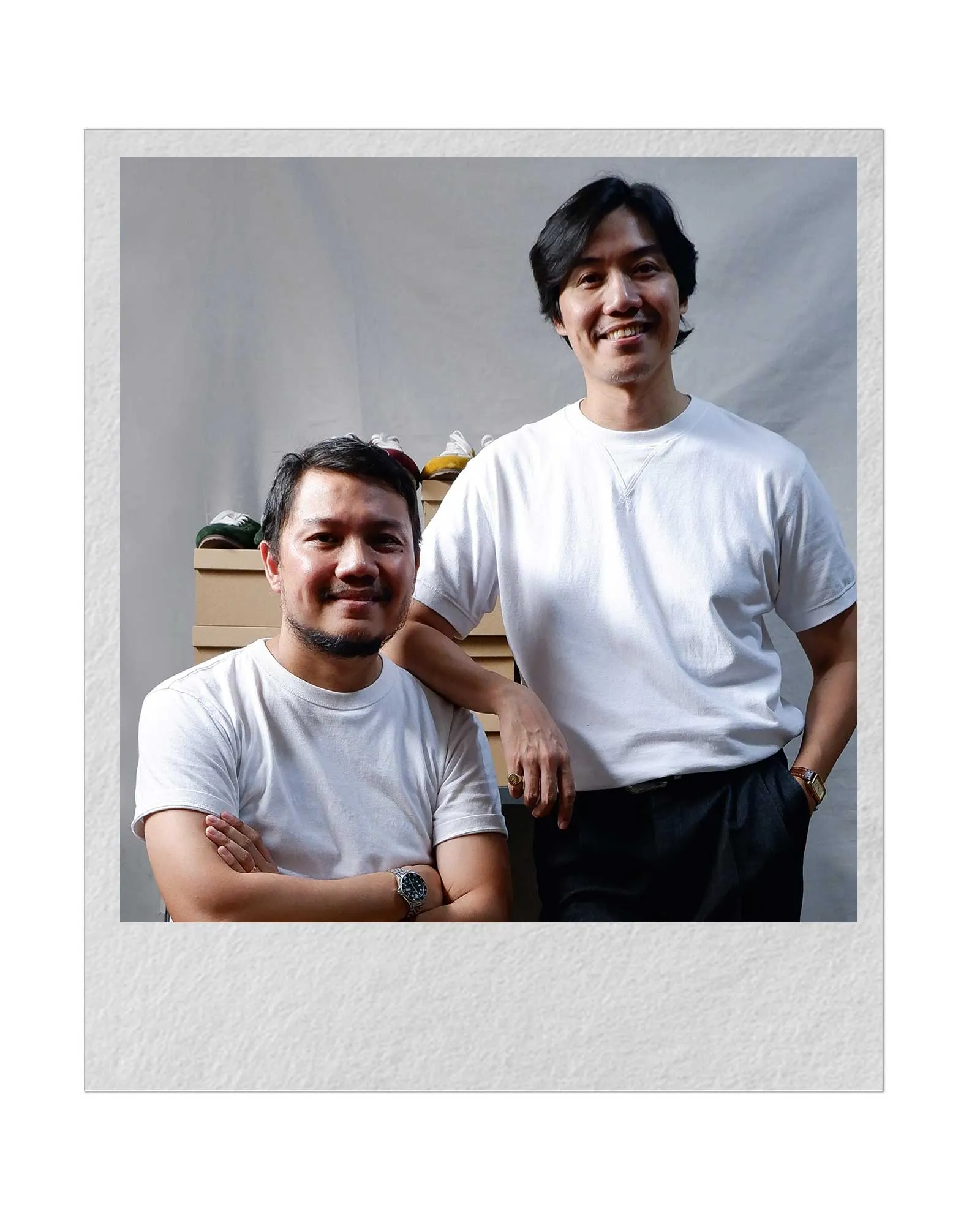
Even before brothers Paolo and Patrick Lansangan launched their own label, footwear has long been a part of their lives. “Our parents had a small athletic shoe and sporting goods retail store from the 1980s through the ’90s,” the latter shares. Though the two hold fine arts degrees, their paths diverged in concentration: Paolo worked at a fashion brand before joining his wife’s local shoe business while Patrick worked in e-commerce creating content and copy for over a decade. Their synchronized tastes, it turns out, became foundational for their fraternal project. They launched with their take on German army trainers of the ’70s, a fitting offering that encapsulates their brand identity, which “draws from classic menswear, vintage Americana, and military surplus. Timeless references that value function, durability, and character,” says Patrick, adding that they are “not trying to create the next trend.” Their vision is simply to handcraft pieces that nod to the past, while feeling right for today.
LALARUT AGAIN, Thailand
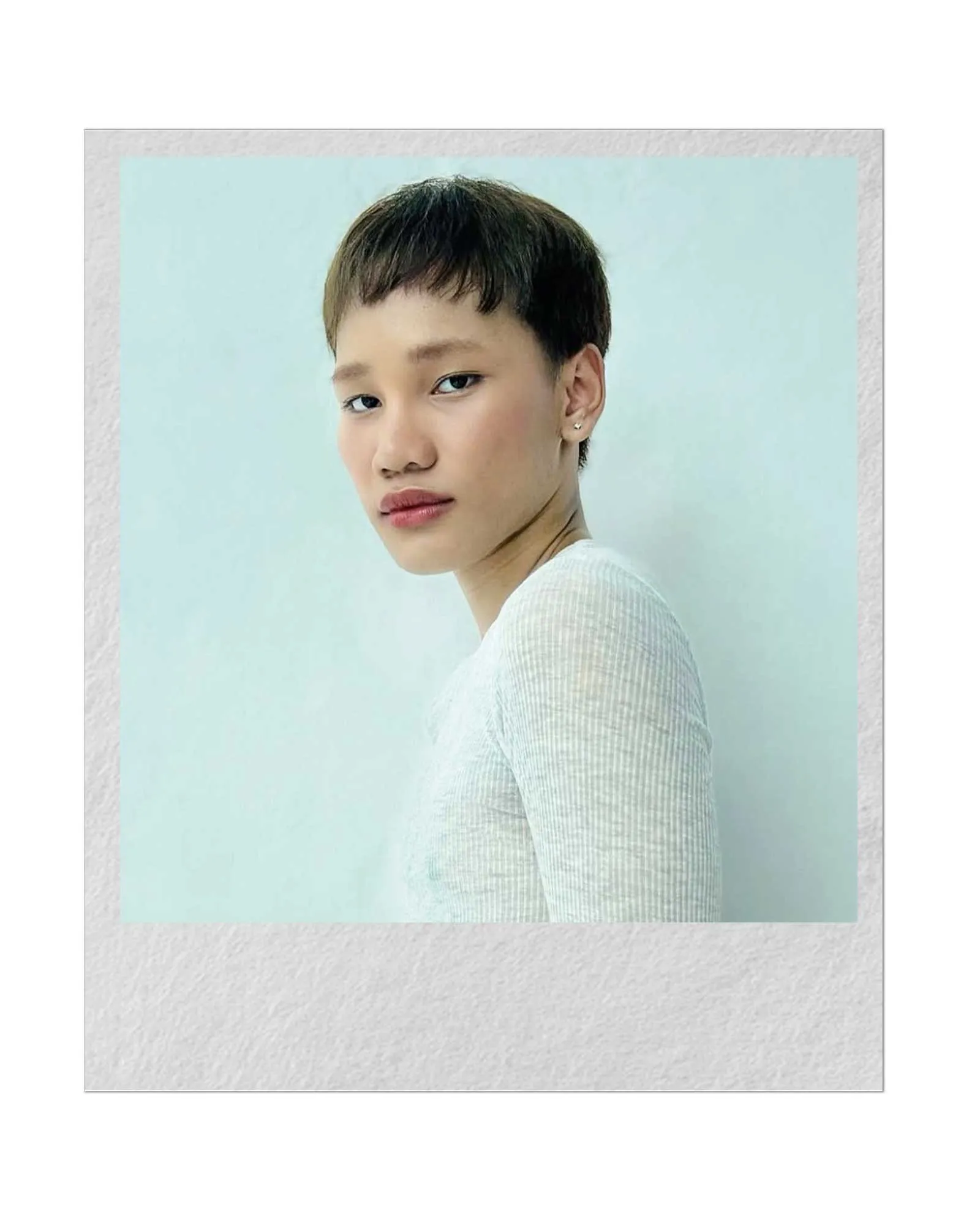
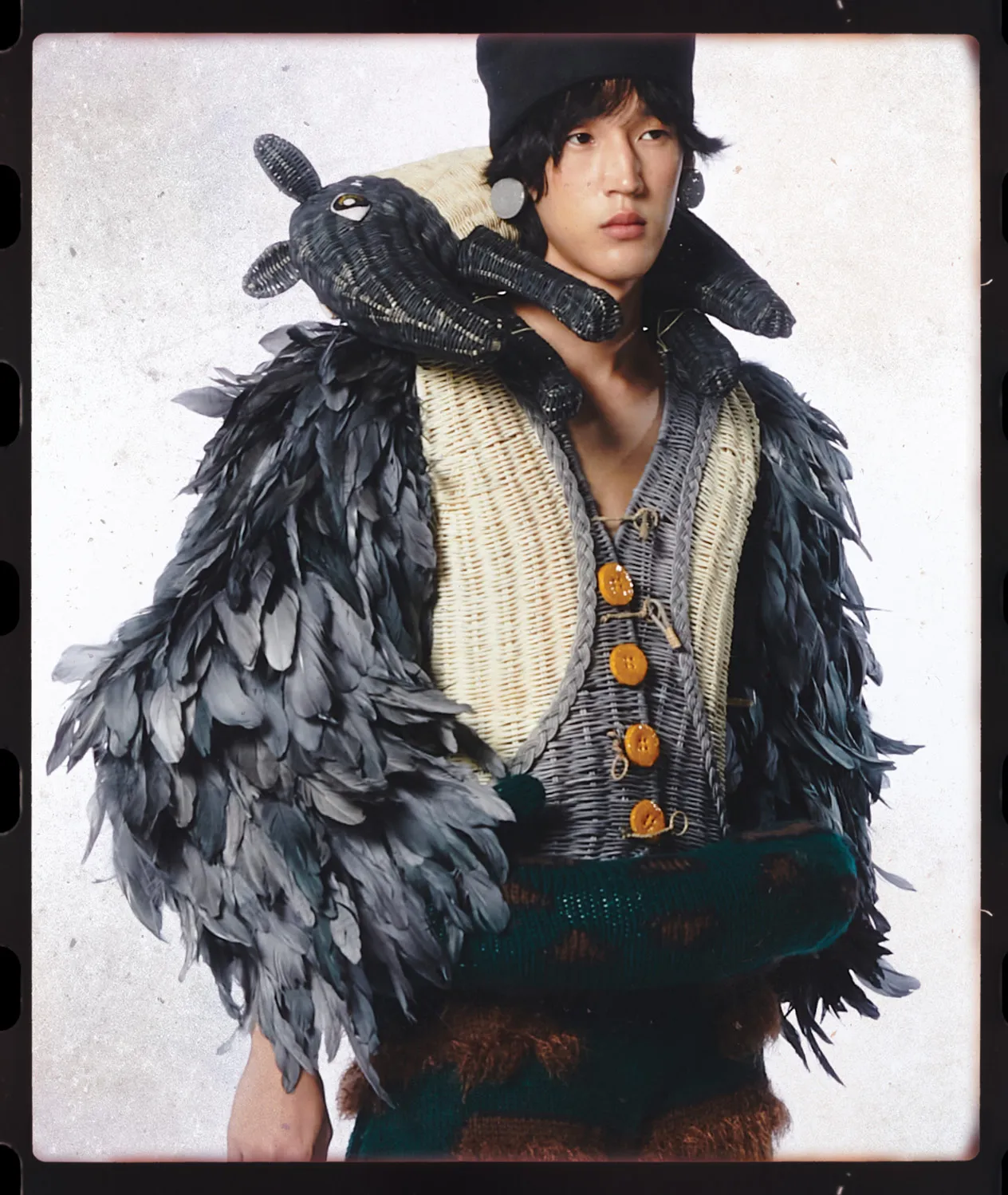
Because travel is one of Rut Klansri’s great loves, it comes as no surprise that it also happens to be deeply engraved in his practice. The young designer’s encounters with people, animals, and nature serve as muses for his brand Lalarut Again, which he founded in 2021. For his fall collection, which was featured in the September 2025 issue of Vogue Thailand, Rut was inspired by Thai wildlife and Thai conservationist Seub Nakhasathien. The sculptural looks were adorned with great hornbills and Malayan tapirs, and were brought to life with artisans from all over the country whom he connected with through his excursions. He values these trips for the cultural immersion they foster, which allows him to learn more about each region. A visit to Chiang Mai’s craftsmen and women illuminated “their exceptional skill” in weaving, and it was them whom he collaborated with for his rattan pieces. “Seeing the people there,” he says of exploring new places, “can provide new ideas.”
ALSR, Philippines
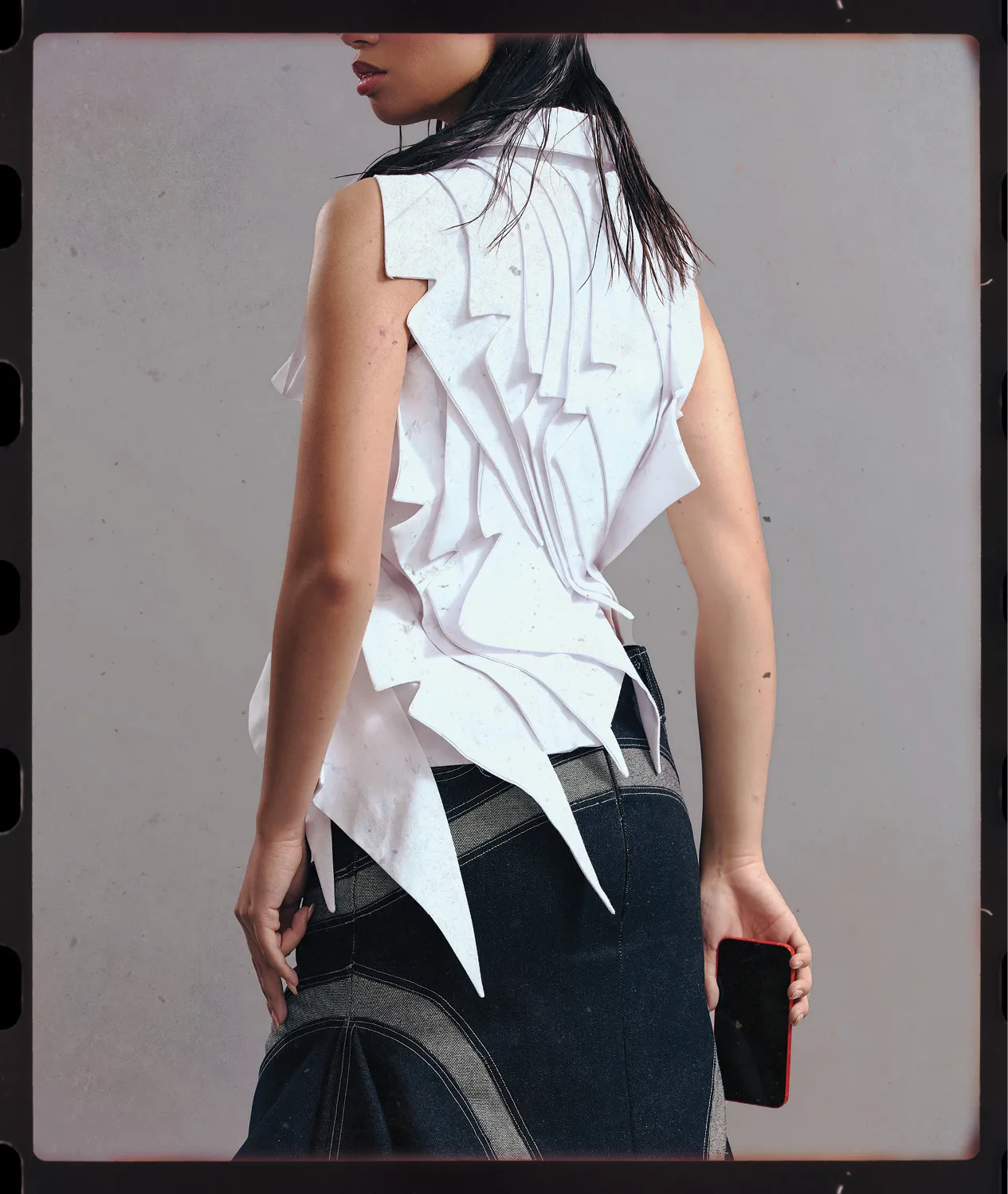
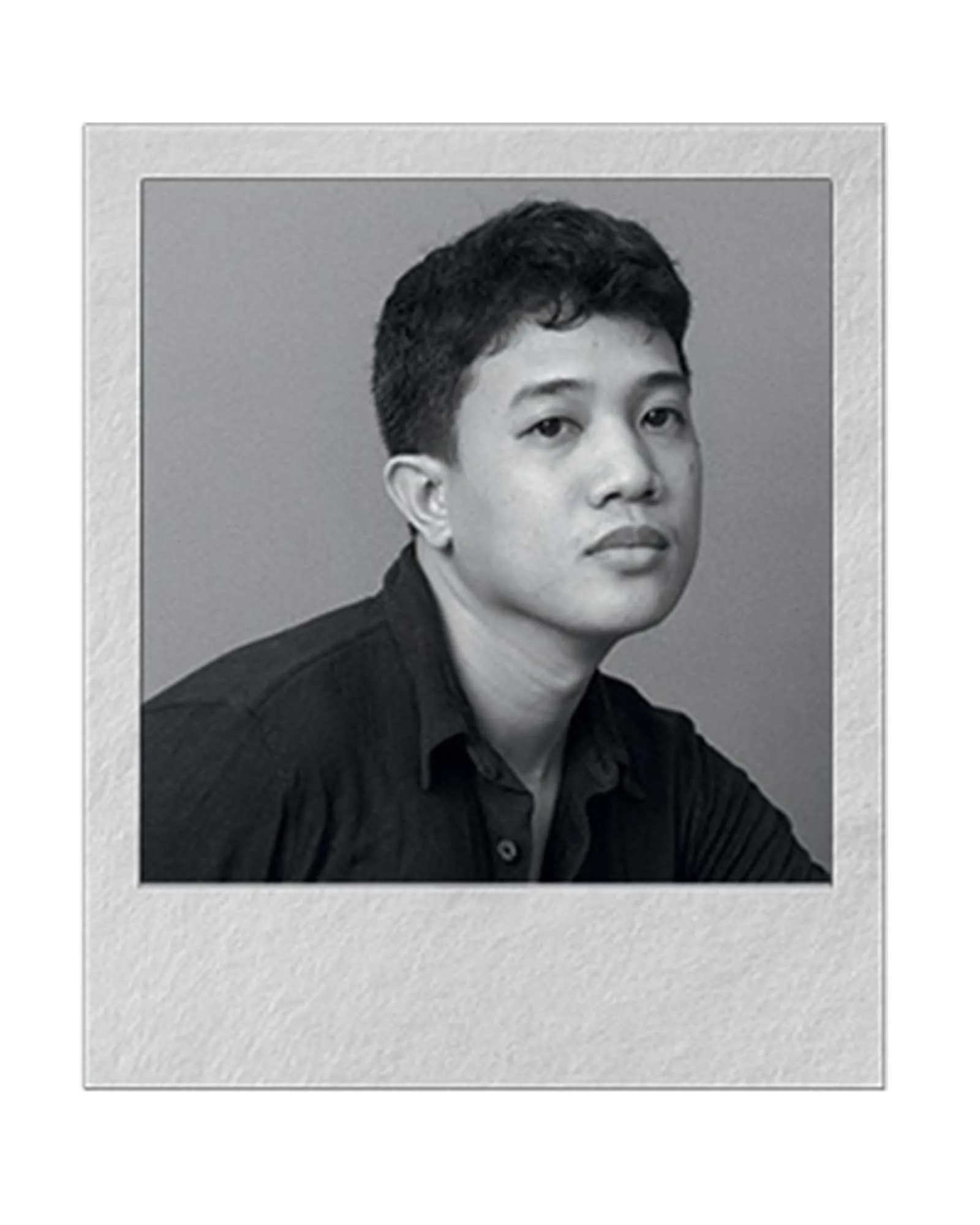
Alser Lumawag’s official debut was at the Bench Design Awards 2025, with the collection Please See Attached, an irreverent take on corporate culture. In addition to being a designer and student at the Fashion Institute of the Philippines, he is a full-time employee at a government bank, where he has worked for the past eight years. “To pursue fashion as one of my careers requires a lot of effort and time,” he admits. Describing ALSR as a deeply personal project, it was born out of a desire to craft with the goal of resonating with other people. He started out by growing more attentive to “ordinary routines, familiar spaces, and small details often overlooked,” sometimes as simple as watching the local news. He is guided, too, by his heritage, and lets it freely manifest in subtle, non-literal ways. “It grounds my work in authenticity, allowing each piece to reflect both personal experience and shared cultural memory.”
STUDIO JEJE, Indonesia
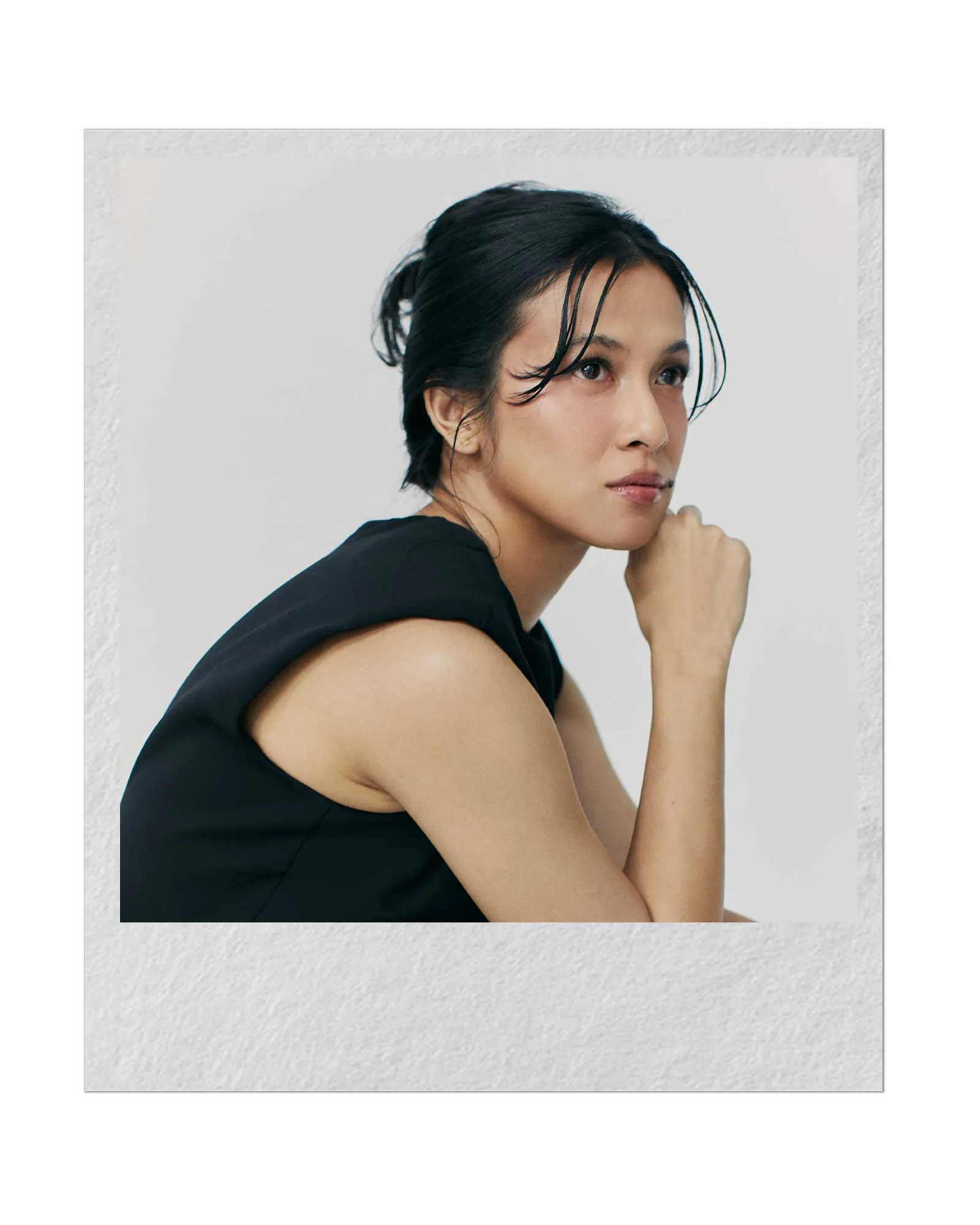
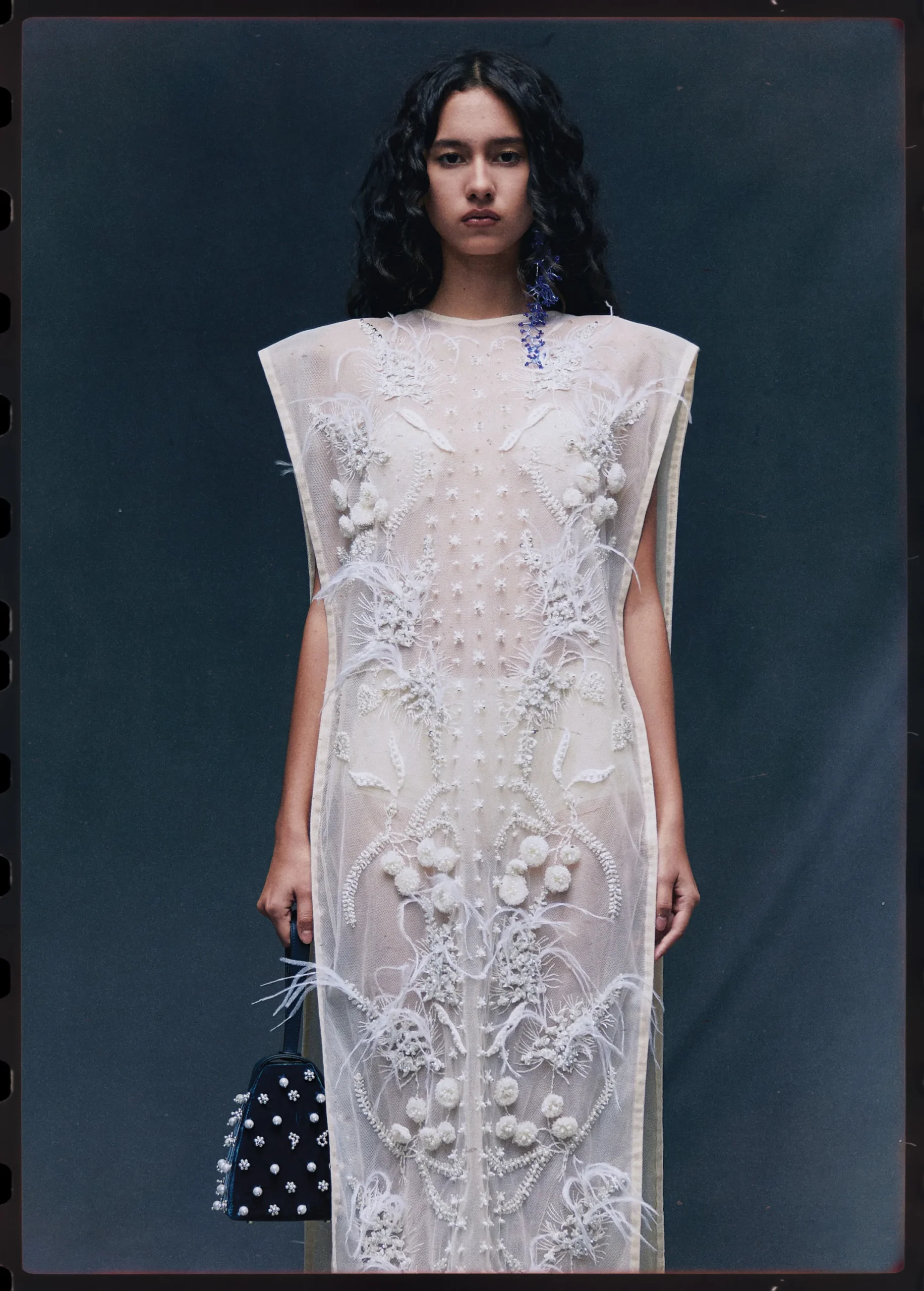
“At its core,” begins Angelita Nurhadi, “Studio Jeje is a fashion studio that embodies the refined aesthetics of the Art of Living rooted in Indonesian culture. I approach heritage as a source of values, sensibilities, and ways of living, especially the emphasis of craftsmanship, ritual, and human connection.” Since starting her brand in 2018 and becoming a finalist for Harper’s Bazaar Asia NexGen Fashion Award, the label has remained steadfast in its philosophy of precise embroidery, detailed embellishments, and three-dimensional textile work, which “is shaped through close collaboration with local artisans in Jakarta, whose skills and dedication form the soul of every garment.” Describing the brand’s identity as a balancing act between “couture sensibilities and contemporary ease,” what has evolved over the years is their mood and expression, which has become more cheerful and light. It’s certainly evident in their latest assemblage for Jakarta Fashion Week 2026: a garden of beaded blooms crawling on silk, alongside supersized bows and buoyant flounced layers.
- Karla Puno Garcia Steps on Stage as Director of Theatre Group Asia’s A Chorus Line
- How the Sisters Behind Jewelry Brand Jul B. Dizon Propel a Legacy Forward
- Filipiñana’s Jorrybell Agoto Is Poised to Take on the World of the Silver Screen
- A Portrait of Silvana Ancellotti-Diaz in Bold, Expressive Strokes


