
Vogue Profiles: Coralie Charriol-Paul on Creativity, Jewelry, and Life Beyond Business


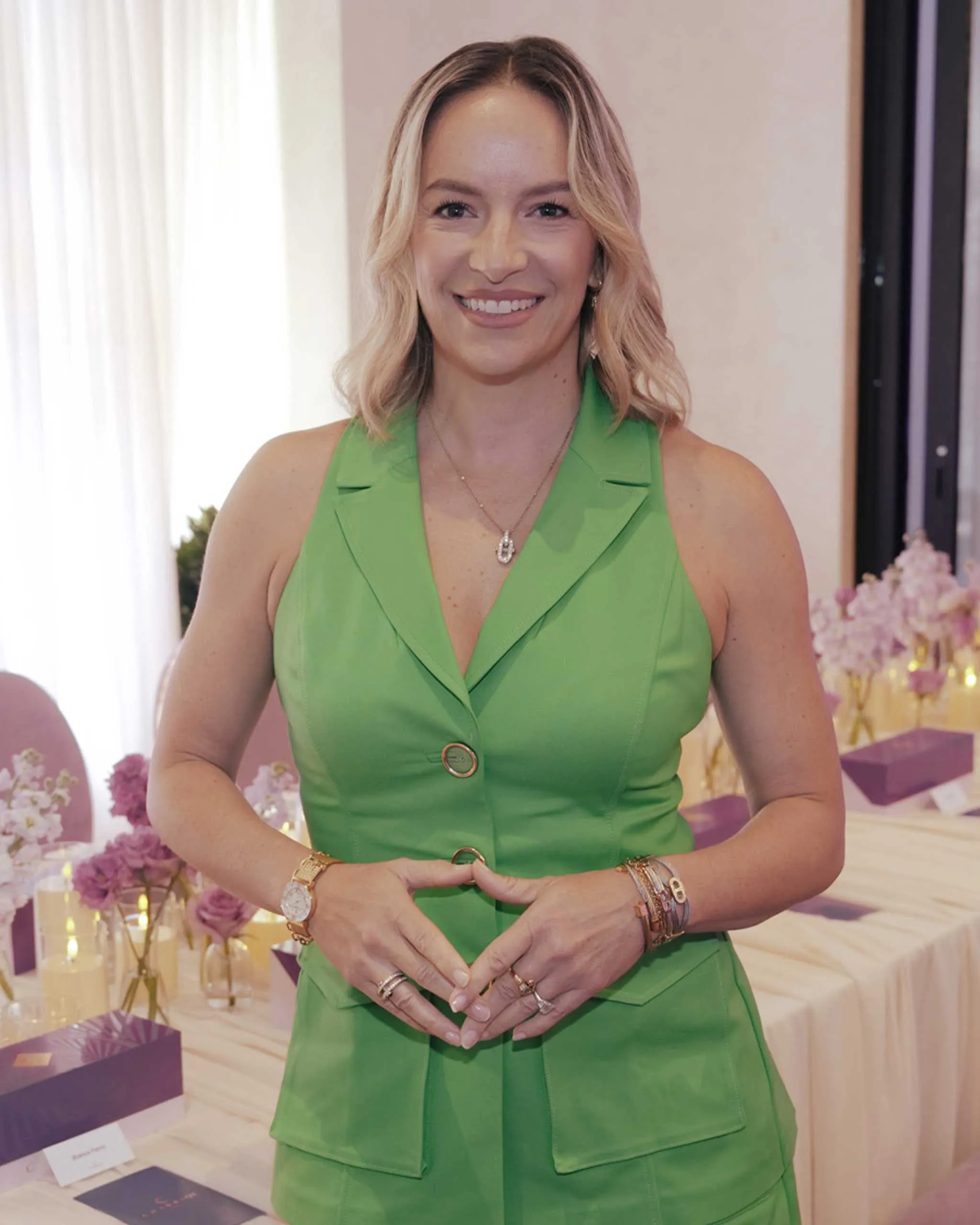
Courtesy of Charriol
The Charriol CEO and creative director brings her personal philosophy of wellness and self-expression to Manila.
Coralie Charriol-Paul has inherited more than a family business. As CEO and creative directorCreative DirectorThe person who sets the overall visual vision of a fashion house, publication, or campaign and guides designers, photographers, and stylists toward it. A creative director's influence shapes collections, imagery,Go to Creative Director Glossary of Charriol, the Swiss luxury watch and jewelry house founded by her father, Philippe Charriol, she carries forward his legacy while bringing her own creative vision to the brand. When her father died suddenly in a racing accident in 2019, she stepped into a leadership role that would test her in ways she had not anticipated. Having spent two decades working across the business, she knew its many facets, but taking charge of an international company during the pandemic presented an entirely different challenge. Today, she draws on that experience to keep the independent maison evolving while preserving the adventurous spirit at its heart.
In many ways, Coralie, 49, is her father’s daughter: creative, energetic, fun-loving, and gifted at making people feel welcome. Like Philippe, she has a zest for life that extends well beyond the world of watches and jewelryJewelryDecorative adornments worn on the body, from fine pieces in gold, diamonds, and pearls to fashion jewelry made of accessible materials. Jewelry completes an outfit and often holds sentimental orGo to Jewelry Glossary. Having spent part of her childhood in Hong Kong, she grew up with Asia as a familiar backdrop, and the Philippines has been part of her story since she was young. Her affection for the country is reflected in the longstanding relationships the family has built here over generations.
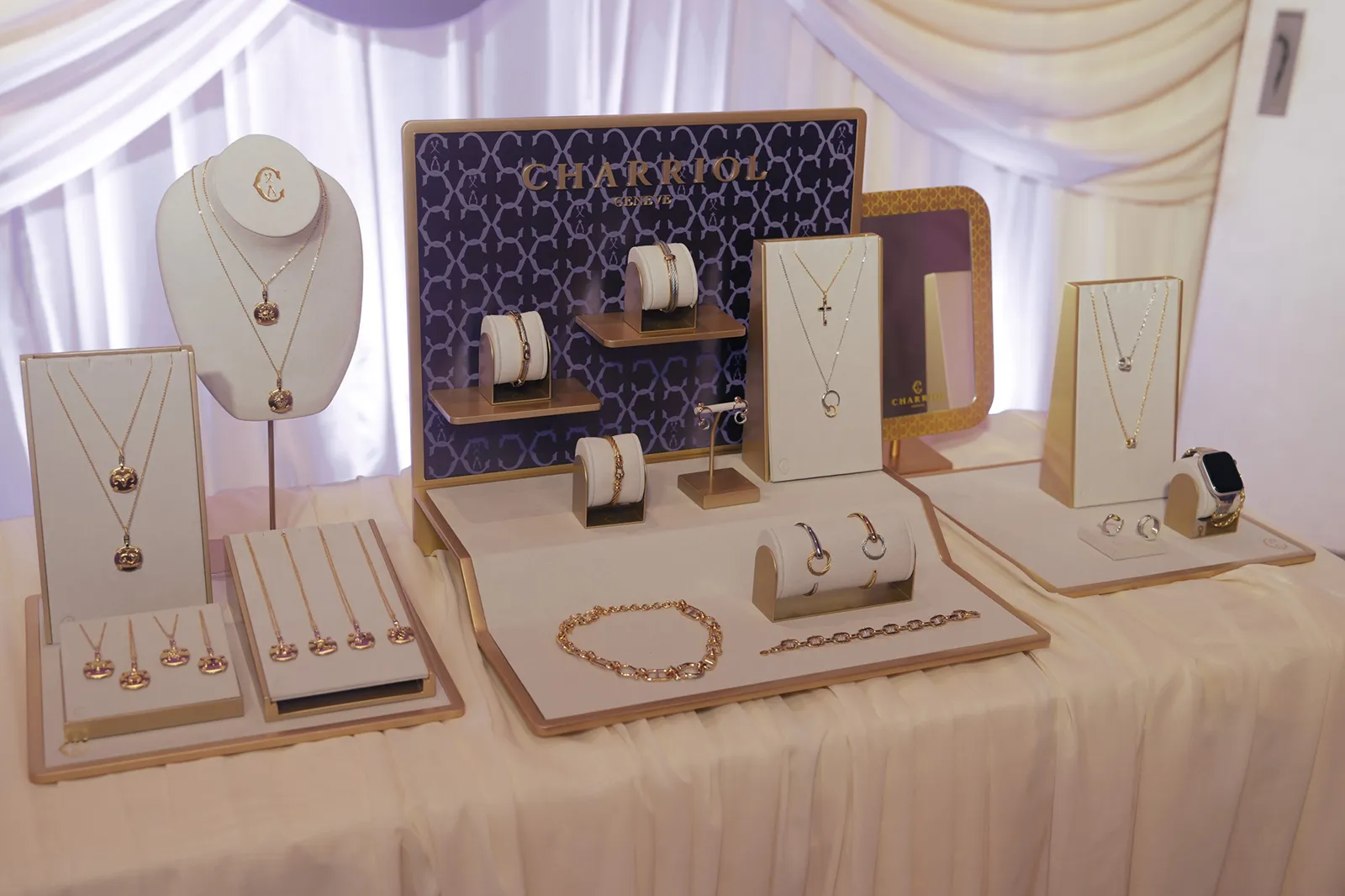
On her recent visit to Manila, Coralie took a different approach to introducing Charriol’s latest creations, bringing together sound meditation, ikebana, and other wellnessWellnessA holistic approach to wellbeing that includes physical health, mental balance, sleep, nutrition, movement, and self-care. In beauty and lifestyle, wellness has expanded from spa treatments to therapy, mindfulness, andGo to Wellness Glossary experiences rather than staging a conventional product launch—things that, she said, she turns to to ground her when life’s demands and chaos become overwhelming.
During the gatheringGatheringGathering refers to a sewing technique bunching fabric along a stitched line to create fullness and volume, commonly used at waistlines, sleeves, or necklines. The technique allows designers to controlGo to Gathering Glossary, she spoke about jewelry as an emotional anchor, a tangible link to a treasured memory, a loved one, or a place that brings comfort and happiness. Her own mariner-link bracelet, for instance, reminds her of her love for the sea, while her engagement ring takes her back to her wedding day.
Beyond her roles as CEO and designer, Coralie is also a mother of three, ages 12 to 19, a part of her life that sits alongside the demands of running an international business. For someone who has learned to manage the weight of responsibility by keeping it at arm’s length, these personal connections offer a reminder of what matters beyond the boardroom.
In the Vogue Profiles interview series, we speak with creatives and cultural voices about their taste, worldview, and inner life, and explore what informs their creative choices. Below, Charriol CEO and creative directorCreative DirectorThe person who sets the overall visual vision of a fashion house, publication, or campaign and guides designers, photographers, and stylists toward it. A creative director's influence shapes collections, imagery,Go to Creative Director Glossary Coralie Charriol-Paul reflects on creativity, carrying on her father’s legacy, and finding balance between the demands of leadership and the things that bring her joy.
Vogue Philippines: What’s capturing your attention these days?
Coralie Charriol-Paul: What captivates me most is the resilience of human creativity. No matter what is happening in the world, with wars, uncertainty, and natural disasters, people continue to create, imagine, and express themselves. Whether you’re 12 or 72, that creative instinct is always there. I see it in museums, in people’s homes, in the work of established masters and young designers, and increasingly in the videos and ideas shared online. Creativity has no age, no borders, and no single language. I find it incredibly inspiring that, even in difficult times, the human spirit continues to look for beauty, new ideas, and ways to express itself.
What has shaped your creative eye the most?
My creative eye was shaped early on. My father was very cultured, and I grew up visiting museums wherever we traveled. My mother had a sharp eye for detail and aesthetics. Today, every trip, every encounter, and every conversation adds to that foundation. I’m especially inspired by designers who push boundaries and challenge conventions. Ultimately, creativity is about curiosity, having the courage to trust your instincts, and being bold enough to turn an idea into reality.
How would you describe your aesthetic—not just in your work, but in the way you live?
I would describe my aesthetic as classic with a twist. I love timeless elegance, clean lines, and monochromatic looks, but I always want one bold element that’s unexpected and makes a statement. I like to stand out, but in a chic, effortless way. I’m drawn to objects that have a story, a clever design detail, or something a little unconventional, but they also have to be practical. I may be a little messy on the outside, but there’s a certain order to my own chaos! Above all, I love things that feel joyful, bright, and full of life.
What do you think people misunderstand about creativity?
I think people misunderstand creativity by seeing it as something linear, reserved for those who can draw or paint. But creativity is in everything we do: how we dress, speak, present ourselves, cook, entertain, and make everyday choices. I think what holds people back is the fear of getting it wrong, so they follow rather than trust their own instincts. And that’s the mistake. Creativity is about daring to make your own choices, embracing individuality, and not being afraid to stand apart.
When do you feel most like yourself?
I feel most like myself when I’m away from the office and out in nature, whether I’m walking along the beach, coming out of a surf session, or skiing with my family. It’s that moment after sport when you’re physically exhausted but mentally completely clear, relaxed, and happy. I get such a natural high from being active. It’s the same feeling I get from dancing or anything that brings me pure joy. Those are the moments when I feel most alive and most myself.
Is there a ritual or habit you return to whenever you need clarity or inspiration?
For clarity, I return to transcendental meditation, long walks, breathwork, or a yoga class. They help me slow down, reconnect with myself, and clear my mind. For inspiration, I’ll take the train to Paris and immerse myself in art and culture, whether it’s an exhibition, theater, a concert, or a play. I need both: moments of stillness to find clarity and moments of discovery to feed my creativity. That’s how I reset.
Has success changed the way you create—or the way you define success itself?
Success is fleeting, so I define it quite simply: When I create something and a person I’ve never met buys it, loves it, and feels a connection to it, that’s success to me. It doesn’t change the way I create, though. I’ll learn from what resonates, but I never want that to limit my imagination. For me, the hardest part is editing: having so many ideas and finding the discipline to choose the right ones. In our industry, success is never permanent. Seasons change, new competitors emerge, and people are always looking for the next new thing. You have to keep evolving, keep creating, and keep surprising people. That’s the challenge, and also what makes it exciting.
What are you learning to let go of?
Guilt, definitely. Why do we carry so much of it? I’m learning to accept that I can’t do everything, and I don’t need to feel guilty about what I don’t know. I hire the right people, trust them to do their jobs, and move on. Fear of failure, on the other hand, I’m not letting go of just yet. It keeps me moving. Thankfully, I’m not a perfectionist; I roll with the punches. Perfection can be paralyzing. I’m much more interested in what comes next. I don’t dwell on old ambitions. I’m always looking forward to the next idea, the next challenge, the next year. Forward is the only direction I know.
What kind of legacy do you hope your work leaves behind?
I hope to be remembered as someone who was dynamic, creative, and unafraid to do things differently. Someone who designed beautiful jewelry and watches that made people feel good and became part of the important moments in their lives, big or small. There’s something very special about knowing that a piece you created was chosen to celebrate a milestone, a relationship, or a memory.
I also hope I’ve helped open doors for more women to become owners and creative leaders in the watch industry. If I can inspire women to be bold yet feminine, to trust their instincts, pursue their dreams, and live life on their own terms, then I will have left something meaningful behind. Ultimately, I hope my legacy is about more than jewelryJewelryDecorative adornments worn on the body, from fine pieces in gold, diamonds, and pearls to fashion jewelry made of accessible materials. Jewelry completes an outfit and often holds sentimental orGo to Jewelry Glossary or watches. It’s about inspiring people to live differently.
Frequently Asked Questions
She is the CEO and creative director of Charriol, the Swiss luxury watch and jewelry brand founded by her father, Philippe Charriol.
Philippe Charriol founded the brand in 1983, building its identity around Swiss watchmaking, jewelry, and distinctive cable designs.
The brand is known for its signature twisted steel cables, featured in watches, bracelets, rings, and other jewelry.
After her father’s sudden death in 2019, she assumed leadership, drawing on two decades of experience within the family business.
Charriol first entered the Philippine market through the Rustan Group in 1984, making the country its first market in Asia. In 1996, the brand’s distribution was transferred to Stores Specialists Inc. (SSI), which continues to bring Charriol’s jewelry and watches to Filipino customers through its retail network.