
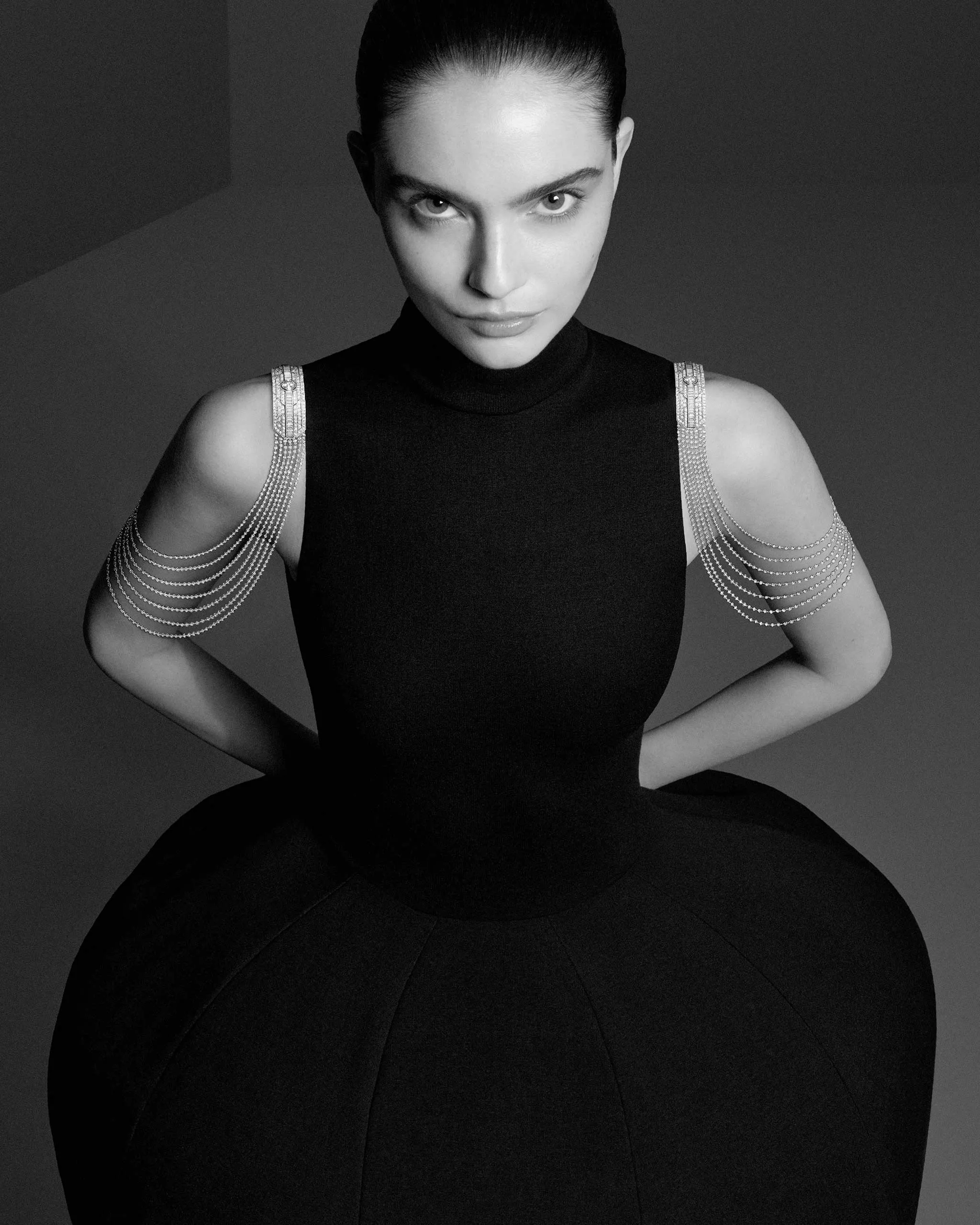
Courtesy of Boucheron
Nearly 170 years after Frédéric Boucheron opened his doors, Claire Choisne revisits his radical decisions and technical innovations in Histoire de Style
Claire Choisne has been with Boucheron for almost fifteen years, and this season her latest collection attempts to sketch a portrait of Fréderic Boucheron not through biography, but through the glitz that made him a star. At the beginning of her project, she immersed herself in its archives. “When I joined Boucheron almost 15 years ago, I tried to understand who he was,” she says. “Honestly, I was shocked when I saw all the archives. I knew that they were great archives, but I didn’t know that there would be so many things and great things.”
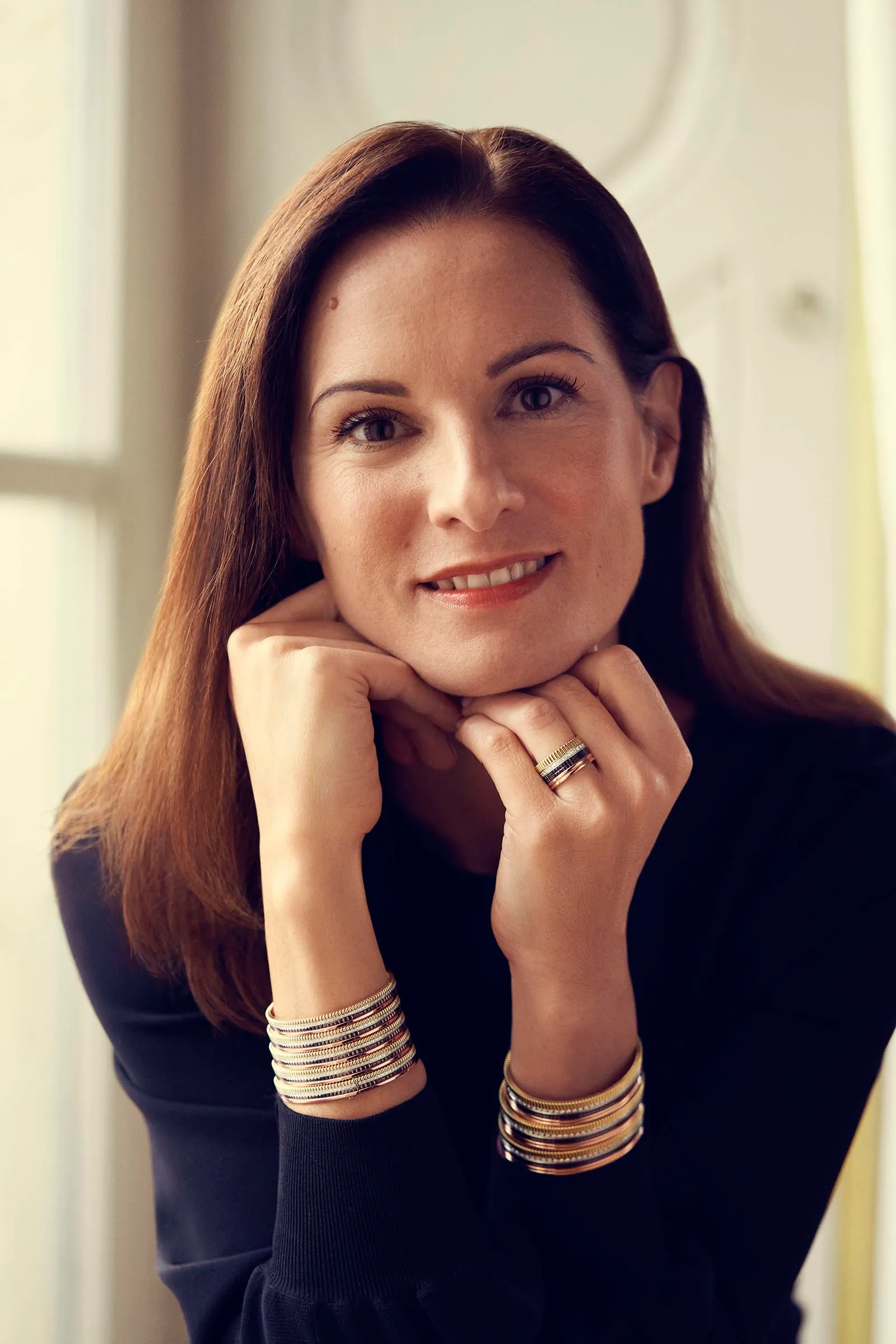
An early effort in 2012 explored his legacy, but she now views it as unfinished. “Looking back, it was not enough synthesized,” she admits. “For me, it’s the collection I would have loved to do when I joined, but I wasn’t able to do it at that time. You need a bit more time to process, to understand.”
Understanding, in this case, meant working with fragments. Frédéric Boucheron left behind drawings, finished pieces, and bold business decisions, but very little in the written word. “I mainly look at the archives, the drawings, the pictures, and I have to understand the voice of Frédéric Boucheron,” she explains. “It’s not easy. It took time for me. I don’t know if I’m right, but I did my best.”
Rather than reissue historic motifs, Choisne chose to focus on his philosophy. “As a designer, you have two options. Either you look at the design, and you try to do new things with this design, or you try to understand the philosophy, who he really was. For me, it was better to understand the philosophy.”
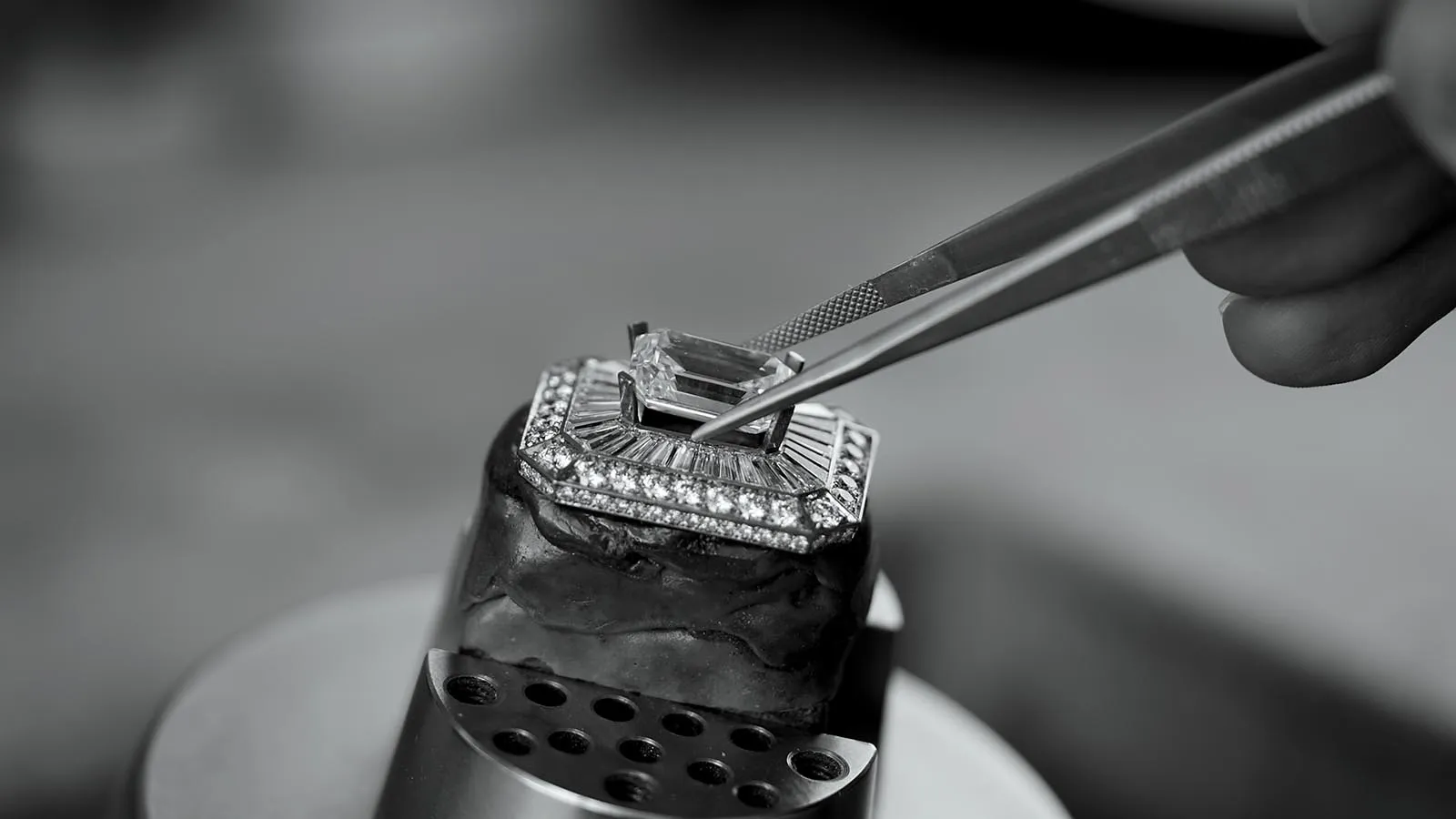
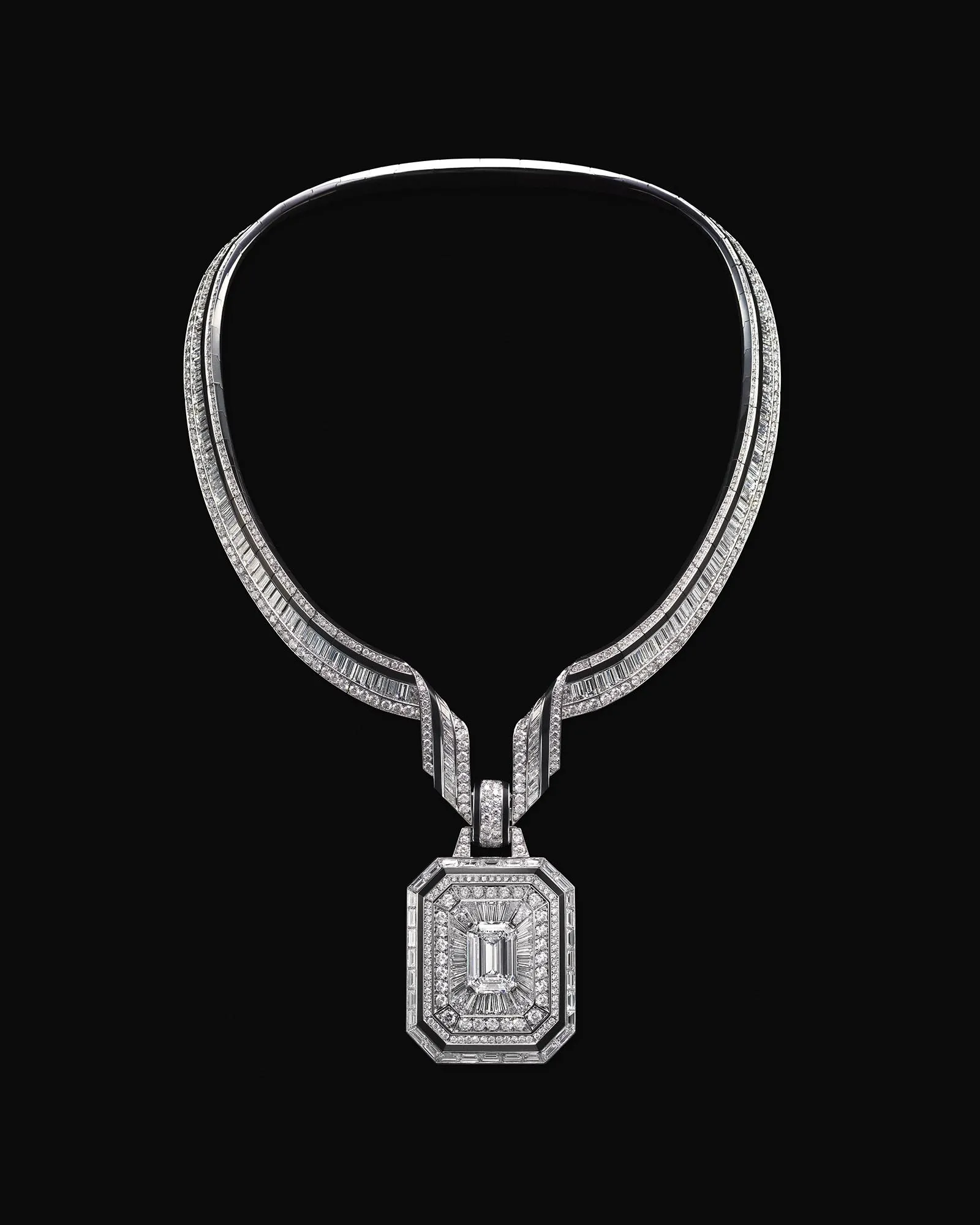
The first piece, referred to as “The Address,” centres on Boucheron’s 1893 move to Place Vendôme. At the time, most jewellers were based on Rue de la Paix. His decision to relocate to the corner building at number 26, chosen in part for the way light entered the windows, was considered risky. The necklace that anchors this chapter echoes the octagonal geometry of the square and features a 10.01 carat emerald cut diamond framed by black lacquer and white gold.
Choisne resists framing it as a celebration of scale. “For me, it’s not the stone,” she says. “It’s the idea of coming here, being the first, being bold enough to say, okay, we’ll go there and the other Maison will come after. It’s the idea. I prefer idea than stones.”
There is also an element of personal projection. When asked whether dedicating a collection to a founder who avoided the limelight is a form of public recognition, she simply replies: “It’s my fantasy.”
Technically, the necklace hides complexity. The central diamond element can be removed and worn as a ring, and the surrounding ribbon of stones is crafted to look seamless. “The best one is when it looks like evidence,” she notes. “But technically, it’s quite complex. You can’t see any technique when you look at the necklace.”
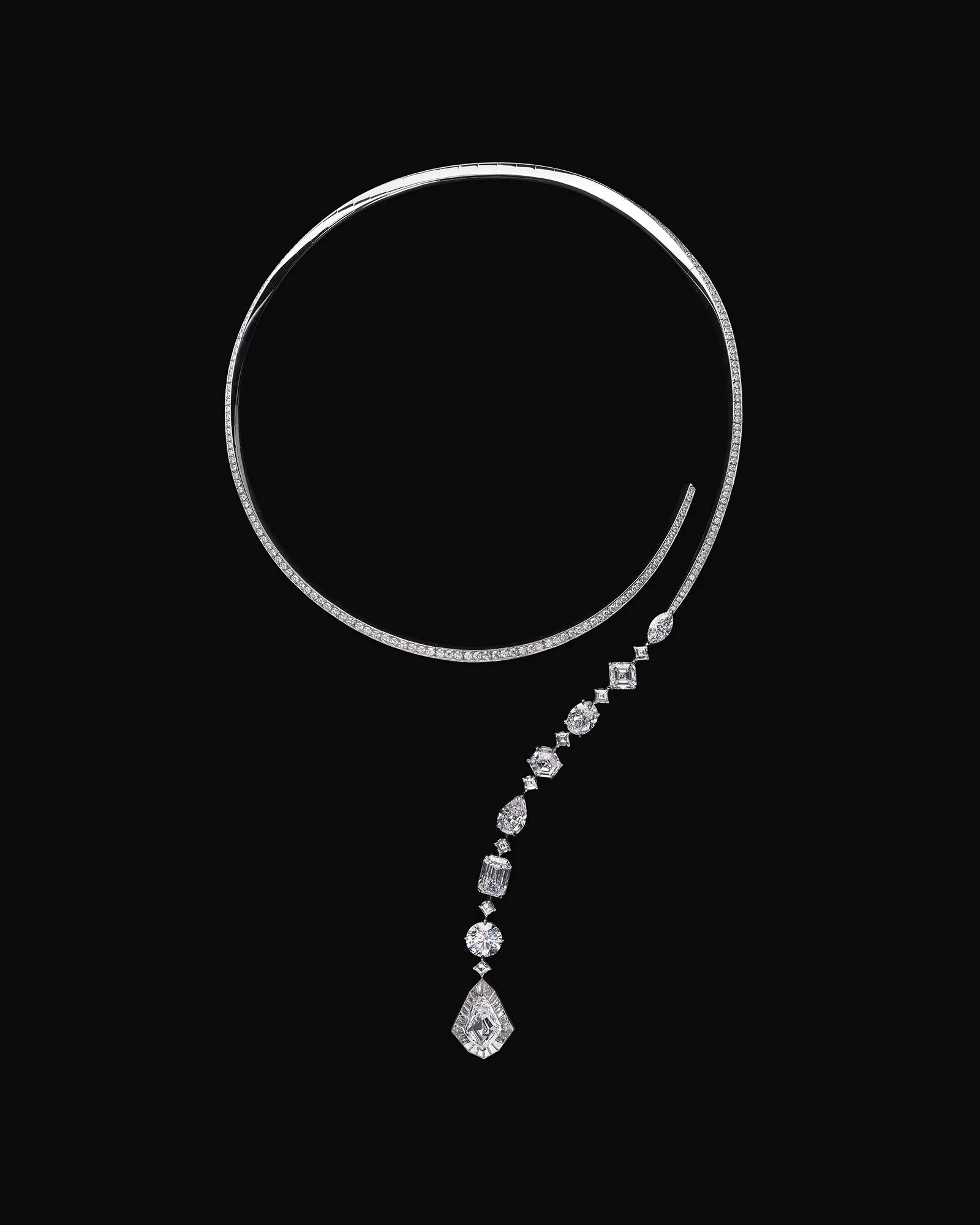
The second chapter revisits the Question Mark necklace from 1879, regarded as one of Boucheron’s most important technical breakthroughs. The original design removed the clasp and used a hidden spring blade, enabling women to put on the necklace without help. In an era of tight corsetry, this design provided a level of independence.
Choisne’s version keeps the main structure, featuring a cascade of diamonds in different cuts. When asked how she adapted the ergonomics for modern wearers, she candidly responds. “I didn’t do anything because it was so nice,” she says. “The main difficulty was to do as well as he did before. We didn’t do much better. We tried to do as well.”
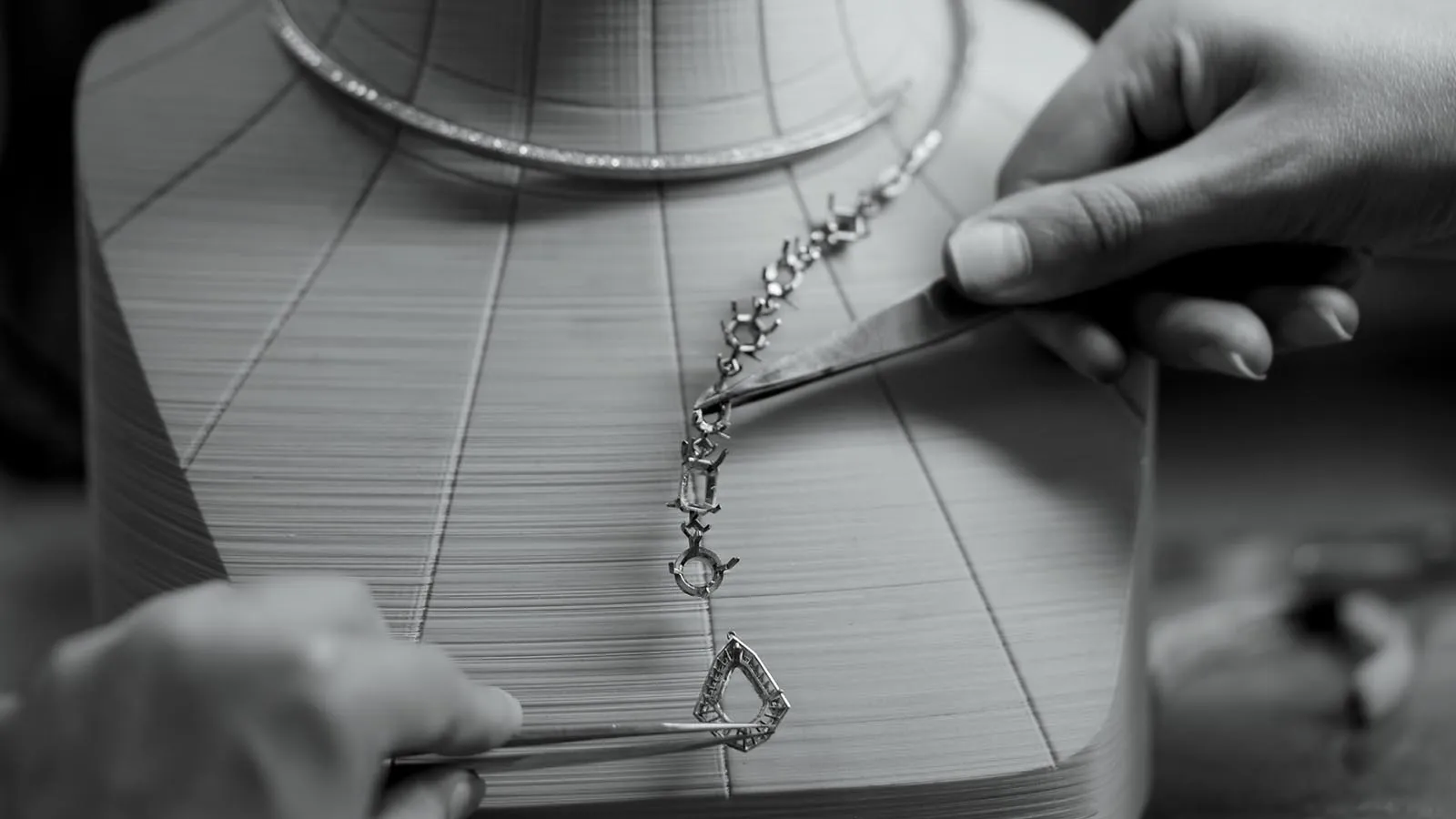
She recalls examining an archival example early in her tenure. “It was better than what we did at that time,” she says. “The technique is super smart. And you can’t see it. It looks like a line of diamonds, nothing. It’s genius. Innovation, in her view, is not about escalation but continuity. “He was an innovator,” she says
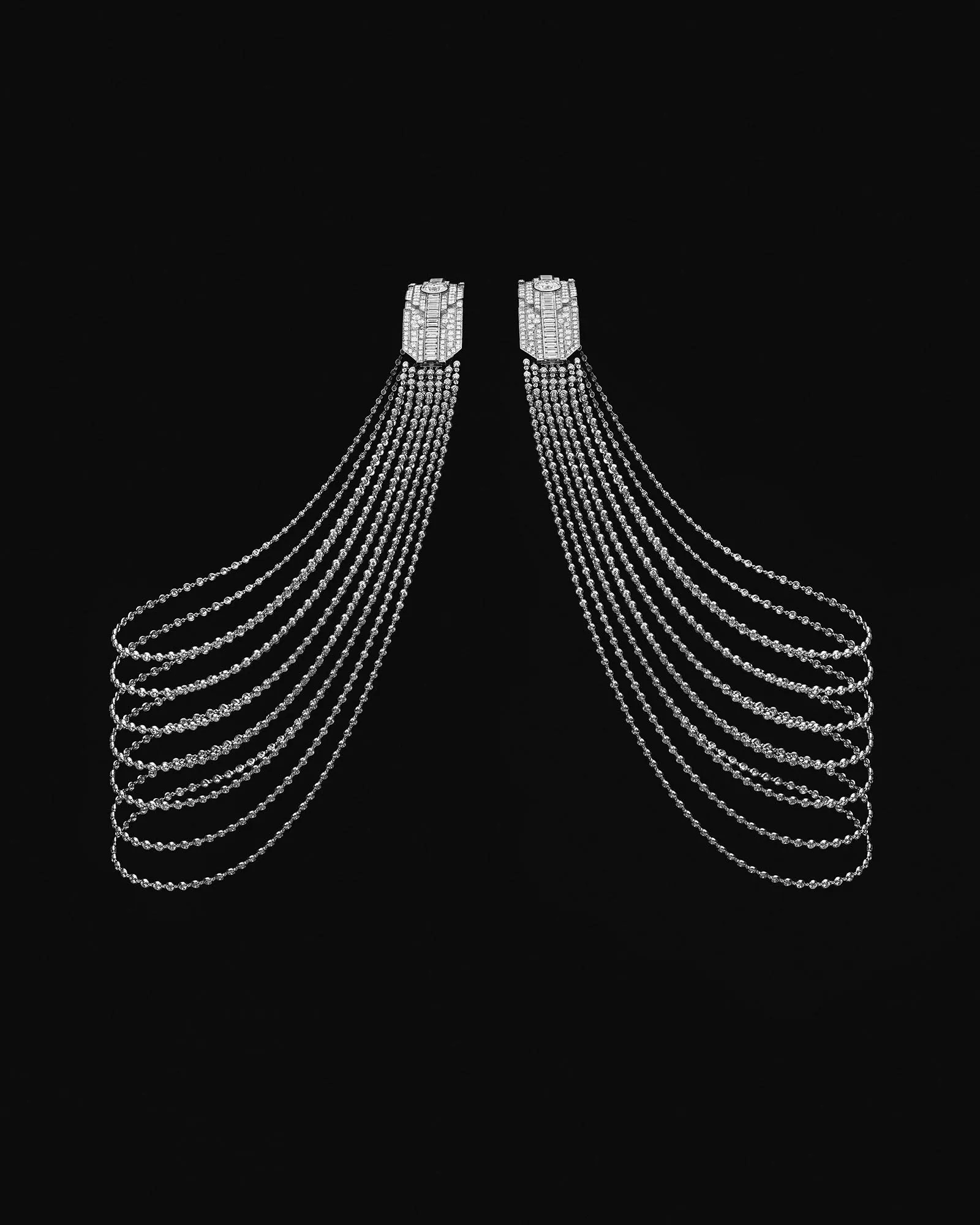
That philosophy extends into “The Silhouette,” a transformable white gold and diamond construction that can be worn in six different ways, from shoulder adornment to choker to bracelets. The piece references Boucheron’s background as the son of a draper and his historical treatment of jewellery as an extension of clothing.
“For me, blurring is a good way to do it,” Choisne says. “It’s not jewelry, clothes, it’s your style.”
Throughout the conversation, she rejects the notion that heritage and experimentation exist on opposite ends of a spectrum. “I don’t cut the time. For me, time is a line,” she says.
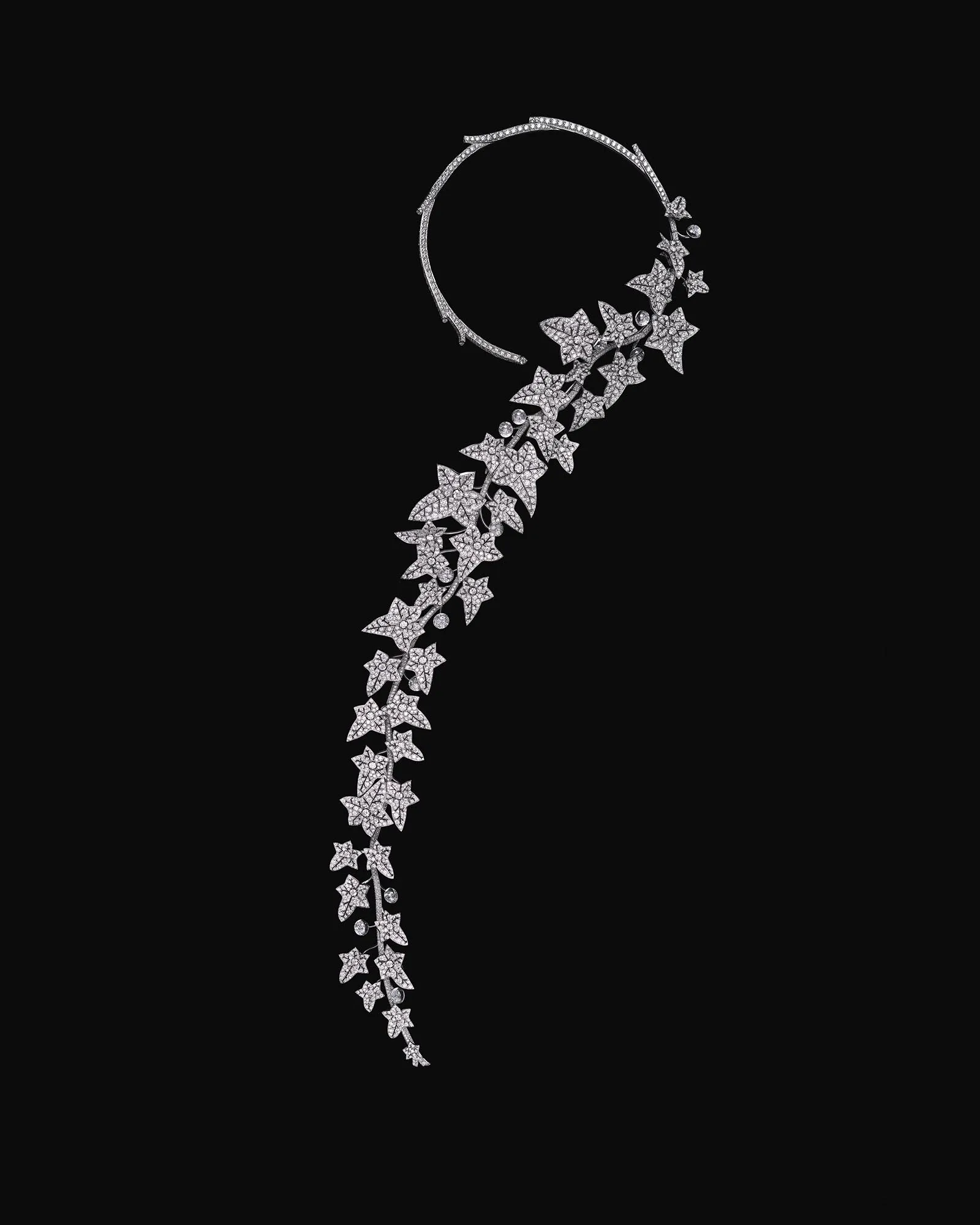
The final piece, “The Untamed,” draws on Boucheron’s fascination with ivy, a plant often dismissed by other jewellers of the nineteenth century. Choisne recreates an elongated ivy branch in diamonds and rock crystal, articulated so that it moves with the body and can be reconfigured as a necklace, brooch, or hair jewel.
The project also sits alongside the maison’s carte blanche collections, for which Choisne is given significant conceptual freedom. For her, looking back at the archives is not just an exercise in nostalgia but a starting point for the future. “If you understand the past, it’s the way to do the next part of the chapter,” she says. “It’s one book.”
- Announcing Vogue World: Milano’s Landmark Location
- The 2026 Met Gala Dress Code Has Been Announced—and It Leaves a Lot to the Imagination
- “There’s Free Wine”: Rose Byrne on Surviving the Trials and Tribulations of Awards Season
- With His Latest Collection “Nardo,” Designer Ziv Rei Alexi Wants to Inject Filipino Swagger into Every Piece


