
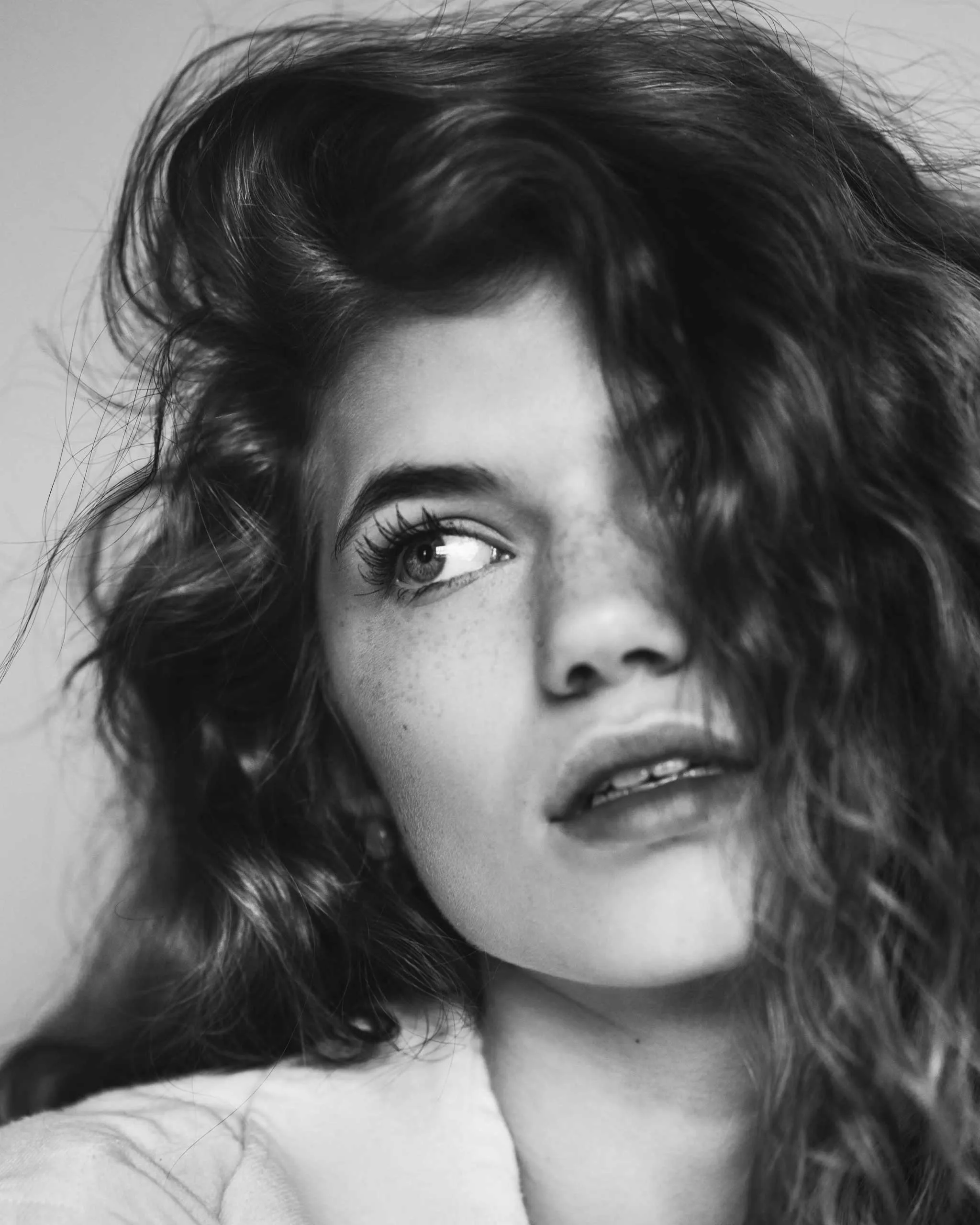
Maria Orlova/Pexels
Embracing your natural curls under the tropical sun can bring its own set of challenges. Vogue Philippines sits down with Tish Mahtani, a textured hair stylist and salon owner, to discuss what you need to know about the Curly Girl Method in the Philippines.
When asked about the biggest misconception about maintaining a curl under the humid skies of the Philippines, Tish Mahtani of Ulo Salon says “many people think they need an extensive routine or expensive products for it to work.”
People with natural wavy to curly hair texture may have heard about the Curly Girl Method (CGM) which has been around and about the internet. Originally developed by Lorraine Massey in the 1990s, the method encourages embracing natural curls while avoiding harsh shampoos, sulfates, and excessive heat. It gained popularity online as curl communities shared tips, routines, and product recommendations, helping many take pride in their natural texture. Some influencers who use this method include Ria Fernandez, Tiff Kang, Rochelle Lumanlan, and Amy Ang.
But here in the Philippines, CGM can be challenging with humidity, constant exposure to sun, and limited access to products designed for tropical climates make maintaining defined, healthy curls a real balancing act.
Vogue Philippines sits down with Tish Mahtani, a textured hair stylist and salon owner, to share her professional insight on what you need to know on doing the Curly Girl Method in the Philippines.
Which ingredients, products, or routines do you find most effective for keeping curls healthy in humid weather?
I often recommend gel-based stylers with strong hold to help seal in moisture and reduce frizz. Layering products correctly, leave-in, then styler, then diffuser. Styling on soaking wet hair makes a huge difference in humidity control. I recommend Curlico, a Filipina-owned brand created to suit the Philippine climate. There are also water-based climate-control curl refresher sprays that redefine your curls in between wash days.
How do you customize curly hair care advice for different curl types, from wavy to tightly coiled, especially in humid conditions?
I focus less on curl type and more on hair density, porosity, and lifestyle. My client’s lifestyle is actually the most important factor for customization. It determines what hairstyle and what products I will recommend moving forward so that upkeep is easy and consistent. In humidity, everyone needs balance, enough moisture to prevent dryness, but enough hold to maintain definition.
From your experience, what’s the biggest humidity struggle for curly-haired clients, and how do you help them overcome it?
Frizz is the biggest struggle, but frizz is often just misunderstood hair asking for better structure and routine. I help clients reframe frizz as a styling or product issue rather than bad hair. With the right hold products, proper drying techniques, and realistic expectations, curls can thrive even in extreme humidity.
For clients new to CGM, what’s the first step you usually recommend?
Understanding that hydration starts in the wash. I also encourage beginners not to overhaul everything at once. Start simple, observe how your hair responds, and build from there.
Can you share a simple, realistic routine that’s manageable for Filipinas balancing work, school, or busy lifestyles?
I stick to three non-negotiables: a gentle cleanser, a hydrating leave-in, and a strong-hold gel. Cleanse a few times a week, apply products on soaking wet hair, and let the hold do the work against humidity.
If you could give Filipinas one piece of advice about CGM in humid weather, what would it be?
Everyone’s hair is different so let go of perfection. You won’t have the same hair every day so learn to have fun with what you have. If it’s a frizzy day, take advantage and experiment with hair accessories. If it’s been consistently unruly then that’s your cue to visit your stylist and favorite salon for a treatment.


