
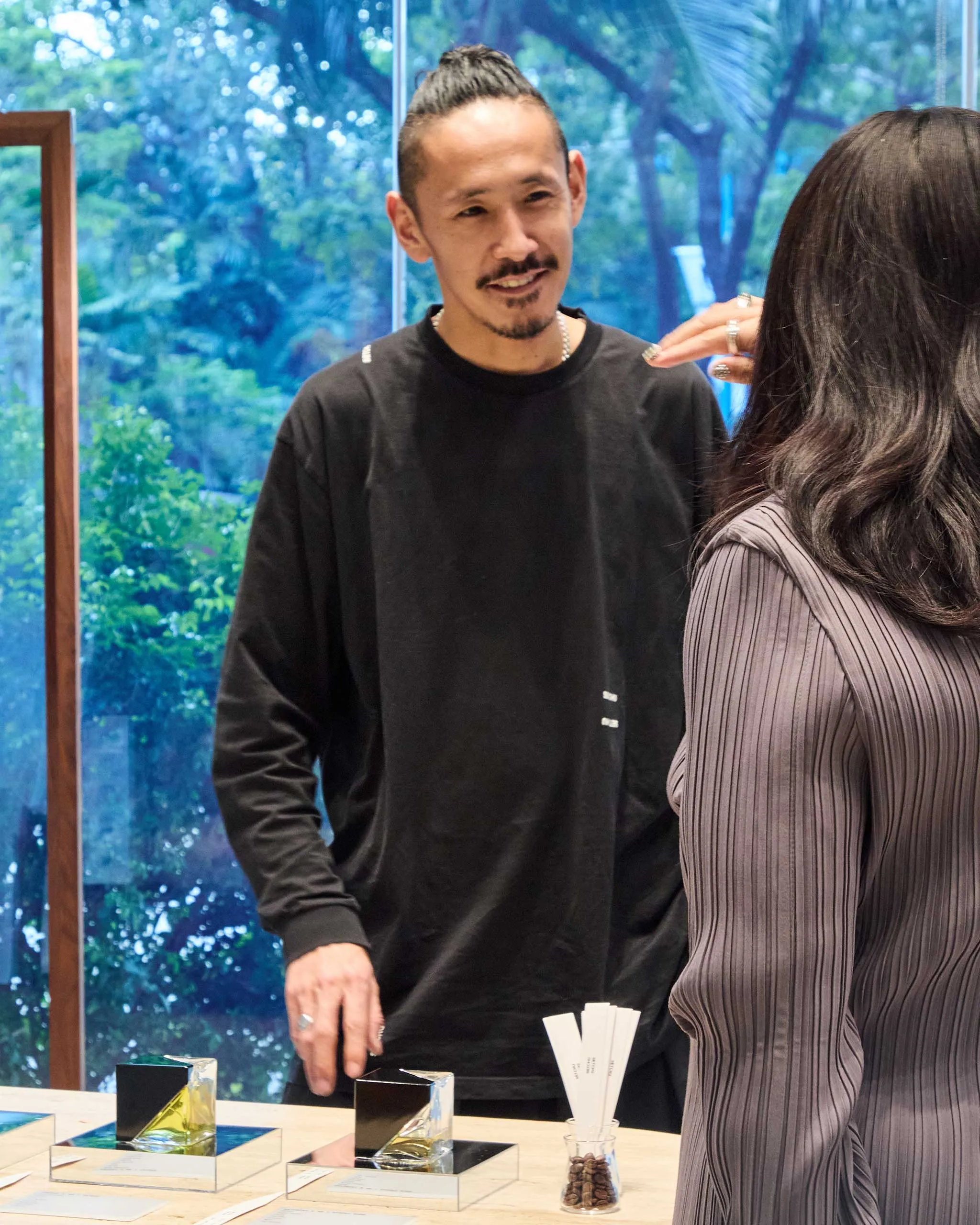
Courtesy of UNIVERS and Setchu
2023 LVMH Prize winner and Japanese designer Satoshi Kuwata of Setchu enters the fragrance market with five olfactory creations inspired by the rituals of his everyday life.
Perfume is a lucrative world. It’s populated by legends and disruptors, heritage houses and radical newcomers, and last year, Setchu entered that arena with assured footing.
If Satoshi Kuwata were a Top Trump, he would be one of the ultimate wild cards in the deck. Born near Kyoto, he began his career in retail at Beams in the suit department, then studied BA Womenswear at Central Saint Martins, which he deferred for one year to be an apprentice in tailoring at Huntsman & Sons on Savile Row. After graduating, he trialed various seats within the industry, testing his instincts in radically different environments: the make-do attitude of Gareth Pugh’s studio, Kanye West’s unlimited budget at Yeezy, the historic codes of Givenchy under Riccardo Tisci, sustainable practice at Edun, and the global scaling of Golden Goose.
In 2020, he founded Setchu. The moniker references ‘Wayo Setchu,’ a 19th-century aesthetic movement that blended Euro-American codes with Japanese design. That philosophy underpins his clothing, where Western tailoring is filtered through an East-Asian avant-garde sensibility and garments are constructed with origami-like engineering, designed to adapt and transform with the wearer.
Although he’s primarily based in Milan, a city renowned for its own hybrid strain of tailoring, bridging the precision of Savile Row structure with the ‘sprezzatura’ softness of Neapolitan style.
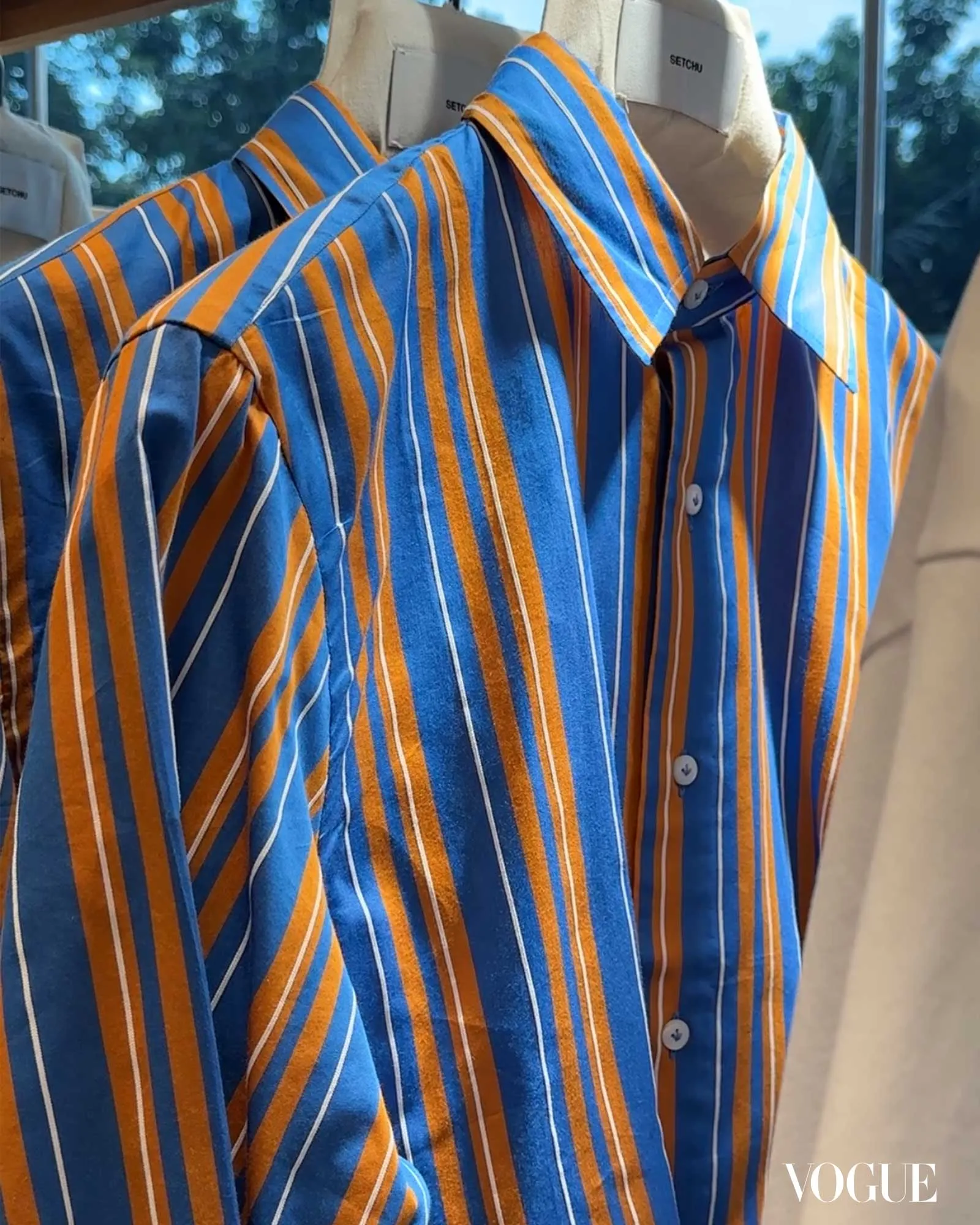
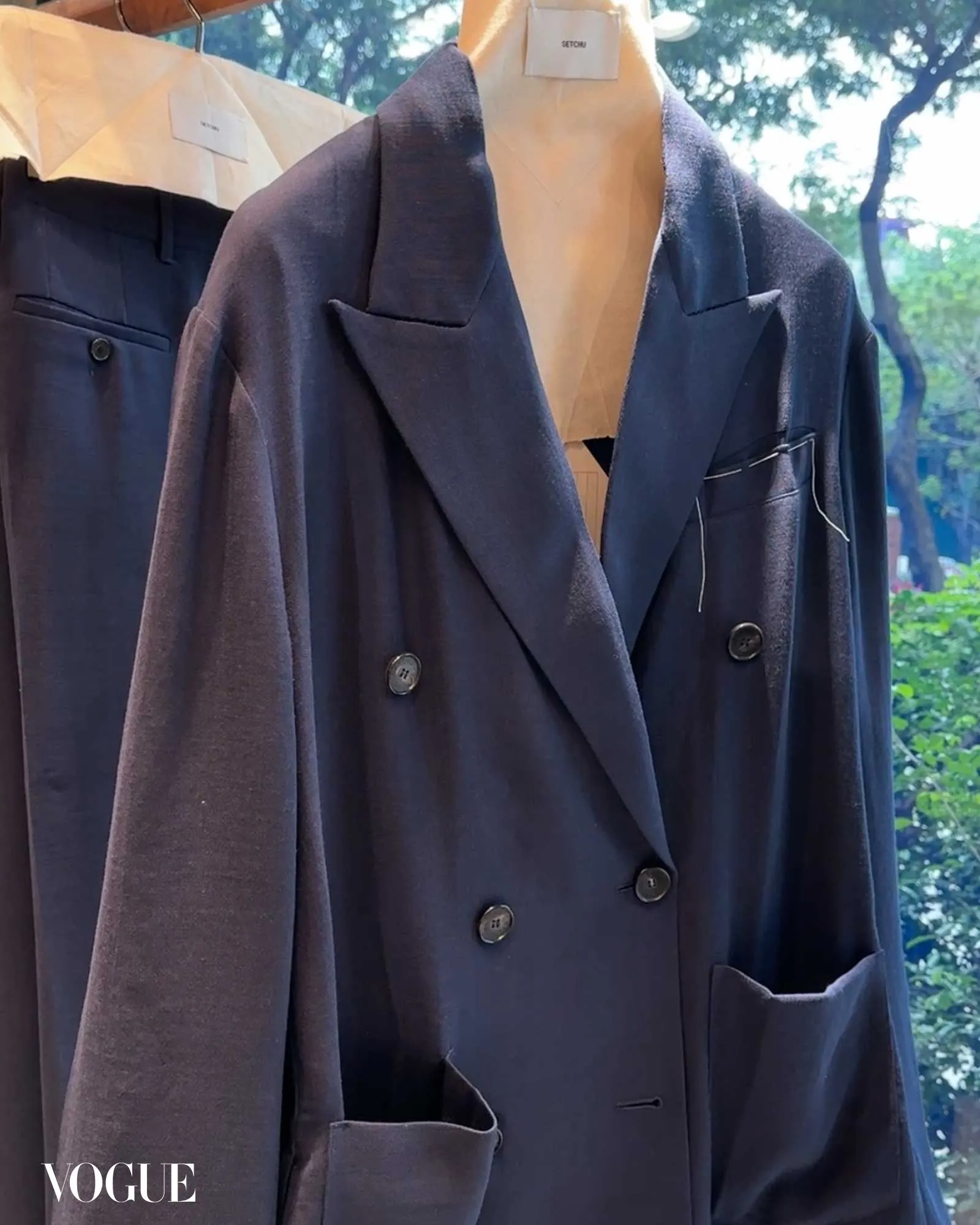
Three years after founding his label, he was awarded the LVMH Prize, cementing his place on the international stage. Today, Setchu is stocked at retailers including Lane Crawford, La Garçonne, Nordstrom, and Machine-A.
Last year, in collaboration with Julie Massé of Mane, one of the most prolific noses in the perfume industry, Setchu expanded into scent with five fragrances, available to pre-order at Univers in Greenbelt and Rockwell. The five fragrances map out a week in Kuwata’s world: Monday 9am Genmaicha, Wednesday 5pm Yuzu, Thursday 1pm Ayu, Friday 2am Tatami, and Saturday 9am Hinoki Buro.
“First one is a Japanese green tea called Genmaicha. Genmai is rice, and that’s the top note. And then the bottom note is Western tea,” Kuwata explains during an in-store presentation of his collection. “So first you spray, you can smell the burnt rice smell. I said burnt because sometimes people think it’s negative, but we made it something with an interesting smell.”
Genmaicha is often described in Japan as comfort in a cup, green tea softened by toasted brown rice. In scent form, it opens nutty and gently smoky, almost savoury, before settling into something rounder and more familiar. The tension between roasted grain and polished tea mirrors Kuwata’s design language: Eastern ritual meeting Western structure.
Citrus, too, is reconsidered. “Yuzu is a classic format of perfumery. We call it a citrus note. We change the citrus into Japanese citrus called Yuzu,” he says. Yuzu is sharper and more aromatic than lemon, with facets that feel fresh and bittersweet. In perfumery, citrus notes often evaporate quickly, but here the yuzu feels deliberate. It captures late afternoon light, crisp air, and the clarity of a moment engaged after work clock-out.
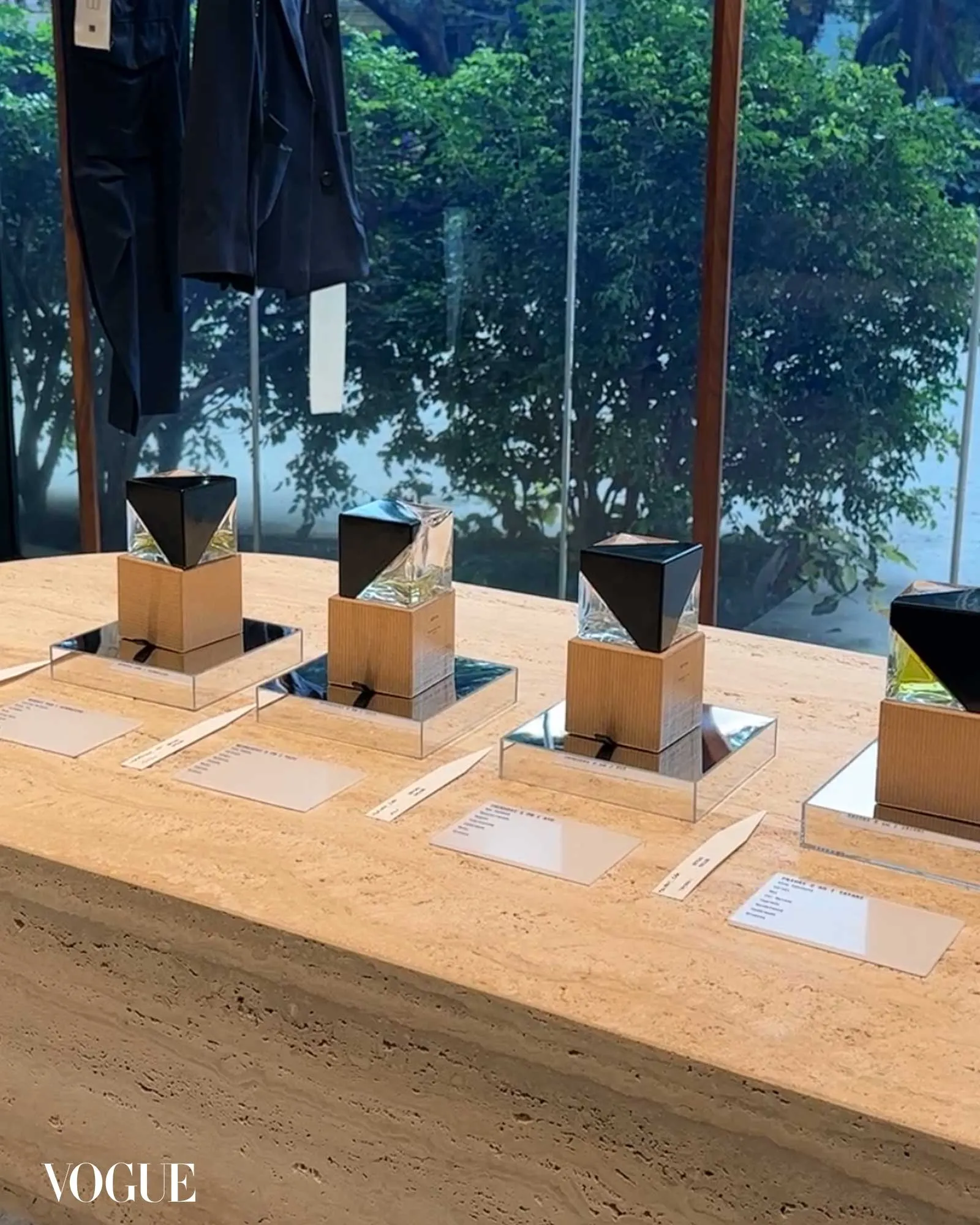
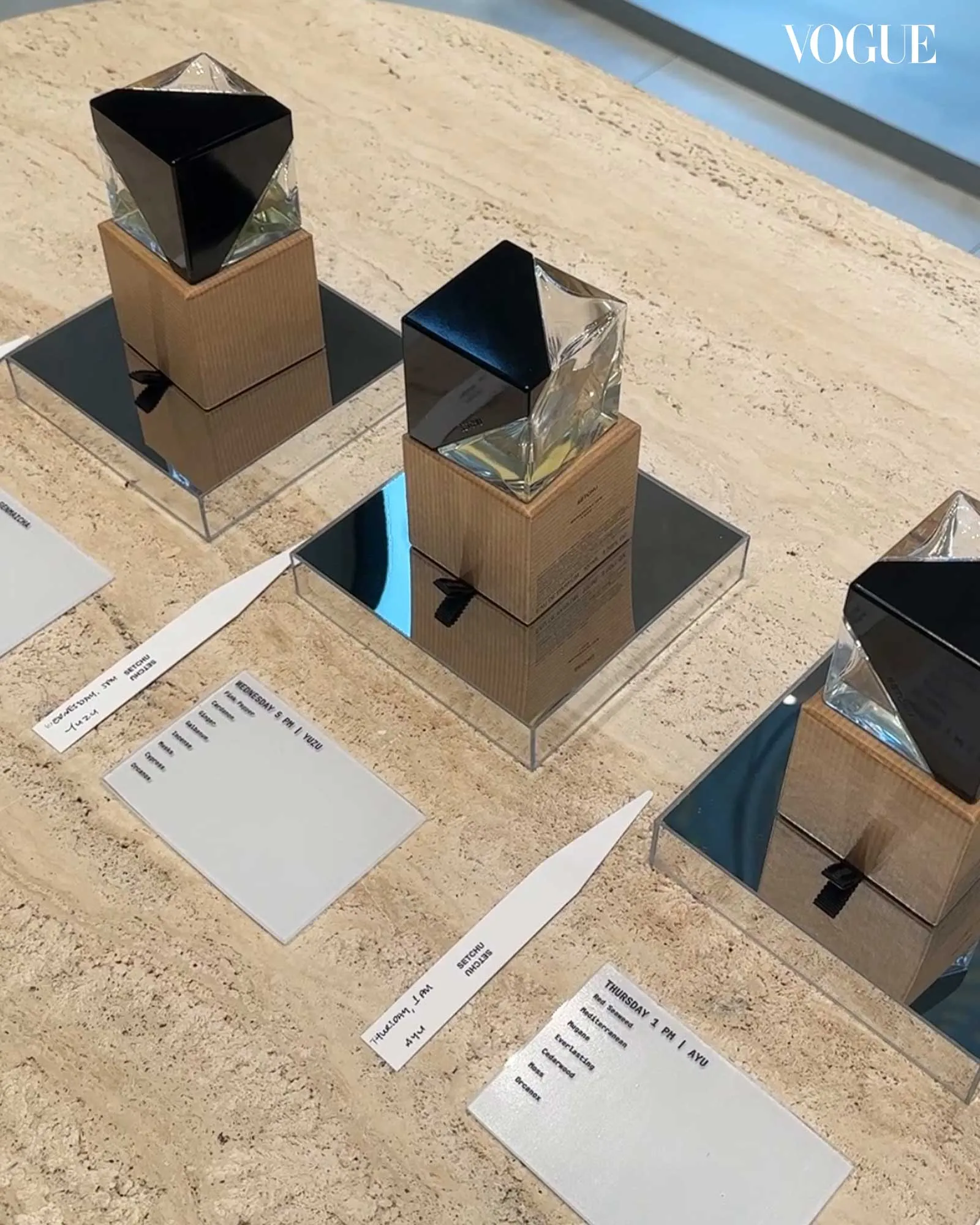
Perhaps the most unexpected composition is Ayu. “We are the first ones to introduce scents inspired by fish. But it doesn’t really smell the fish you think of,” Kuwata notes. “It’s more watery vegetables because this fish, called Ayu, is a Japanese fish. It lives in a beautiful river. They only eat algae or moss from the river. And when you really catch it, smell it, it doesn’t smell like fish at all. It’s more like the skin of watermelon or cucumber.”
Rather than being briny or marine, Ayu leans into translucency, and the scent then shifts continents. “And then the bottom part is I put the smell of the South of France. You have a little yellow flower called an everlasting flower. With some rocks and seaweeds. That’s the smell.” The immortelle note introduces warmth and dryness, as a sun-baked contrast to the river’s clarity, reinforcing Kuwata’s instinct to let geographies converse.
Domestic rituals ground the remaining fragrances. “Tatami is more of an addictive smell. Tatami is the tatami mat you see at the entrance. It’s a classic Japanese bedding material,” he said. “And the bottom part we put something woody, spicy smell. So a mix of something soft and hard smells.”
Bathing culture informs Hinoki Buro. “Hinoki buro is a Japanese bathtub. Also trying to mix Western bath scene such as a shower. So you have a woody top note with some soft, warm steam after shaving. As if someone is coming out from shower room.” Hinoki, the revered Japanese cypress, carries a clean, almost sacred woodiness long associated with temples and bathhouses. Here it rises with steam, softened by warmth, evoking water hitting skin and the quiet luxury of time taken to pause. It is less about cleanliness in the clinical sense, more about renewal.
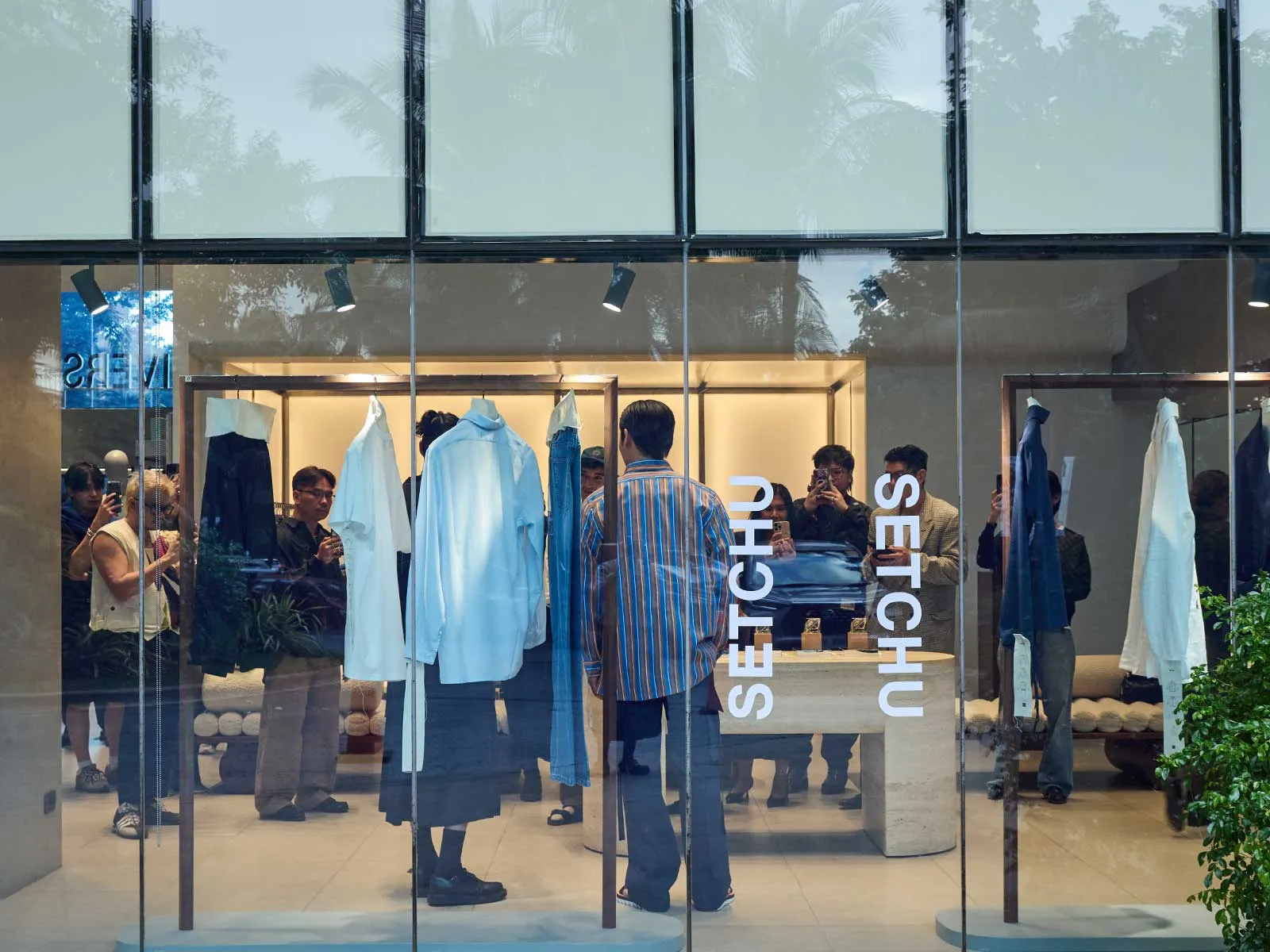
Ahead of his Univers pop-up, Kuwata carved out time to sample a small but tester portion of what Manila has to offer. “One of the things that was really exciting was all my friends kept saying, food is amazing here, food is amazing here. And it was amazing,” he said, clearly delighted by the city’s culinary reputation. Even the traffic defied expectation. “Traffic was a surprise. No, it’s the opposite. Because everyone told me it was going to be really busy, but when I arrived, it was like a Monday, no, Sunday, 7am. So there were not many cars. So I was like, oh, lucky.”
Before departing, he did what many first-time visitors do and traced the city’s history through Intramuros. “I went to the National Museum and a couple of museums in the [Rizal Park] Triangle. I couldn’t get in because there was a long queue. I went to the old neighbourhood with this house…Casa Manila,” he says. “I’m really shocked if you guys haven’t been…you should go!”
And, as always, scent was never far from his mind. When asked to imagine a Manila-inspired fragrance, Kuwata was already thinking ahead, zeroing in on Calamansi, the kitchen staple beloved in almost every Filipino household. “It’s like a citrus, really small one, really sour. It looks like a yuzu, but a small version of it. But you put it in a fish sauce… I want to do something with that,” he said.


