
What Does It Take to Solve Hunger in the Philippines?


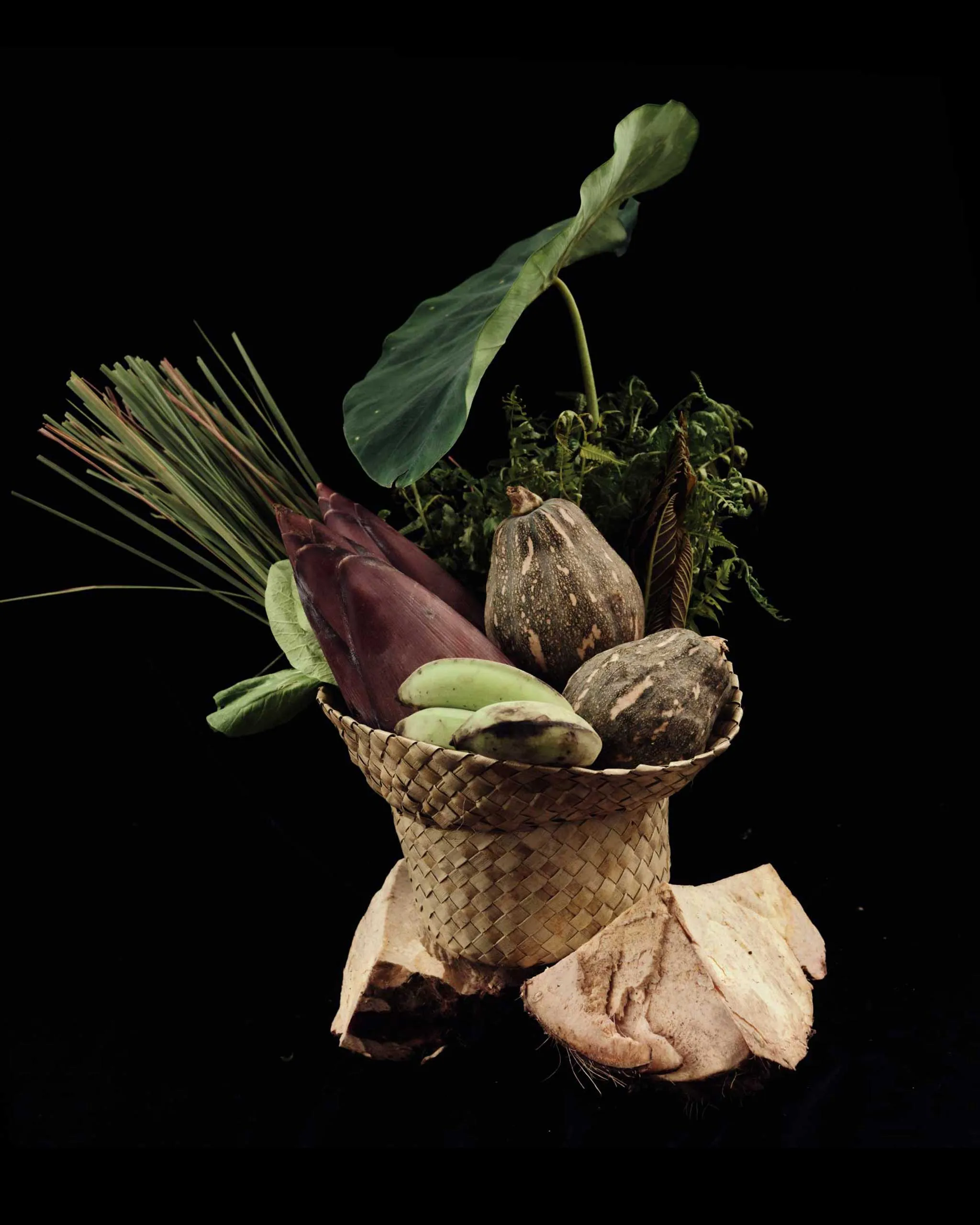
Photographed by Artu Nepomuceno and Archie Geotina for the April 2026 Issue of Vogue Philippines
ARK Solves founder and CEO Ayesha Vera-Yu breaks down how the FeedBack program helps solve hunger in Philippine communities.
Ever since she was young, the spirit of sharing was instilled in ARK Solves founder and CEO Ayesha Vera-Yu. “I still remember my mom saying, ‘If you’re not using it anymore, share it. If you have a lot of it, share it,’” she says, recalling how her mother purged her belongings every six months. Similarly, her husband and co-founder, Jerry Topitzer, also grew up in a household that prioritized sharing and caring, values that carried over into their adulthood, when they were still working in the banking industry.
When the couple reviewed existing models from the 2000s, they disagreed with them. “A lot of the models were handout models,” she says. “A handout is not sustainable. It’s a little bit insulting because it makes you think that you know better than the other people who are dealing with the problem.”
“And third, it’s not sustainable because you didn’t get the buy-in of the other people,” she continues. “And if it’s just an input, an input is just one ingredient. It doesn’t make a meal. It doesn’t create transformation.”
At first, they were interested in helping children get back into education. But once they began talking to their first community, they learned that the root problem is not a lack of school supplies or fixing groups, but hunger. In 2009, when they first found their partner school relationship, they pivoted their focus to food security.

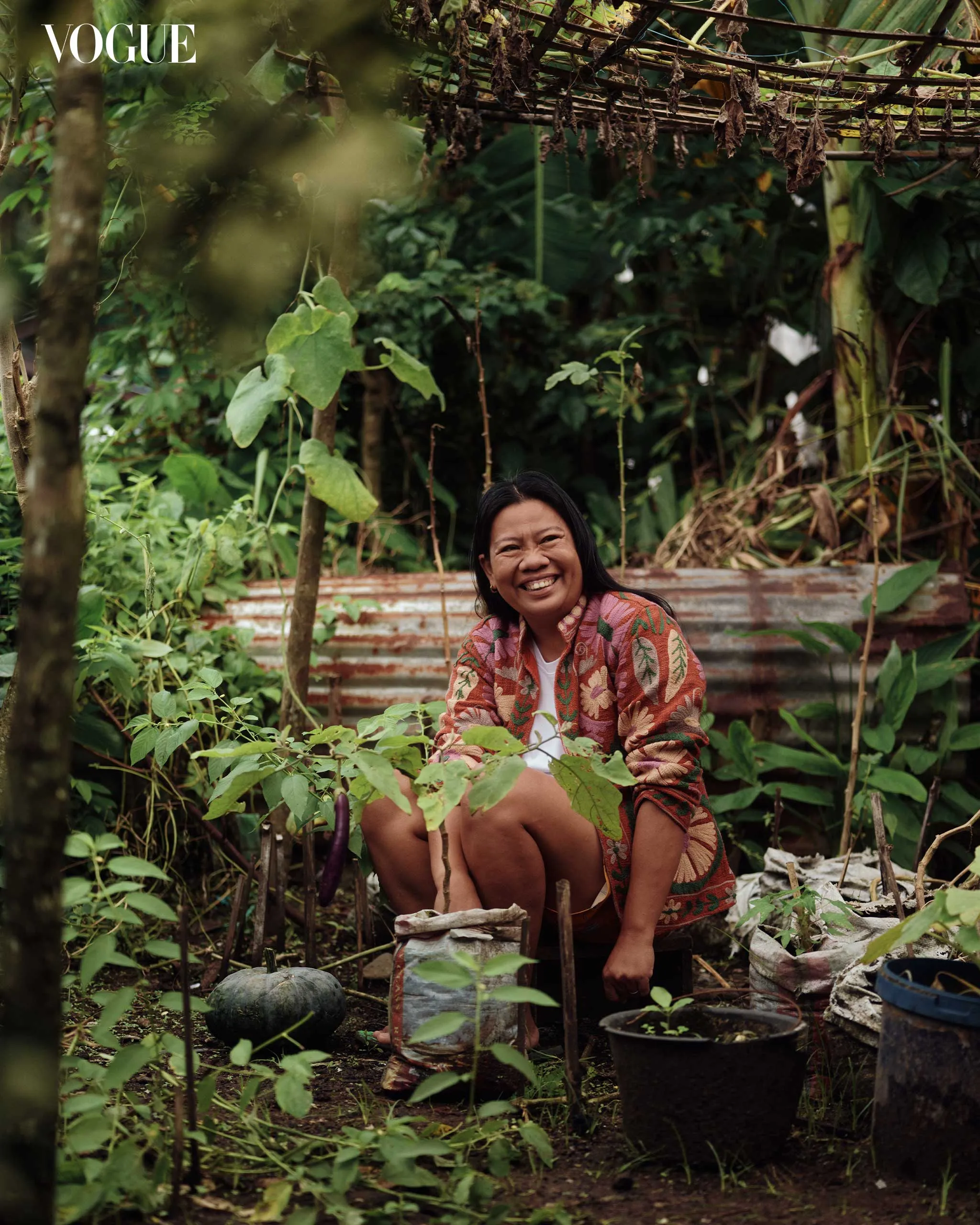
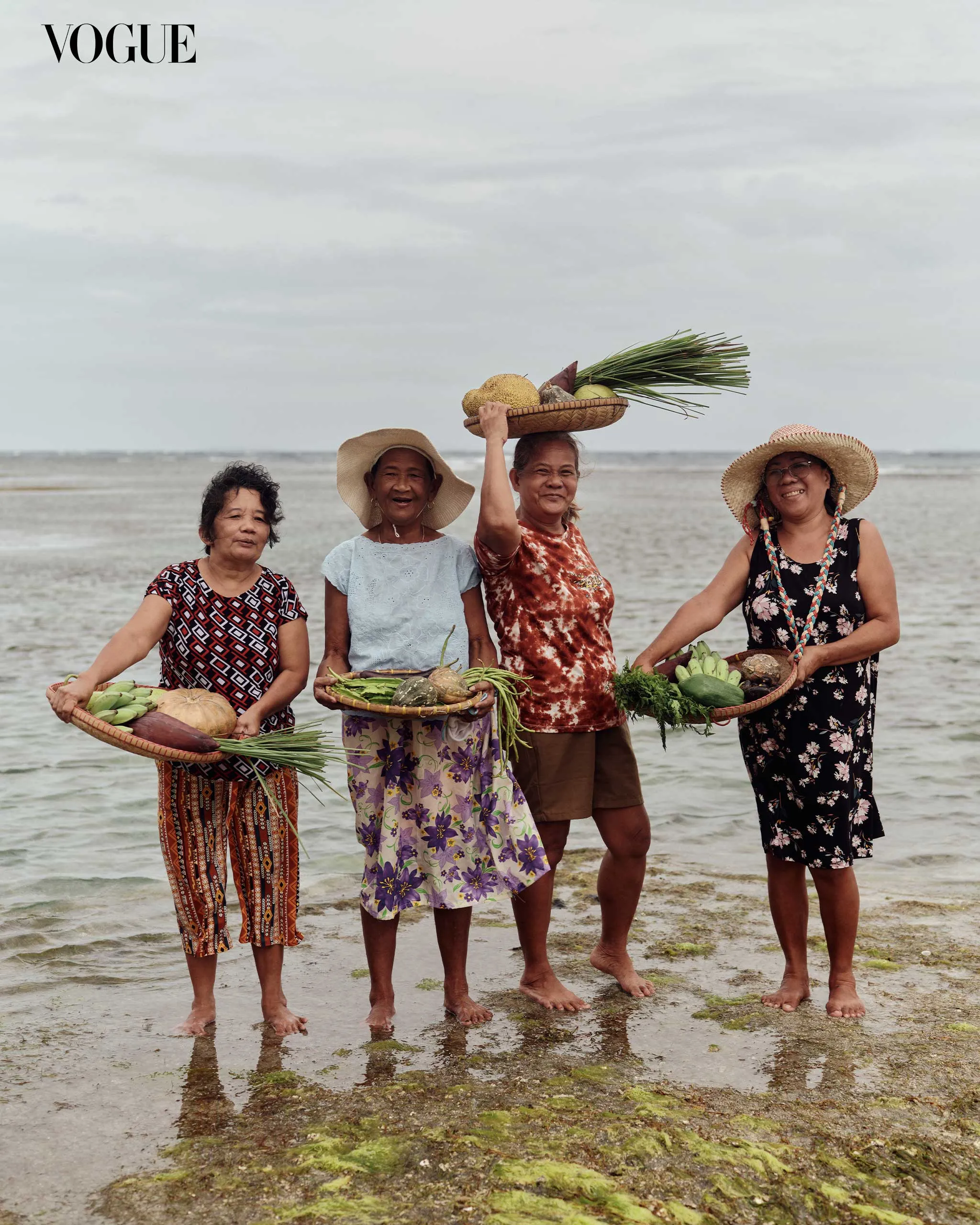
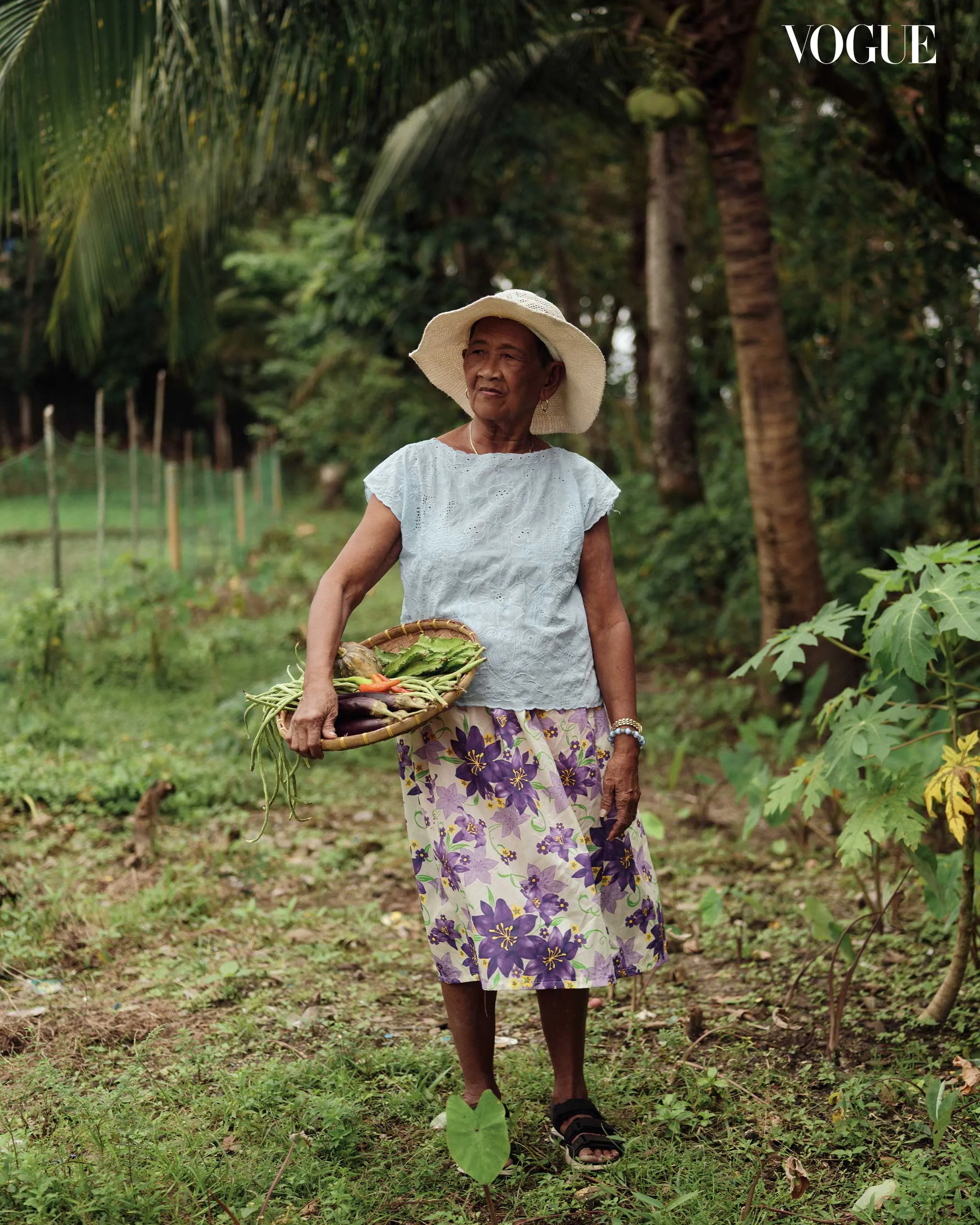
Eventually, this led to the creation of ARK Solves, a non-profit organization that solves hunger and food insecurity by co-investing with rural and urban communities in the Philippines to create self-sustaining food sources. Their flagship program, “Feed Back,” uses a 16-week model encouraging families to grow backyard gardens and exchange produce, creating local, sustainable markets that improve nutrition and income.
The core of the Feed Back group isn’t ARK Solves itself, but the initiative of the communities themselves. “You can’t help someone who doesn’t want to help themselves,” she says. “They say to us, ‘We want to partner with you because we want to be independent.” Once a community expresses interest, ARK partners with the barangays, and each one allocates a budget for the program. Feed Back is then implemented in their own barangay, and managers are hired to help run weekly exchanges, buy raffle prizes, and for communication. “So both the monetary and the most valuable part, which is their time, is an investment,” she says.
“They really have to do the work. And we help guide them. We train them on the program so that they feel confident to implement it on their own,” she continues. “That’s actually what you and me and everyone else who invests in ARK, that’s their biggest gift to our partner communities. It’s this confidence that they can do it and believe in them.”

Once the program begins, it’s the community’s behavioral shifts that help propel the changes. Vera-Yu notes two in particular: leadership and the spirit of sharing. “If they see their leaders working together, that’s a lot. When they see their leaders’ sincerity and wanting to make sure that every family speaks for everyone, that’s a lot,” she says. “And then just being together, whether in good times or in bad times, all that bonds the community. And that makes them stronger.”
Throughout the implementation of Feed Back programs across different communities, ARK Solves learned that it brings them a sense of security, sense of confidence, sense of food security, and the sense of abundance that welcomes new ventures and projects. “In our beta reforestation project, we have a tree survival of over 90%, which is so high,” she says. “I think the reason for that is that we’ve already solved the food issue. We solved the community issue, and we’ve also changed and solved the confidence issue.”

In five to ten years, Vera-Yu foresees that they will be working with all 82 provinces, which will all have their first Feed Back leaders. “I see that for those who have graduated, they will be the first cooperative leaders, and the first leaders of a cooperative, and the first makers of a network of supply for those who, by far, need it most,” she says. “I see that the graduated communities will be the models and will be the examples for other communities in other parts of the developing world to do Feed Back.”
The latter is already slowly happening. ARK Solves has begun consulting with other global communities, creating food security solutions customized for corporations, so that they can partner with their suppliers and make sure that farming families can stay in farming.
Which is part of the reason why, for Vera-Yu, solving hunger is the key. “You won’t have families that break apart because of the weather. You wouldn’t have families where there’s someone sending money abroad to help you guys,” she says. “You would have a place that you could call home.”
- How Communities in Sorsogon Are Reclaiming a Filipino Tradition of Care
- A Tale of Harvest Set in Sorsogon, Where Community Nurtures the Land
-
Meet Charissa Bigornia, the Filipina Model Who Made It as a Vogue Open Casting Finalist
- How TOQA Founder Isabel Sicat Dressed 120 Cultural Actors for the Fourth Thailand Biennale
Frequently Asked Questions
The Feed Back program is a self-sustaining initiative that eliminates food insecurity through a structural 16-week co-investment blueprint. It trains families to cultivate backyard vegetable gardens and establish local produce exchange networks, breaking reliance on short-term food handouts.
Rather than receiving free resources, local barangays must allocate an official financial budget to codevelop the program. These decentralized municipal funds pay for local program managers, weekly trading exchange infrastructure, and community communications.
The organization considers traditional handouts unsustainable because they lack community buy-in and treat symptoms rather than root causes. Temporary food inputs do not provide the structural skills, confidence, or long-term behavioral changes required for lasting independence.
By establishing food security and community confidence first, ARK Solves achieved an exceptional survival rate of over 90 percent in its beta reforestation project. Secure food sources allow community members to dedicate time to ecological conservation.
Within ten years, the non-profit aims to expand into all 82 Philippine provinces. Graduated communities are projected to form regional agricultural cooperatives and supply networks, serving as self-sufficient blueprints for farming communities across the developing world.