
From Local Delicacies to Landscapes, Here’s What Bohol Has to Offer on Your Next Visit


Photographed by Mcaine Carlos
As the first UNESCO Global Geopark in the Philippines, Bohol is recognized for its landscapes and cultural heritage, seen in the many places and experiences across the island and nearby areas.
As the first UNESCO Global Geopark in the Philippines, Bohol Island is recognized for its unique geological features, including the Chocolate Hills, karst landscapes, and the Danajon Double Barrier Reef, which together reflect over 150 million years of geological history.
In an interview with Vogue Philippines, Joanne Pinat, UNESCO Geopark Program Manager, explains that Bohol “focuses on conservation, protection of geoheritage that are of international significance, and using it to educate the young ones and people to conserve these geoheritage.” She adds that beyond the province, there is also an intention for other communities in the Philippines and beyond to look at and adapt Bohol’s approach to sustainable development.
While Bohol is widely known for the Chocolate Hills and the white-sand beaches of Panglao Island, its cultural identity extends beyond its most recognizable landmarks. Across the province, communities have also found ways to weave heritage into everyday experiences, from food and drinks to local spaces and crafts. Here are a few other places and experiences to explore when visiting Bohol.
The Chocolate Chamber (TCC)
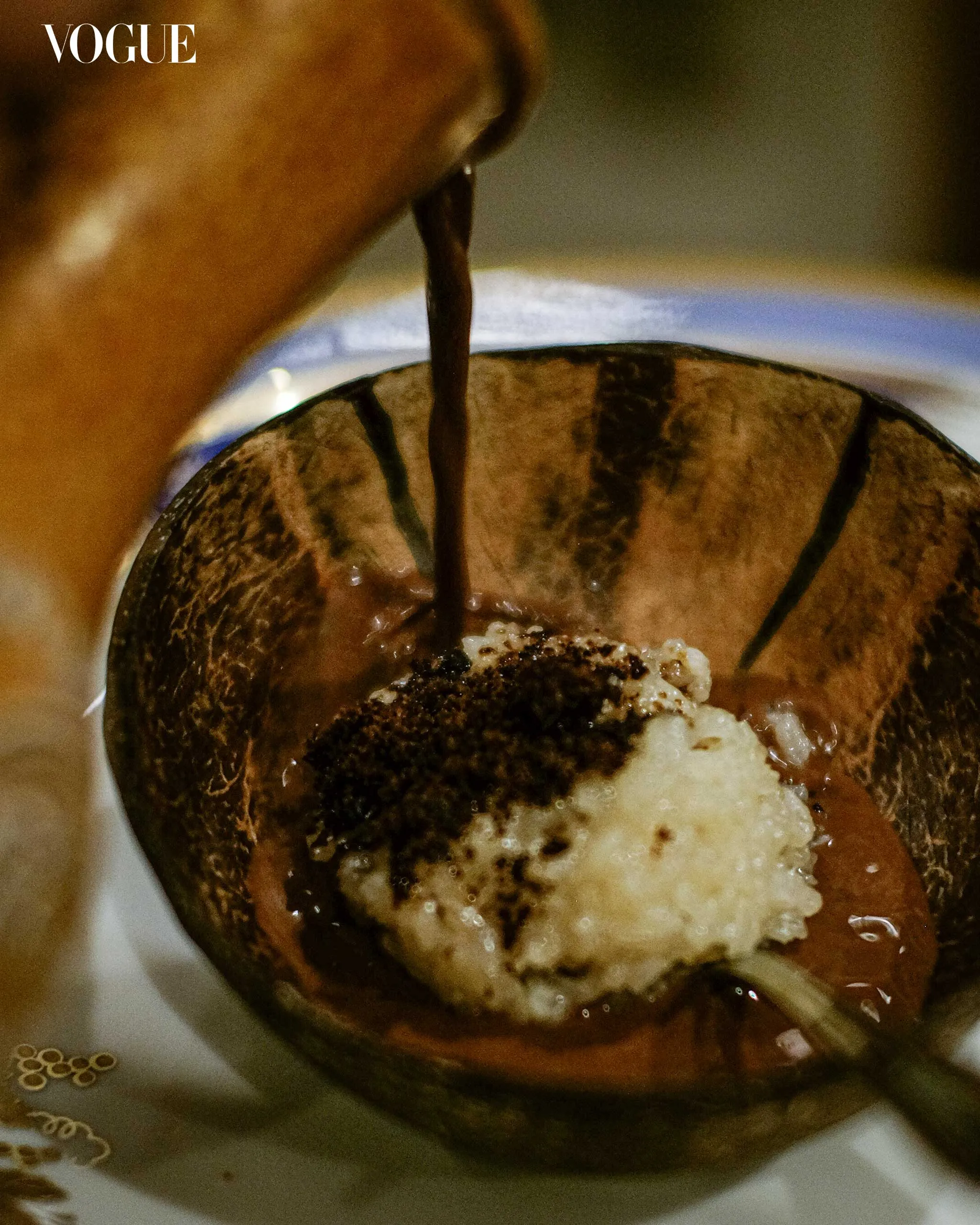
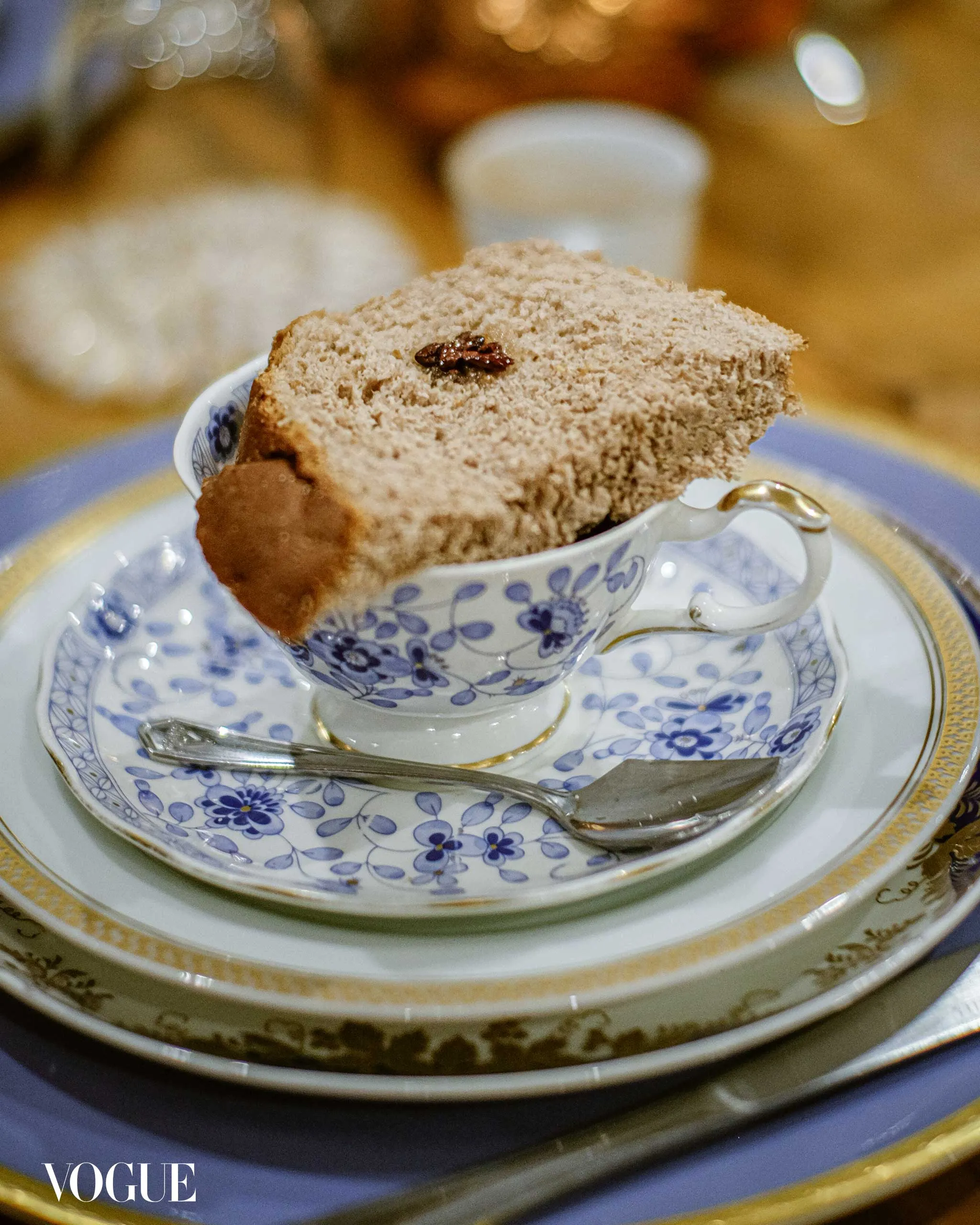
Known for its cacao-based products, from tablea and cacao nibs to truffles and hot chocolate mixes, The Chocolate Chamber (TCC) brings Philippine cacao into a café setting in Panglao. Its branch at Moadto Strip Mall marks its presence in Bohol, where it continues its focus on locally sourced cacao and tablea-based products.
Founded by Raquel Toquero-Choa of Ralfe Gourmet Inc., often called “The Chocolate Queen,” the brand is rooted in her work with Filipino cacao and traditional tablea-making. At its core, TCC builds on how chocolate is already part of local food culture, especially through tablea-based drinks that are familiar across many Filipino households.
At its Panglao branch, the menu includes hot and cold chocolate drinks, tablea beverages, pastries, cookies, cakes, and cacao-infused dishes, showing how cacao can move between everyday comfort and more café-style interpretations.
Alicia Panoramic Park
Set in the upland town of Alicia, the park, also known as the Binabaje Hills, is known for its sweeping, 360-degree views of rolling limestone formations. Rising to around 400 meters above sea level, the hills are covered in cogon grass that shifts with the wind, giving the landscape a soft, textured appearance.
Beyond its views, the area is also noted for its geological significance. The formations are composed of the Alicia Schist, considered the oldest rock unit in Bohol, dating back to the Late Jurassic to Early Cretaceous period. Today, it is a popular trekking destination, with trails leading to viewpoints overlooking the surrounding valleys.
Tamper Coffee and Brunch
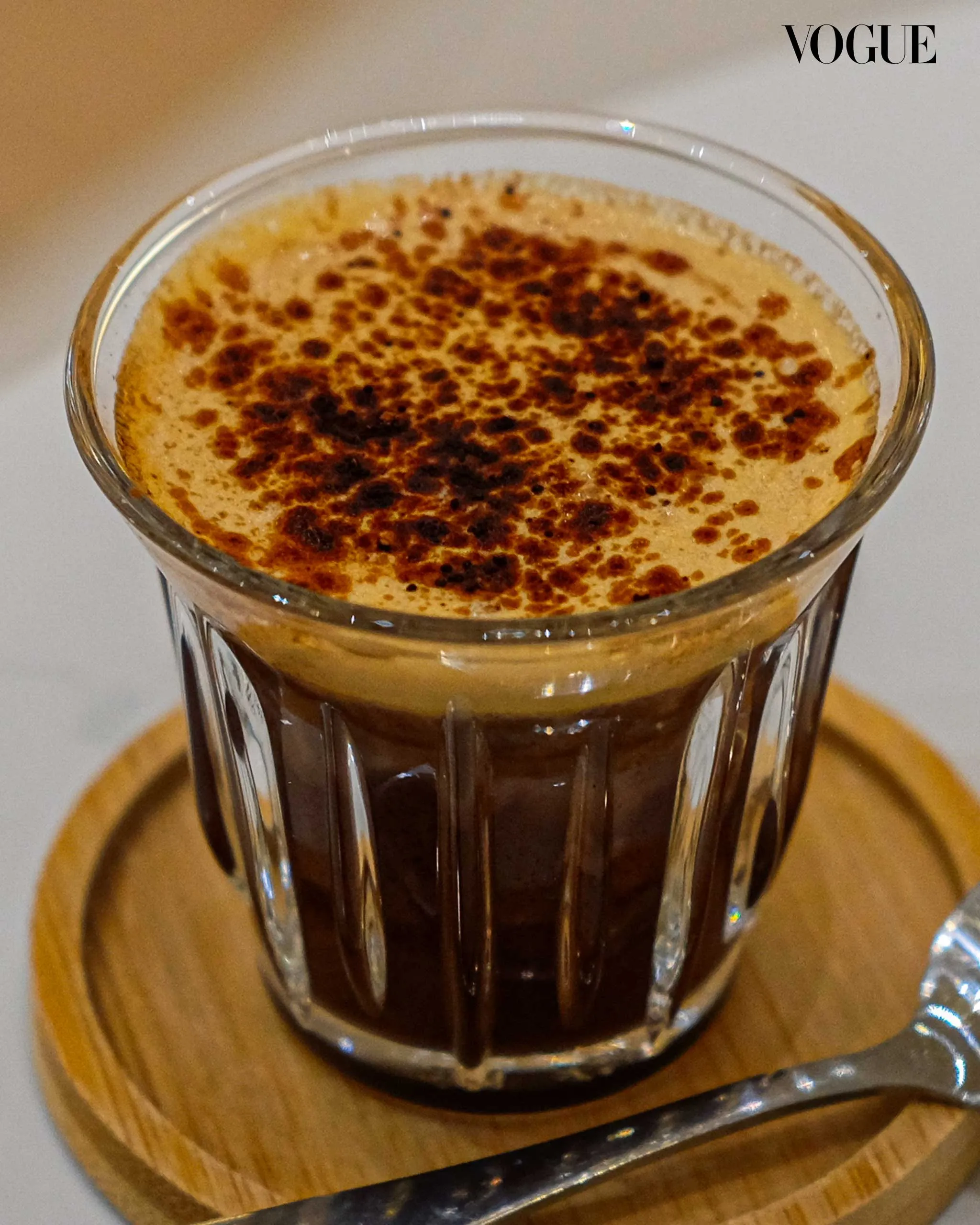
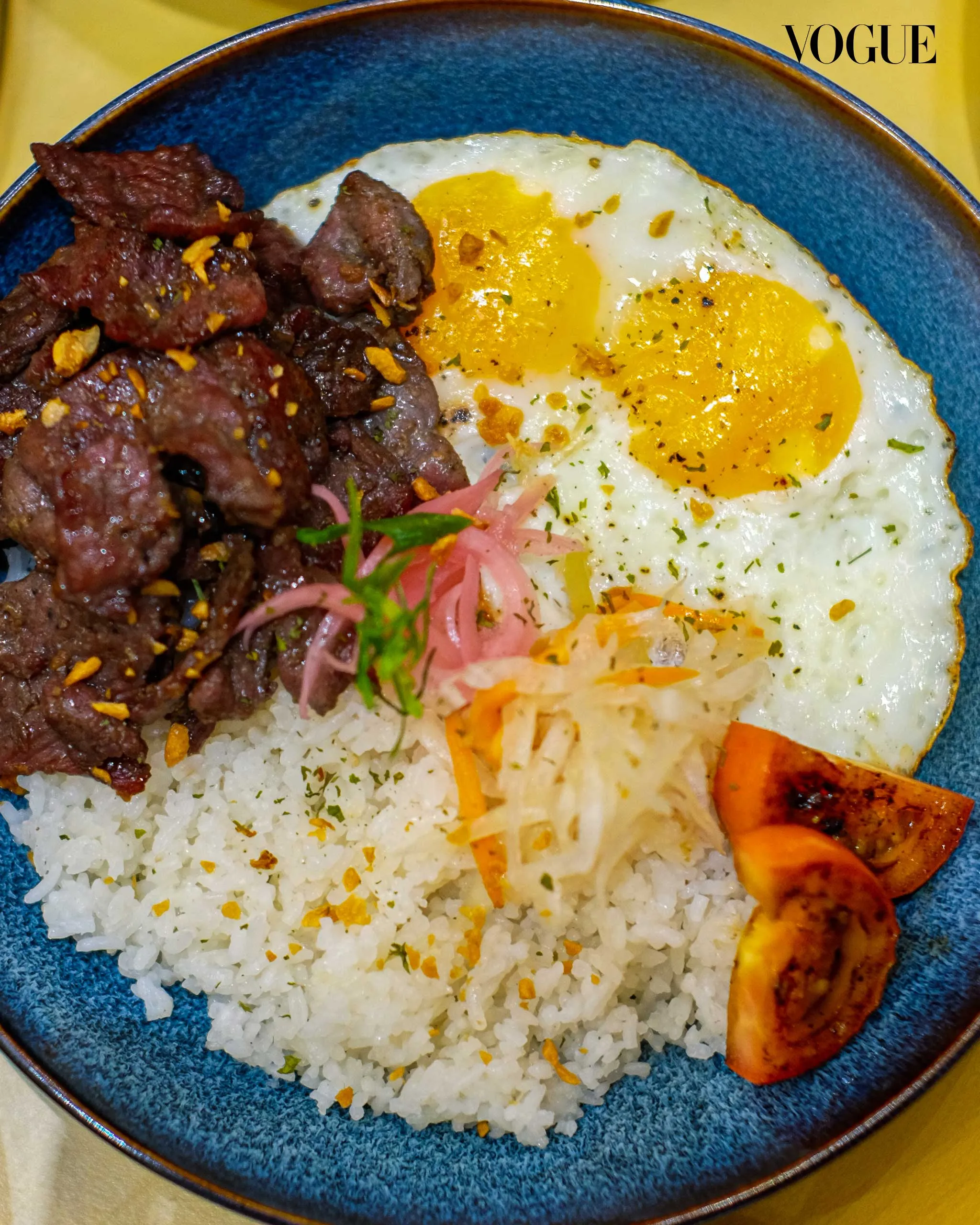
Located at Bellemar Lifestyle Center in Panglao, Tamper Coffee and Brunch takes its name from the coffee tamper, a tool used to compress ground coffee before extraction. The café was inspired by the comfort food preferences of its founder VJ, along with his wife and sister, and serves a menu shaped by familiar flavors and evolving café trends. Chicken and waffles remains one of its most popular dishes since opening. One of its signature drinks is the Lamaw Espresso, which combines coffee with coconut water.
Loboc River
Flowing through the town of Loboc, this river is one of Bohol’s most visited natural attractions, known for its calm green waters and forest-lined banks. River cruises are a popular way to experience the area, often featuring local music performances and traditional Filipino meals served on board.
Long before tourism, the river already played a vital role in the lives of early communities. During the Spanish colonial period, its navigability, access to fresh potable water, and inland location made Loboc a strategic settlement, offering protection from coastal raids. It later became one of the early centers of Spanish presence in Bohol, where a Jesuit seminary was established and where education, music, and the arts began to take root in the community.
Animula
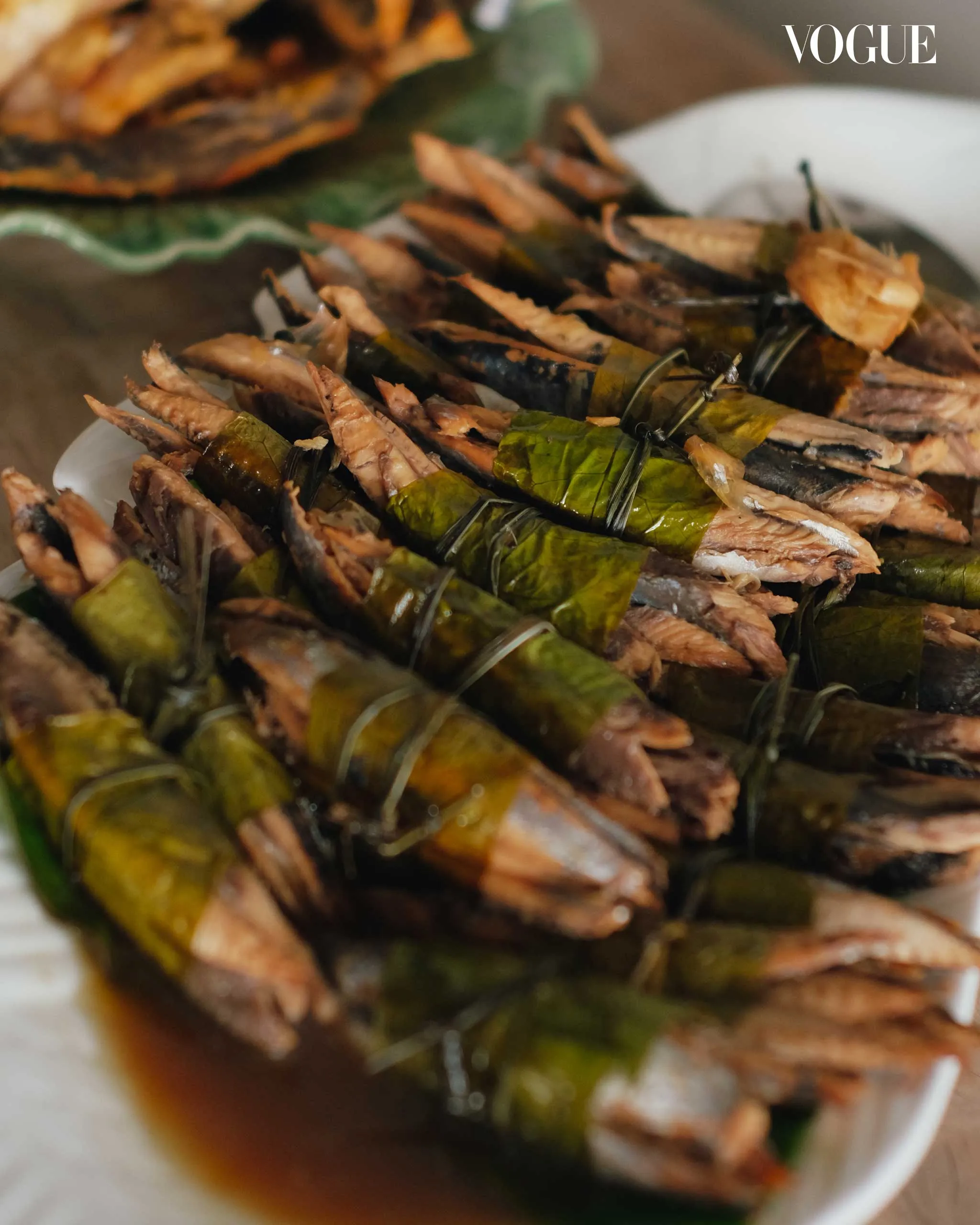
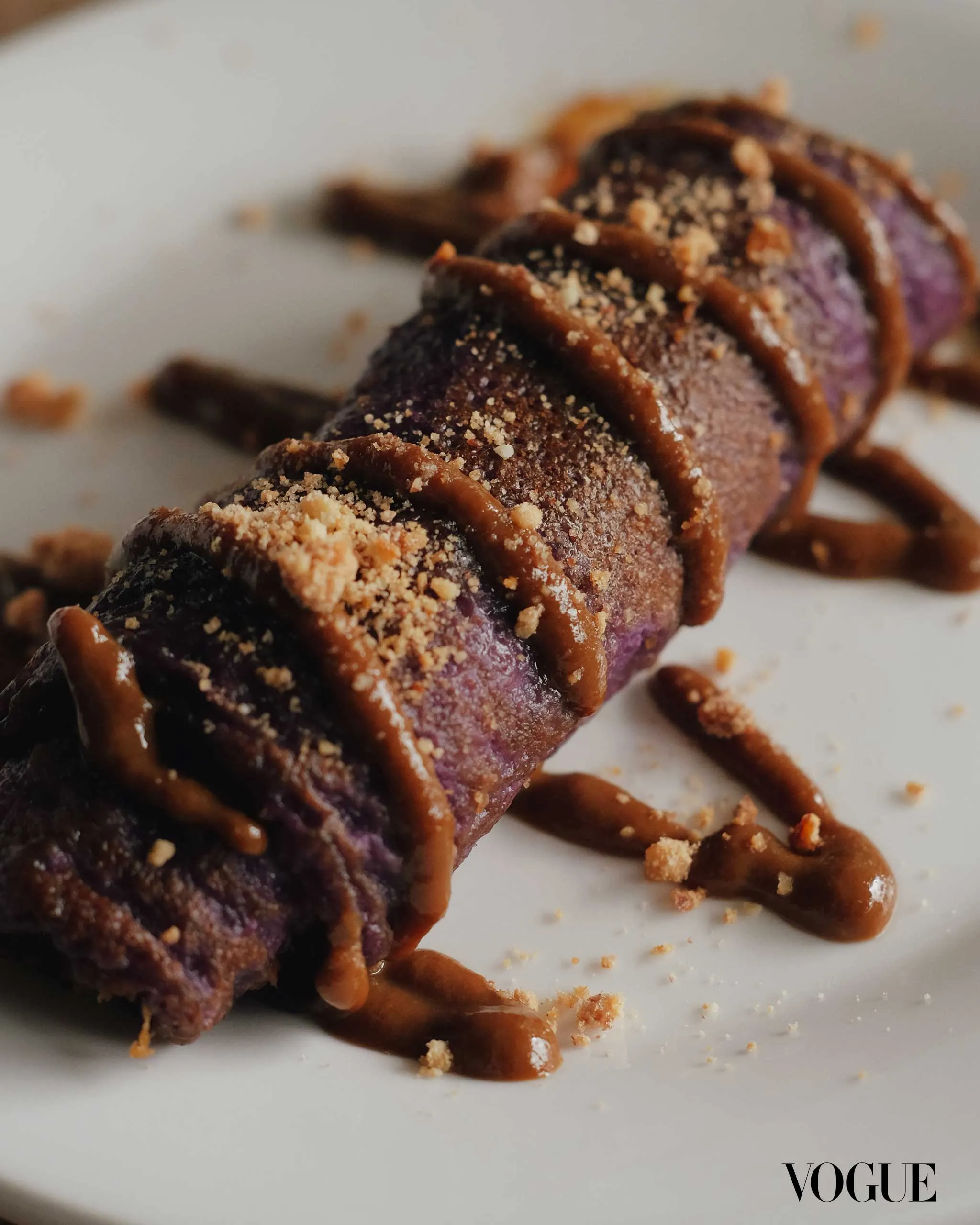
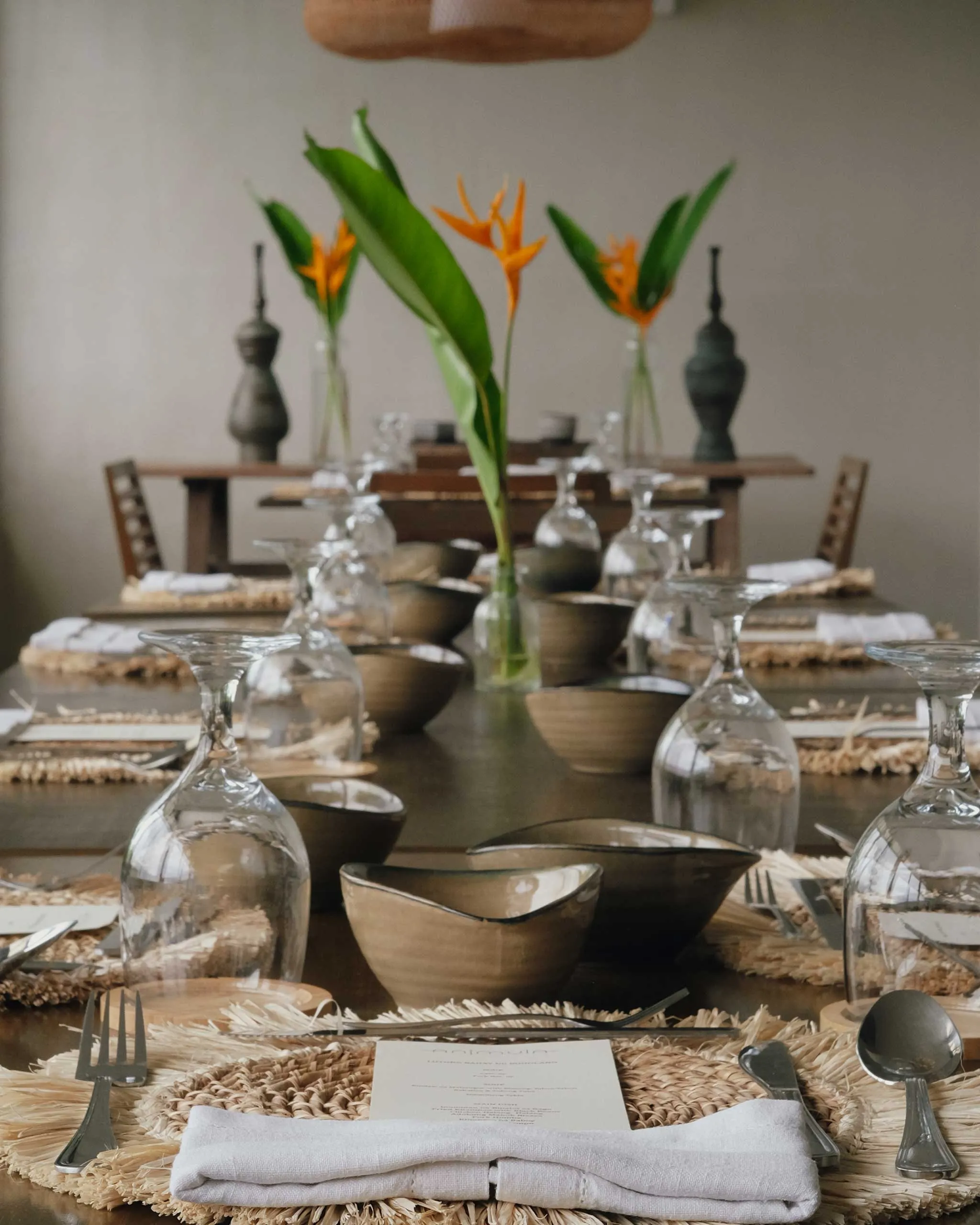
Situated between Tagbilaran City and Panglao Island, Animula is a modern culinary tasting room and social space founded by Emma Gomez. The concept stems from Gomez’s curiosity about Francisco Dagohoy, particularly his life during the period of resistance, including the food culture of his time and what Boholano cuisine may have looked like then.
Gomez studied culinary arts in Singapore and later lived in Japan for several years, experiences that inform the restaurant’s use of Japanese techniques. She works in partnership with Jeff, a local from Bohol, who brings knowledge of regional ingredients and sourcing.
Animula focuses on contemporary interpretations of Boholano cuisine using locally sourced seafood and produce. Its approach blends Japanese techniques with local ingredients, with dishes such as Nilubihang Awang, Nilubihang Langka, Pinakupsan, and Bas-uy.
Anda Beach
Located in the municipality of Anda in southeastern Bohol, the area is known for its long stretch of powdery white sand, clear waters, and a coastline that feels less developed compared to more commercial beach areas on the island. Its main shoreline, Quinale Beach, is known for its fine sand and calm, crystal-clear waters, and is often mentioned alongside beaches like Boracay, El Nido, and Puerto Galera, while still keeping a more relaxed pace.
Originally called Quinale, the area takes its name from the land formation made up of sand, gravel, and coral that slowly built up over time through natural coastal processes. Once a barrio of Guindulman, it became an independent municipality on March 12, 1875 and was later renamed Anda, a name said to mean “walking” or “moving forward” for future generations.
Tubigon Raffia Gallery
Located in the town of Tubigon, the gallery presents the local raffia weaving industry, a traditional craft in the area. It features handwoven textiles, accessories, and household items made primarily from fibers taken from the shoots of the buri palm. The products are created by hand using indigenous weaving methods, making raffia weaving both a cultural practice and a source of livelihood in Tubigon.
KASAMA Asin Tibuok
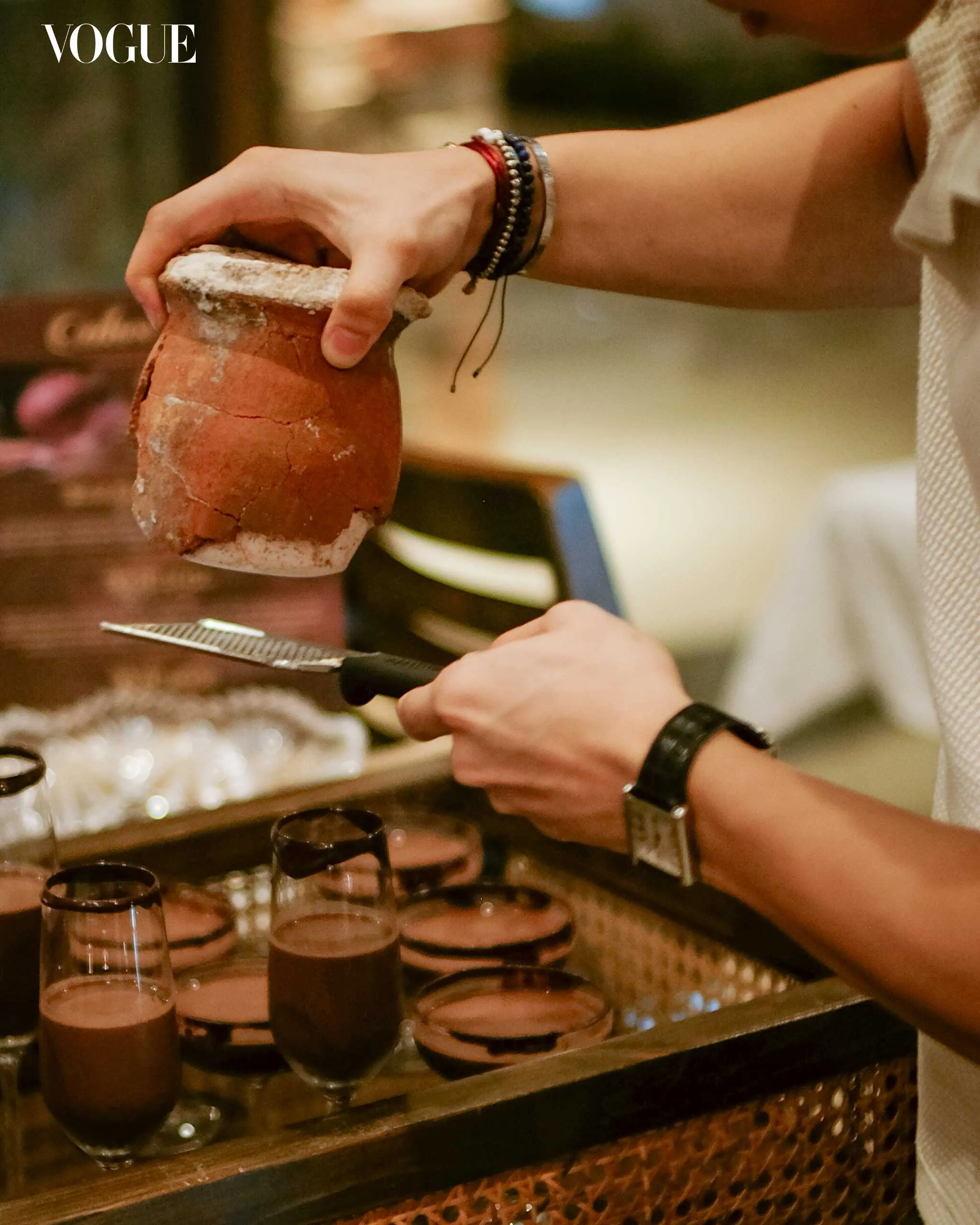
In Alburquerque, the traditional practice of making Asin Tibuok continues through Kapunongan sa Mang-Asinay sa Alburquerque (KASAMA), a group of local salt makers. Asin Tibuok is made by filtering seawater through ashes from burned coconut husks, then boiling the brine in clay pots until it hardens into a solid dome of salt. KASAMA leads the production of this rare variety, which is closely tied to Bohol’s coastal communities and traditional knowledge.
The practice of making Asin Tibuok was recently included in the UNESCO List of Intangible Cultural Heritage in Need of Urgent Safeguarding, making it the first Philippine traditional food process to be recognized in a UNESCO intangible cultural heritage list.
Can-umantad Falls & Cadapdapan Rice Terraces
Located in Candijay, Can-umantad Falls is known as the tallest waterfall in Bohol, dropping at around 60 feet. Its name is believed to come from “can-uman,” meaning sixty, which refers to its height. The falls sit within Barangay Cadapdapan and can be reached through a short trek, about 14 to 15 kilometers from the town center.
Just nearby are the Cadapdapan Rice Terraces, which spread across several hectares of hillside in the same barangay. The terraces are part of the same river system as the falls, fed by the Cadapdapan River, which connects the landscape in a continuous flow from upland farms to the waterfall below. Formed from old eruptive sites that were later turned into farmland, the terraces change with the seasons, shifting from green fields during growth to golden tones during harvest, a rhythm that locals often associate with both abundance and care.
Jagna Market
Located along Bohol’s southern coast, Jagna is one of the province’s active trading towns, with a public market and port that stay busy with goods coming in from nearby communities. The market is especially known for local food products and regional delicacies, including calamay, a sticky rice treat traditionally packed and sold in coconut shells.
But Jagna isn’t just about its famous sweet. The town also has a Spanish-era church known for its Baroque architecture and painted ceiling frescoes, adding a bit of history to an otherwise lively coastal stop. At its core, the market also serves as a trading hub for fresh produce and seafood, making it a daily meeting point for both locals and nearby towns.
Frequently Asked Questions
Bohol is the first UNESCO Global Geopark in the Philippines, recognized for geological features including the Chocolate Hills, karst landscapes, and the Danajon Double Barrier Reef, which together reflect over 150 million years of geological history.
Asin Tibuok is a traditional Bohol salt made by filtering seawater through burned coconut husk ashes, then boiling the brine into a hardened dome. Produced by the group KASAMA in Alburquerque, it was recently added to the UNESCO List of Intangible Cultural Heritage in Need of Urgent Safeguarding.
Loboc River is known for its calm green waters and forest-lined banks, with river cruises featuring local music and traditional Filipino meals served on board. Historically, it served as a strategic Spanish-era settlement and an early center of education, music, and the arts in Bohol.
Anda Beach, centered on Quinale Beach in southeastern Bohol, is known for its fine white sand and calm, clear waters, offering a less developed and more relaxed alternative to Panglao’s more commercial beach areas.
Animula is a culinary tasting room founded by Emma Gomez, inspired by the food culture surrounding Boholano resistance leader Francisco Dagohoy. It blends Japanese culinary techniques with local ingredients, serving dishes like Nilubihang Awang and Pinakupsan using locally sourced seafood and produce.
- Culinary Visions: How Tagaytay Chefs Make Australian Lamb Their Own
- The Romantics: Chefs Jayjay Sycip and Rhea Sycip on How Love Informs the Work at The Fatted Calf
- At Chie Chie’s in Makati, a Tuguegarao Noodle Dish Earns Michelin Recognition
- Beyond Birrias And Burritos, OnlyPans Taqueria Wants to Serve Community and Country