
At Finale Art File, Filipino Artists Draw From Faith, Folklore, and the Natural World


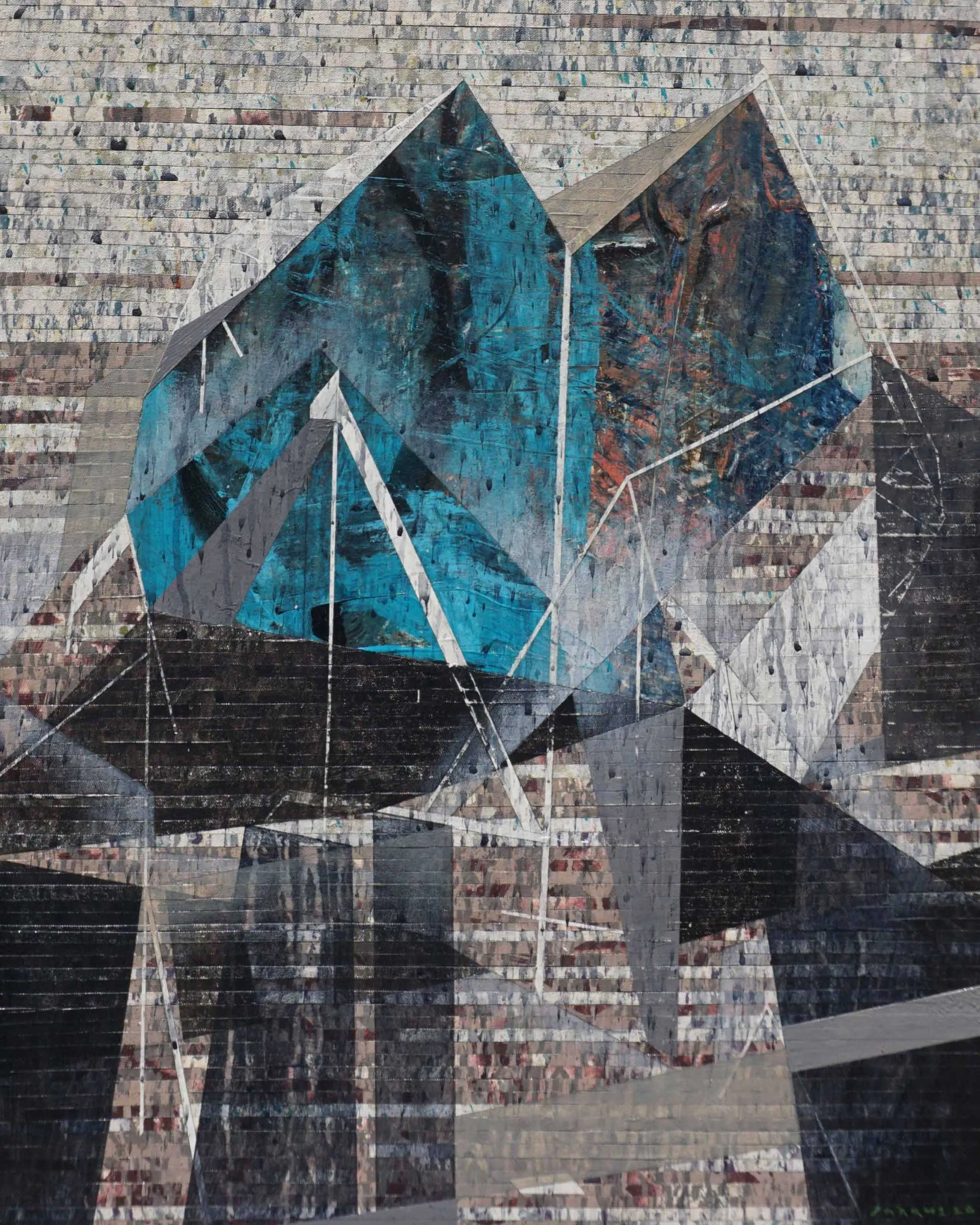
Synthesized Shelter (2026), Eugene Jarque. Courtesy of Finale Art File
In their March 2026 exhibitions at Finale Art File, featured artists Pete Jimenez, Mac Valdezco, and Eugene Jarque turn to belief systems rooted in faith, folklore, and lived environment.
Different techniques and materialities greet you as you step into the spaces of Finale Art File, where the works of featured artists for March 2026, Pete Jimenez, Mac Valdezco, and Eugene Jarque, are on view.
As the month comes to a close, each artist reflects on the ideas behind their practice and the ways their works speak to one another. Jimenez shares the biblical inspiration behind the installation “You Are the Apple of My Eye.” Valdezco, through the series“Taga-Silim,” looks back on her shift from richly saturated hues to a more introspective exploration of yin and yang. Meanwhile, Jarque, through the series “See the Sun,” shapes his visual language through the quiet influence of the environment of his home.
The artists sit down with Vogue Philippines to talk about their individual journeys, how their exhibitions came to life, and how their practices have evolved over the years.
Pete Jimenez, “You Are the Apple of My Eye”
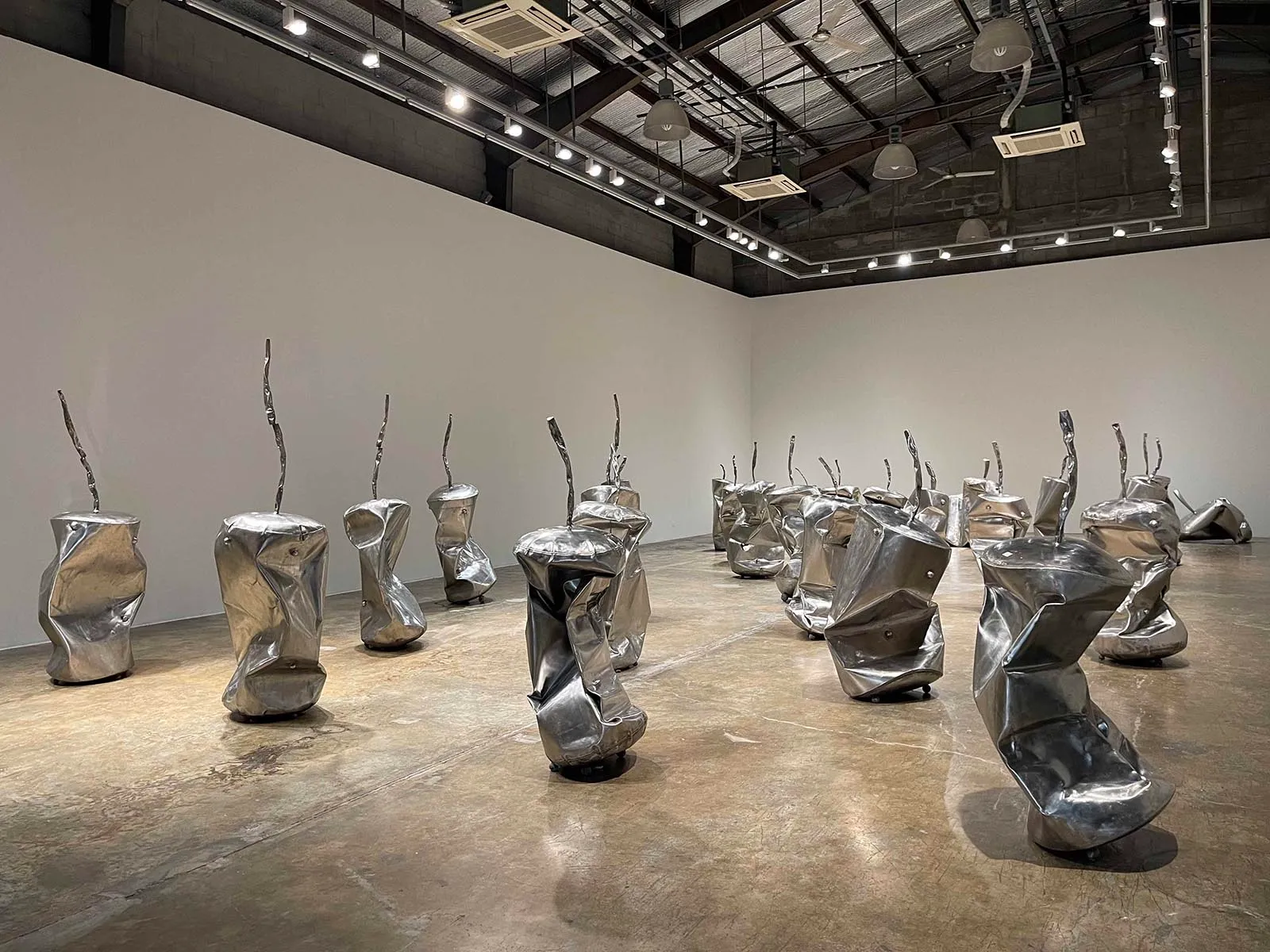
Tracing the roots of his concept, Pete Jimenez shares that “You Are the Apple of My Eye” draws from a fragment of a Bible verse he encountered two years ago. He refers to Deuteronomy 32:10, which reads: “He found him in a desert land, and in the howling waste of a wilderness; He encircled him, He cared for him, He guarded him as the apple (the pupil) of His eye.” From there, he reimagines the fall in the Garden of Eden through the looming reality of water scarcity in the Philippines. Using discarded stainless steel water tanks, he worked with a friend who operates a forklift to experimentally crush and reshape the material. What emerged from the process were forms that resemble bruised, beaten apples.
Jimenez explains that choosing discarded tanks over brand new ones was intentional. For him, the material carries its own narrative, one that speaks of being used and cast aside. “I came up with 31 sculptural pieces, 31 apples, as an installation to represent the 31 days of a month. No one touches the pupil of God’s eye,” he says. The gesture points to both cyclical time and a quiet sense of urgency, a finite measure of a resource often assumed to be endless.
Reflecting on his process, Jimenez shares, “I think one of the most exciting parts is not knowing what’s going to happen.” The unpredictability, he notes, is central to his practice. Each exhibition becomes an opportunity to create something new, something viewers do not expect. For him, that sense of surprise is essential and something he strives to sustain.
Ultimately, Jimenez hopes that viewers come away with a renewed understanding of the work’s meaning, one that reclaims the apple as a symbol not only of human transgression, but also of divine care. “The show should tell a story of hope,” he says. “Even if humanity has fallen, there is always hope. It is a reminder that every day, the Creator remains faithful and always provides a way through our struggles.”
Mac Valdezco, “Taga-Silim”
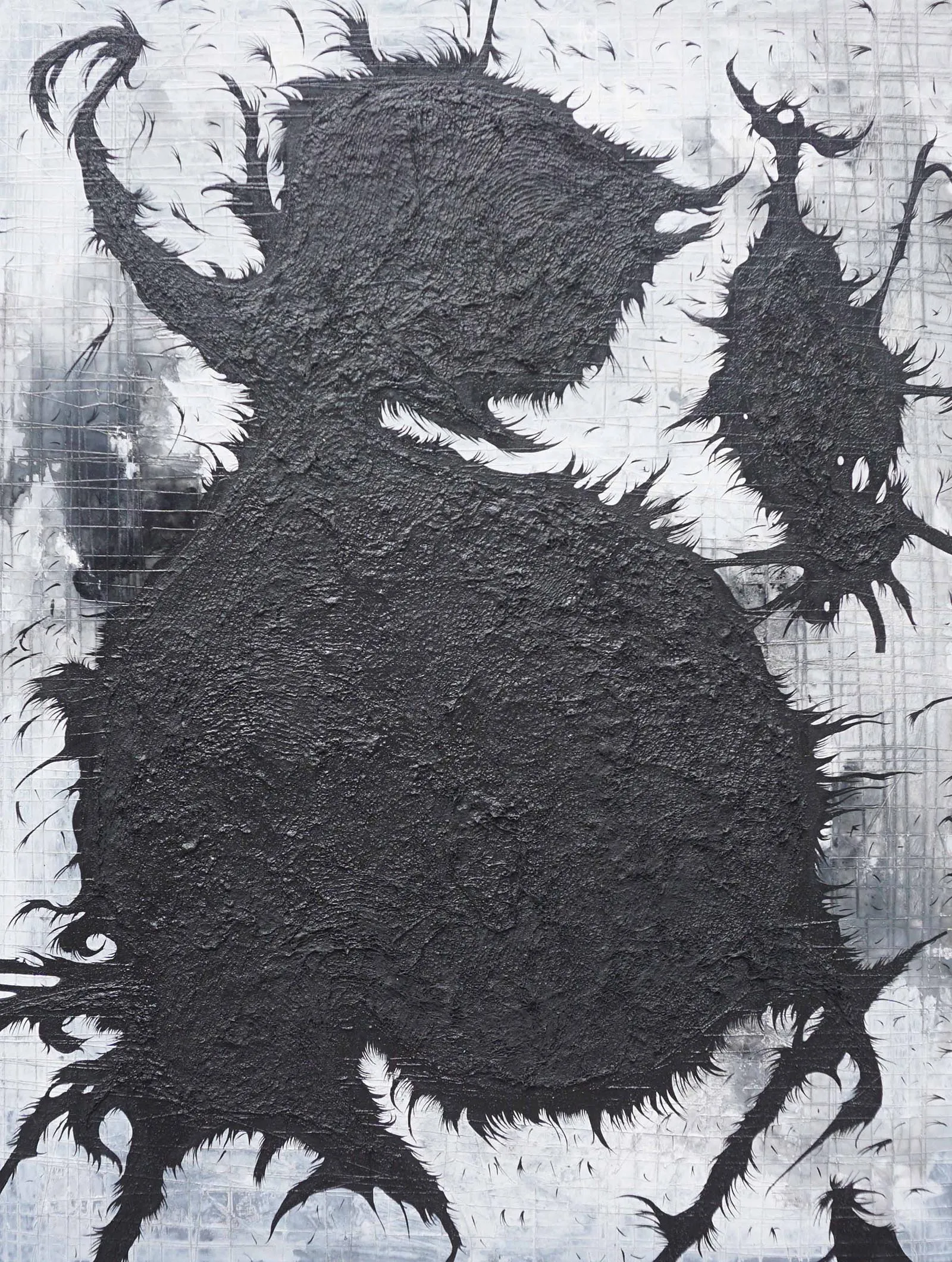
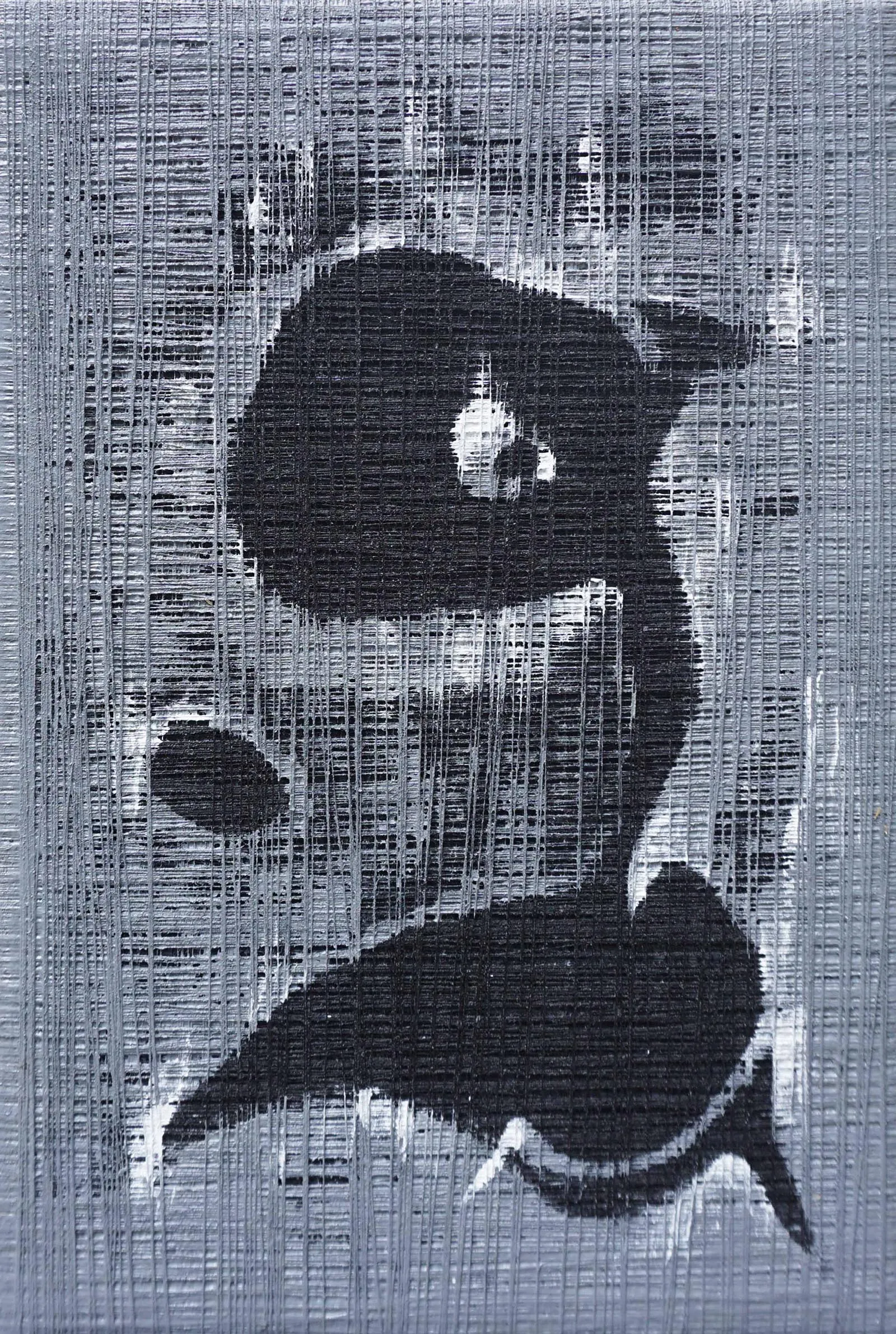
Describing the experience of stepping into her exhibition, Mac Valdezco points to the balance of black and white that defines her work. “Taga-Silim” continues the direction of her previous show, which once leaned into richer, more saturated hues. Over time, her practice has gradually shifted into a space that is now fully stripped of color.
At first glance, Valdezco frames the shift as an exploration of black and white, reflecting the idea of universal duality: yin and yang. As she talks further about her influences, she brings up another layer in her work, one shaped by unseen beings and folklore.
“Inspiration ko ‘yong mga ’di nakikitang bagay. ’Di mo alam na nage-exist sila gaya ng mga diwata at lamang-lupa [My inspiration are those things that can’t be seen. You don’t know that they exist like fairies and earth spirits],” she says.
Valdezco shares that she has seen significant growth in her practice compared to her earlier shows. Working with nylon cords and beads, which she weaves into large-scale installations, she has become more efficient with her technique. The process, however, still came with challenges, including sleepless nights spent completing the four sculptures. She also recalls the support of fellow artist Eugene Jarque, who helped her during the installation process.
While “Taga-Silim” includes exhibition notes, Valdezco says that if it were up to her, she would rather not include them, allowing viewers to freely interpret the work on their own.
Eugene Jarque, “See the Sun”
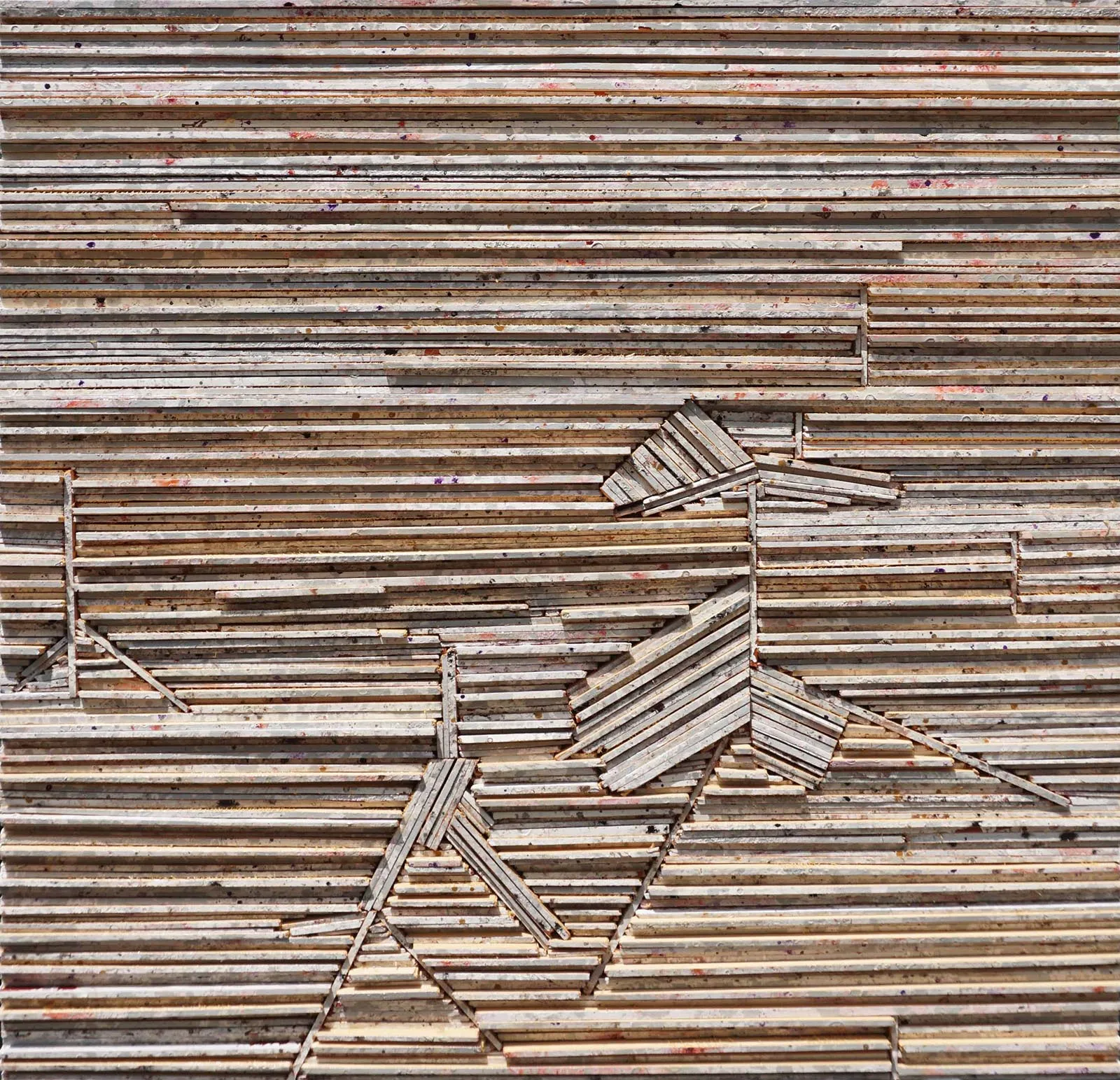
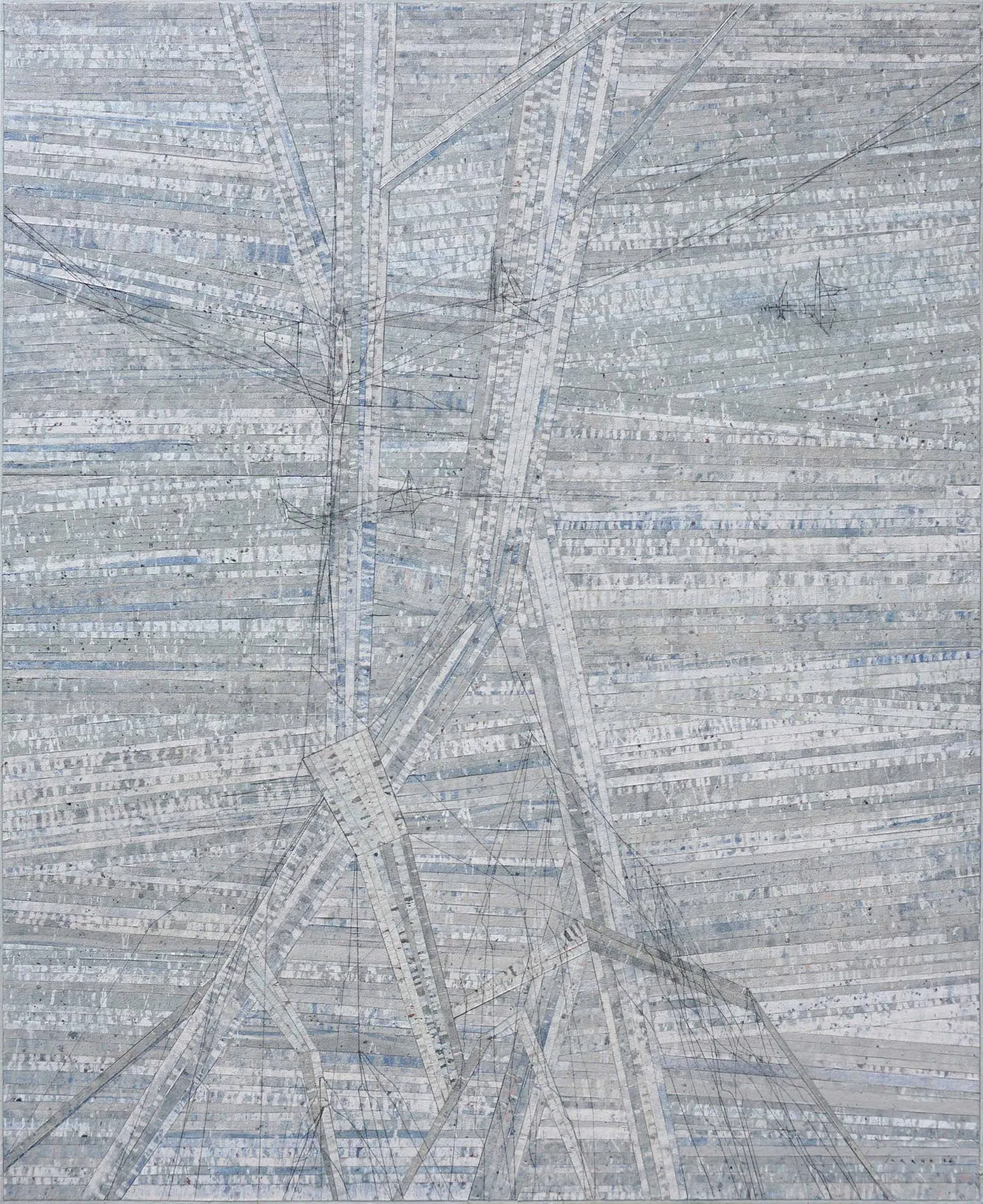
When asked about the concept behind his exhibition “See the Sun,” Eugene Jarque says his work is simply inspired by what he sees in his surroundings. For this particular exhibit, much of his work draws from natural elements such as roots, trunks, and plant structures from the farm where he lives in Dasmariñas, Cavite.
Jarque adds that he places more emphasis on technique and process rather than subject or concept alone. Growing up in a family of carpenters, he began experimenting with wood assemblage using his father’s materials. “May effect kasi kapag ’di traditional painting, mas gusto ko ‘yong may binubuo para makabuo ng artwork [There’s a different effect when it’s not traditional painting. I prefer building something to complete an artwork],” he says. He adds that he wants viewers to also see the process behind how each work is made.
Reflecting on his growth as an artist, Jarque says he feels more confident now as he has continued to work consistently over the years. His practice, which once focused on wood assemblage, has also expanded into canvas through painting and mixed media. While the materials may differ, he notes that the works remain connected through the same underlying concept.
Jarque also shares that he has known fellow artist Mac Valdezco for around 20 years, adding that the similarity in their practices lies in their shared attention to surroundings and lived environments. “‘Yong works ko mula pa noon, nag-iiba ’yong paligid. Habang tumatanda, mas payapa na ’yong gusto kong looks at visual impact [My works since before reflect how the surroundings change. As I grow older, I prefer a more peaceful look and visual impact],” he says.
Frequently Asked Questions
The installation reimagines the fall in the Garden of Eden through the lens of Philippine water scarcity, using 31 sculptural pieces made from crushed, discarded stainless steel water tanks to represent apples and the 31 days of a month.
Valdezco’s “Taga-Silim” explores the duality of yin and yang through black-and-white nylon cord and bead installations, drawing inspiration from Filipino folklore, including unseen beings like diwata (fairies) and lamang-lupa (earth spirits).
Jarque draws from natural elements like roots, trunks, and plant structures found on his farm in Dasmariñas, Cavite, working primarily in wood assemblage, a technique rooted in his family’s carpentry background, alongside canvas and mixed media.
The exhibitions are on view at Finale Art File as part of the gallery’s March 2026 featured artist lineup, showcasing three distinct practices rooted in faith, folklore, and lived environment.
Valdezco and Jarque have known each other for around 20 years and share a practice rooted in attention to surroundings and lived environments, with Jarque having supported Valdezco during her exhibition’s installation process.