
How Rajo Laurel Set the Scene For His Couture Collection in Bangkok


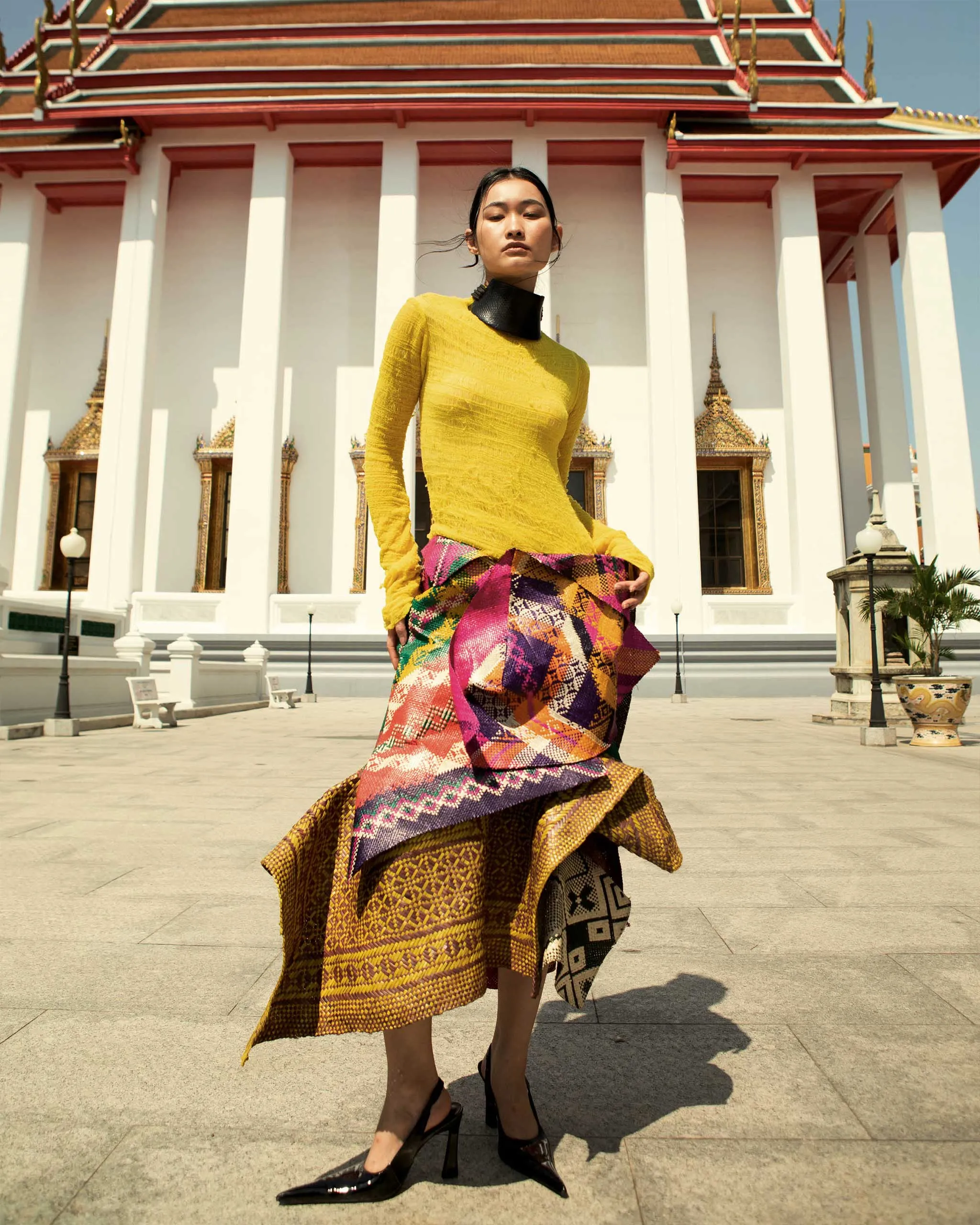
Photographed by Camille Robiou Du Pont for the April 2026 Issue of Vogue Philippines
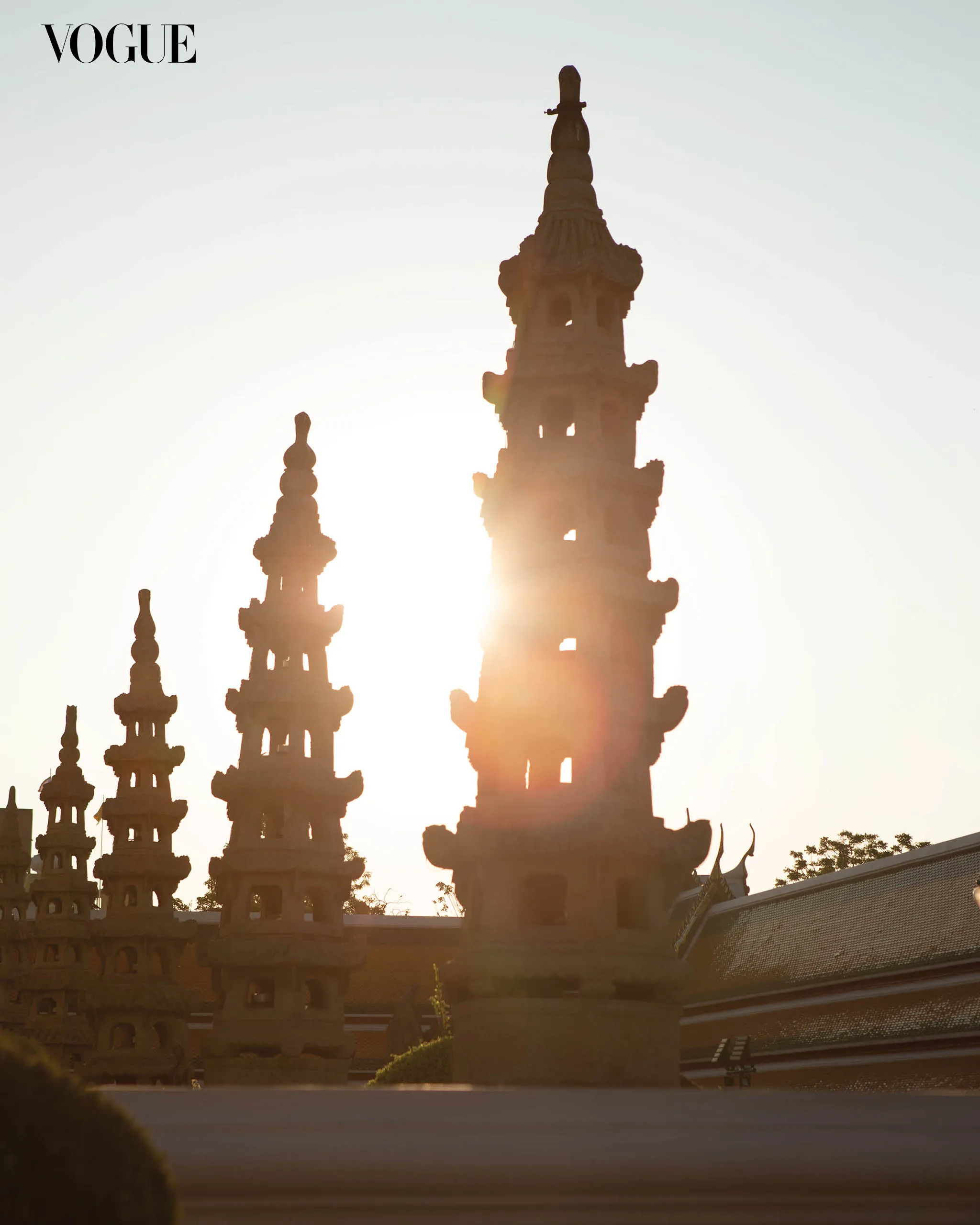
Against the sprawl of Bangkok’s skyline, Rajo Laurel showcased his Lahí couture collection on the world stage.
“I love that word ‘inheritance’ primarily because as a Filipino, I’m a product of everything that has been put in me,” says fashion designer Rajo Laurel. “I see this collection, I see myself as this living, breathing being that everything that has been put inside me by the generations that came before me.”
His Lahí collection reflects the totality of his universe, drawing on influences from his upbringing, environment, and interests. From national heroes and past designers to his family, particularly his father, the late Jose “Joey” C. Laurel, whose way of representing the Filipino became “almost like a mirror to myself.” The result, Laurel explains, is that Lahí becomes “a direct dialogue between myself and my experiences, and the things that I’ve learned as a person, as a human being, but essentially as a Filipino.” Presented last January at the Dusit Thani hotel in Bangkok, the 33-piece couture collection was created in collaboration with the Department of Trade and Industry’s Malikhaing Pinoy program.
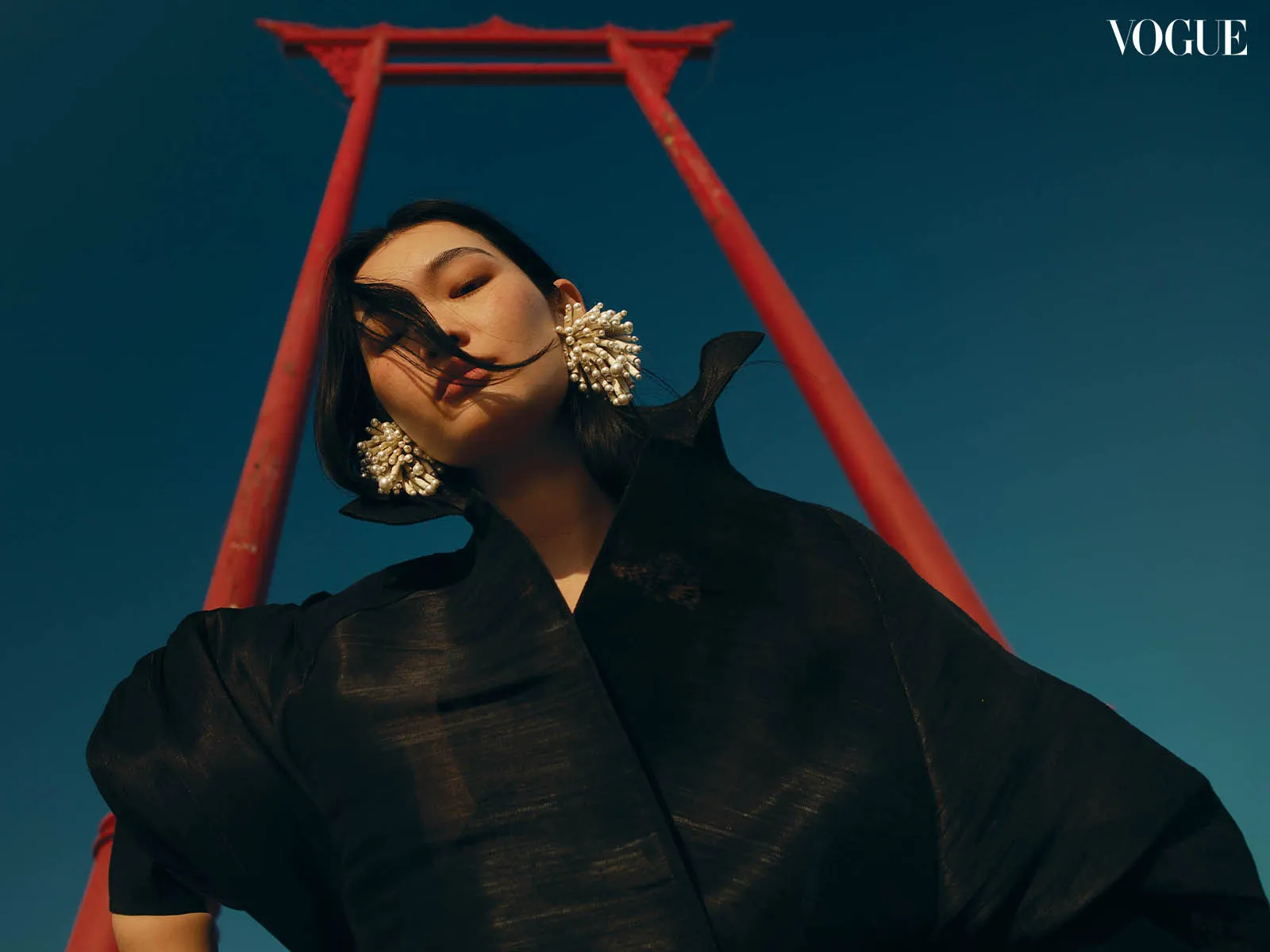
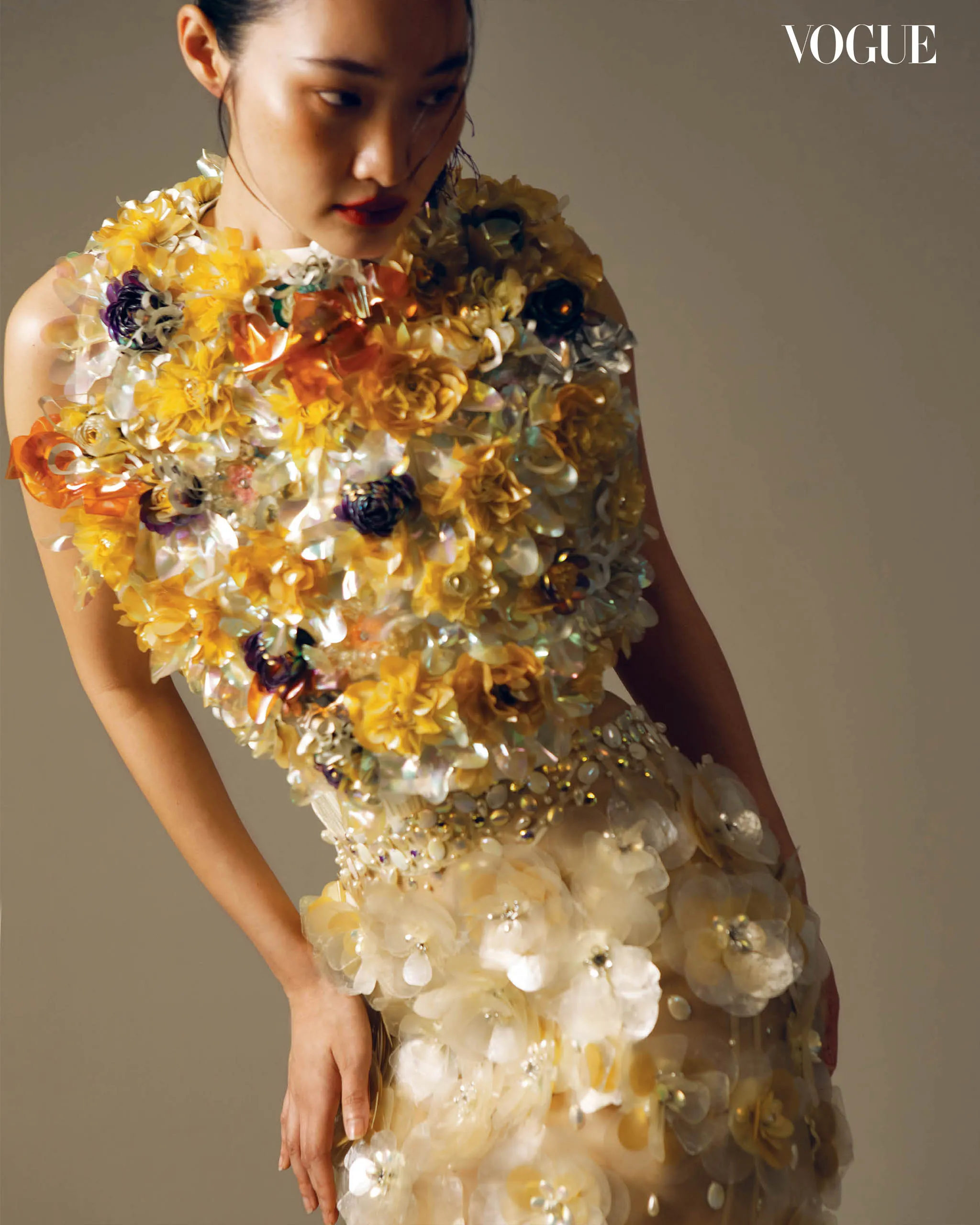
The making of Lahí was as paramount as the outcome. “You know it’s always about discovery,” Laurel says. “We always think that our materials, although humble because we use so much of our hands, [are] essentially transformed.” Collaboration emerged as both a process and a philosophy. “The experience for me was really transformative when I was speaking with the weavers, my collaborators, and friends, creating this particular collection.”
Throughout, Filipino textiles and techniques are pushed and challenged into architectural feats of design, privileging form over function in the service of fashion. Laurel reflects on the power of process: “There is really something special about transforming straw into weeds into pineapple into a thread that becomes embroidery.” For him, this metamorphosis serves as an affirmation, “of what Filipinos can do with our craft, our skills, and how we can utilize the things around us,” he says. “What makes the Filipino artist and creative intrinsically is [that] we can truly make beautiful things with almost nothing… how we can create the most beautiful things with the most humble materials.”
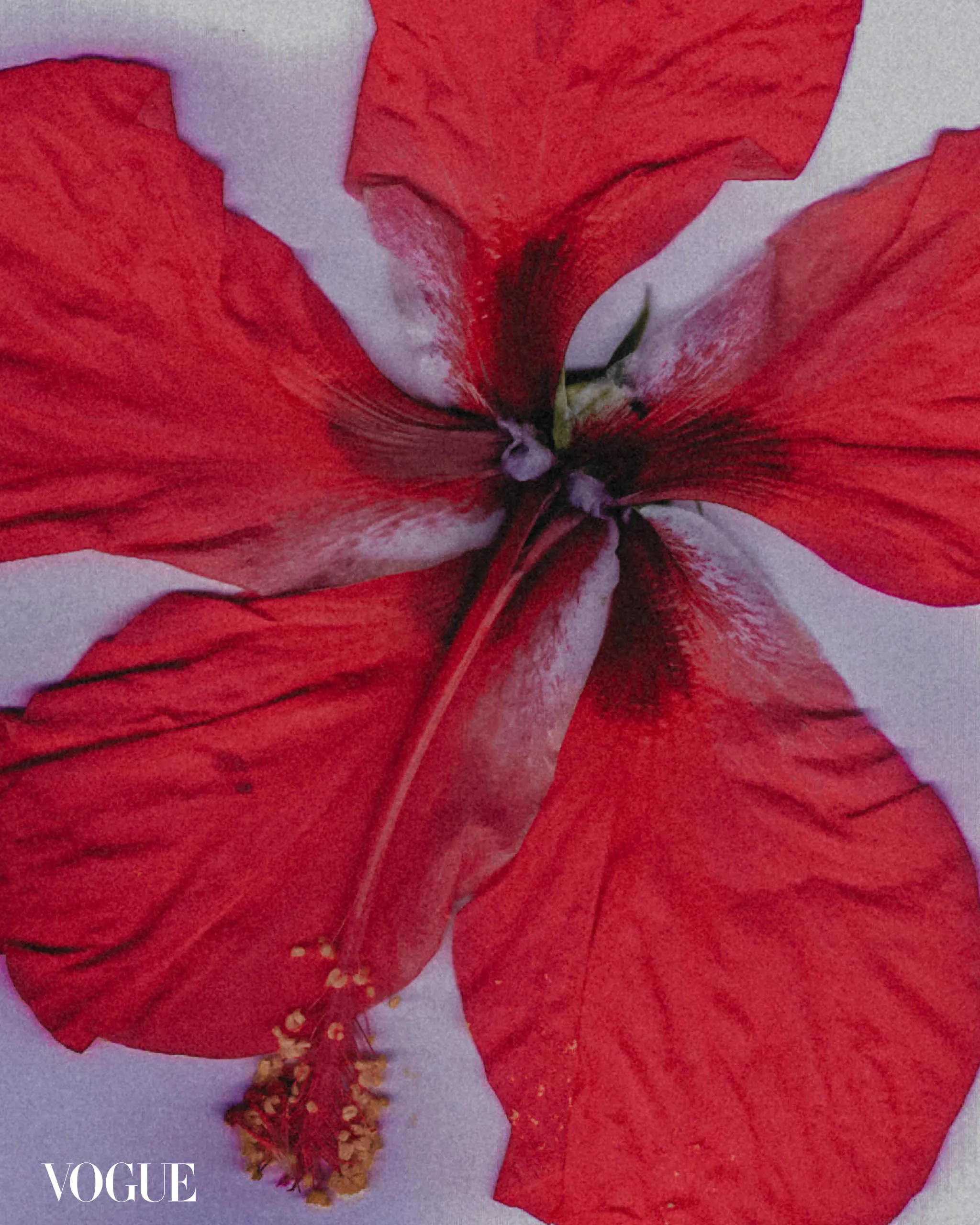
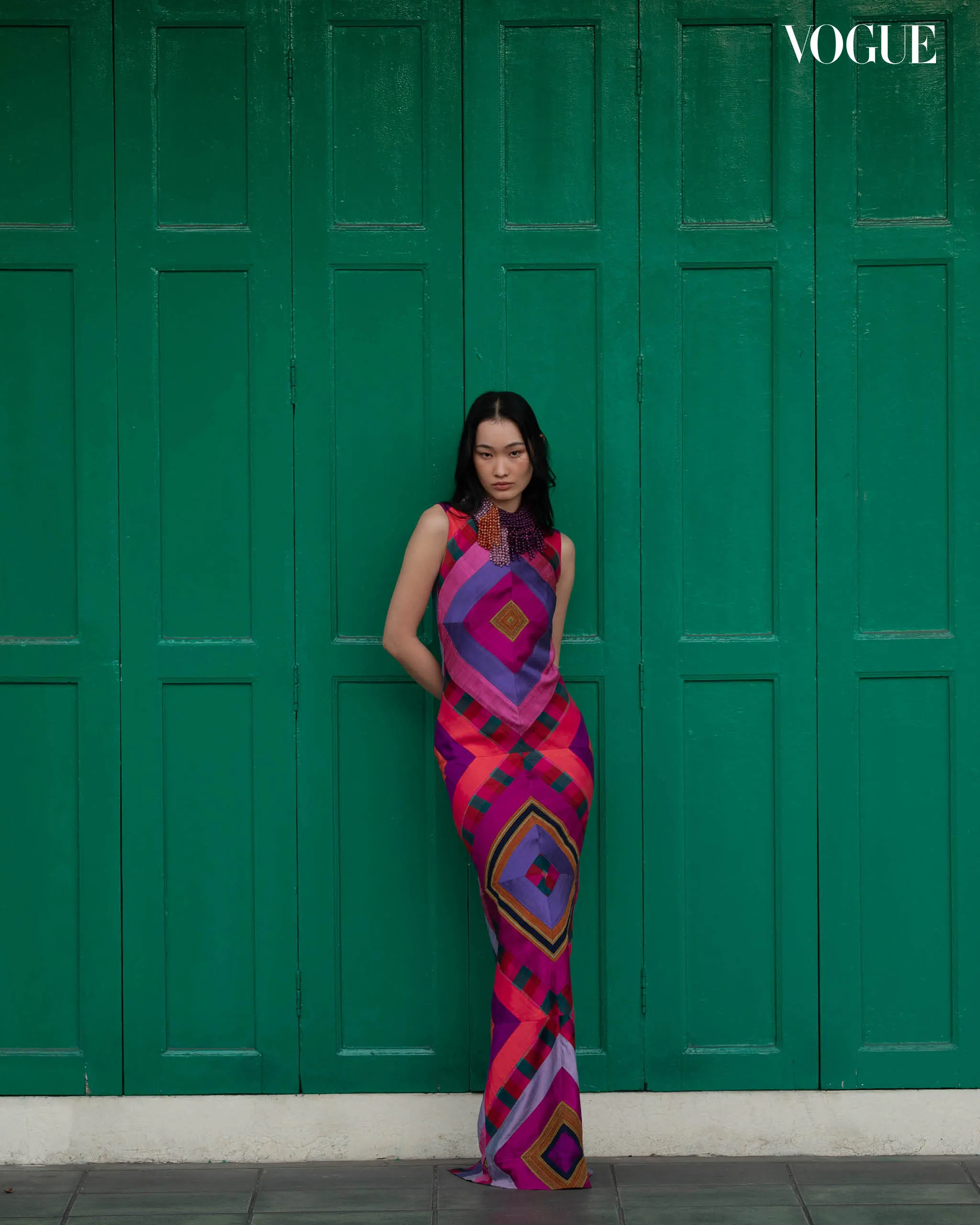
Storytelling has long defined Laurel’s runway presentations, and in Bangkok, this unravelled through technicolor. The show opened with white, transitioned into darker, more austere looks, prints, and textures. Traditional references surfaced throughout, not as literal reproductions but as reimagined forms, as if Dominic Rubio’s Tipos de País paintings had slipped out of their frames and come to life: barong-inflected silhouettes, sculptural reworkings of regional dress, and piña textiles pushed beyond their customary ties to formalwear.
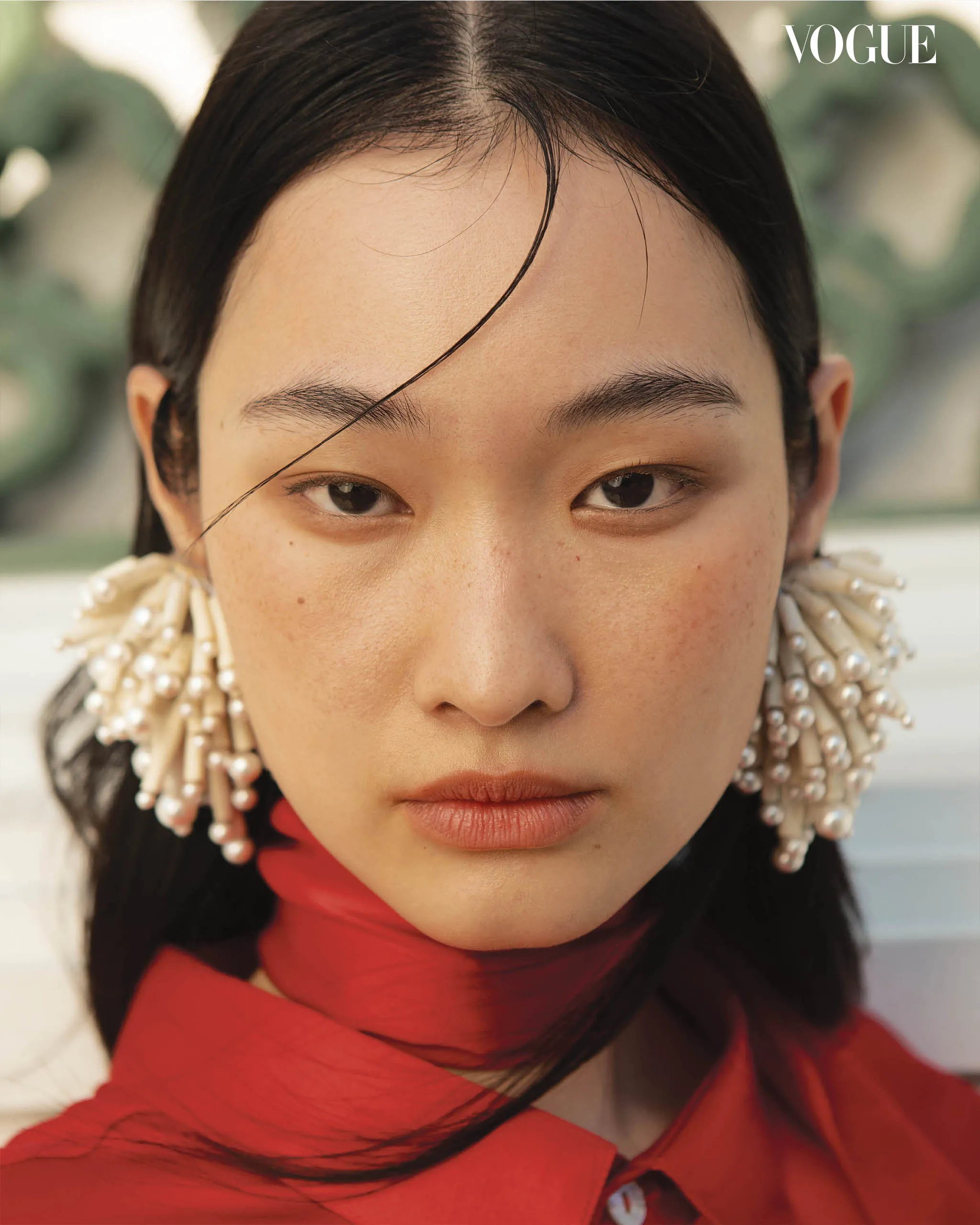
Honoring the past also played a pivotal role. Laurel reassessed his early works, re-debuting garments that resonate with his current sartorial investigation. “The decision of looking into my archives and bringing it forward essentially was quite simple,” he says, “because I believe that by looking back, that’s the only way you can actually move forward.” A friend’s advice stayed with him: “Why hide the pieces from the past when they are so beautifully made? Show them again…these are stories that are meant to be told.”
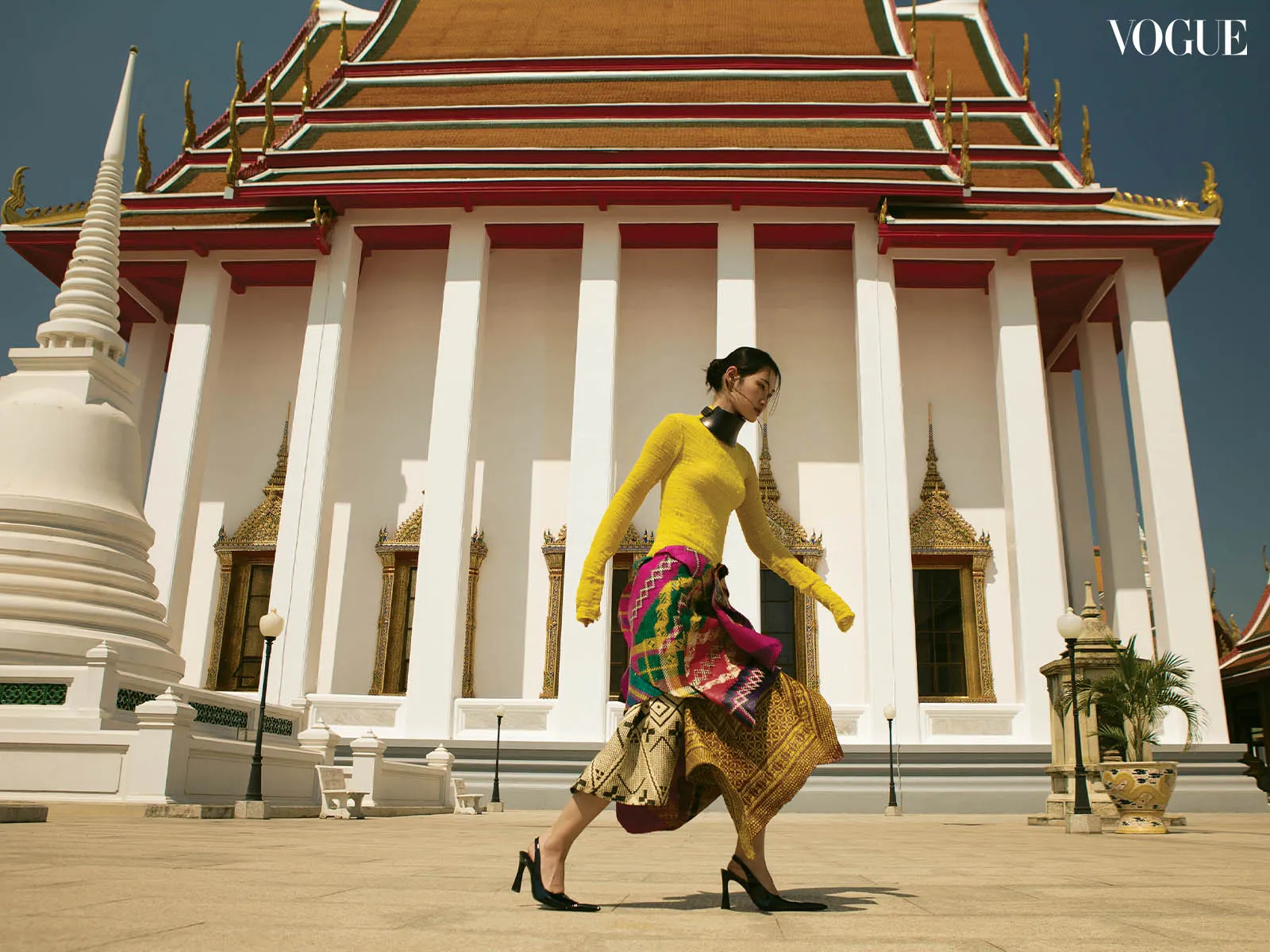
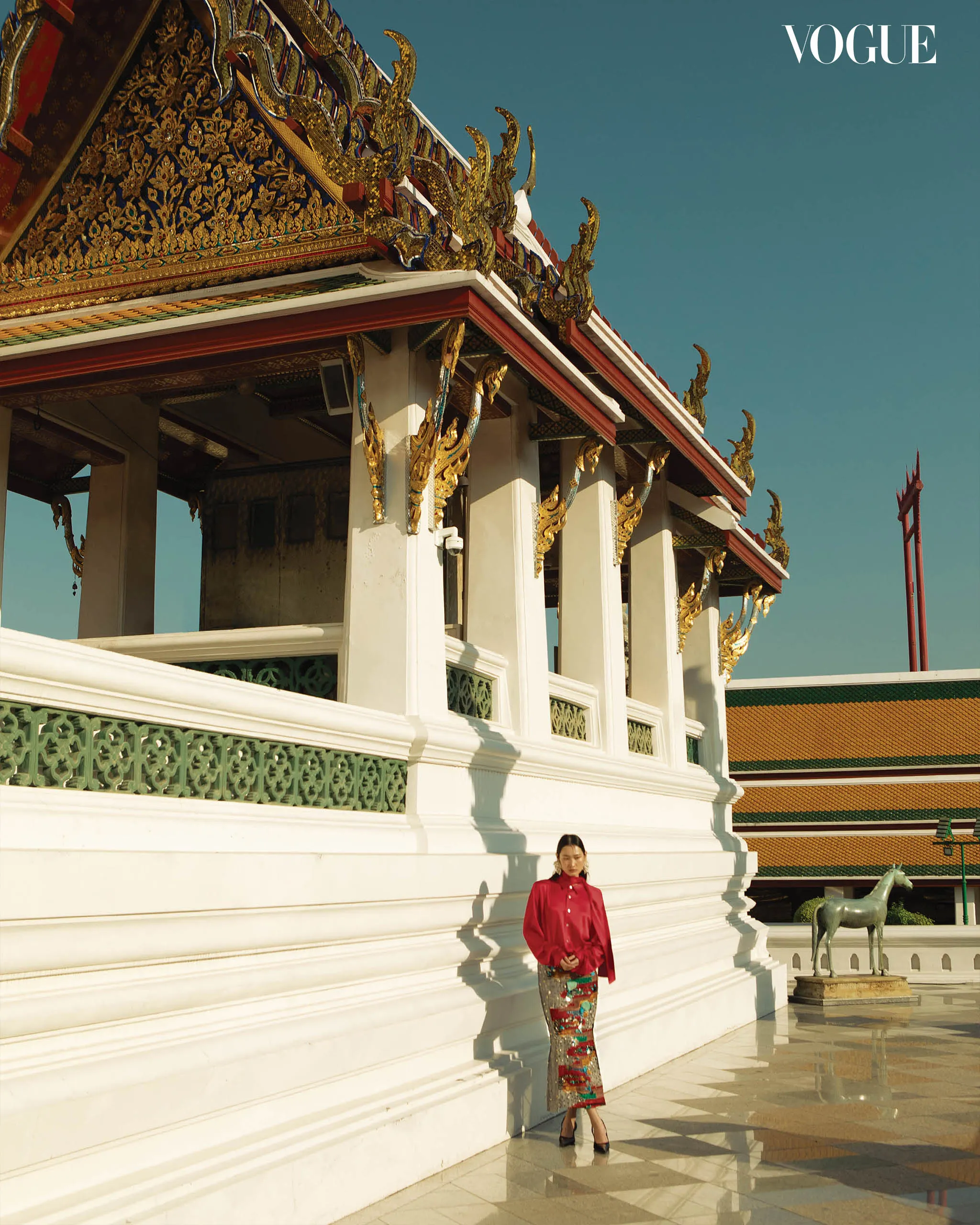
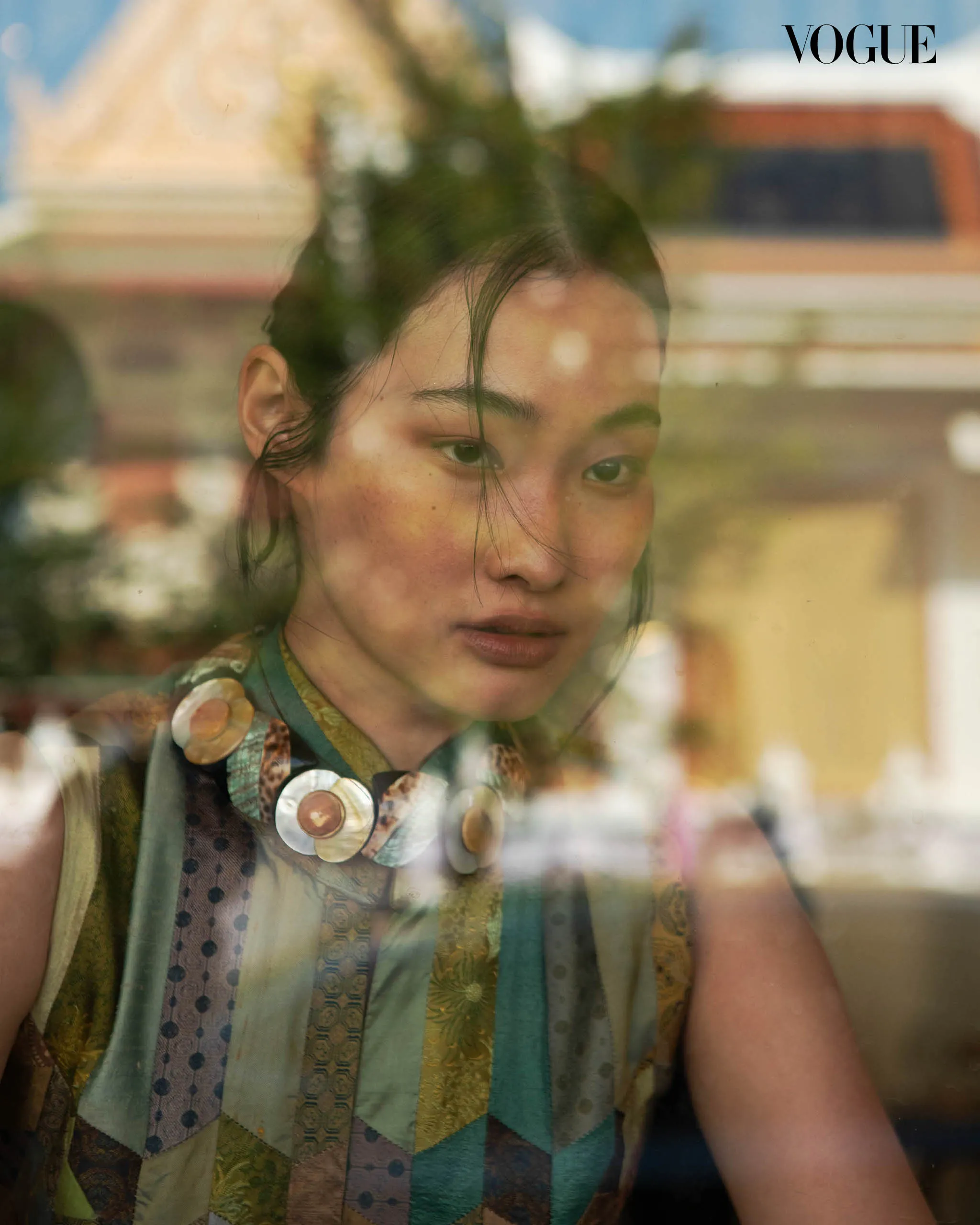
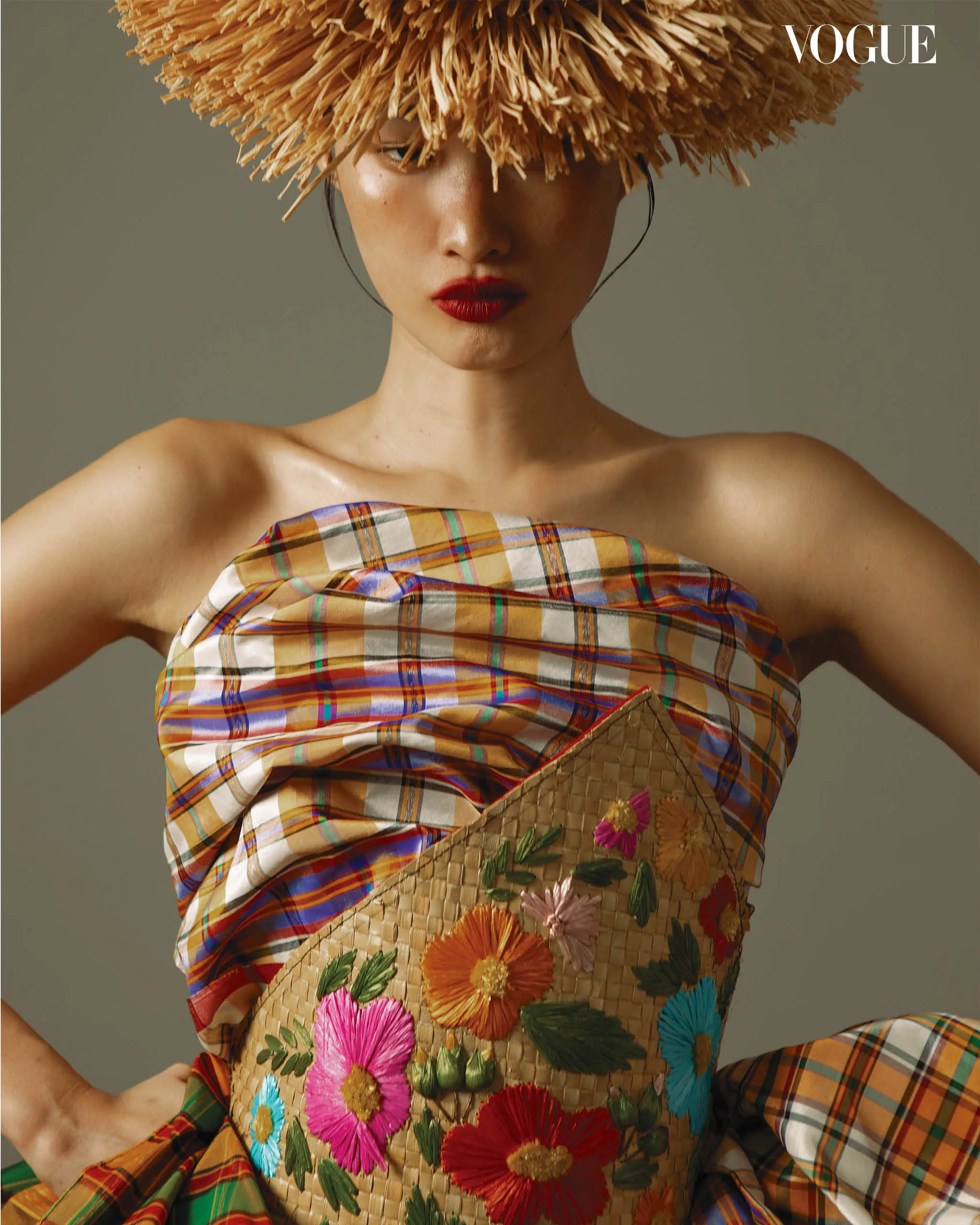
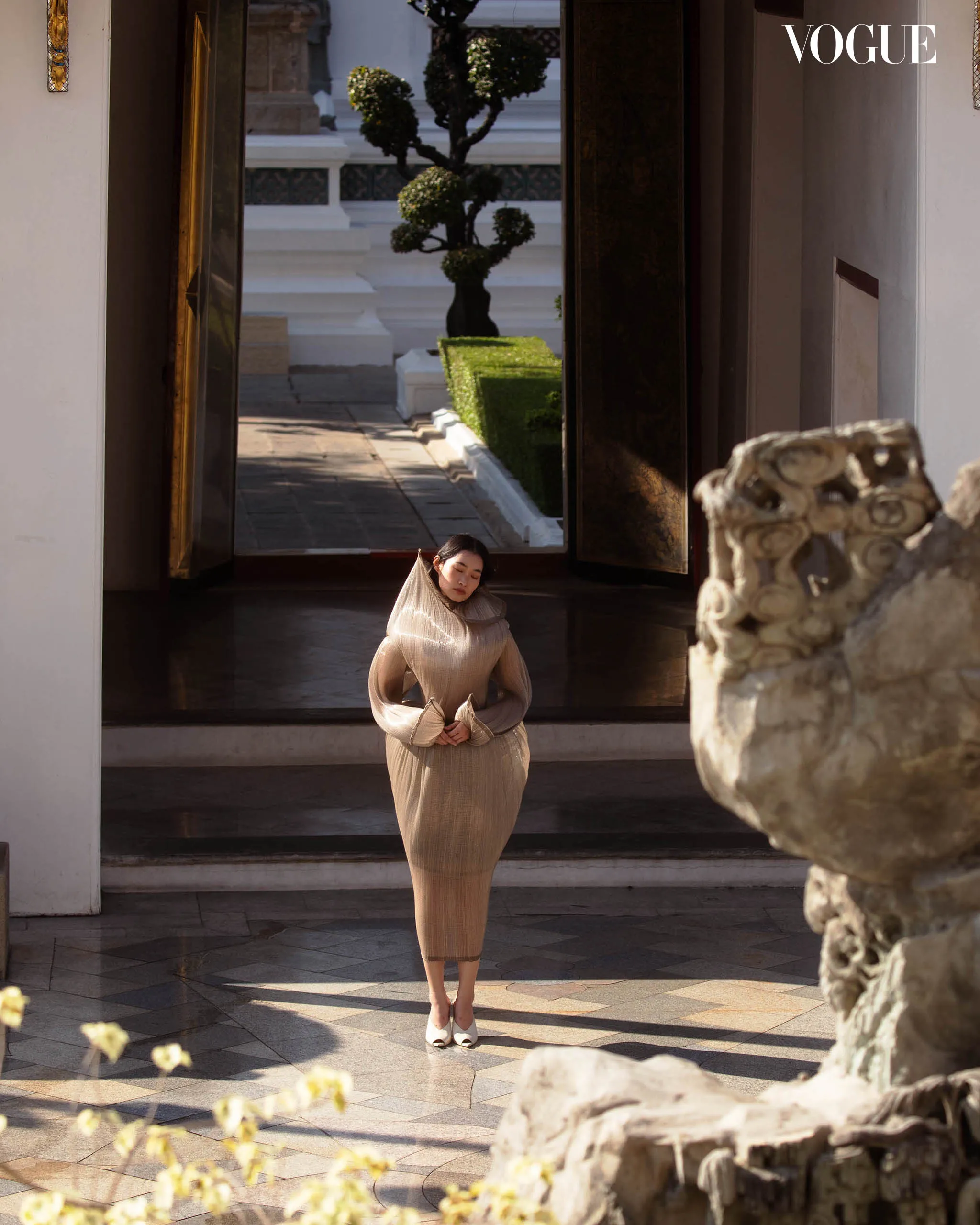
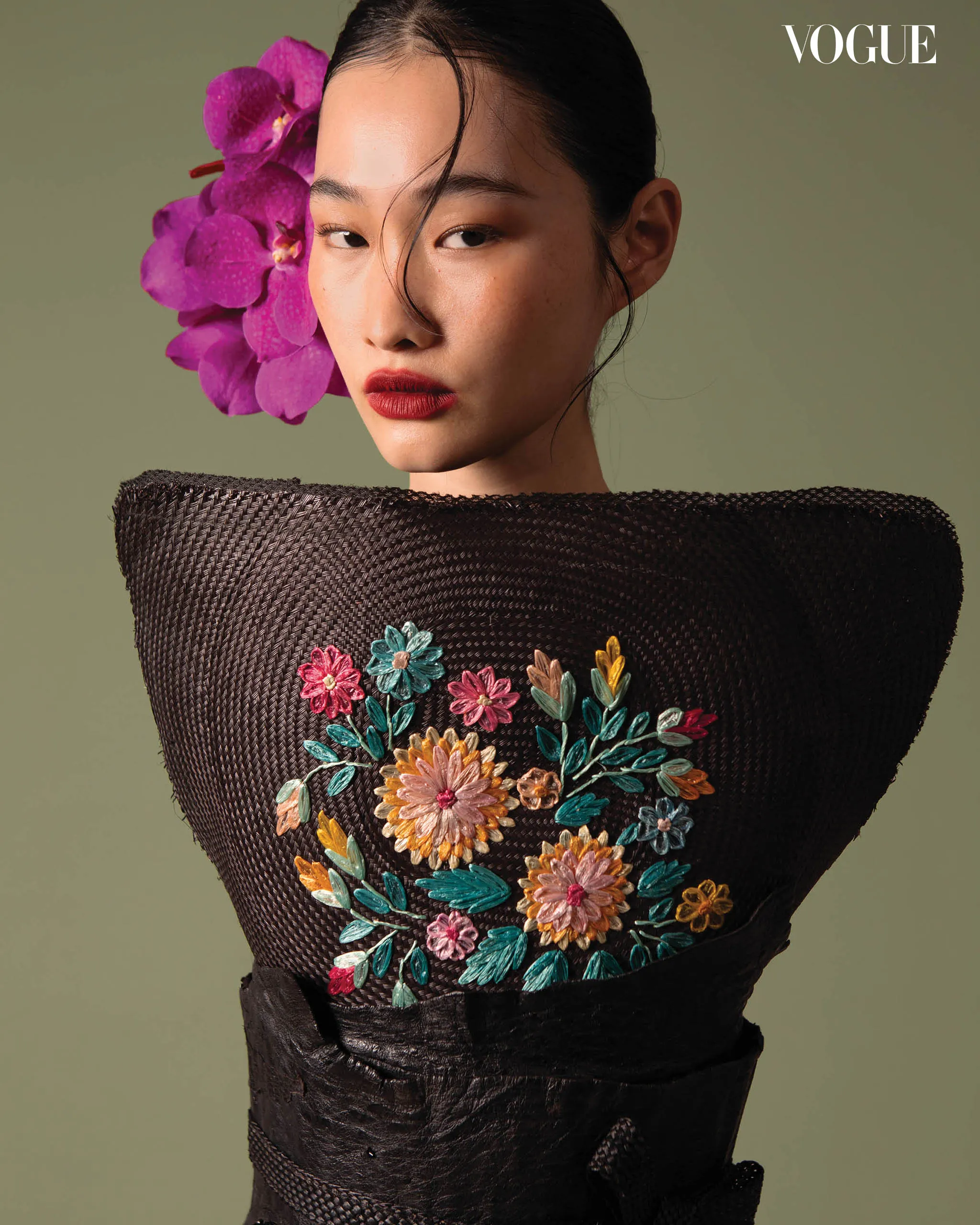
Laurel sees the archive as continuity. “I believe that the archives [are] there for a reason, and the reason is that this is the language of our aesthetic; our vocabulary, so to speak,” he explains. “What I’ve done 20 or 30 years ago perhaps is still beautiful today.” Because the show took place in Thailand, several archival garments were remade using locally sourced fabrics. “We incorporated a lot of beautiful Thai silk so that conversation is relevant and very much prevalent in this particular narrative.”
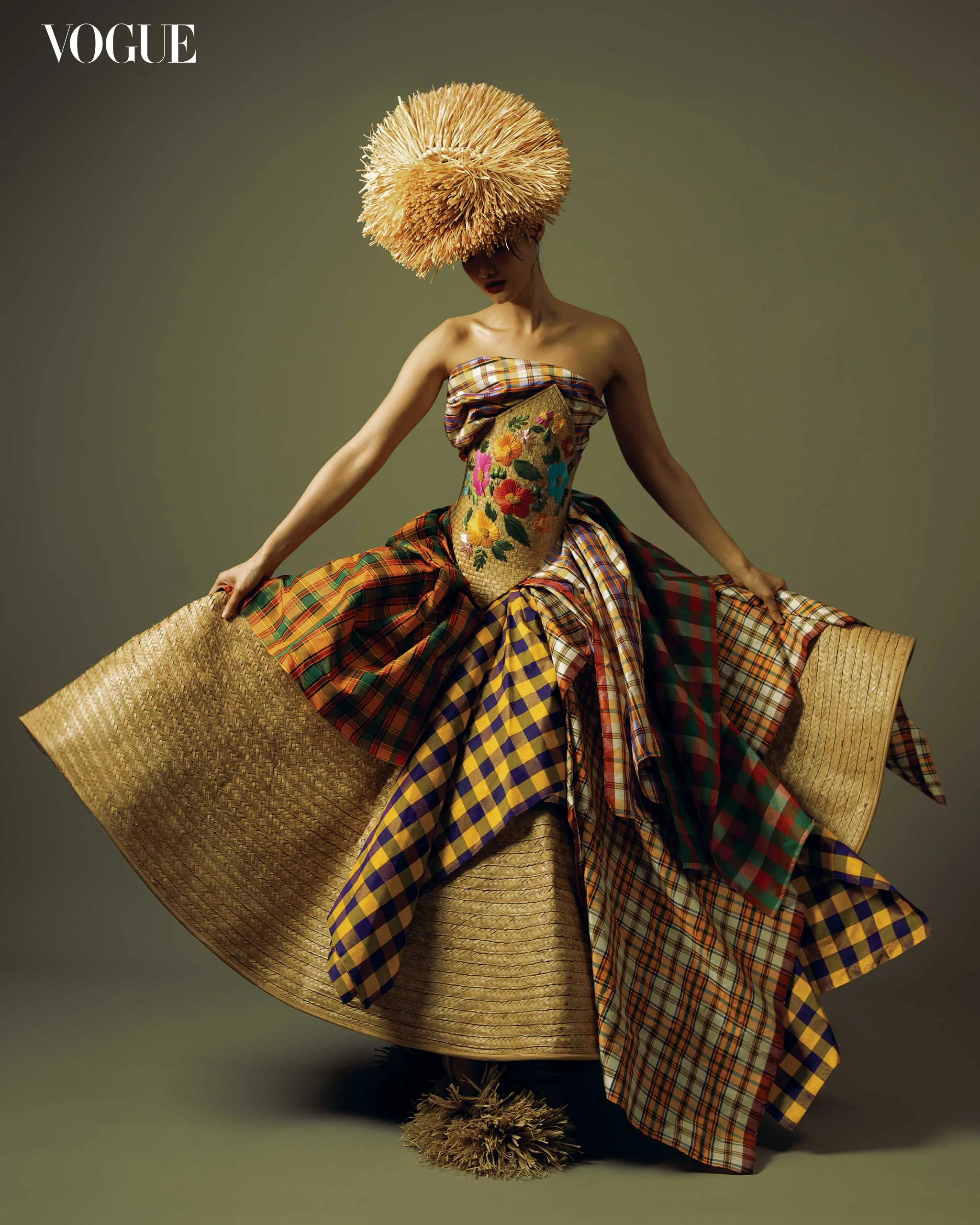
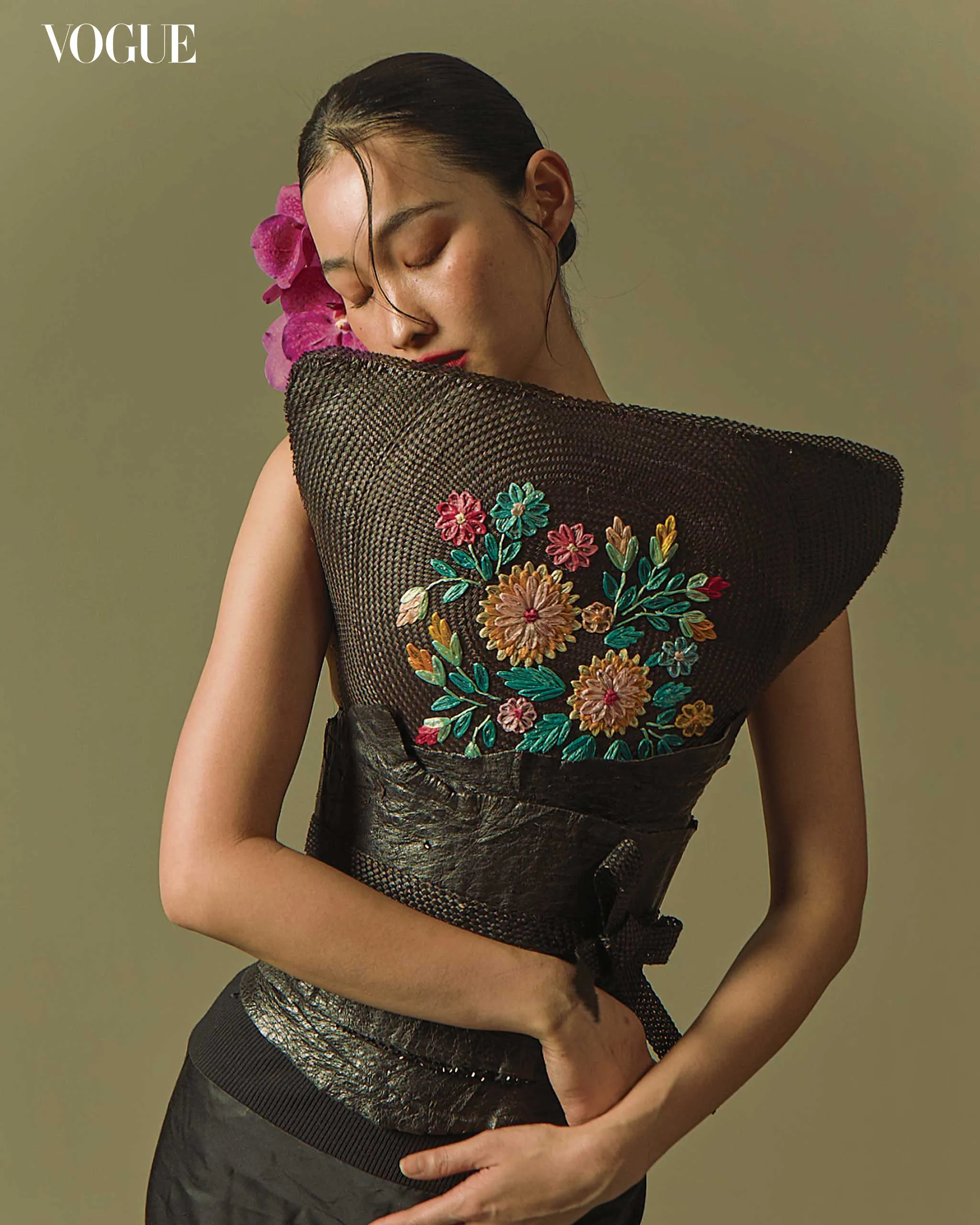
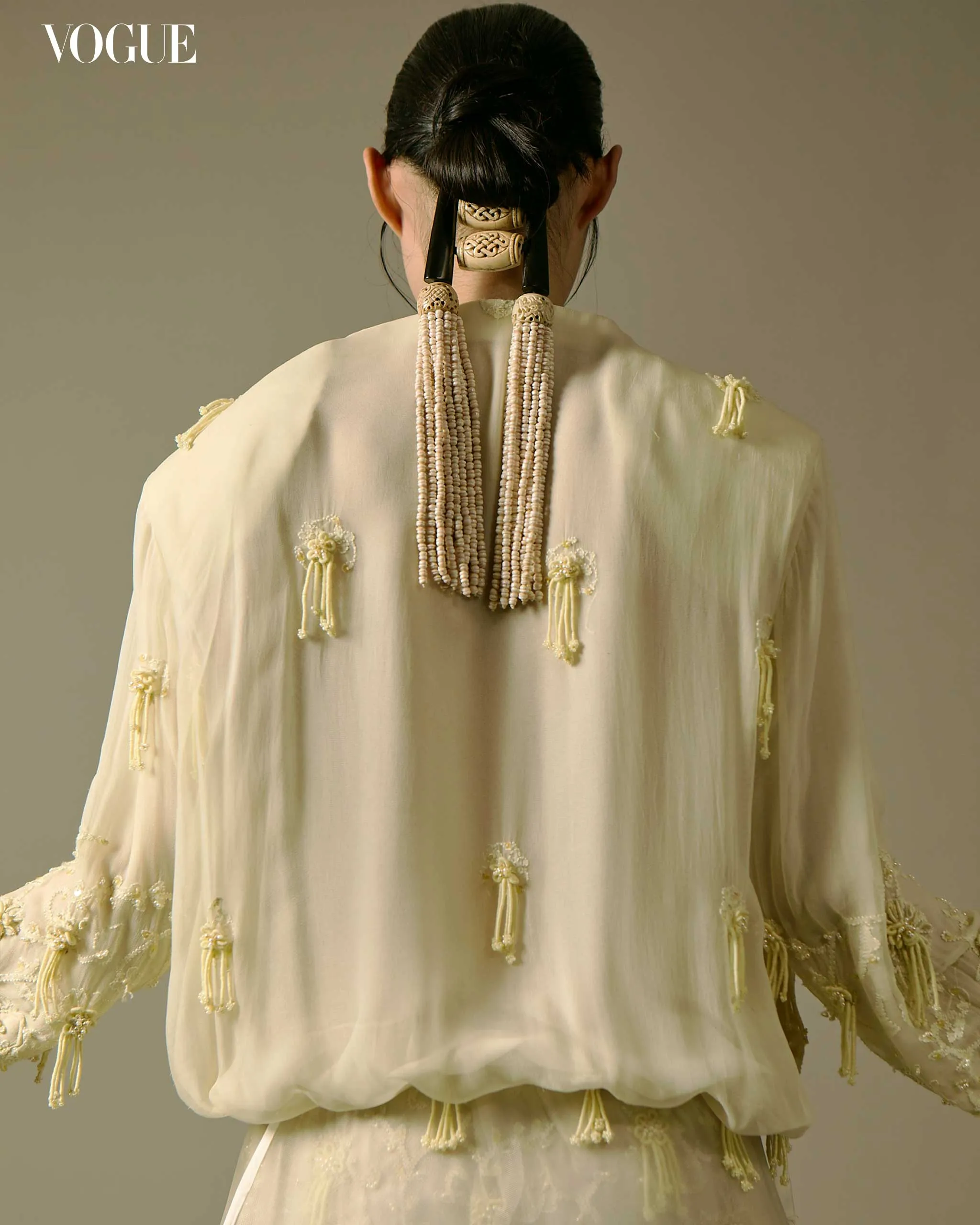
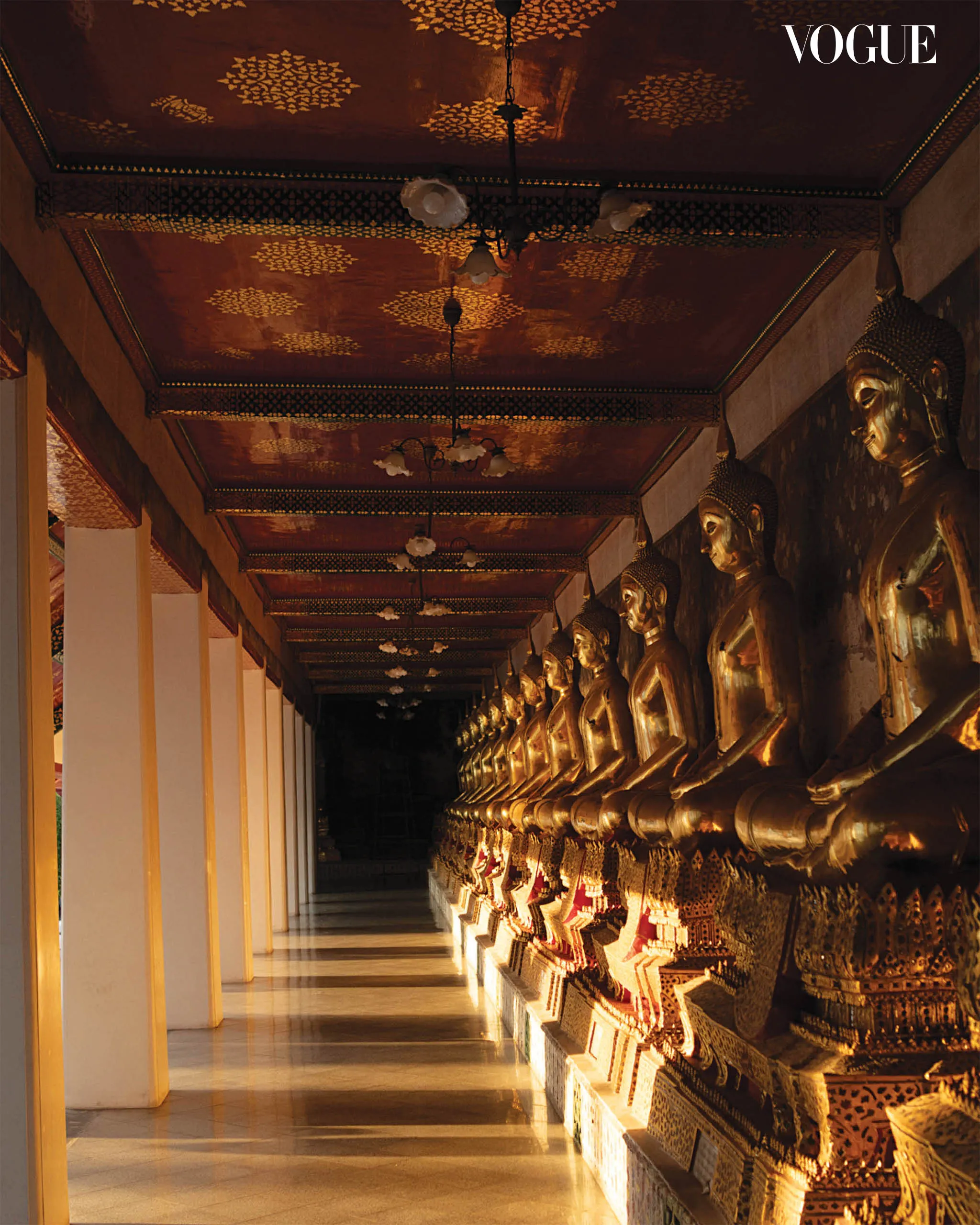
Presenting Lahí in Bangkok also carried symbolic weight, seeing the “Land of Smiles” as “a sister nation,” with hopes the collection will spark a “wonderful dialogue” for the future. For him, the goal is to “link these visual clues that connect us as a people, as a region, and as a race,” through beautiful clothes like a Parisian couturier hosting a salon show to a London clientele.
“I think what I would like to pass on for the next generation of people watching this is love and pride of who we are as a people,” Laurel says. He underscores that Filipino fashion is never a solitary pursuit, and reiterates his bayanihan spirit of communal unity. “We come [to Thailand] not alone, we come as a community. Because fashion is never an island, it’s never been isolatory, it’s not a culture of me, myself, and I; It has always been about ‘we’.”
By LAWRENCE ALBA. Photographs by CAMILLE ROBIOU DU PONT. Deputy Editor PAM QUIÑONES. Fashion Editor DAVID MILAN. Art Director: Jann Pascua. Vogue Philippines Producer: Julian Rodriguez. Styling Assistant: Geno Espidol. Lighting Technician: Odan Juan. Producer: Sinchai Seepariyanon. Assistant Producer: Panthita Aitthisiriamnuai. Hair: Pongsamuscha Somboon. Makeup: Supichaya Jirasinkunanon. Model: Thitinan Suesumrit. Special thanks to 137 Pillars Suites & Residences Bangkok
Frequently Asked Questions
Rajo Laurel is a Filipino fashion designer known for incorporating Filipino textiles, heritage, and storytelling into his couture work. His Lahí collection reflects on inheritance, drawing on his upbringing, national heroes, and the legacy of his father, the late Jose “Joey” C. Laurel.
Lahí is a 33-piece couture collection by Rajo Laurel, created in collaboration with the Department of Trade and Industry’s Malikhaing Pinoy program. It explores Filipino inheritance and identity through reimagined traditional silhouettes, piña textiles, and archival garment reworkings.
The Lahí collection was presented last January at the Dusit Thani hotel in Bangkok, Thailand, incorporating locally sourced Thai silk into several archival garments remade specifically for the show.
The collection features Filipino textiles and techniques, including piña fabric, alongside barong-inflected silhouettes and sculptural reworkings of regional dress. Laurel also incorporated Thai silk into archival pieces, connecting the collection to its Bangkok presentation setting.
Laurel reassessed and re-debuted early works from his archive, describing them as part of his design vocabulary that remains relevant today. He said revisiting the past allows him to move forward, treating the archive as a continuous, ongoing narrative rather than a closed chapter.
- A Tale of Harvest Set in Sorsogon, Where Community Nurtures the Land
- How TOQA Founder Isabel Sicat Dressed 120 Cultural Actors for the Fourth Thailand Biennale
- Meet Charissa Bigornia, the Filipina Model Who Made It as a Vogue Open Casting Finalist
- How Communities in Sorsogon Are Reclaiming a Filipino Tradition of Care