
Levi’s Wear Long Project Brings Clothing Repair Into Schools


Courtesy of Levi’s
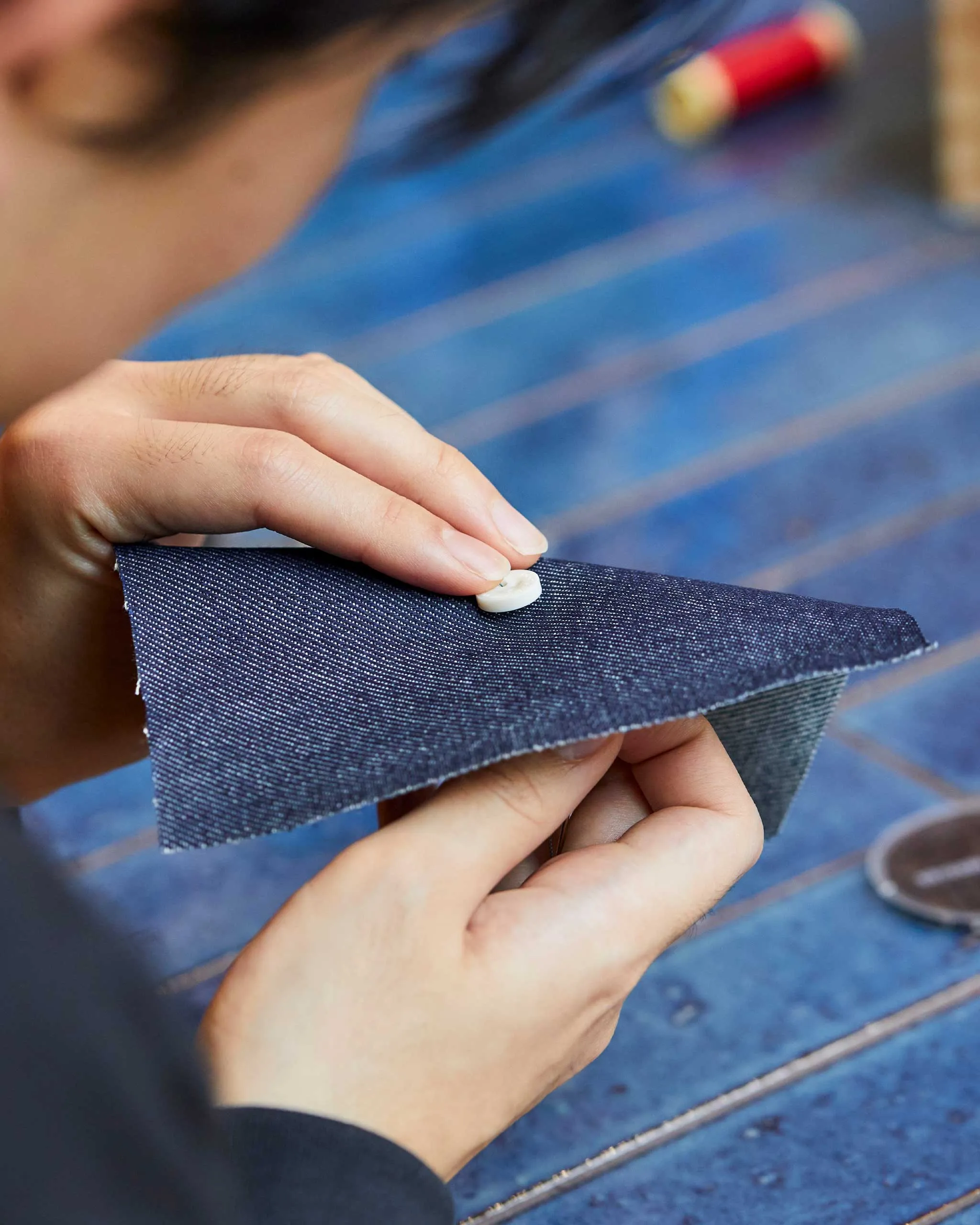
In partnership with Discovery Education, Levi’s introduces the Wear Long Project in high schools, teaching students the basics of clothing repair.
Levi Strauss & Co. is bringing its latest initiative into classrooms with a straightforward premise: when young people know how to repair their clothes, they are more likely to keep them.
Launched on January 14, 2026, the Levi’s Wear Long Project introduces students to the basics of repairing, refreshing, and reimagining their garments so they last longer and feel new again. Developed with Discovery Education, the program was partly shaped by a 2025 survey from Nationwide Building Society, which found that 41 percent of Gen Z, aged 16 to 28, lack the basic repair skills that were once common among older generations.
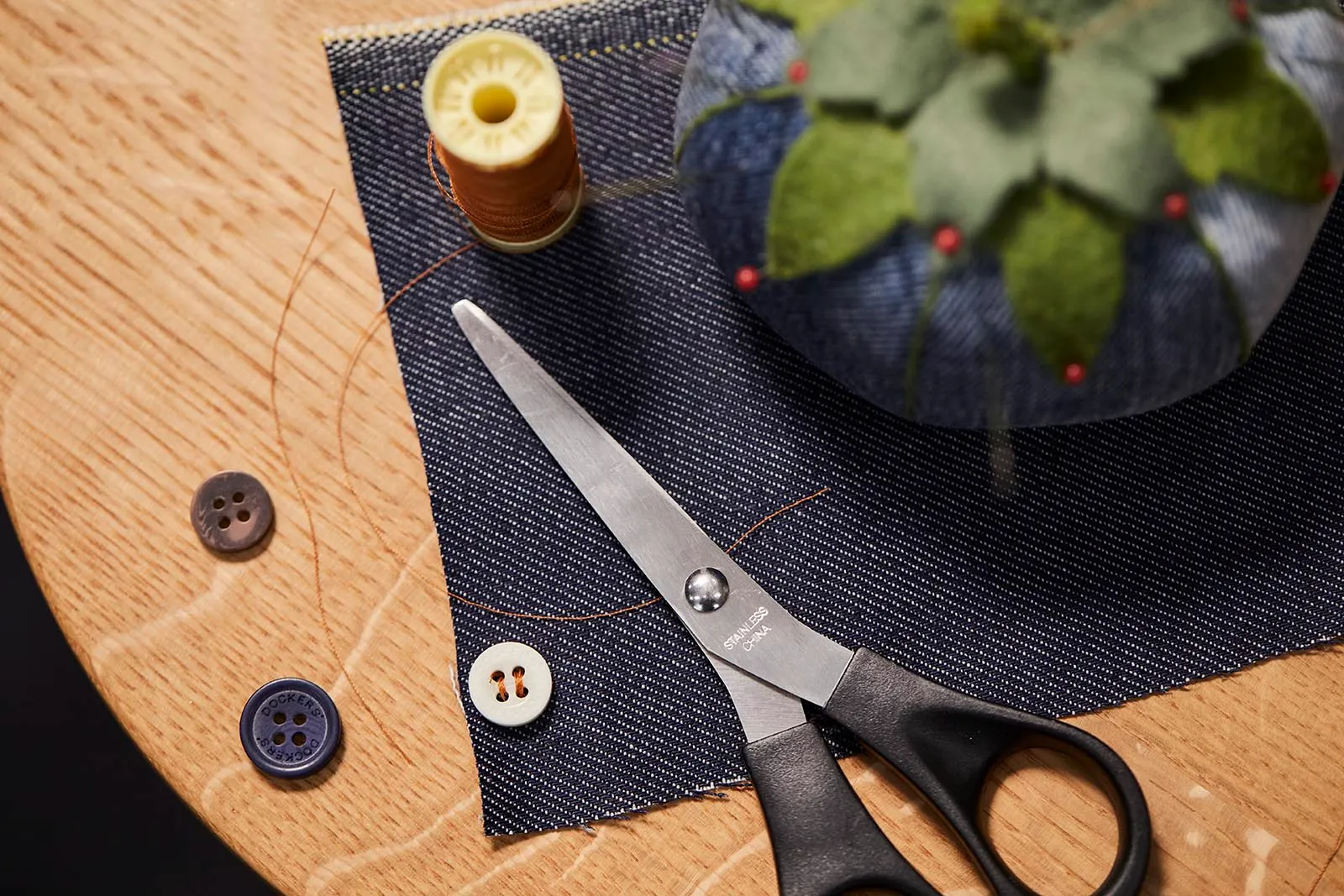
Interest in the program has been quick to build. “We believe basic repair skills are the kinds of real-world skills students want to learn. By partnering with Discovery, we’re able to reach these students in places where they’re already engaged,” says Alexis Bechtol, director of Community Affairs at Levi Strauss & Co., in an interview with Vogue Philippines.
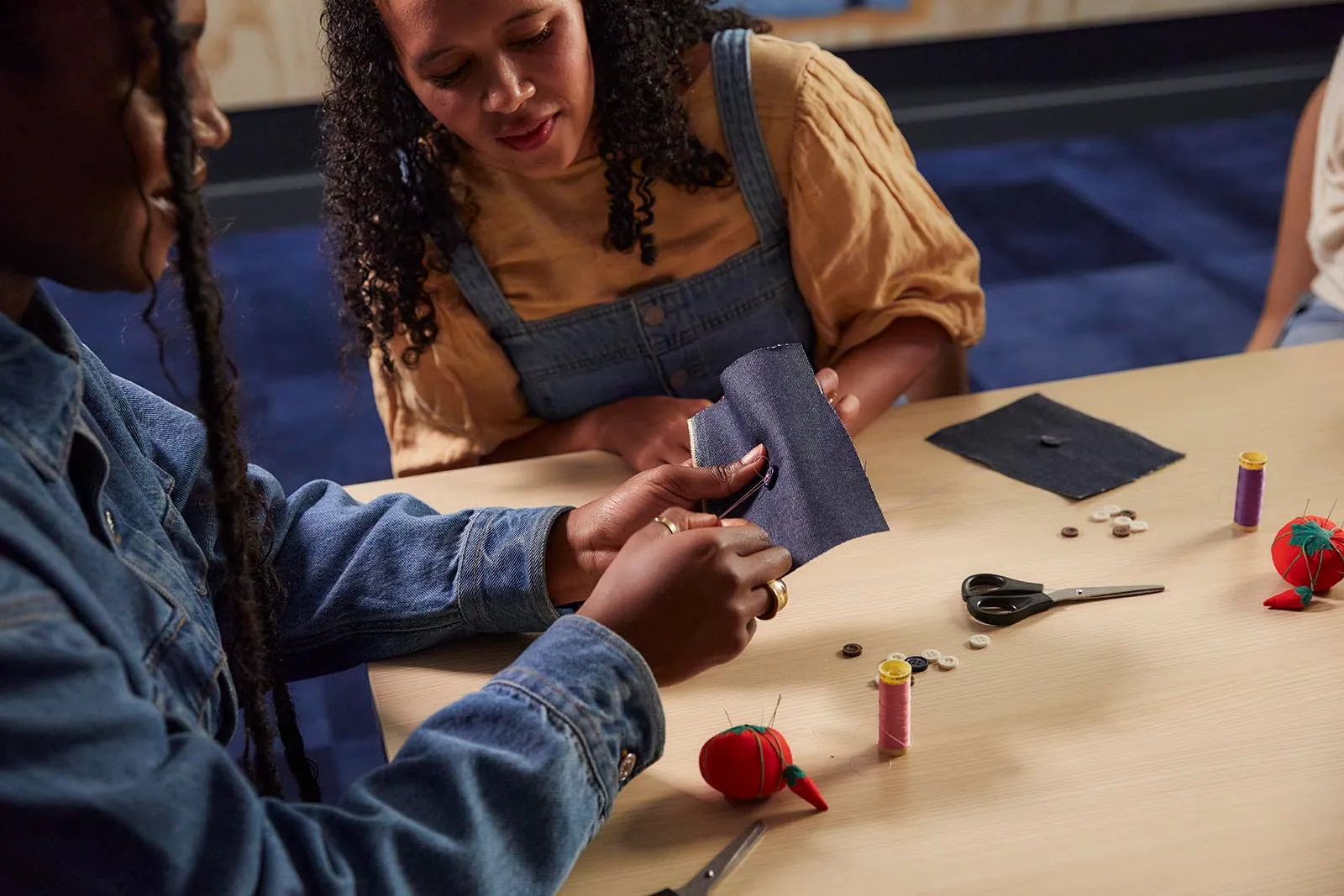
In San Francisco alone, the first Wear Longer workshop drew 250 student applicants for 55 available spots. Within its first month, the initiative trained more than 130 students and 100 employees in the city. The curriculum has also been downloaded over 2,000 times across 45 U.S. states, with interest coming from educators as far as South Africa.
To understand its impact, the company is tracking a mix of student and educator surveys, alongside anecdotal feedback and adoption rates. Through its community partnerships and Discovery Education’s network, Levi Strauss & Co. aims to reach 15,000 students in its first year.
For Paul Dillinger, head of Global Design Innovation, the project also reflects a longer view of clothing. He sees it as a way to reconnect younger generations with the idea of keeping garments in circulation, whether by holding onto them for years or passing them down. “This project allows us to help fans and young people deepen their connection to their clothing, be more responsible consumers, and keep more garments out of landfill,” he says.
That mindset extends to his approach to design. Dillinger notes that while no single designer can reshape the industry, there is still a responsibility to create pieces people will care about and hold onto. “It’s my job to foster emotional durability, a more sustainable relationship between people and their clothes, with the hope of bending consumer practices toward longevity,” he adds.
As participation continues to grow, Levi Strauss & Co. is looking beyond the U.S., with plans to expand the program to Europe later this year.
Frequently Asked Questions
The Wear Long Project is a Levi Strauss & Co. initiative launched January 14, 2026, in partnership with Discovery Education, teaching high school students basic clothing repair, refresh, and reimagining skills to extend garment life.
The program was partly informed by a 2025 Nationwide Building Society survey finding that 41 percent of Gen Z, aged 16 to 28, lack basic repair skills once common among older generations.
Within its first month, the program trained more than 130 students and 100 employees in San Francisco, with its curriculum downloaded over 2,000 times across 45 U.S. states and interest from educators in South Africa.
Levi Strauss & Co. aims to reach 15,000 students in the program’s first year through its partnership with Discovery Education, with plans to expand the initiative to Europe later in 2026.
Paul Dillinger, head of Global Design Innovation at Levi Strauss & Co., frames the project as fostering “emotional durability” between people and their clothes, aiming to keep garments in circulation longer and reduce landfill waste.