
Thailand Biennale 2026 Turns Phuket Into an Open-Air Exhibition


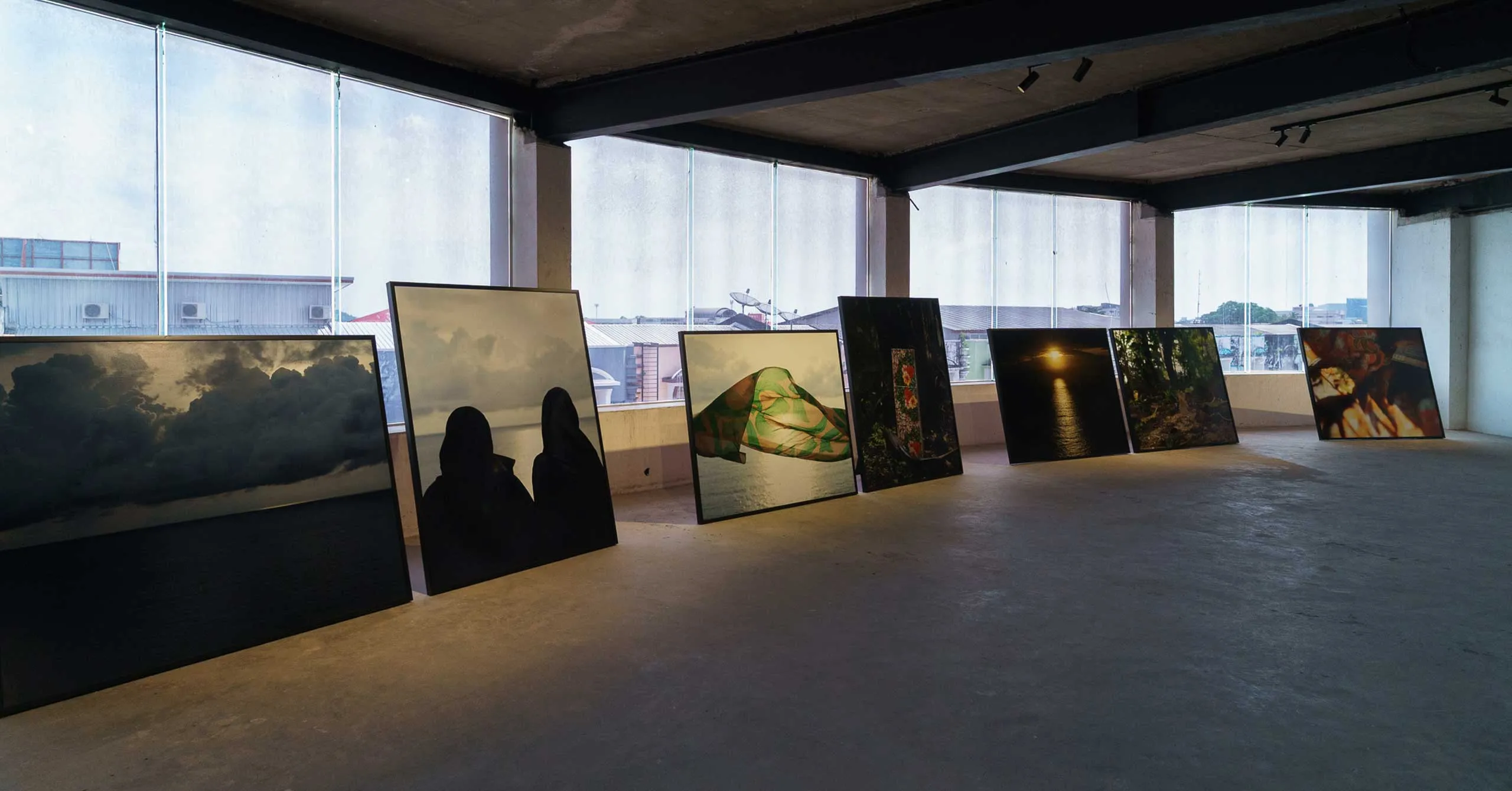
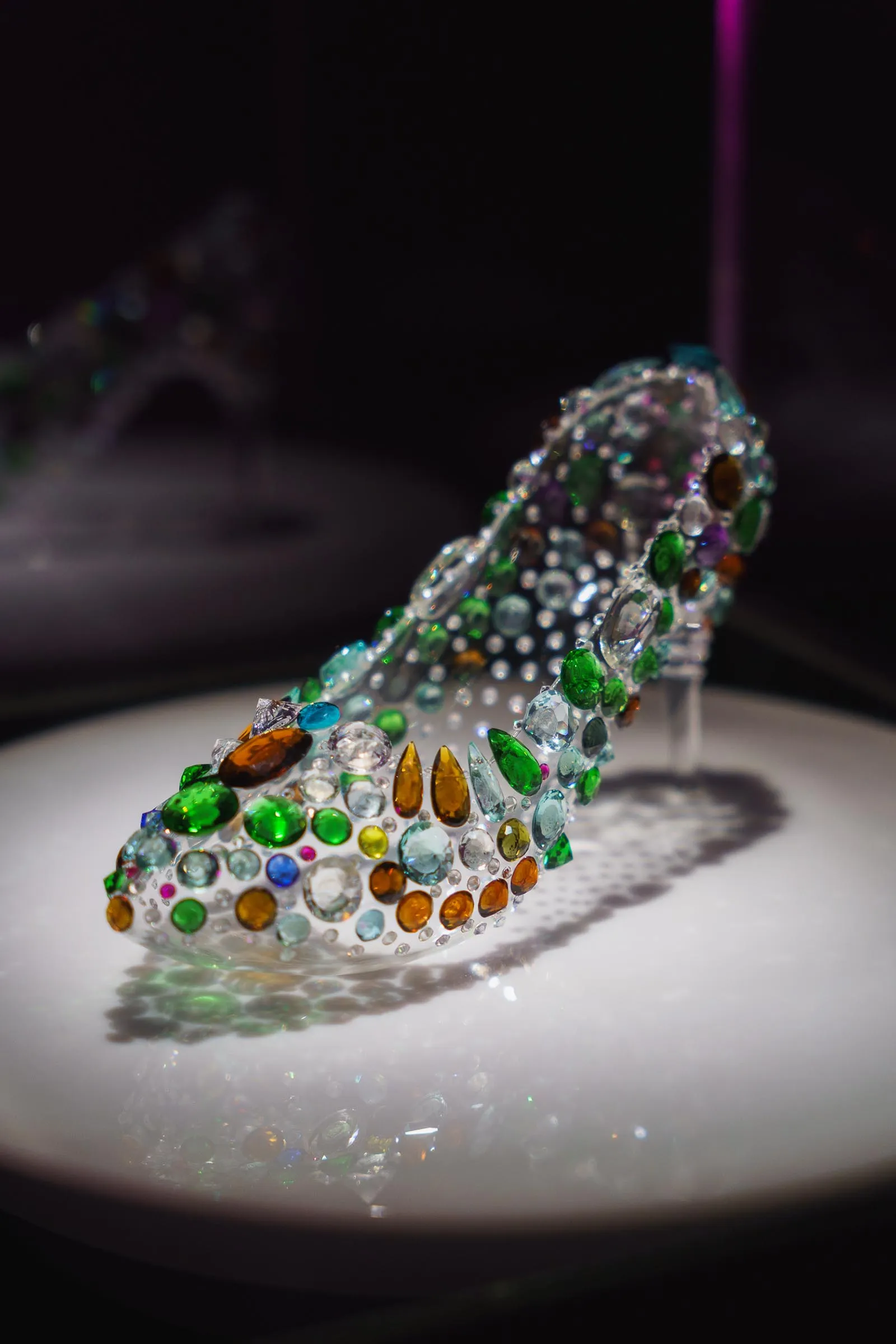
Ampannee Satoh’s Beyond The Homeland series. Courtesy of Thailand Biennale
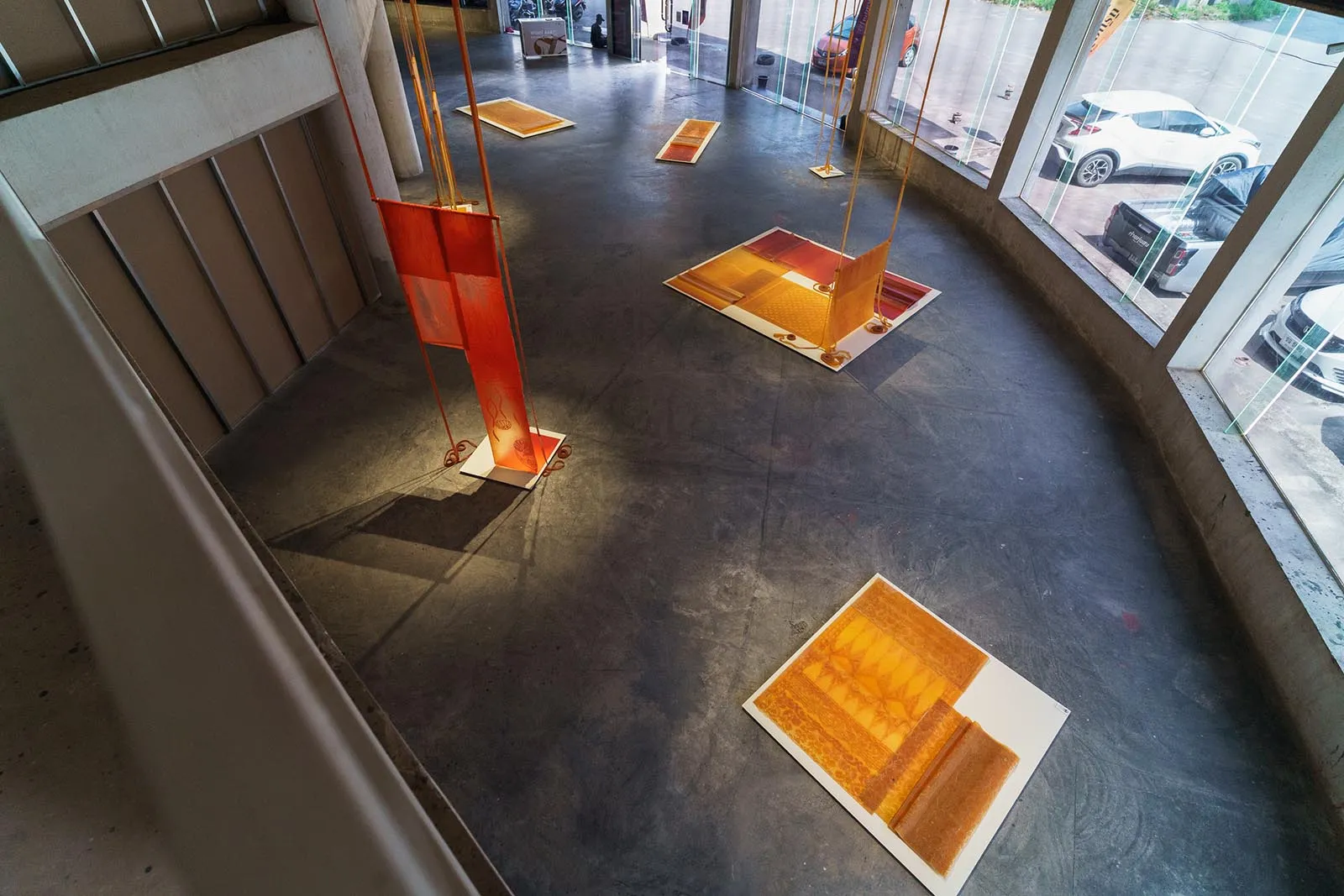
Ampannee Satoh’s Beyond The Homeland series. Courtesy of Thailand Biennale
By allowing art to inhabit what time left behind, the Thailand Biennale reawakens the many past lives of its largest island.
Landing in Phuket comes with a sensation that is hard to misinterpret. The island makes itself felt immediately, through color, humidity, and sound. Unlike many tropical hotspots that feel increasingly interchangeable, its blend of Thai, Chinese, Malay, and Peranakan influences, all intertwined in different ways. Shrines and temples sat beside cafes and tea shops, colonial-era shophouses glowed in pastel rows by Old Town, and tour buses idled near fishing piers. There was the obvious postcard beauty, printed on travel brochures and resort websites, but beneath that surface was something more complex.
It was a place that resisted singular definition. This tension, between Phuket as tourist fantasy and Phuket as a living archive, turned out to be the conceptual spine for this year’s Thailand Biennale itself.
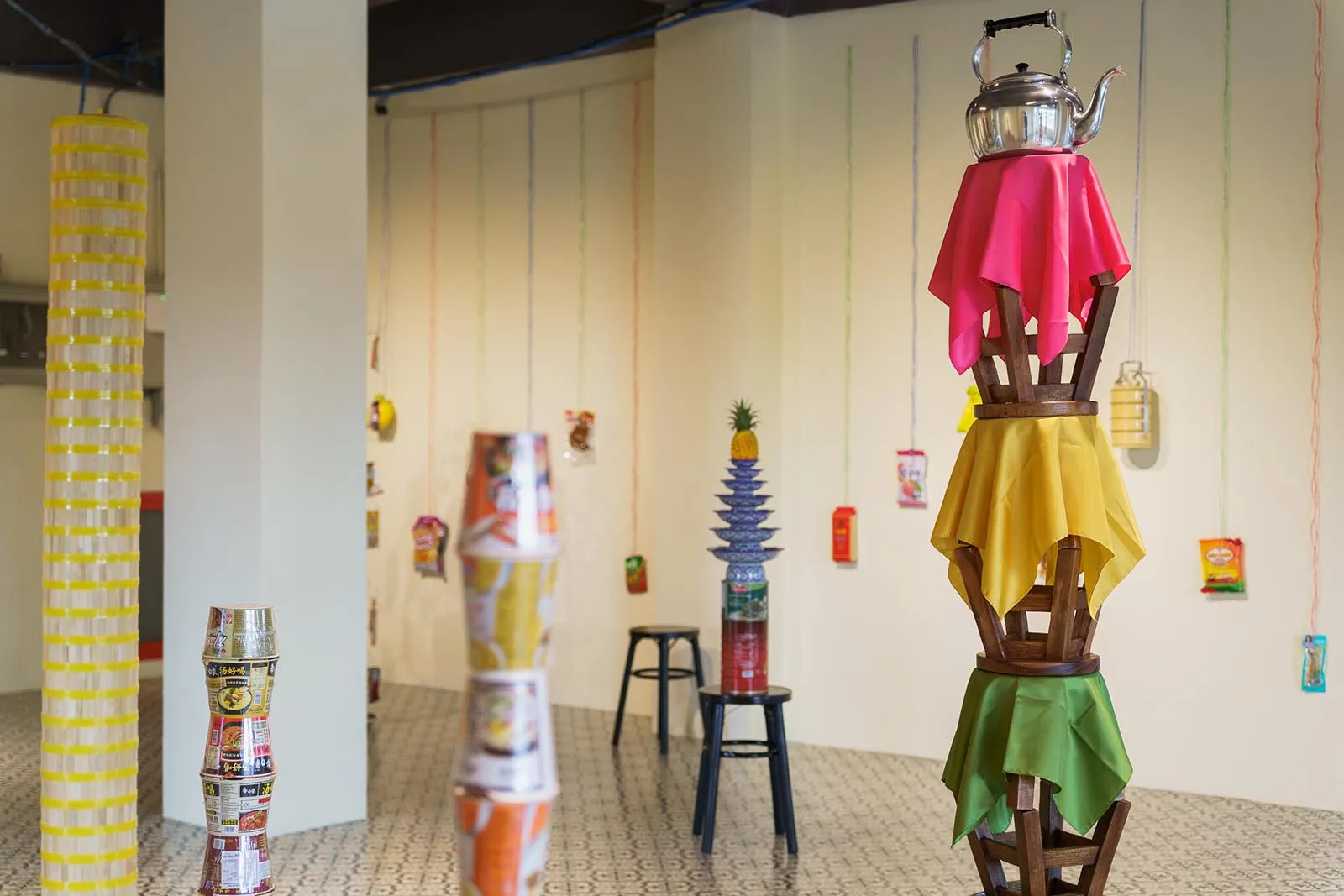
As Hera Chan, one of the Biennale’s curators, explained, the curatorial team of Arin Rungjang, David Teh, and Marisa Phandharakrajadej arrived in Phuket with almost no preconceptions. “When we went to Phuket at the end of August last year, there wasn’t a theme, there wasn’t an artist list or venues per se,” she says. They began by meeting people, anthropologists, musicians, shrine keepers, marine scientists, slowly building a different portrait of the island. Phuket, she noted, is often marketed as a place “out of time, out of history.” The Biennale sought to undo that narrative, to reinsert the island into larger conversations about labor, ecology, migration, and memory. The result was a sprawling exhibition titled Eternal Kalpa; a phrase intentionally left partially untranslated to suggest a more complex relationship to time.
Unlike conventional art fairs or museum shows, the Thailand Biennale is dispersed across the environment. There is no central hall, no single grand venue. Instead of constructing new spaces, it maps out more than 60 artists across multiple districts, occupying former banks, abandoned markets, decommissioned power stations, and municipal gymnasiums. In some ways, the exhibition felt like a treasure hunt.
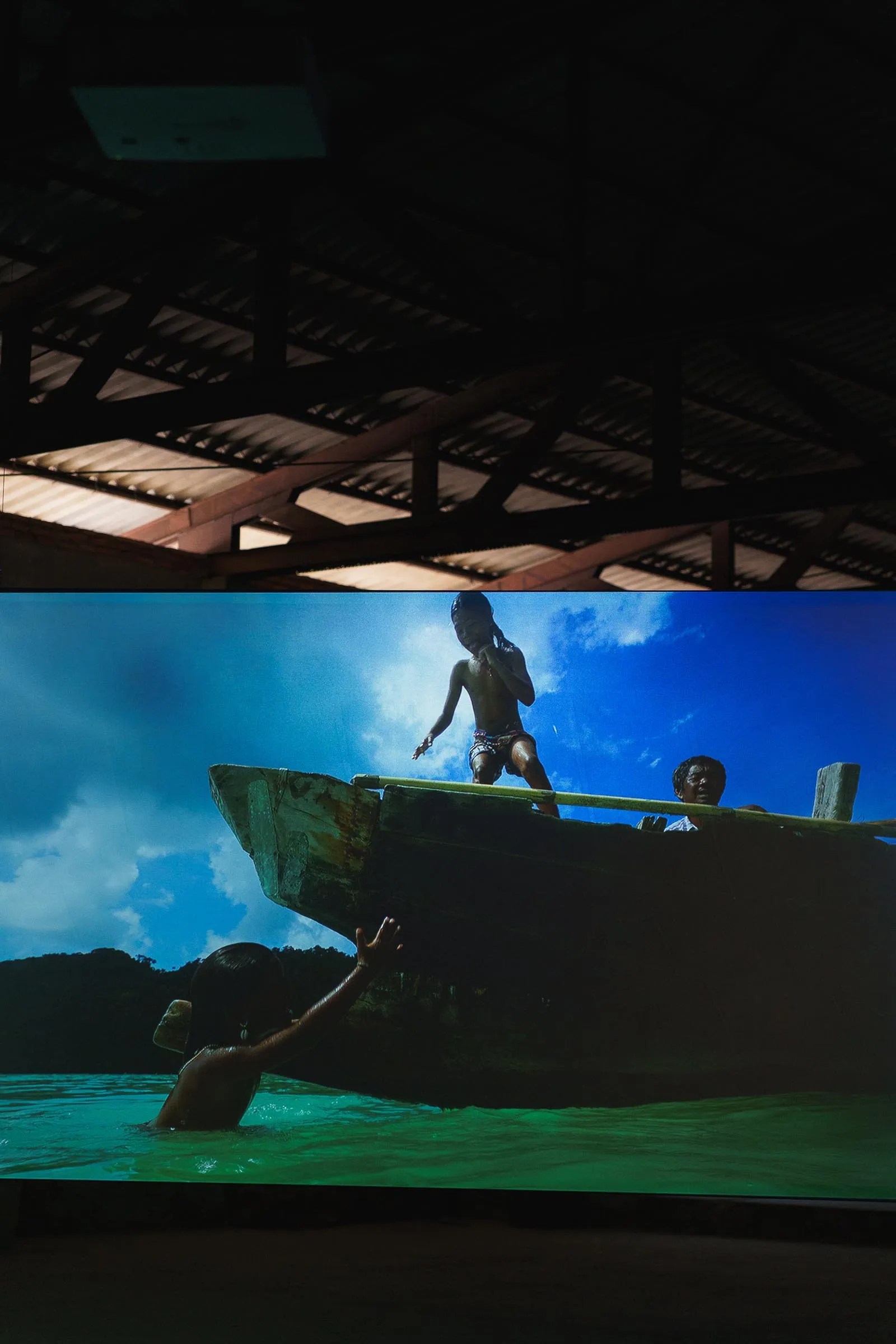
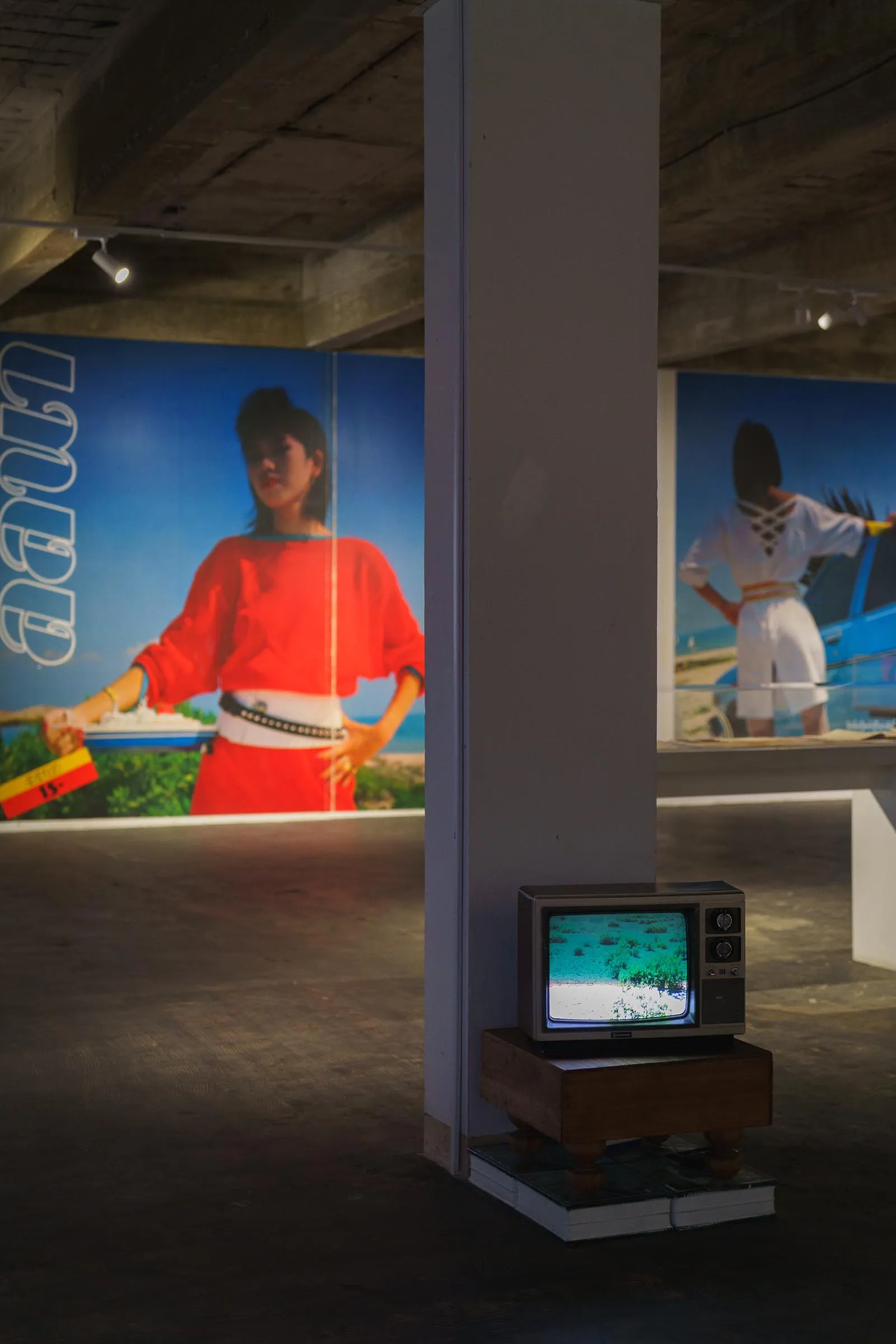
Inside an old gymnasium, “Is Your Time” is a haunting installation by Ryuichi Sakamoto and Shiro Takatani. A piano damaged by the tsunami during the Japan Earthquake in 2011, played itself through a system calibrated to data from natural disasters, each note slow and mournful. In the same space hung abstract paintings by the late Nirmala Dutt, also created in the aftermath of the Indian tsunami of 2004 which heavily damaged Phuket. These paintings were inspired by the story of a priest in Sri Lanka who rushed toward danger to rescue children taken by the waves, with proceeds from the original exhibition in Kuala Lumpur donated to the priest’s parish.
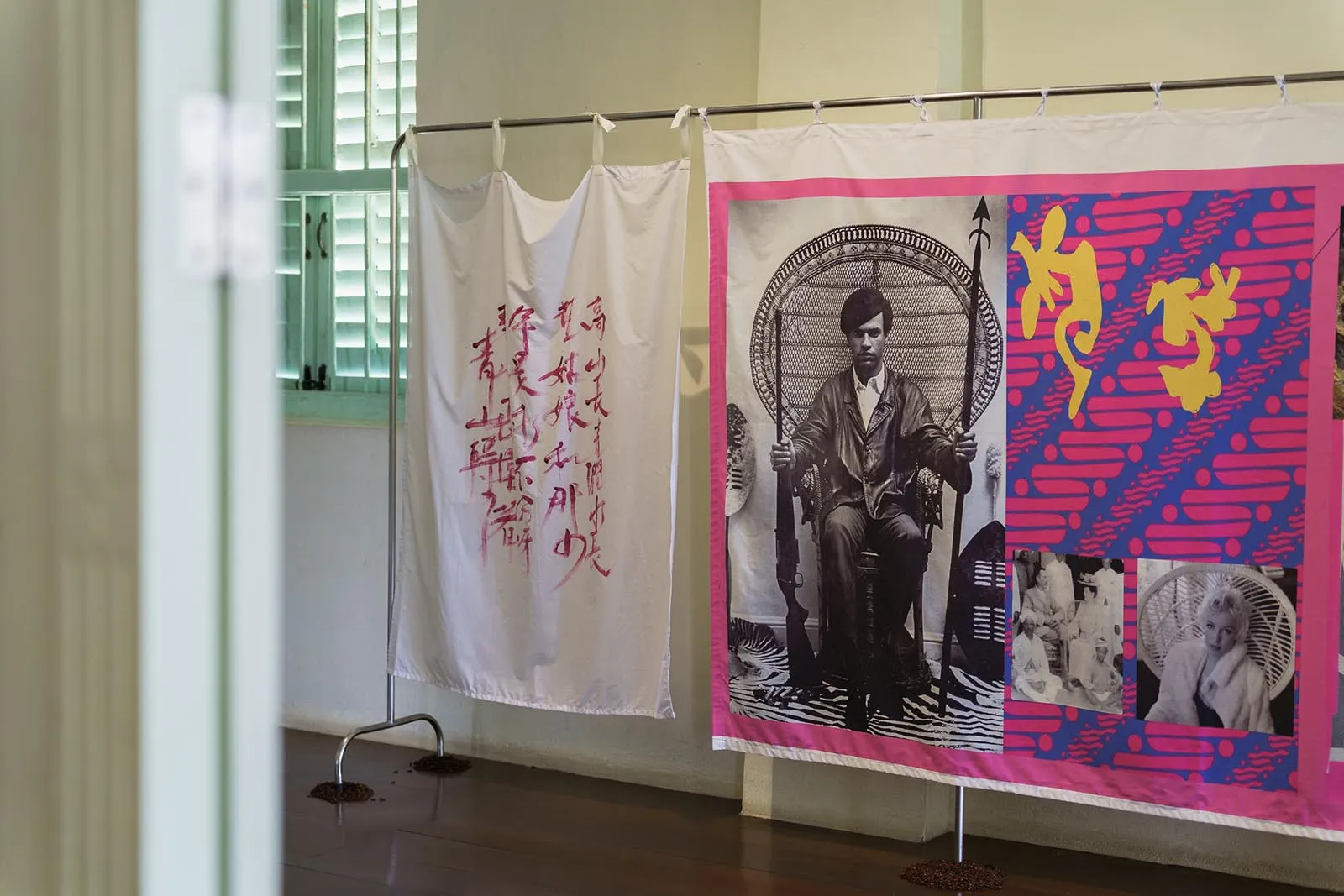
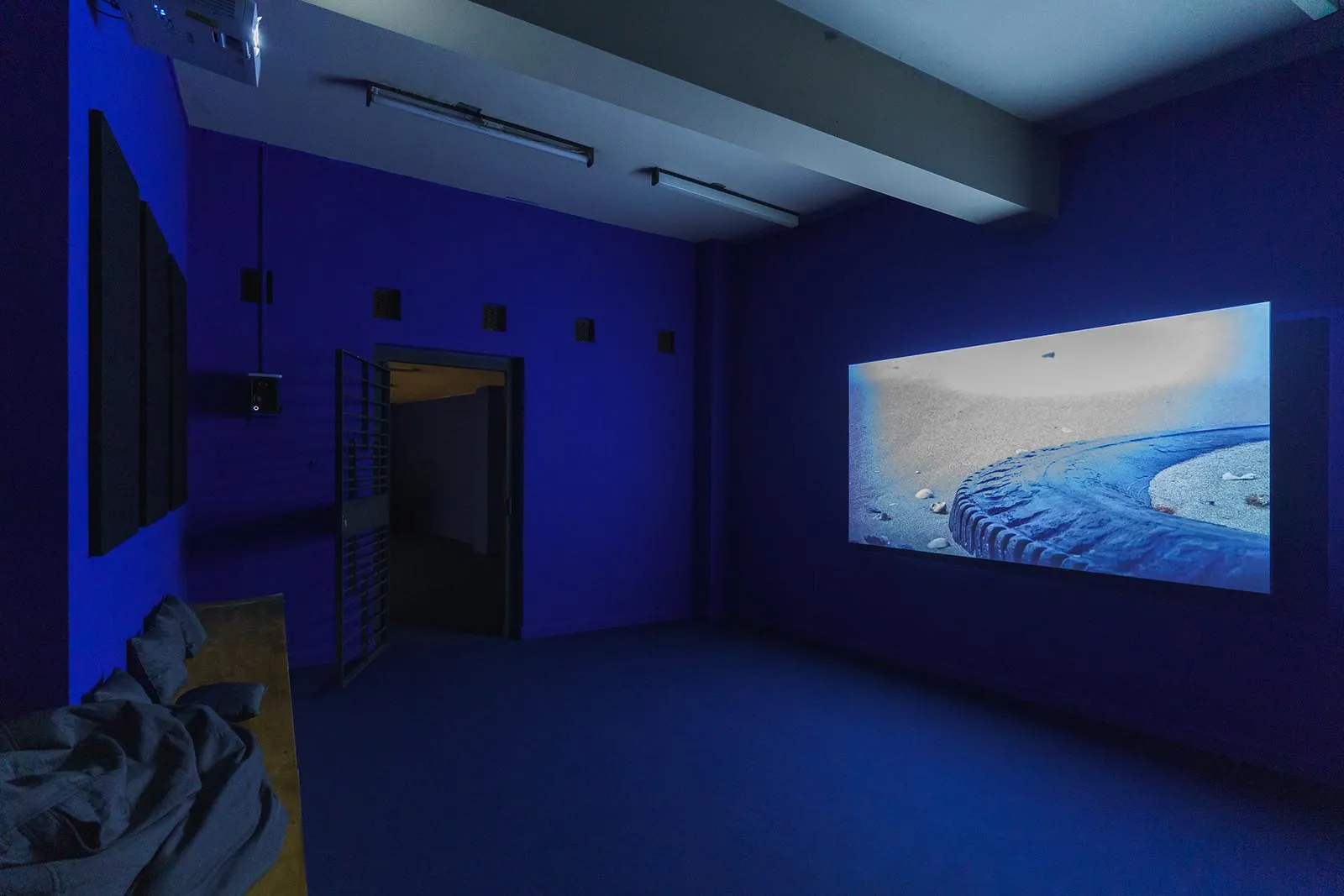
Elsewhere, in the shell of a former Bangkok Bank of Commerce, Rungruang Sittirerk’s installation of spinning tires played like vinyl records, a meditation on industrial labor and the relentless tempo of development. In this space was also Tomiyama Taeko’s Hiruko and the Puppeteers series; a Japanese artist that explored Asia’s relationship with gender and imperialist history. The works featured in this space, such as A Memory of the Sea (1987) and Wandering Minstrels and Puppeteers (2008), address the subject of migrant labor, giving dignity to centuries of unnamed migration across the Western Pacific, depicting sorrow and joy, retold by puppeteers performing in a theater underneath the sea.
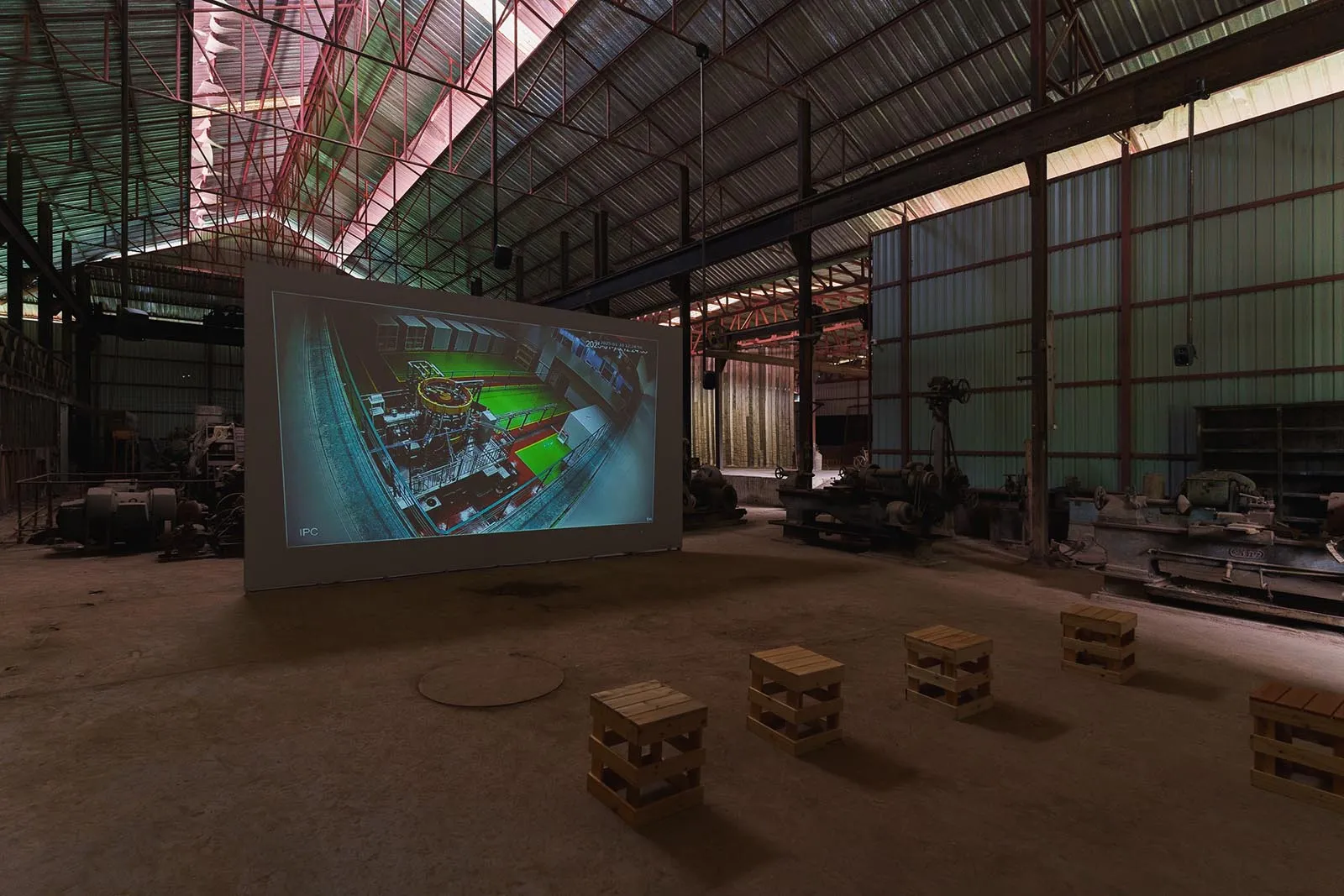
Another venue, the Chao Fah Power Station, houses large-scale commissions that respond directly to the machinery left behind from Phuket’s tin-mining era. Artist Chantana Tiprachart developed her work “Artificial II” after studying the site closely, using the power station as a metaphor for an “artificial sun” that once fueled the island’s industry. Nearby, Niwat Manatpiyalert presents “Land-fill,” sculptures and videos derived from scans of waste collected from the island’s incineration plant, confronting the environmental realities that accompany the area’s prosperity. Together, these works ground the exhibition in tangible local issues, shifting the focus from abstract ideas to the material conditions shaping Phuket today.
One of the defining characteristics of this edition was the decision to use “post-something” buildings. Post-industrial, post-mining, post-tourism. Rather than constructing pristine white cubes, the Biennale chose to inhabit structures already laden with their own past lives. “Thinking about the inhabitation of buildings of contemporary art as not a form of gentrification, but rather a form of giving life,” Hera explains, was central to the curatorial logic.
Nowhere was this clearer than at the Yi Teng Complex, a wet market that had been built but never opened. Over the years, vines had crept in, birds nested, and a new ecosystem generated life. Artist Pratchaya Phinthong responded by adding birdhouses and sound systems that played calls to attract more wildlife, collaborating with the site rather than erasing it.
What distinguishes this Biennale from other global art events is not only its scale but its regional specificity. Each edition is hosted by a different city, deliberately decentralizing the country’s art ecosystem. This matters in Thailand, where Bangkok dominates cultural and economic life. “Bangkok is a cosmopolitan metropolis,” Hera notes, “and it also means that a lot of particularities of different regions and provinces are diluted through this metropolitanism.” By moving the Biennale across the country, from Krabi to Korat to Chiang Rai and now Phuket, the project insists on local narratives outside its capital.
Phuket, she reminded, is the second largest GDP earner per capita outside Bangkok, largely due to tourism. Hosting the Biennale here was, in part, a way of returning cultural investment to the island itself. That civic intention was visible in the crowds, with families wandering into former hotels repurposed as galleries, teenagers posing for photos inside installations, and tourists bringing their children to evening programs.
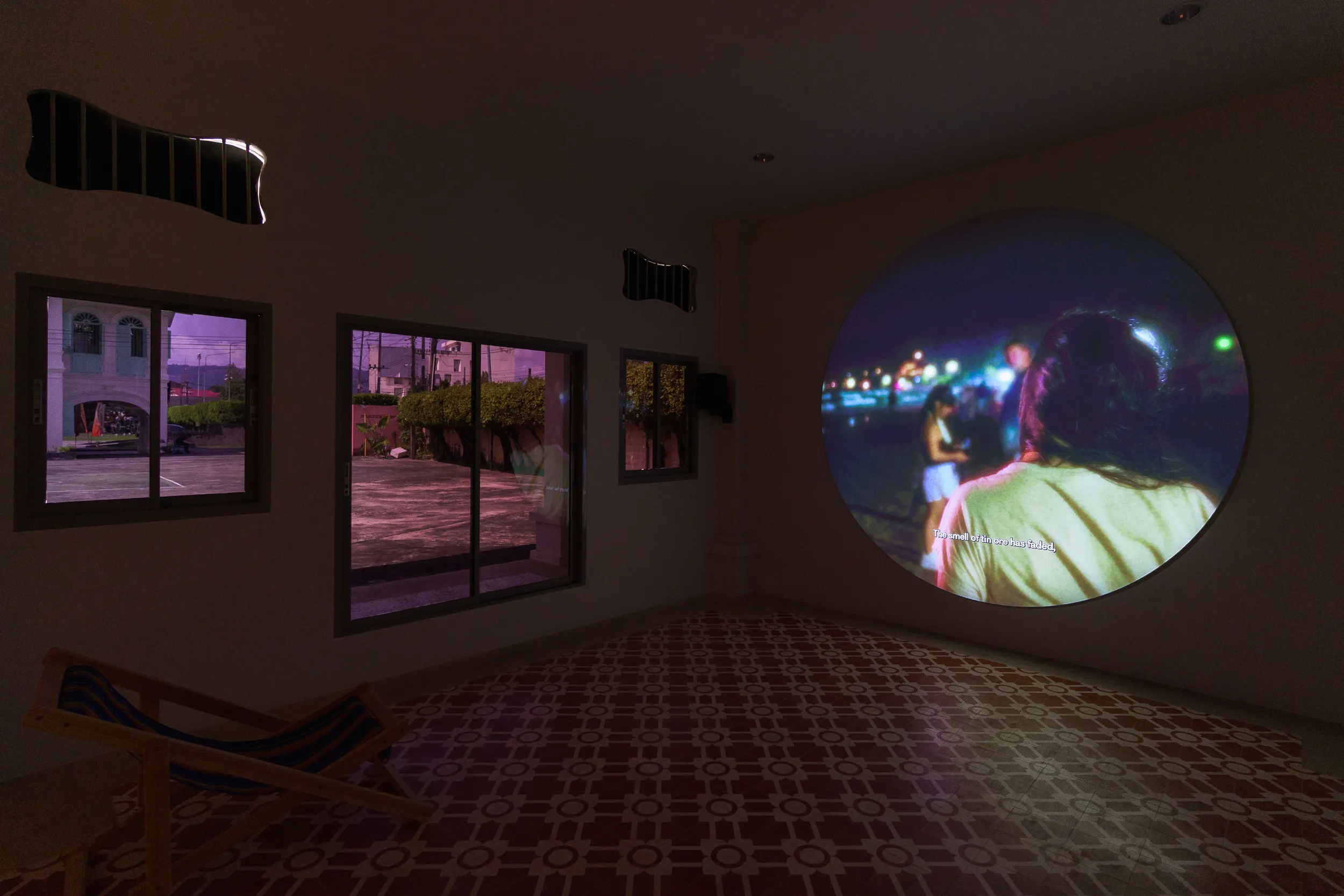
And zigzagging from Old Town to Kathu, visitors can find that many of these were not polite artworks. They confronted the island’s contradictions head-on: wealth built on extraction, paradise sustained by invisible labor, and beauty underwritten by waste. Yet the Biennale never felt accusatory. It operated in the mode the curatorial team described as “historically grounded.” Phuket’s past, after all, is not a single clean narrative but a collage of conflicting stories; of tin mining dynasties, migrant communities, colonial trade routes, and unrecorded violences. The Thailand Biennale does not attempt to resolve the tensions of the place it inhabits. Rather, it amplifies them, by allowing abandoned buildings to speak, allowing artists to respond, and allowing visitors to wander into unfamiliar histories.
Frequently Asked Questions
The 2026 edition, titled Eternal Kalpa, was curated by Arin Rungjang, David Teh, and Marisa Phandharakrajadej to reinsert Phuket into conversations about labor, ecology, migration, and memory, moving beyond its typical tourist-fantasy image.
The Biennale is dispersed across more than 60 artists’ works occupying former banks, abandoned markets, decommissioned power stations, and municipal gymnasiums throughout Phuket, rather than being housed in a single central venue.
“Is Your Time” is an installation by Ryuichi Sakamoto and Shiro Takatani featuring a piano damaged by the 2011 Japan tsunami, playing itself through a system calibrated to natural disaster data, displayed alongside Nirmala Dutt’s tsunami-inspired paintings.
The Biennale deliberately decentralizes Thailand’s art ecosystem by rotating through cities like Krabi, Korat, Chiang Rai, and now Phuket, countering Bangkok’s cultural dominance and highlighting regional narratives often diluted by the capital’s metropolitanism.
Rather than constructing new gallery spaces, the Biennale inhabits “post-something” structures — post-industrial, post-mining, post-tourism sites like the Yi Teng Complex wet market — treating occupation as a form of giving life rather than gentrification.