
Paperback Writer: David Guerrero on the Beatles’ Bad Date with the Philippines


Photographed by Sela Gonzales
In 1966, the Beatles ghosted Imelda Marcos and things got ugly. Sixty years later, British Filipino writer David Guerrero sets the record straight.
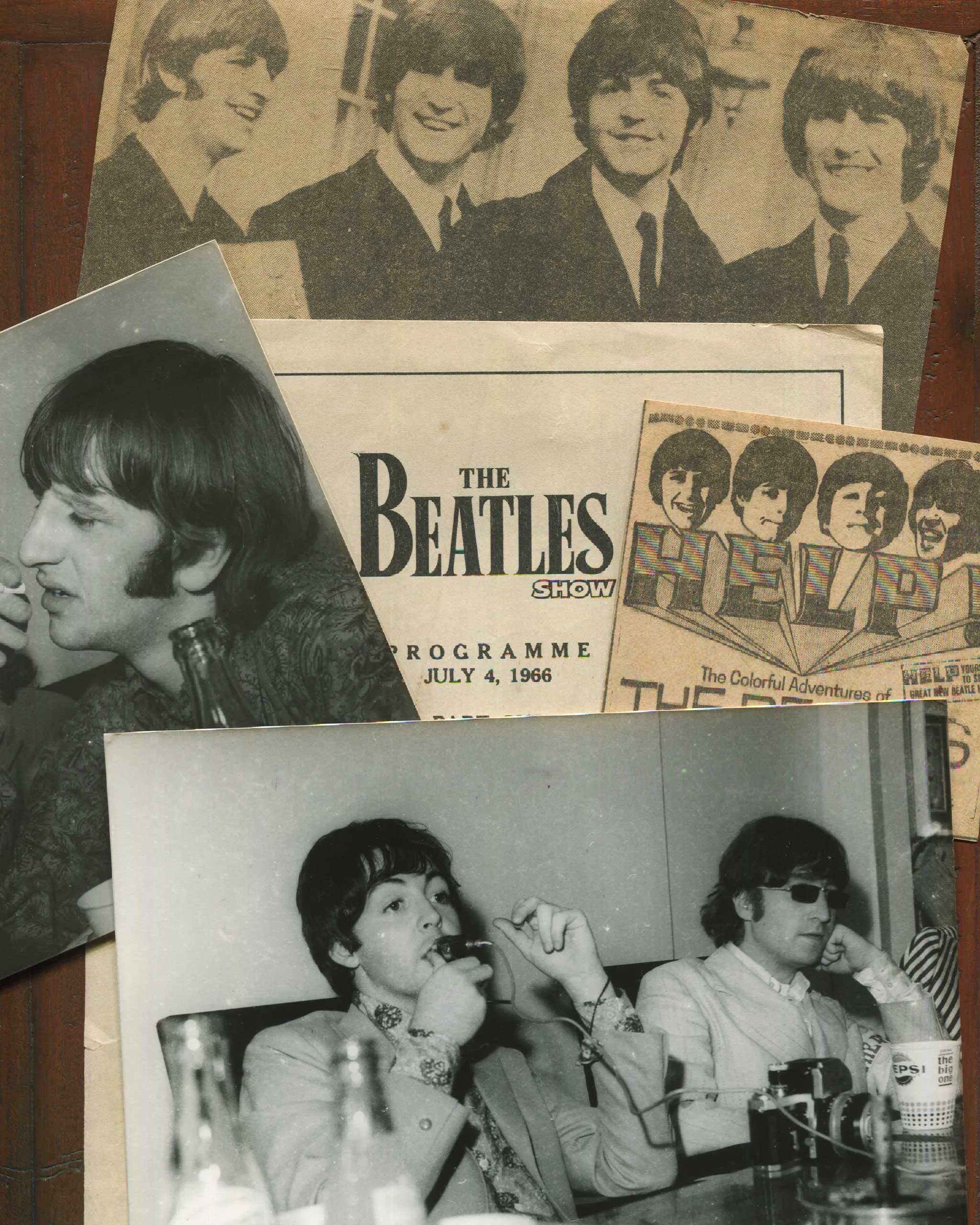
The reception at Malacañang Palace was meticulously planned. The Manila Philharmonic Orchestra provided a backdrop of solemn string renditions of Beatles tunes while servers hovered around elegantly set tables, awaiting the banquet catered by Via Mare. While the newspapers had described the visit as a “courtesy call,” guests who received the sought-after invitations were expecting something closer to a gala, possibly one of the first Imelda Marcos had hosted since becoming First Lady just six month earlier. With an audience that included VIPs, two hundred children and teenagers, journalists, photographers, and a live TV crew, the guests of honor would’ve been obliged to play a few of their hits. An extra mic had been set up, undoubtedly for Imelda to join them for a song or two.
But hours passed, and the Beatles were a no-show. The Marcoses has been stood up, blown off, or in today’s parlance, ghosted.
It was July 4, 1966, and the Beatles—a band bigger than Jesus at this point—watched the proceedings, or lack thereof, on live television, still in their hotel suite. They had no intention of honoring a promise they never made, of accepting an invitation that they had never laid eyes on. Or so it goes. What followed would become an enduring myth in pop culture history, of how the Philippines treated the Beatles so badly that the band vowed to never tour again. Newspaper headlines gleefully reported the Beatles’ snub and their consequent booting by an angry mob at the airport: Beatles alis dyan! The Philippines became a cautionary tale, if not forgotten footnote, in band lore, even though the country had delivered a total of 80,000 concert-goers: the biggest live audience the Beatles, or any rock band at that time, ever had.
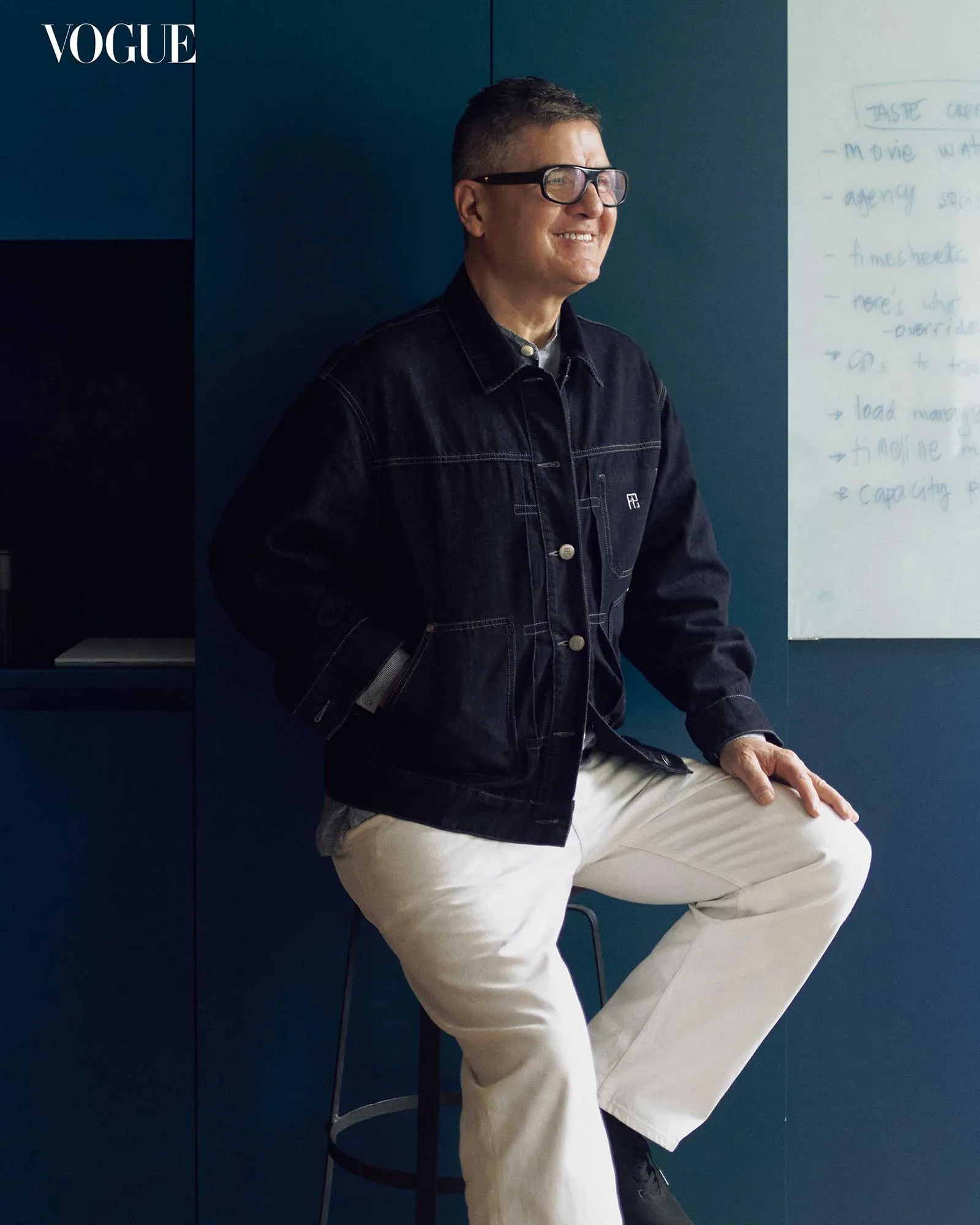
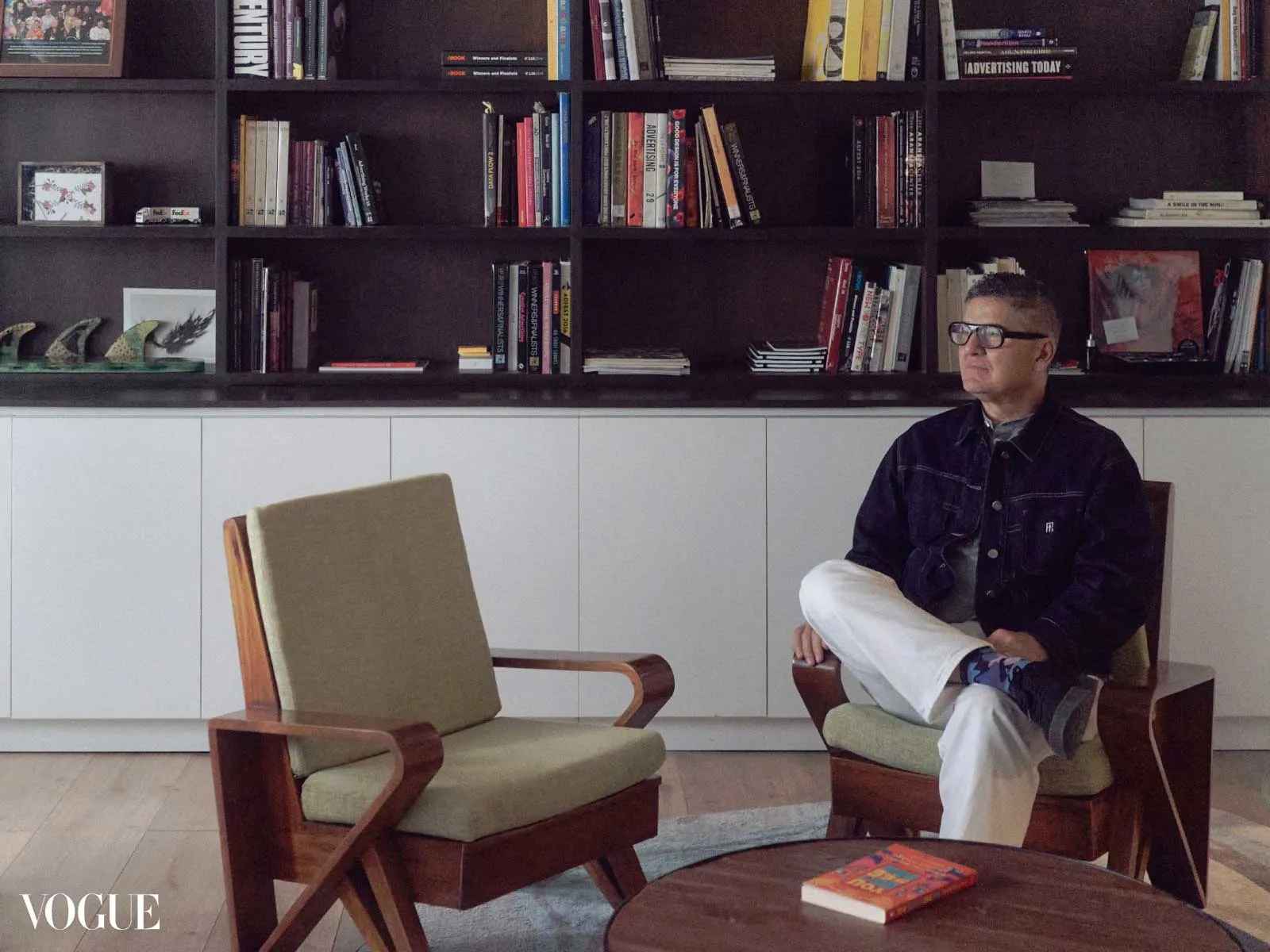
Sixty years on, David Guerrero set out to correct the misconceptions and false narratives surrounding this particular episode, which had fascinated him every since he first heard about it in 2006. A British Filipino Beatles fan who unabashedly decorated the offices of his ad agency BBDO Guerrero in theme, Guerrero kept returning to the story across different creative executions.
In 2015, when Ringo Starr released his album Postcards from Paradise, Guerrero saw an opportunity to engage with Starr’s social media promotions, which invited fans to tag the musician on images of paradisiacal locations. Guerrero devised a Department of Tourism campaign, headlined by Ely Buendia, the lead singer of the Philippines’ own Fab Four, to encourage people to send Ringo postcards of our beautiful destinations, with the aim of undoing 60 years of bad PR. Maybe, just maybe, Ringo would rethink his decades-old opinion and give the Philippines another chance.
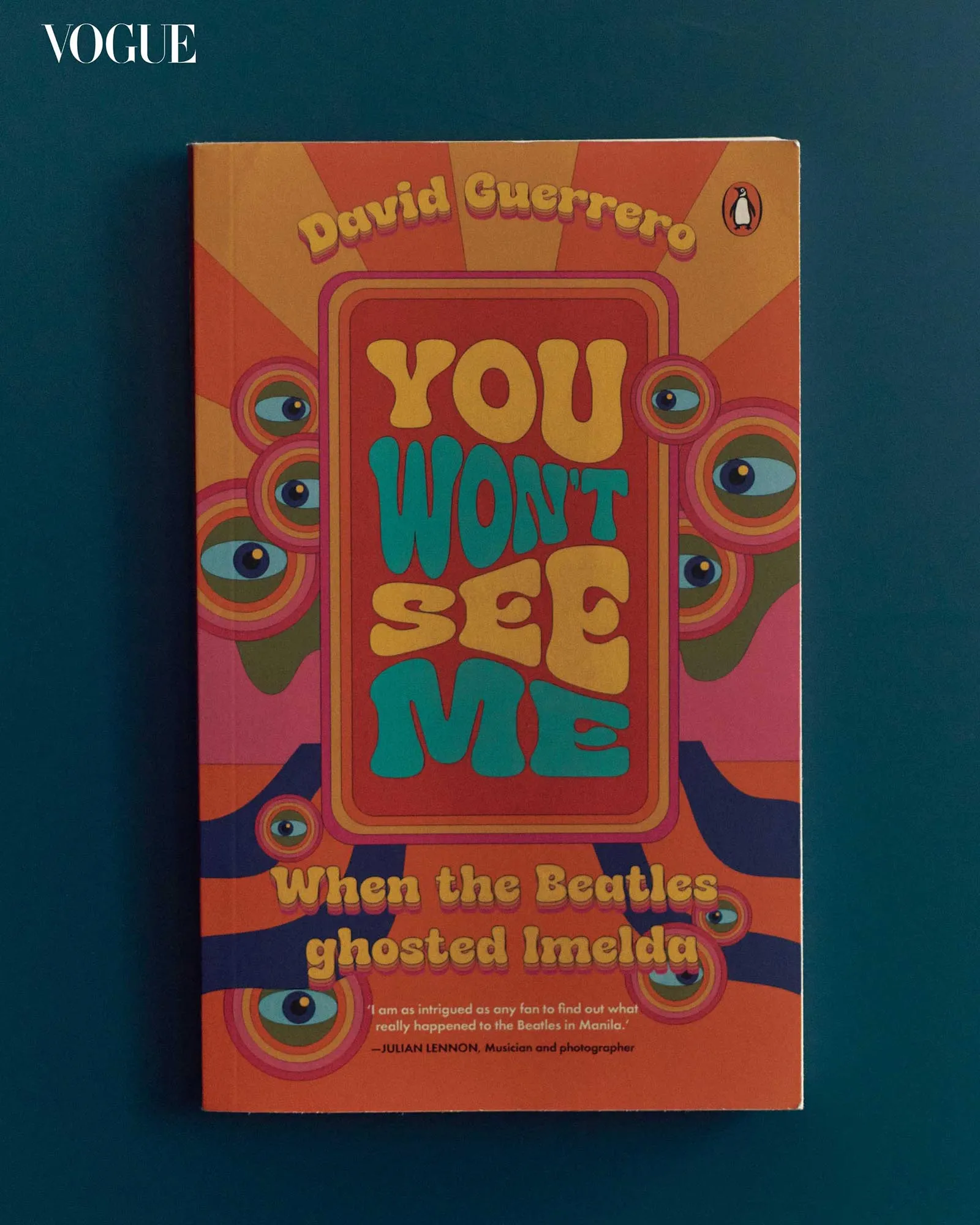
Guerrero had gathered enough research and resources to present a documentary on BBC World Service by 2021: When the Beatles Didn’t Meet Imelda, and also used the material for his master’s thesis in creative writing and literature, which he completed online at the the Harvard Extension School, and which became the basis for the book You Won’t See Me: When the Beatles Ghosted Imelda, published by Penguin Random House SEA.
From combing through Philippine newspaper archives to interviewing surviving members of the local fan club, Guerrero spent years accumulating evidence that pointed to other sides of the story, those not told in official anthologies and the personal memoirs published not just by the band members but the people who surrounded them: the press officer, the tour manager, even their roadie.
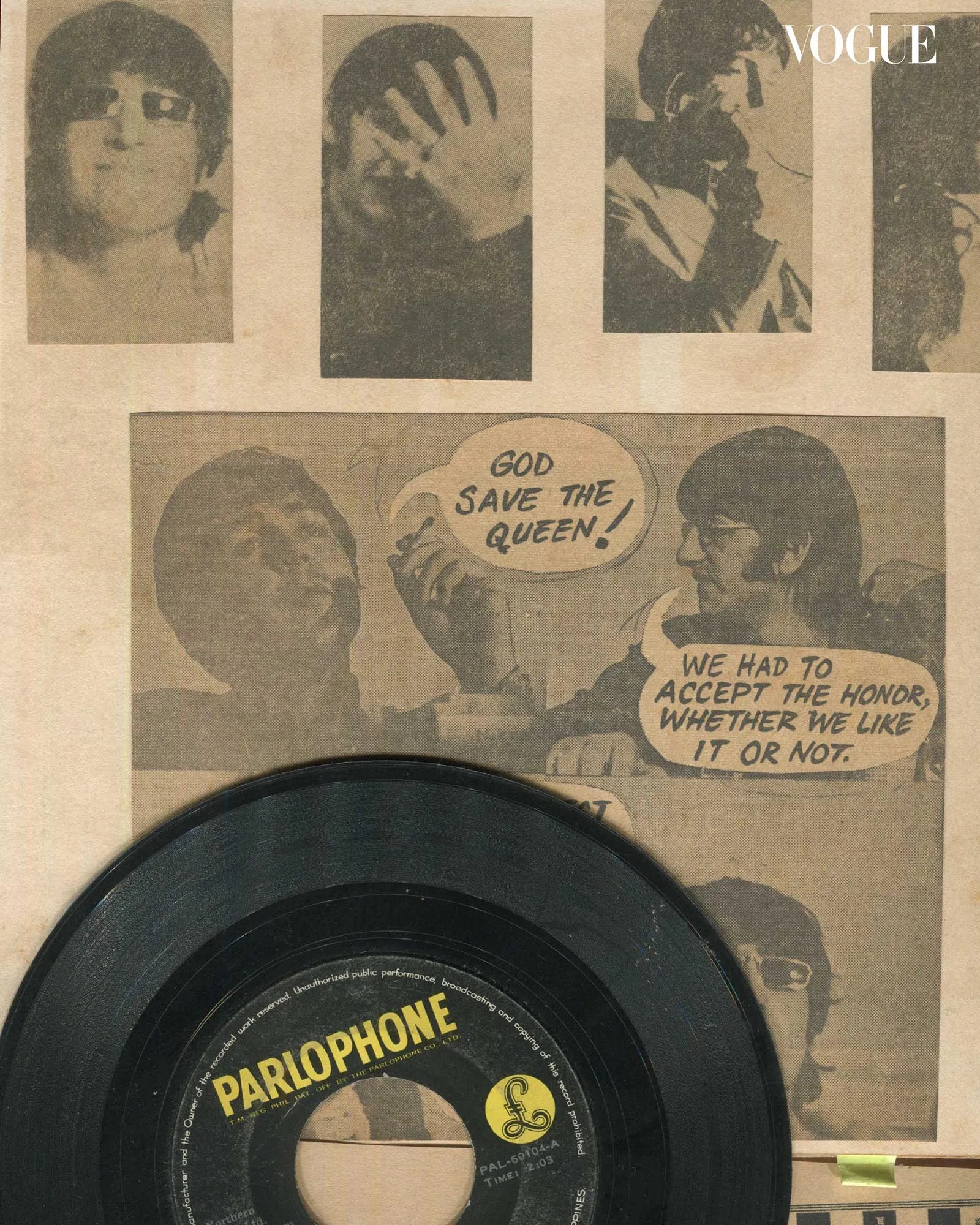
“The historical account has depended on the testimony of the band themselves. Whatever they say just gets taken as unchallenged truth. All these things get repeated over and over until they take on the status of undisputed fact,” says Guerrero. “A lot of critical thinking gets suspended when it comes to the Beatles. It’s like its own Magical Mystery Tour.”
He feels fortunate to have been able to speak to personalities who have since passed away, like Josine Elizalde, who spent an evening with the Beatles on the Elizaldes’ yacht MV Marima, and the singer Pilita Corrales, one of the opening acts of the show who recalls being backstage at the Rizal Memorial Stadium and rudely shooed away by manager Brian Epstein. “It feels like a race against time when you’re trying to write the history of something that happened 60 years ago.”
What still remains elusive is footage from the concert or any recordings of the press conference. Guerrero suspects there is more documentation out there. “I get tantalizing glimpses here and there. People might have kept photographs.” Perhaps even a copy of the invitation—with no receipts, the major loose end to this tragicomedy of errors remains the question of how, or whether, the invite to the Palace was ever properly conveyed to the Beatles in the first place.
“The Palace would not have gone to all the expense and embarrassment if they didn’t have some pretty good notion the band was going to turn up,” Guerrero says. Untangling the knots of miscommunication between the tour manager, the band manager, the concert promoter, and the band themselves, the author lays out how some of the involved parties were inexperienced, and others simply insensitive to the cultural context of the country they were visiting.
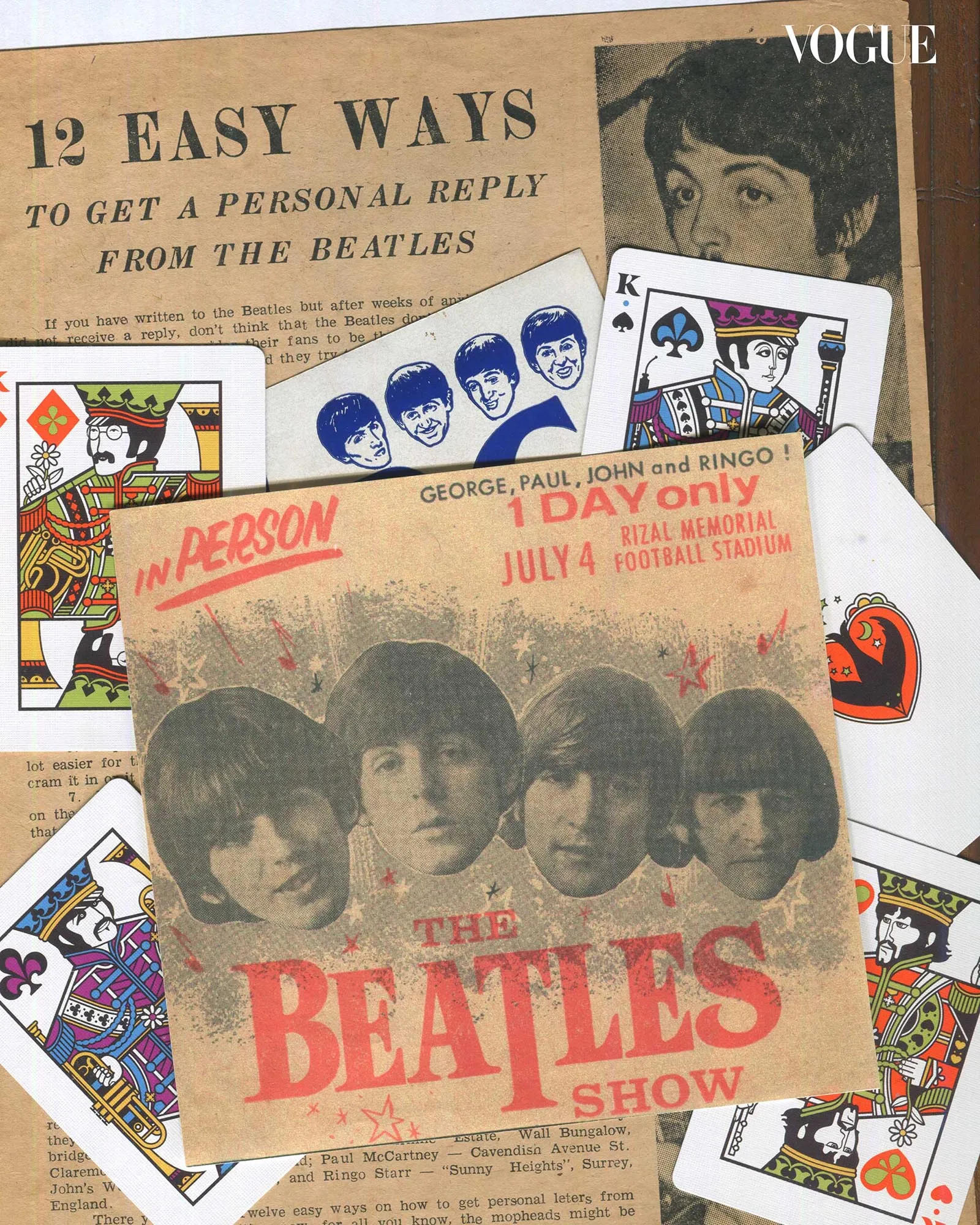
In the end, when the Beatles flatly refused to be whisked away by the military escorts who showed up at the Manila Hotel, it triggered a chain reaction of offended feelings, something we keep seeing when it comes to international celebrities and wounded national pride. Whether or not the Marcoses directly ordered the hit, so to speak, those close to the President and the First Lady took it upon themselves to make John, Paul, George, and Ringo’s remaining hours in Manila as uncomfortable and as harrowing as possible.
The response was more passive-aggressive than direct. “Their security gets withdrawn, the hotel room service suddenly stops working,” Guerrero says. “Things happen indirectly, all from a tangent, but it was very clearly felt nonetheless.” At the airport, the escalators were switched off, forcing the band to walk up with their hand luggage. A melee ensued, a confusion of shrieking fans trying to shield them and armed goons trying to rough them up. The Beatles escaped physically unharmed, but the damage had been done.
Still, the decision to stop touring was not solely the result of the Manila incident. The Beatles were growing as musicians, and just before they embarked on the world tour they had been experimenting extensively with new sounds in the studio. “They were messing around with early synthesizers, tape loops, Indian sitars, things they couldn’t perform live because they were so complex,” Guerrero explains. “There was that tension between the music they were making and the music they could play.” In Japan, playing to an audience that was unusually respectful and quiet, was the first time they could actually hear themselves perform, and they realized they sounded terrible. “So Manila was, as one of them put it, not just a nail in the coffin of touring, but a whole bag of nails.”
What Guerrero restores to the story is the unwavering presence of the Filipino fans. They had saved up for the expensive tickets, stood in the blistering heat, and screamed throughout a brisk 30-minute set that, amid the din, the audience could not properly hear. “There’s no argument between the fans and the band. That was never the dispute. The conflict was between Imelda and the Beatles,” Guerrero says. In the immediate aftermath, the band clarified to their fan club that only a few troublemakers at the airport were the villains, not the whole country. “Over the years that nuance had been lost: we hated the Philippines and we’re never going back. It just made for a better story, and made them look more rock and roll.”
At the Manila launch of You Won’t See Me, two women in their 70s stood up to talk about their close encounter with the Beatles when they were teenagers. Sisters Betty and Chato Ponce, along with their friends, had decided to sneak into the Manila Hotel after attending the concert. Discovering that the band was billeted on the fourth floor, the girls loitered along the hallway without a plan. Paul, upon seeing them, offered to let them in the room, but only two at a time. The boys, they claimed, were polite, friendly, and characteristically droll. The girls were nervous and quiet, and nothing untoward happened. It was a moment they would cherish for the rest of their lives, and to this day still get giggly while reminiscing.
Also present at the launch was another unsung hero of July 4, 1966, Josie Leorado, then a scrappy 19-year-old whose persistence got her named head of the official fan club. She scored tickets to the show, secured a personal meeting with Paul and George (whom she gifted with bolo knives), aided the boys during the scuffle in the airport terminal, and defended them against negative press. As recently as 2016, she recorded a message for the remaining members of the band, affirming that Beatlemania is still alive and well in the Philippines.
The title of the book is a Beatles track, a song about absence and invisibility. But it’s also about a country that the world has too often failed to see or understand. As an adman whose work it is make the Philippines visible through slogans and 30-second films, Guerrero’s foray into long-form writing is, in a sense, another iteration of the same project. He points out what is lost when Western narratives dominate the memory industry. “Other people have been telling the story of the Philippines. It hasn’t been told enough by Filipinos themselves. Let’s take our own history more seriously, and let’s have more people write more of it,” he says. “Telling our story is important, because who better to tell it?”
Frequently Asked Questions
The Beatles failed to appear at a planned Malacañang Palace reception hosted by newly appointed First Lady Imelda Marcos on July 4, 1966, having never actually received or accepted the invitation, according to writer David Guerrero’s research.
David Guerrero is a British Filipino advertising executive and writer who spent years researching the 1966 Beatles-Manila incident, resulting in a BBC documentary, a Harvard Extension School thesis, and his book published by Penguin Random House SEA.
Not solely — Guerrero notes the band was already shifting toward studio experimentation with sounds too complex to perform live, though the harrowing exit from Manila is often cited as a contributing factor.
The Beatles played to approximately 80,000 concert-goers in Manila, which Guerrero notes was the largest live audience the band, or any rock band at the time, had ever performed for.
Following the Palace incident, the Beatles’ security was withdrawn and escalators were switched off at the airport, forcing them to carry their own luggage through a chaotic scene of fans and hostile crowds before departing unharmed.
- Let It Be! The Beatles Biopic Is Coming With Dramatic Hair Transformations
- The Beatles Are Releasing A New Single Thanks To AI
- From Saoirse Ronan to Aimee Lou Wood: The Women of the Four-Part Beatles Biopic (And Who They’re Playing)
- This Upcoming Documentary on the Life of Pilita Corrales Will Take Viewers From Shipwreck to Stardom