
Autumn Durald Arkapaw Reflects on a History-Making Year, From Sinners to the Super Bowl


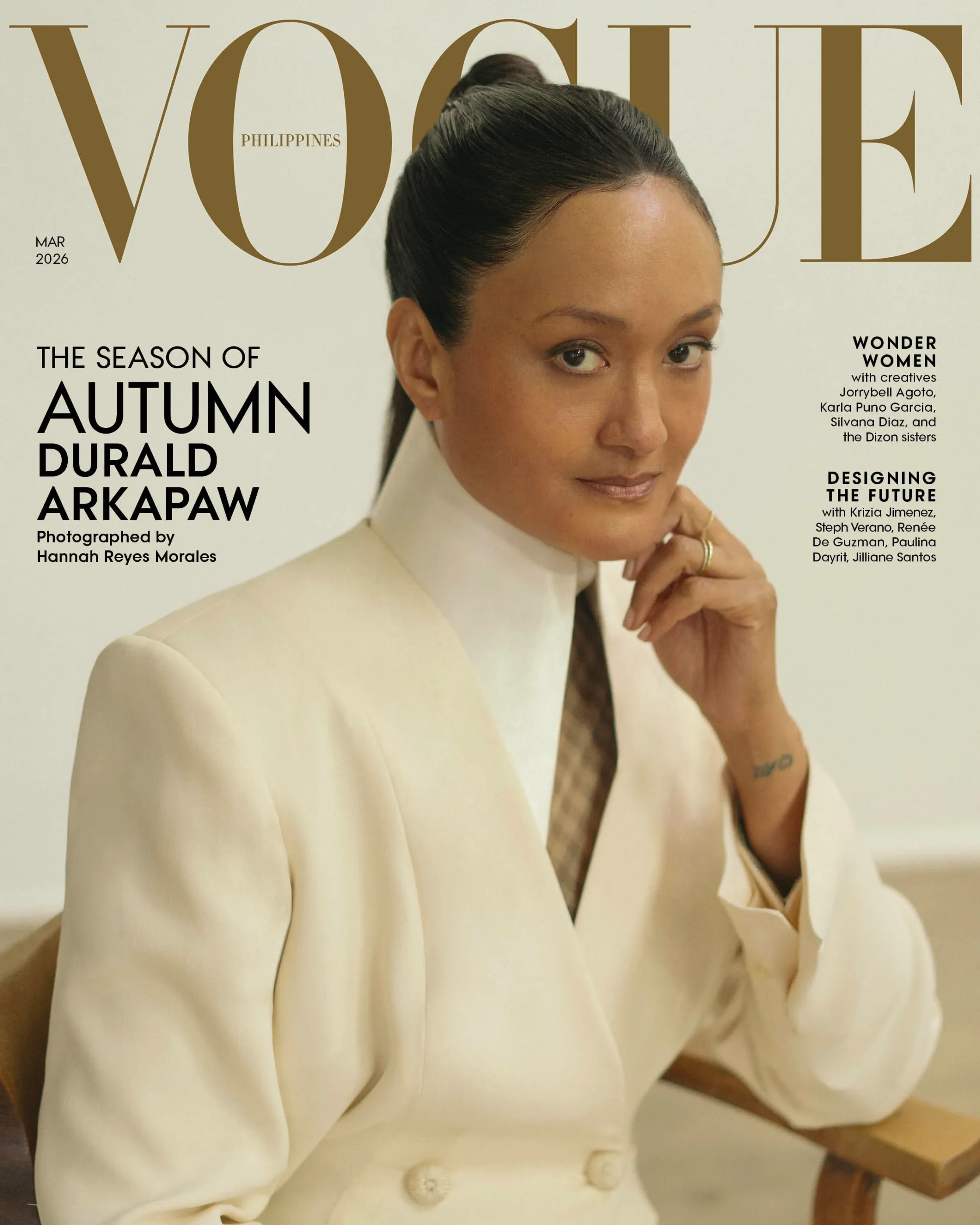
Autumn wears a LOUIS VUITTON top and jacket. On her wrist is a tattoo of her grandfather’s initials in Baybayin script. Photographed by Hannah Reyes Morales
With the widespread recognition of ‘Sinners,’ Oscar-nominated cinematographer Autumn Durald Arkapaw talks to Vogue Philippines about her historic moment behind the camera.
There are over a million people who have watched Sinners. There are more than 100 million people who watched the Super Bowl LX. Between those two audiences, it’s hard to imagine anyone who hasn’t already encountered the work of Autumn Durald Arkapaw.
In February, just before Benito blessed America with his halftime show, an Instacart ad aired during the first quarter of the game. The commercial starred Ben Stiller and Benson Boone as an ’80s Italo-disco sibling duo, doing backflips and singing “Instacart lets you choose your bananas, what a time to be alive!” For context, the brand is a US-based grocery delivery app that now allows customers to select the ripeness of their fruit. The ad looked like it was shot on Betamax, leaning hard into nostalgia, kitsch, and ridiculousness.
A week earlier, Durald Arkapaw had been telling me about that spot, one she worked on with the director Spike Jonze. In between shooting epic, generational movies that rack up record-breaking Oscar nominations, Durald Arkapaw also does funny commercials. “He’s just really fun to work with and very creative,” she says of Jonze, with whom she made Beastie Boys Story and the Aziz Ansari Netflix special. “It’s nice to do commercials, because you can kind of reunite with certain directors or meet new directors, and have fun, but with a shorter commitment.”
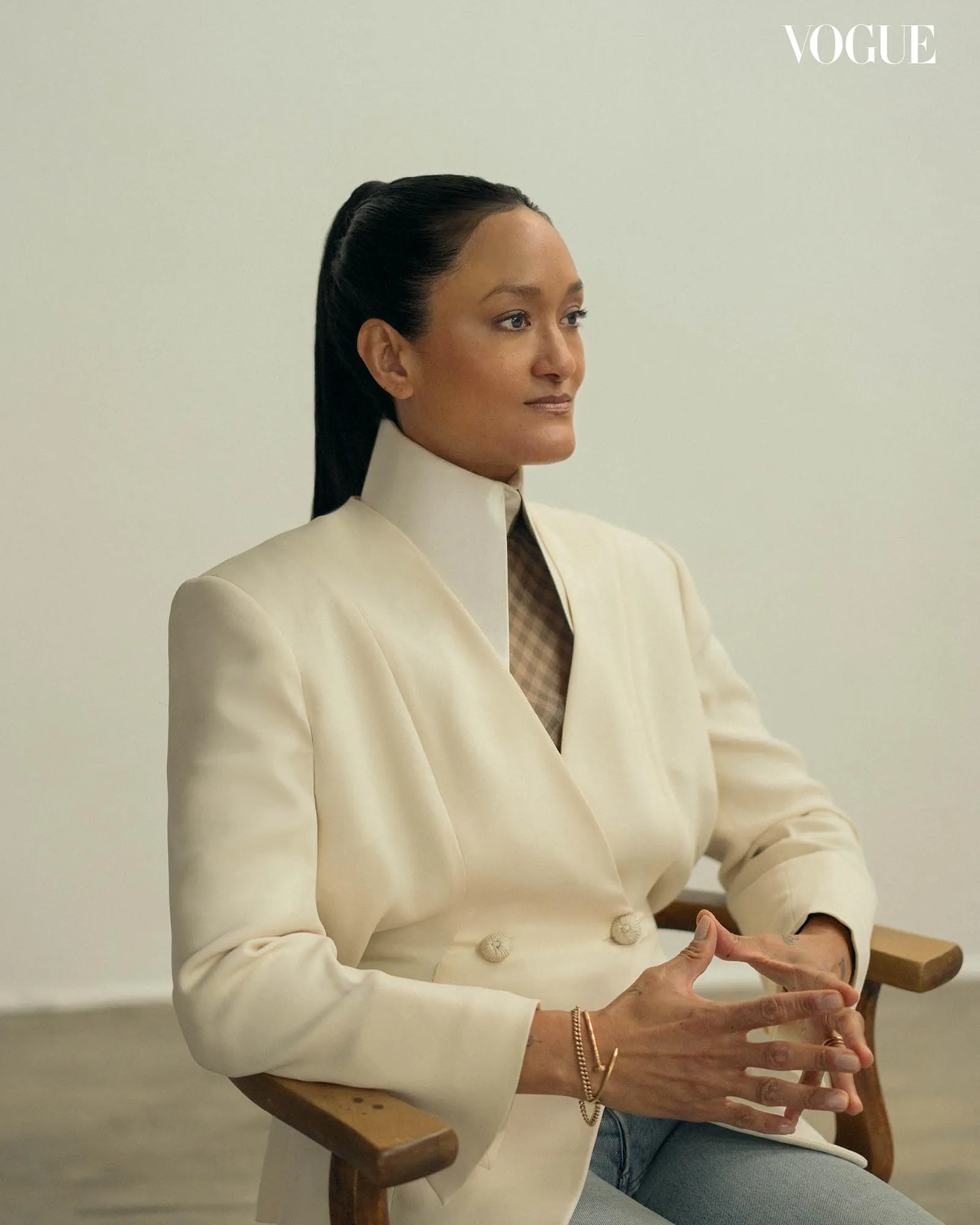
These short bursts of work that don’t take her far from home are important to Durald Arkapaw, who has a 10-year-old son. Her husband Adam is also a cinematographer, which makes balancing parenting and production schedules especially tricky. The film industry, with its distant location shoots that can go on for months, has never been kind to women with children. But she rejects the idea that motherhood is a liability. “I really wanted to have a child, and as much as it can make things difficult with the scheduling, I wouldn’t have it any other way,” she says. “I think I’m a better photographer because I’m a mother. So you just make it work.”
She credits her Filipina mother and stepfather, who live nearby, as a crucial support system in helping care for her son. Durald Arkapaw herself was raised by a working mother, surrounded by aunties and uncles, and a grandmother who came to live with them. “I’ve never been to the Philippines,” she says, “but I’m very in touch with that side. And food was a big part of our culture.”
When we spoke, Durald Arkapaw was still in Los Angeles, preparing for the next leg of award shows, from the Prix AFC Awards in Paris to the BSC Awards in London. She’ll return home for a couple of weeks before heading back to London for the BAFTAs, the season finally culminating with the 98th Academy Awards on March 15.
Whether or not she wins every award she’s been nominated for, Durald Arkapaw has already made history. She is the first female DP to shoot a feature on Ultra Panavision and IMAX 65mm, and the first woman of color nominated for a Best Cinematography Oscar. As of today, she is in the running to be the first woman to win the award in the Academy’s near century-long history.
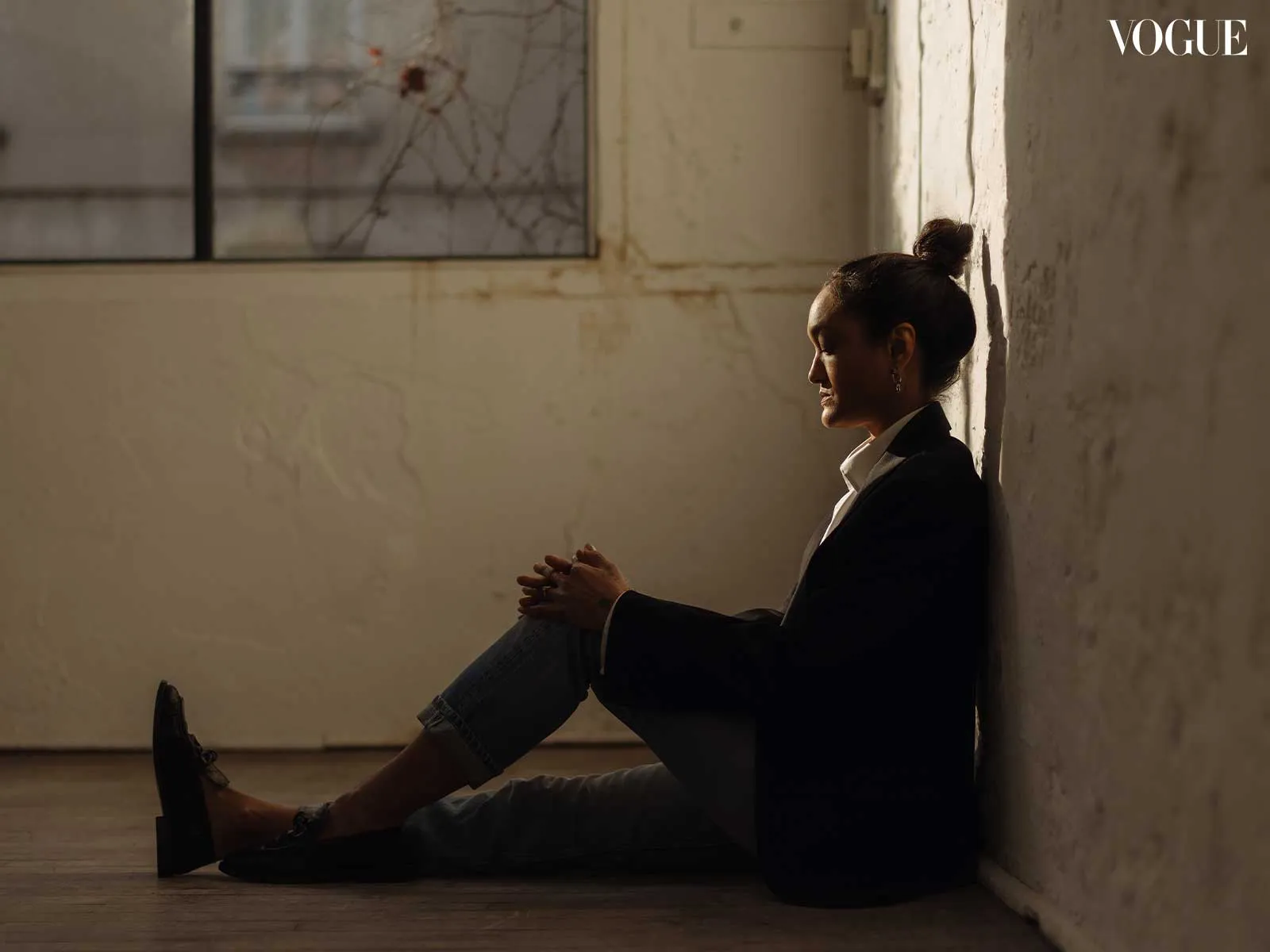
Last October, she first appeared in Vogue Philippines, speaking about her path to cinematography and the emotional journey of lensing Sinners. Entering the new year, Durald Arkapaw is no longer just a self-described geek behind the camera. She is consciously putting herself out there. “It’s very easy to talk about the film and the people that I work with, because I love them so much,” she says of her increased visibility. “When you do these awards, you have to do a lot of talks and do these photo shoots, and even if that part of it feels uncomfortable to me, I’m okay with it, because I’m so proud of the film, and I want to show other girls that they can also be doing the same job.”
That sense of responsibility has become central to Durald Arkapaw’s presence in the industry, lighting a torch for girls and women of color with dreams of working in film. Since Sinners was released, she has received an outpouring of messages thanking her for being that inspiration. “I take it very seriously.”
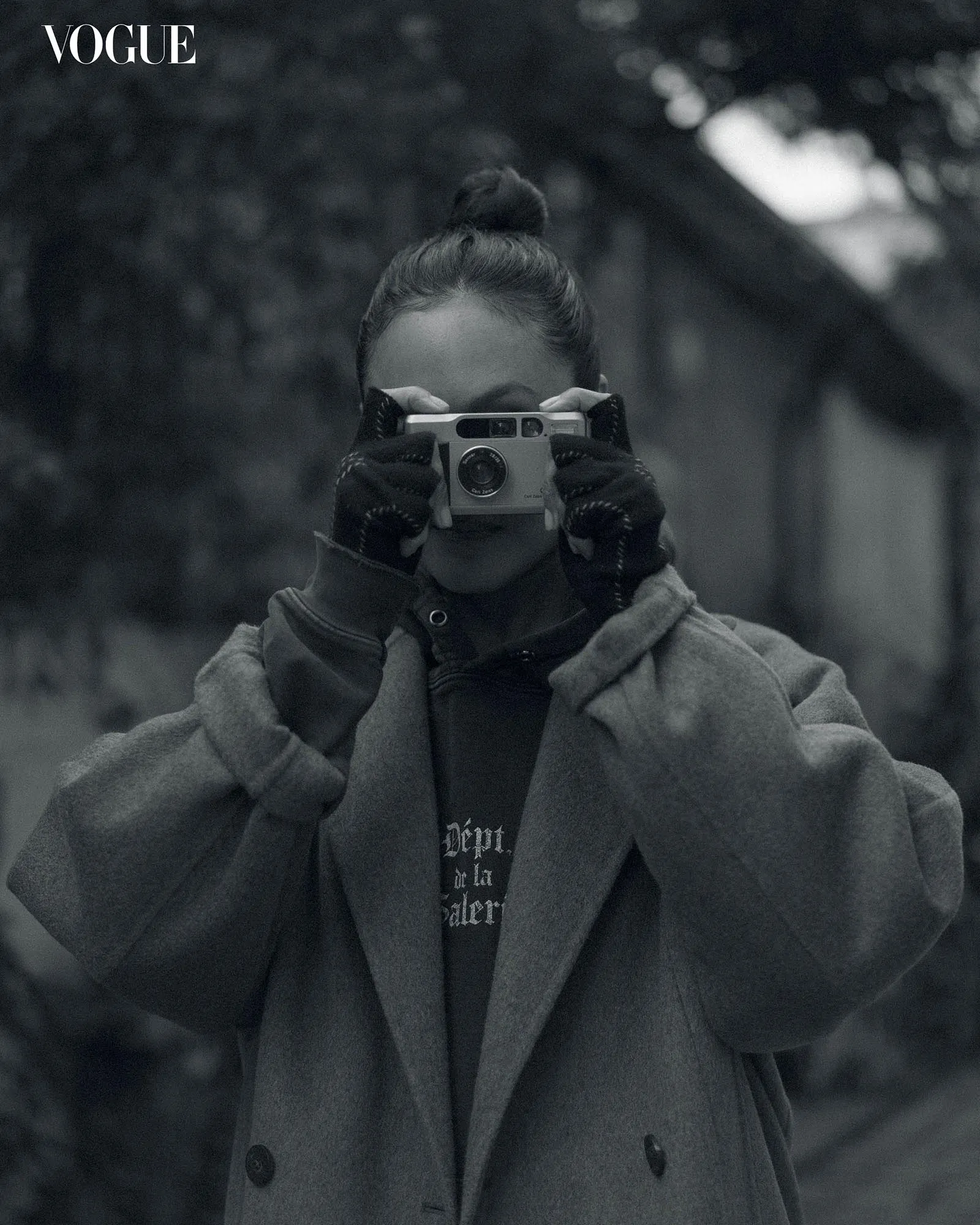
For her second shoot with Vogue Philippines, London-based photojournalist Hannah Reyes Morales traveled by Eurostar to spend the day with Autumn in Paris. Both of them were slightly out of their comfort zones. Durald Arkapaw admits she dislikes being in front of the camera, but she was thrilled to be working with a Filipina photographer. “I wanted it to be a portrait that was as collaborative as possible,” Reyes Morales explains, “not just the taking of someone’s image.” She welcomed Autumn’s notes on lighting, making sure the portrait felt true to who she is.
“I want to show other girls that they can also be doing the same job.”
For Reyes Morales, the experience was life-affirming. Durald Arkapaw felt like “the big sister you always wanted to have,” she says. Autumn is the embodiment of what is possible: “She’s a Filipina, she’s a woman, she’s a mother. It’s like, oh, you can take up that space. It was incredible to see how confident she was, how bold she was, how fierce she was in the world.”
After the shoot, the two simply talked shop. Reyes Morales remarked on the fact that, despite her being in this very wild, historic moment at the highest level of her craft, Durald Arkapaw didn’t even mention the Oscar, and just wanted to talk about the back end of work. “She just cares deeply about the work and the process,” she says. “About images, and representation.”
There’s a sweet little story arc in Autumn’s own development. Before she pivoted to film school, she held a corporate desk job at AOL Time Warner selling banner ads for websites, art and copy squeezed into boxes no taller than 60 pixels. Today, she hoists refrigerator-sized cameras onto her shoulder, shooting large-format films meant to be projected on massive theatrical screens. The scale has changed, and with it, the impact, using a camera to architect an image that conveys depth, emotion, and story in a single shot.
“That’s the magic of Autumn,” says Zinzi Coogler, Ryan Coogler’s wife and an Oscar-nominated producer on Sinners. “Being able to capture through a lens what the human eye can see, all while drawing into the specific emotion she and the director are trying to say. She’s able to hold on to both things in a way that we don’t notice the technicality of what she’s achieving, but at the same time we are blown away, seeing the hues of every character’s skin tone in a way that’s never been done before.”
Durald Arkapaw frequently works with Panavision to create bespokeBespokeClothing made to a client's individual measurements and specifications, with the client involved in choosing fabric, cut, and details. Bespoke garments involve multiple fittings and meticulous craftsmanship, and they differGo to Bespoke Glossary lenses tailored to each project. This means designing the glass itself, the housing, the iris, the curve of the lens. The Last Showgirl’s intimate haze was produced using 16mm film and a custom anamorphic lens she designed with Panavision’s lens expert Dan Sasaki. “I put a lot of aggressive aberrations and fall off on it,” she says. “If someone else picked up that lens they would think it was broken, but to me, it’s not broken.”
The lenses and the lighting become characters in their own right. In Sinners, there is a quieter scene, not often talked about compared to the glorious church opener or the jaw-dropping ancestral spirit rave in the juke joint, where Smoke (Michael B. Jordan) and Sammy (Miles Caton) are together on the upper level of the sawmill. “I remember when we shot it, it was a very intense conversation between them, and Smoke pulls out a gun,” Durald Arkapaw recalls. “I really loved the way it was lit and framed, and then ultimately, I love the way that that the editor and Ryan put it together. It reminded me of The Godfather, like one of those scenes where it was just two people talking.” Lit by gas lamps, the men are bathed in warm light that brings out the richness and texture of their skin. It’s not a big scene, but it’s a beautiful one.
After two films together, Durald Arkapaw and Coogler have developed a way of working together, a shared visual language driven by innovation and grounded in emotion. Next, they will be bringing that sensibility to a reimagining of the X-Files. I must admit I was a superfan of the original series in the 1990s. Durald Akrapaw was not, though both of their mothers were. “We [Coogler and I] like to think outside the box, so we’ll see what happens,” she says, smiling. “The landscape will be completely different, so it’ll call for a different lighting setup and different lensing. That’ll be fun to figure out.”
The widespread recognition and celebration of Sinners, especially within this political climate, speaks to the film’s impact and to cinema’s enduring power of connecting people. “Even though the subject matter can be difficult for some,” she says, “most people who’ve seen it were really affected. It made them think about the world. It made them think about the Black experience in America.”
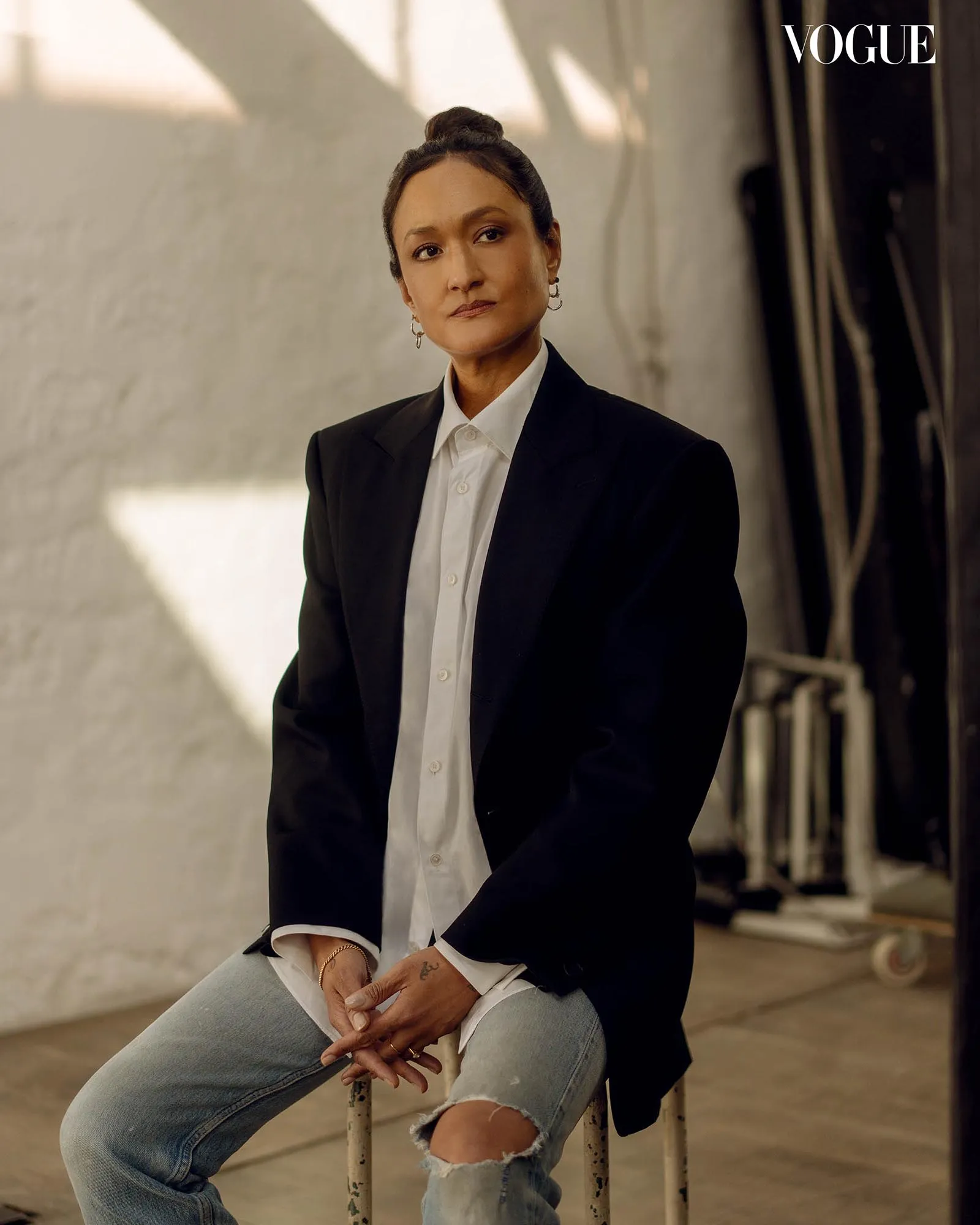
While on the set of Sinners, Durald Arkapaw reconnected with her New Orleans-born father’s side of the family and learned more about her Creole heritage. She also hopes to bring to life a deeply personal story from her Filipino side. Her grandfather, Guillermo Pagan Bautista from Masantol, Pampanga, lived a life of remarkable survival. He endured the Bataan Death March, evaded Japanese forces by moving his family from town to town, and fought with the resistance. He eventually joined the U.S. Army and was stationed in England, where her mother was born. Before he died, he wrote it all down. “He was always the most important man in my life,” she says. “One of the biggest influences on my childhood and my family.” When Durald Arkapaw eventually visits the Philippines, she will see just how far her work has traveled, and how deep her roots grow.
Years ago, at a Yeah Yeah Yeahs concert, Durald Arkapaw had a revelation. Onstage, Karen O said, “You need to see you to be you.” It’s a line that she returns to often, offering it as encouragement to others. “Sometimes all it takes is seeing someone do what you want to do,” she says, “to get you to take those steps.”
From stories rooted in Black American history to those yet waiting to be told, Durald Arkapaw’s journey, and her vision, has been defined by expansion: of scale, of representation, of possibility. More than any award, perhaps the most lasting image she leaves is that of a girl learning to see herself.
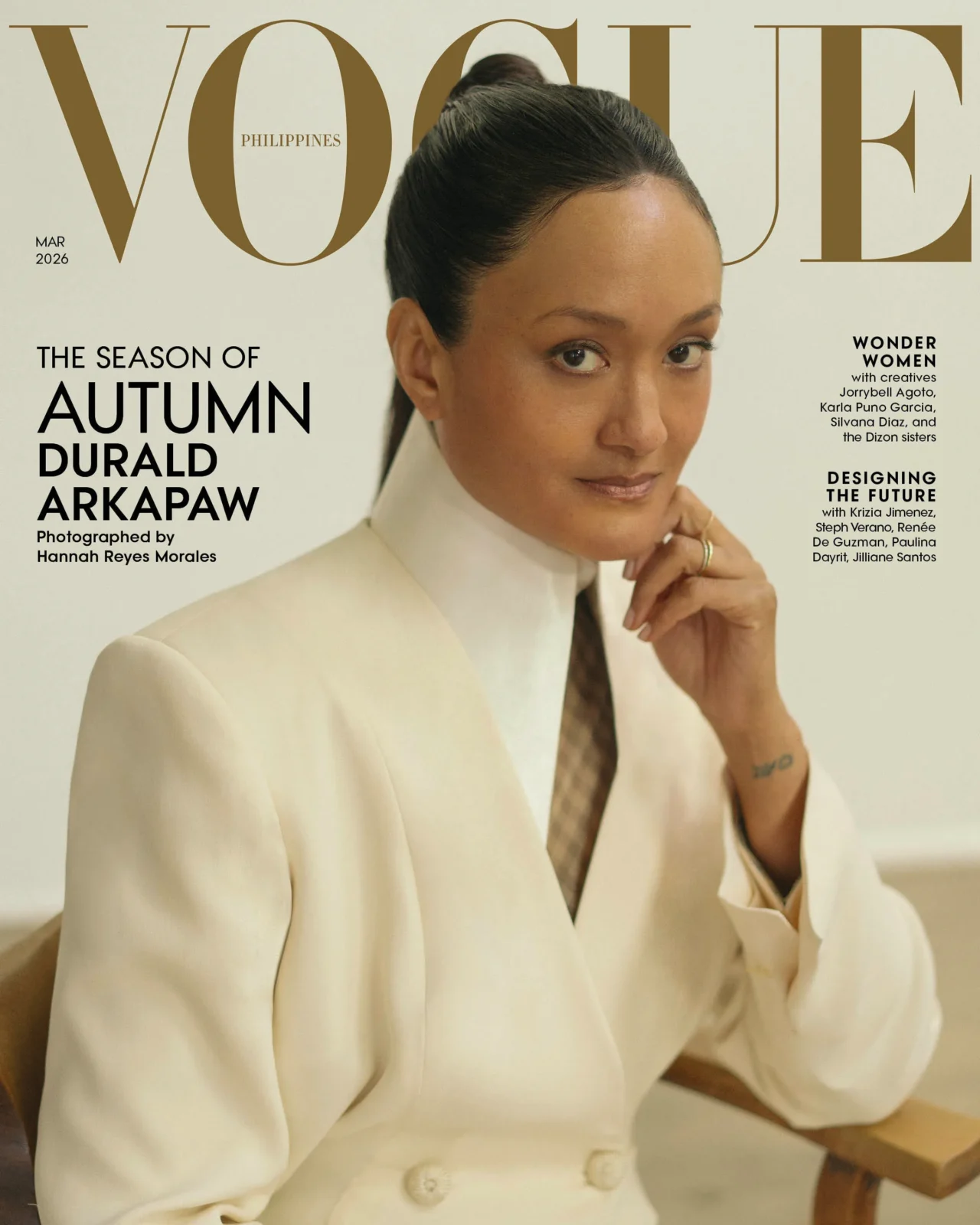
By AUDREY CARPIO. Photographs by HANNAH REYES MORALES. Deputy Editor: Pam Quiñones. Fashion Editor: David Milan. Creative DirectorCreative DirectorThe person who sets the overall visual vision of a fashion house, publication, or campaign and guides designers, photographers, and stylists toward it. A creative director's influence shapes collections, imagery,Go to Creative Director Glossary: Alexandre Dornellas. Executive Producer: Bianca Zaragoza. On-Set Producer: Ana Camiza. Stylist: Natalie Yuksel. Hair & Makeup: Juan-Carlos Salazar. Set Designer: Marie Thibouméry. Photography Assistant: Lucas Chombart. Styling Assistant: Victoire Mottier.
Special thanks to Romer Pedron, Mirren Gordon-Crozier, and Lareshaya Roberson.
Frequently Asked Questions
Durald Arkapaw is the first female cinematographer to shoot a feature on Ultra Panavision and IMAX 65mm, and the first woman of color nominated for a Best Cinematography Oscar, for her work on Sinners.
Durald Arkapaw’s mother is Filipina, and though she has never visited the Philippines, she remains connected to that heritage through food and family. Her grandfather, Guillermo Pagan Bautista, survived the Bataan Death March.
Durald Arkapaw, who has a 10-year-old son with fellow cinematographer husband Adam, credits her Filipina mother and stepfather as a key support system, rejecting the idea that motherhood limits her career rather than strengthens it.
Durald Arkapaw frequently designs bespoke lenses with Panavision, including a custom anamorphic lens with lens expert Dan Sasaki for The Last Showgirl, deliberately incorporating aberrations and fall-off for a distinct visual texture.
Following two collaborations on Sinners, Durald Arkapaw and Ryan Coogler are developing a reimagining of The X-Files, with plans to bring their shared visual language and innovative lighting approach to the new series.
- A Portrait of Silvana Ancellotti-Diaz in Bold, Expressive Strokes
- Karla Puno Garcia Steps on Stage as Director of Theatre Group Asia’s A Chorus Line
- How the Sisters Behind Jewelry Brand Jul B. Dizon Propel a Legacy Forward
- Watch: Filipiñana’s Jorrybell Agoto Is Poised to Take on the World of the Silver Screen