
Veejay Floresca New York Fashion Week Debut Inspired by Willem de Kooning


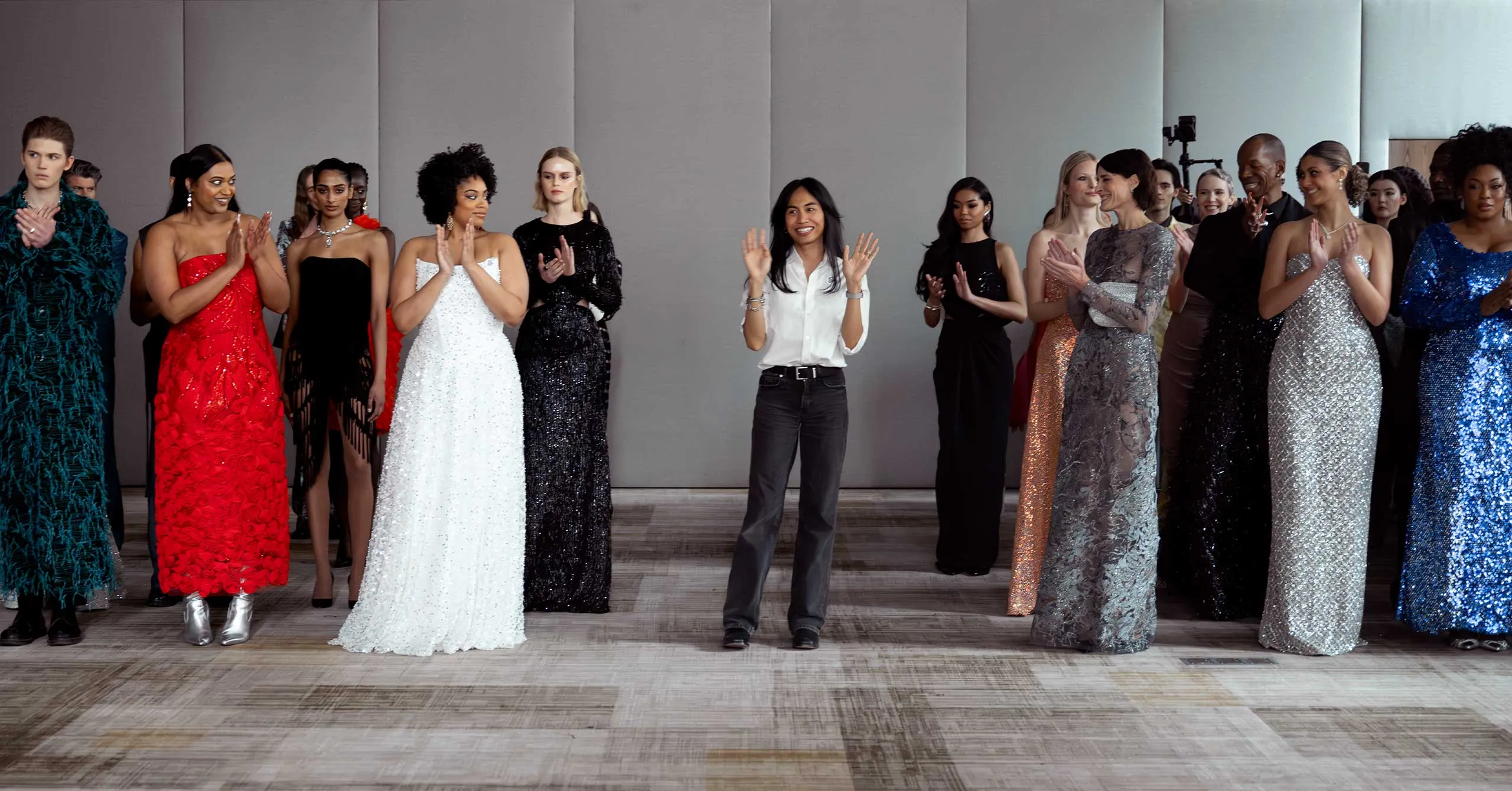
Courtesy of Veejay Floresca. Photo by Kristina Gorman
Courtesy of Veejay Floresca. Photo by Kristina Gorman
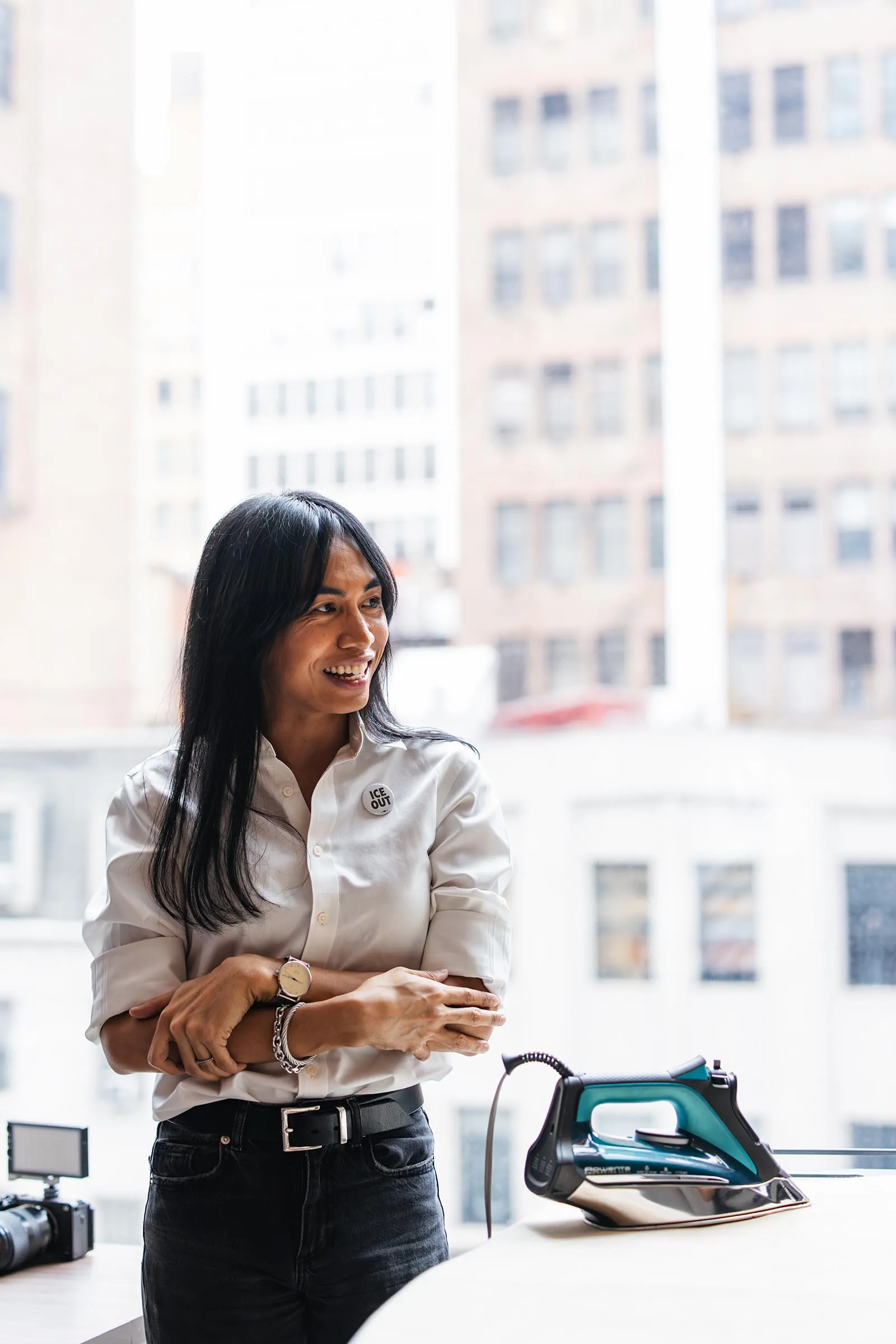
Project Runway winner Veejay Floresca debuts at New York Fashion Week with a gratitude-driven collection designed for “all sizes, shapes, and colors.”
“The process is really… ‘What’s next for me?’ After winning Project RunwayRunwayThe platform or catwalk on which models present a designer's collection to an audience of editors, buyers, and guests. Runway shows establish the creative statement of a season, and Vogue'sGo to Runway Glossary, it’s like, ‘What’s next for me?’” says Veejay Floresca at her NYFW presentation in the ballroom of The Ritz-Carlton New York, NoMad. It’s a predicament akin to an actor delivering an Oscar-winning performance and then being expected to replicate that win, made even more challenging when your strengths and weaknesses have already been streamed to viewers worldwide on Hulu and Disney+ on demand.
While many designers’ egos prioritize esoteric artistry over commercial success, Veejay is clear-eyed about her own personal journey. She recognizes that her current position and platform are the result of years spent in the business. “I think I want to become a designer who makes clothes for people who want to feel good. Sometimes I would wonder, ‘Should I go conceptual or should I go with accessible?’ But I think at the end of the day, I want to focus on the people who believe in me.”
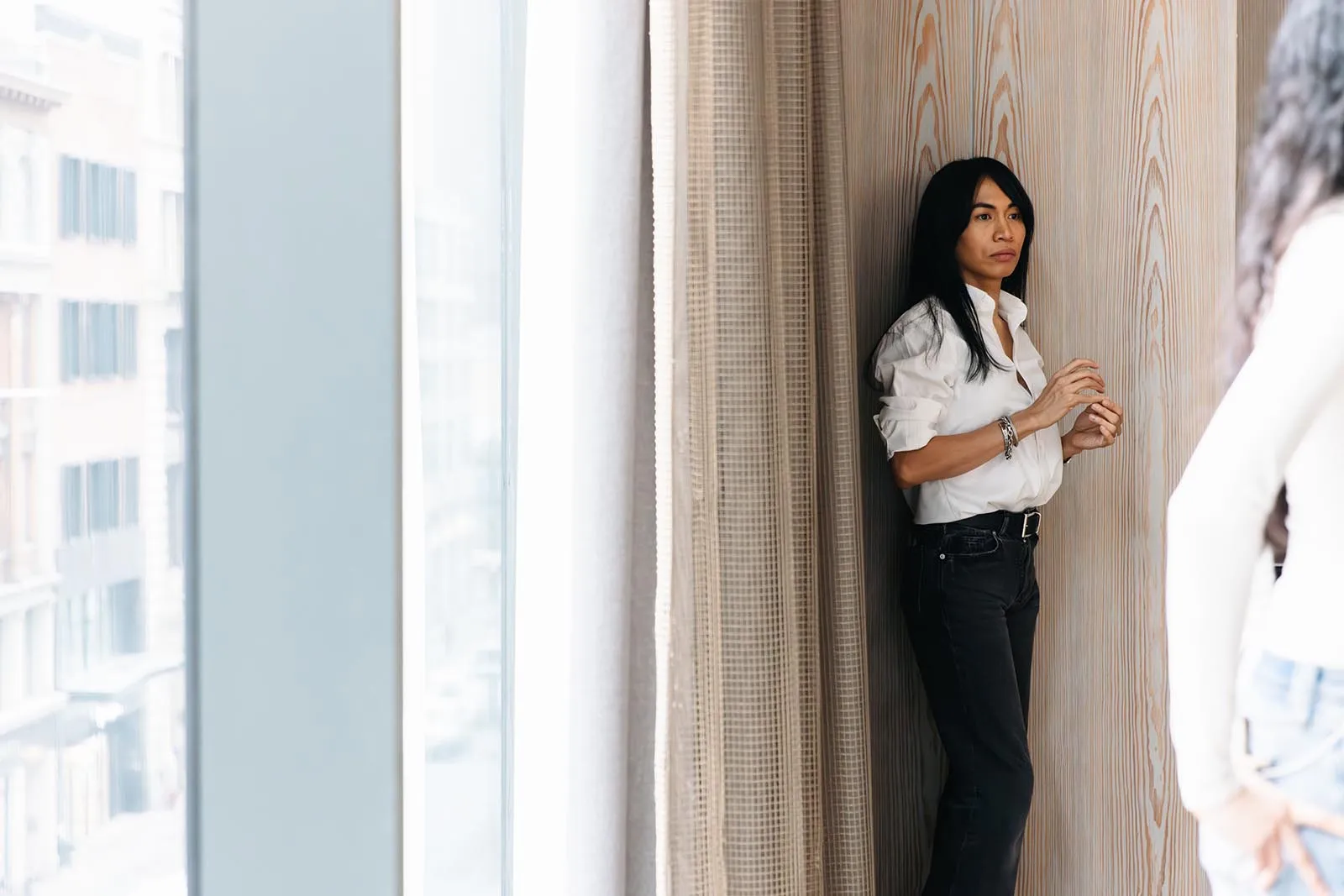
Now, she has moved beyond dressing brides in Manila to outfitting women in Los Angeles, and has arrived on the East Coast, in a metropolis known for its wearable, retail-driven ready-to-wear. She understands the expectations and the shift. “These are the people who want real clothes that would make them feel good, and amazing, and that’s what I want my brand to be.”
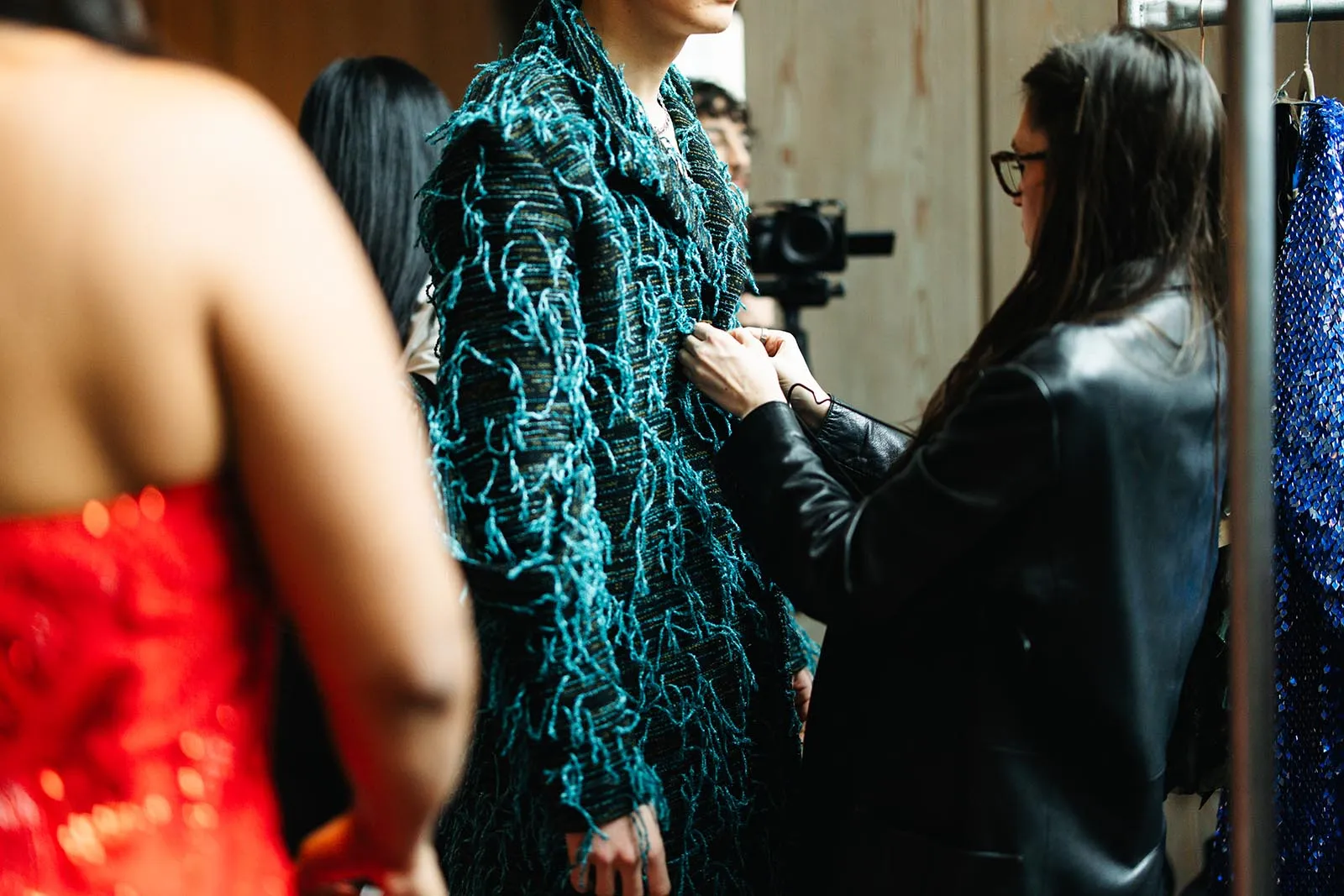
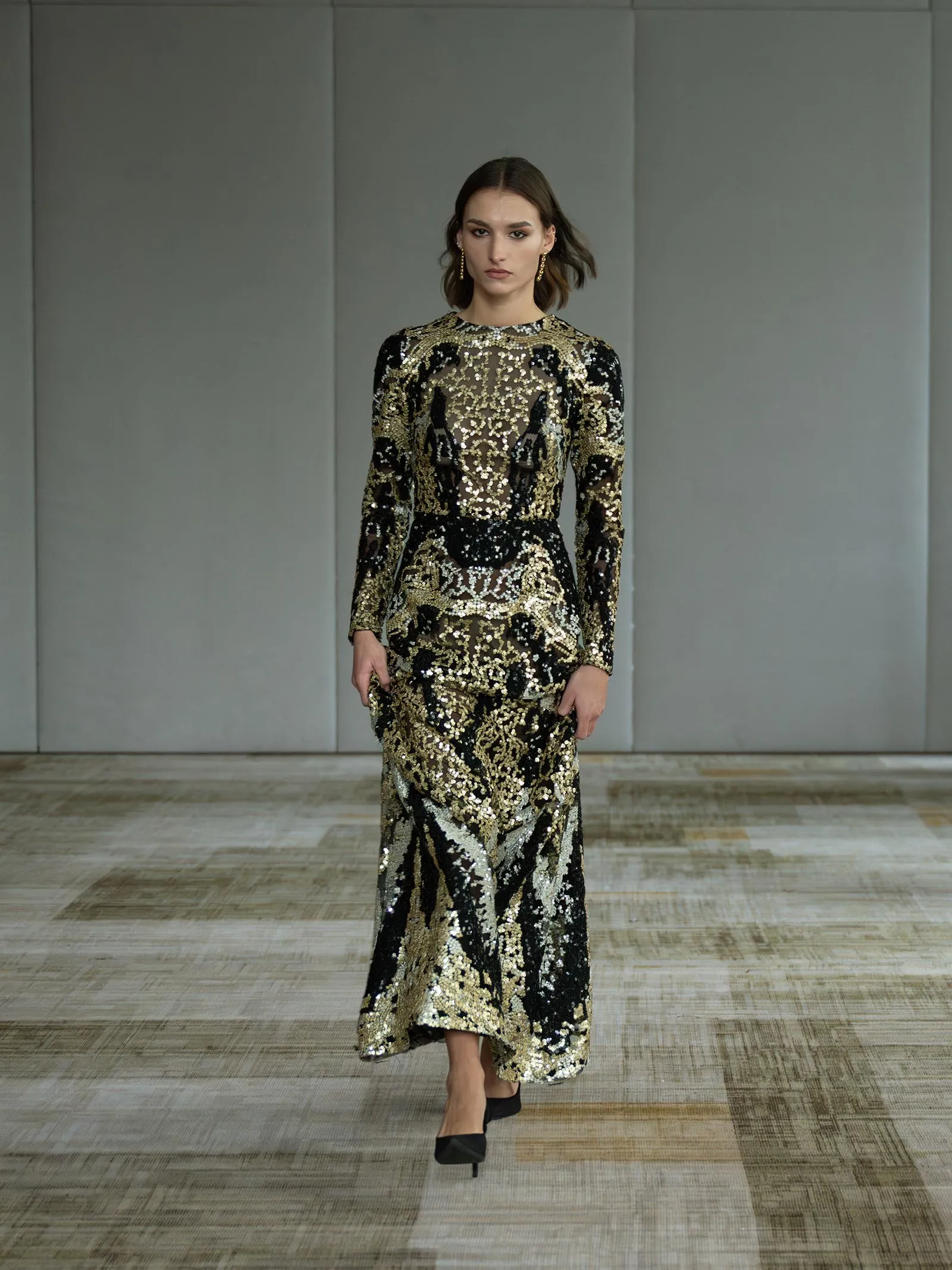
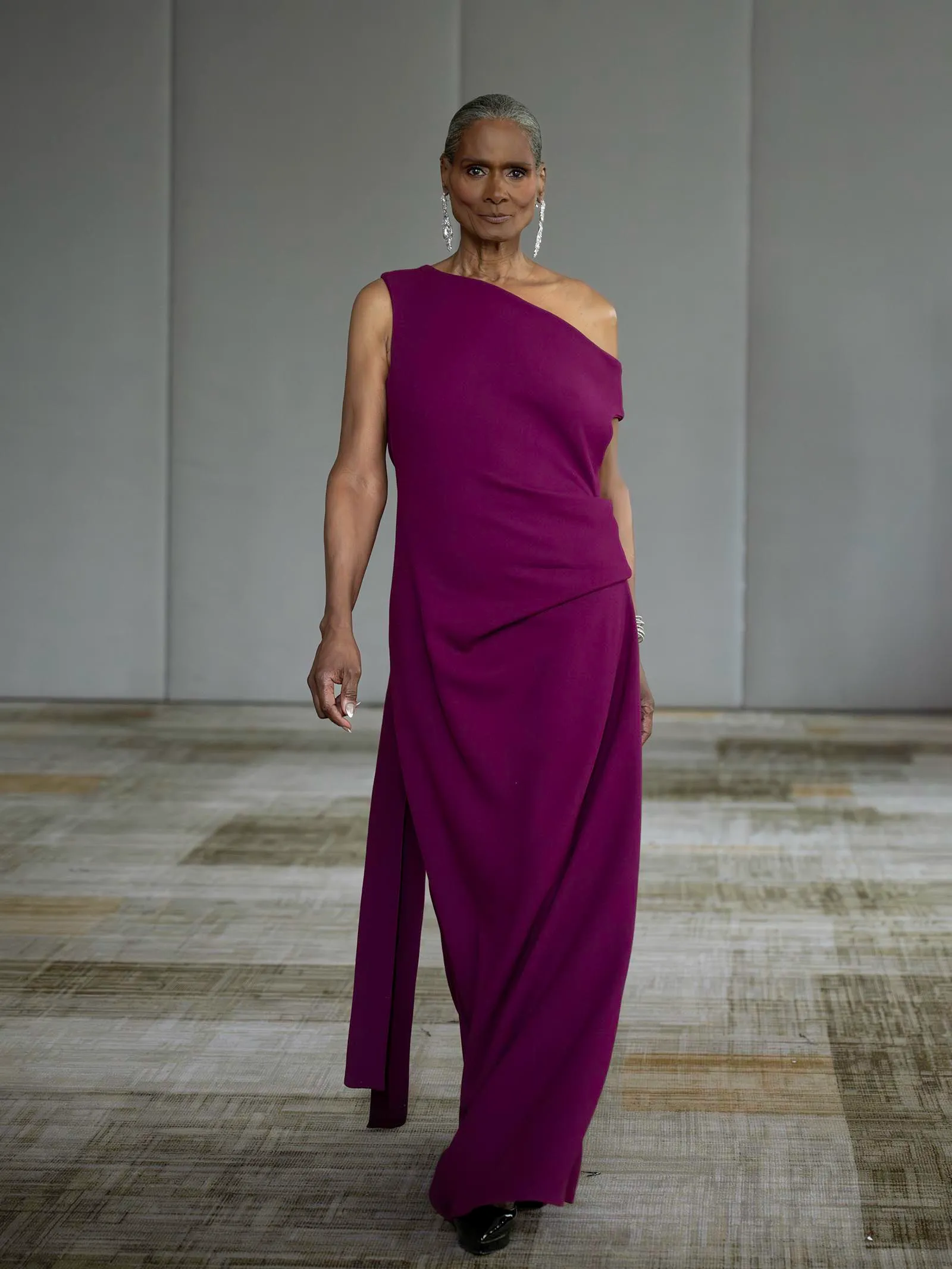
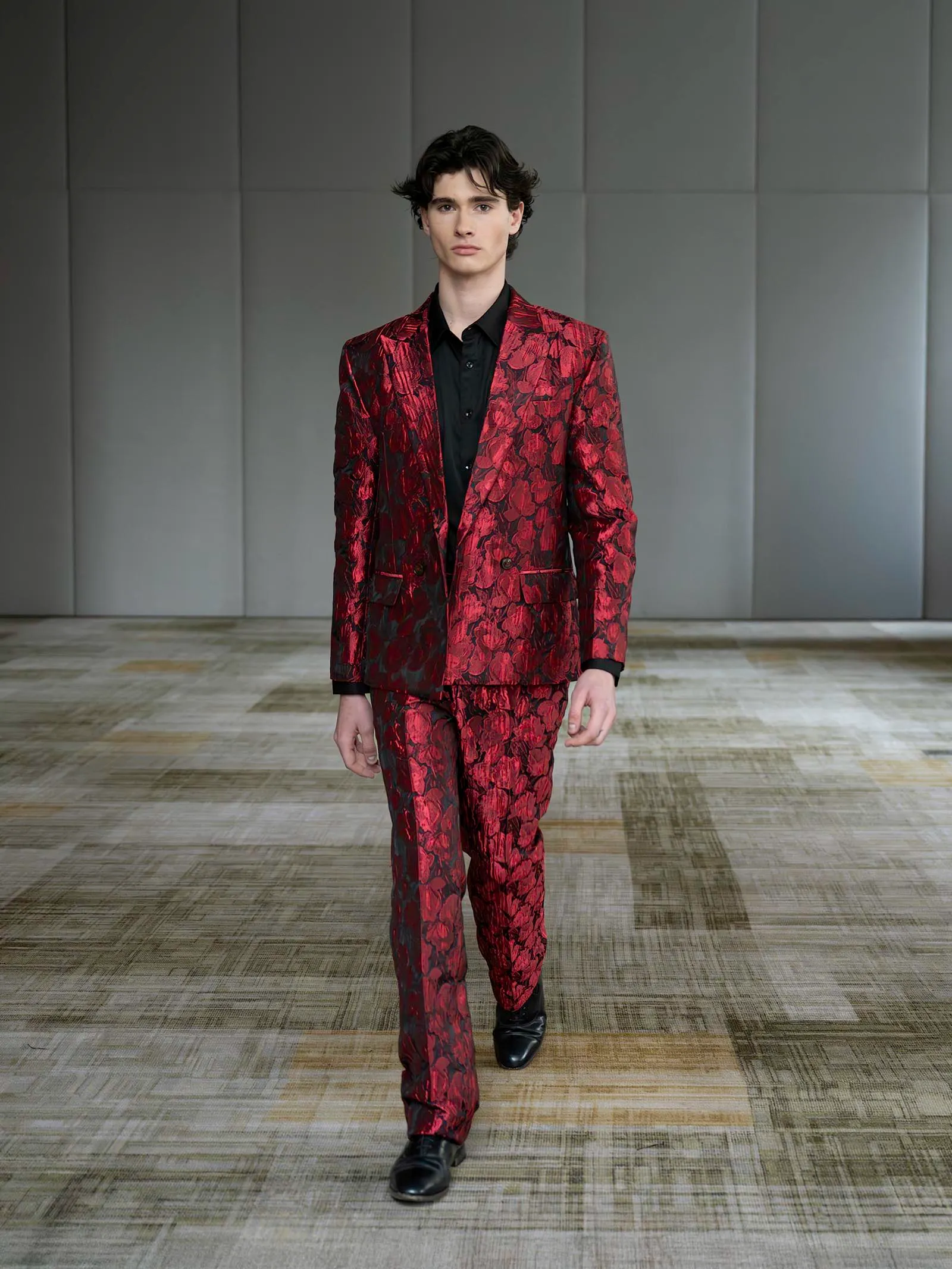
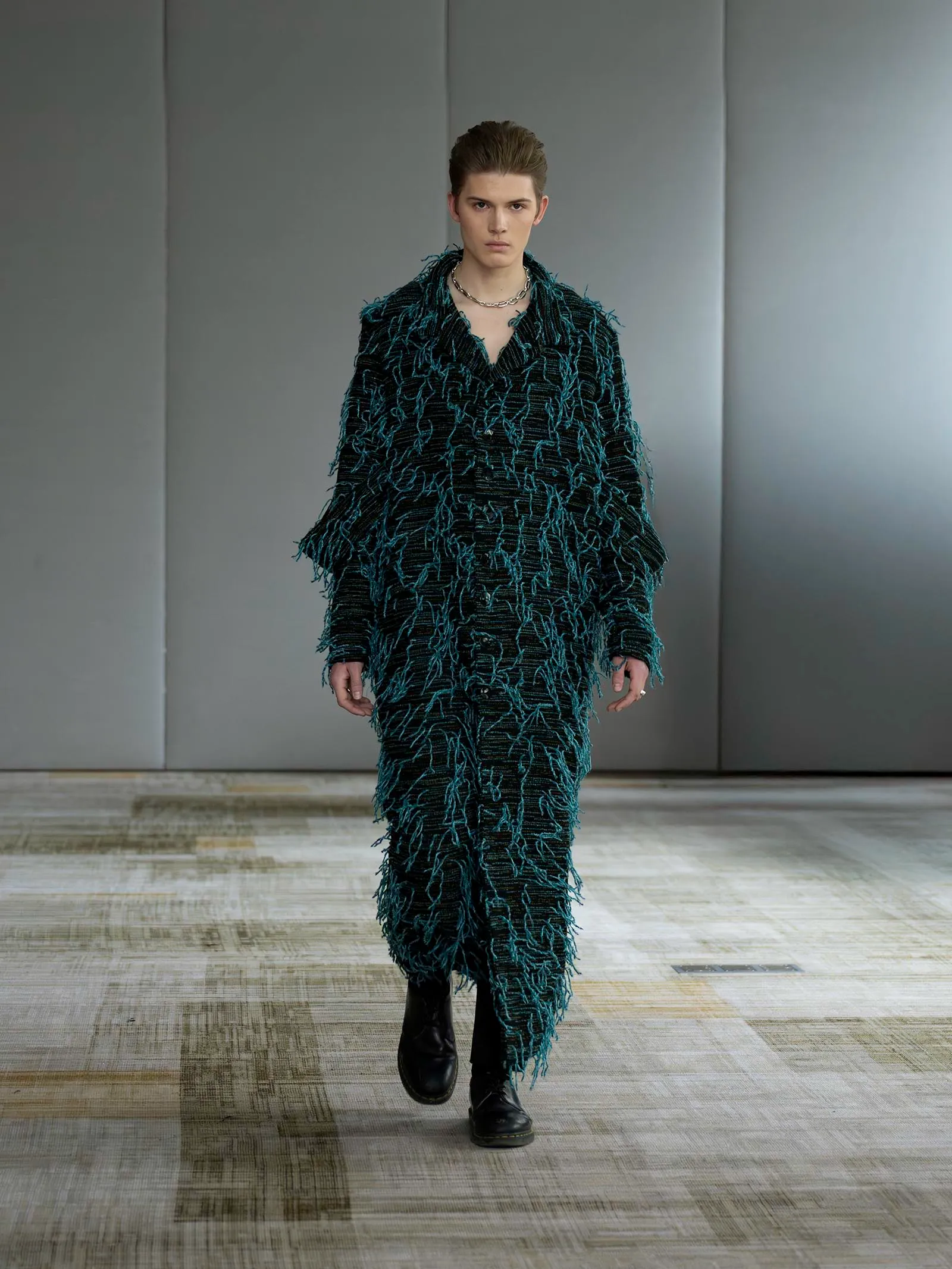
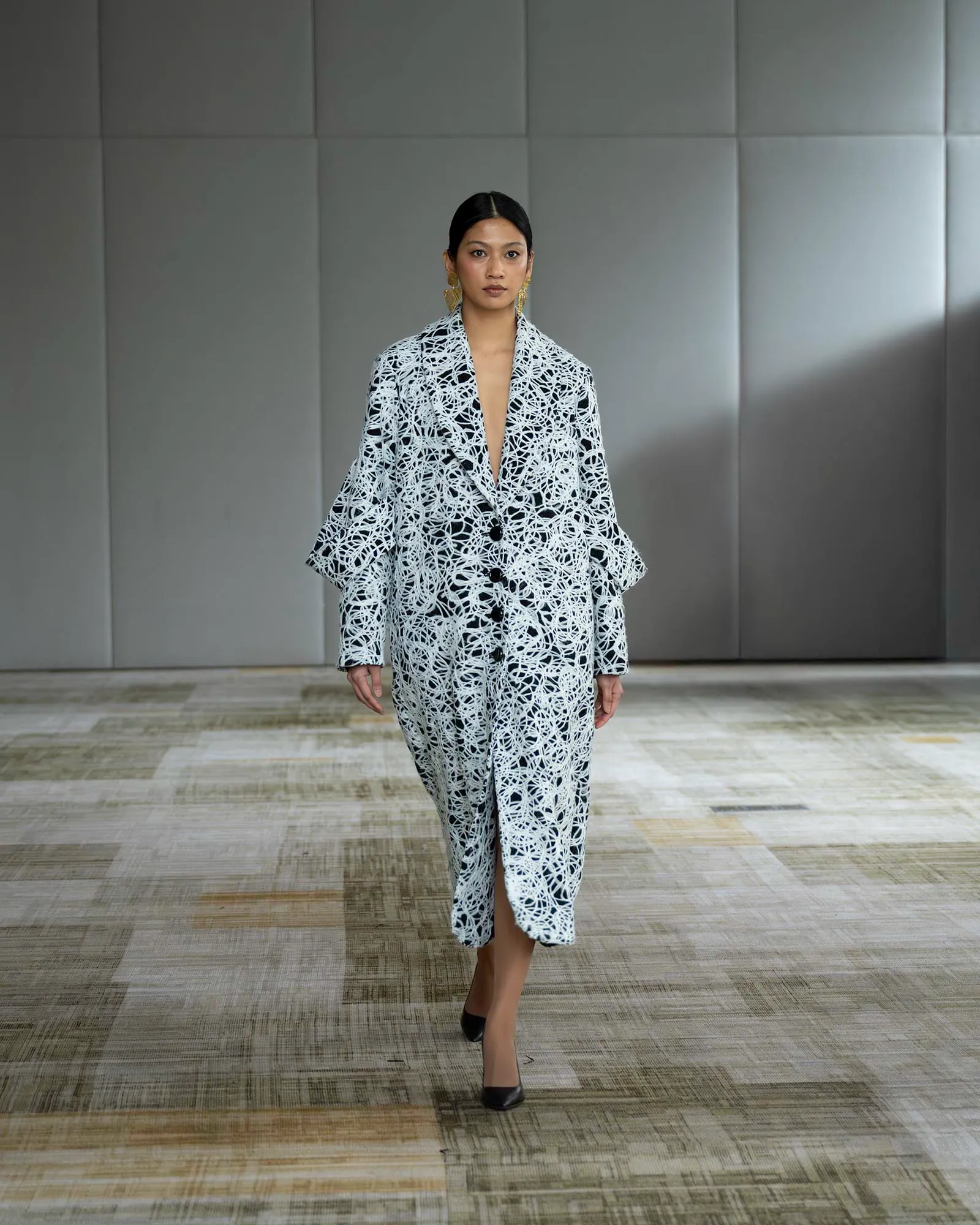
Her commitment to the market didn’t require her to sacrifice her artistic voice. Instead, it became a catalyst she created herself. “I got my inspiration from the abstract expressionist paintings of Willem de Kooning. You know, when I went to MoMA, I just really am fascinated with the colors, with the textures, and I want to achieve that.” Unknowingly, Floresca mirrors de Kooning in temperament. Before achieving acclaim, he worked as a ‘commercial artist’ and house painter, splashing his canvases with generic paint from a DIY store. That mercantile acceptance, an understanding and embracing of what consumers want, gives Floresca an advantage.
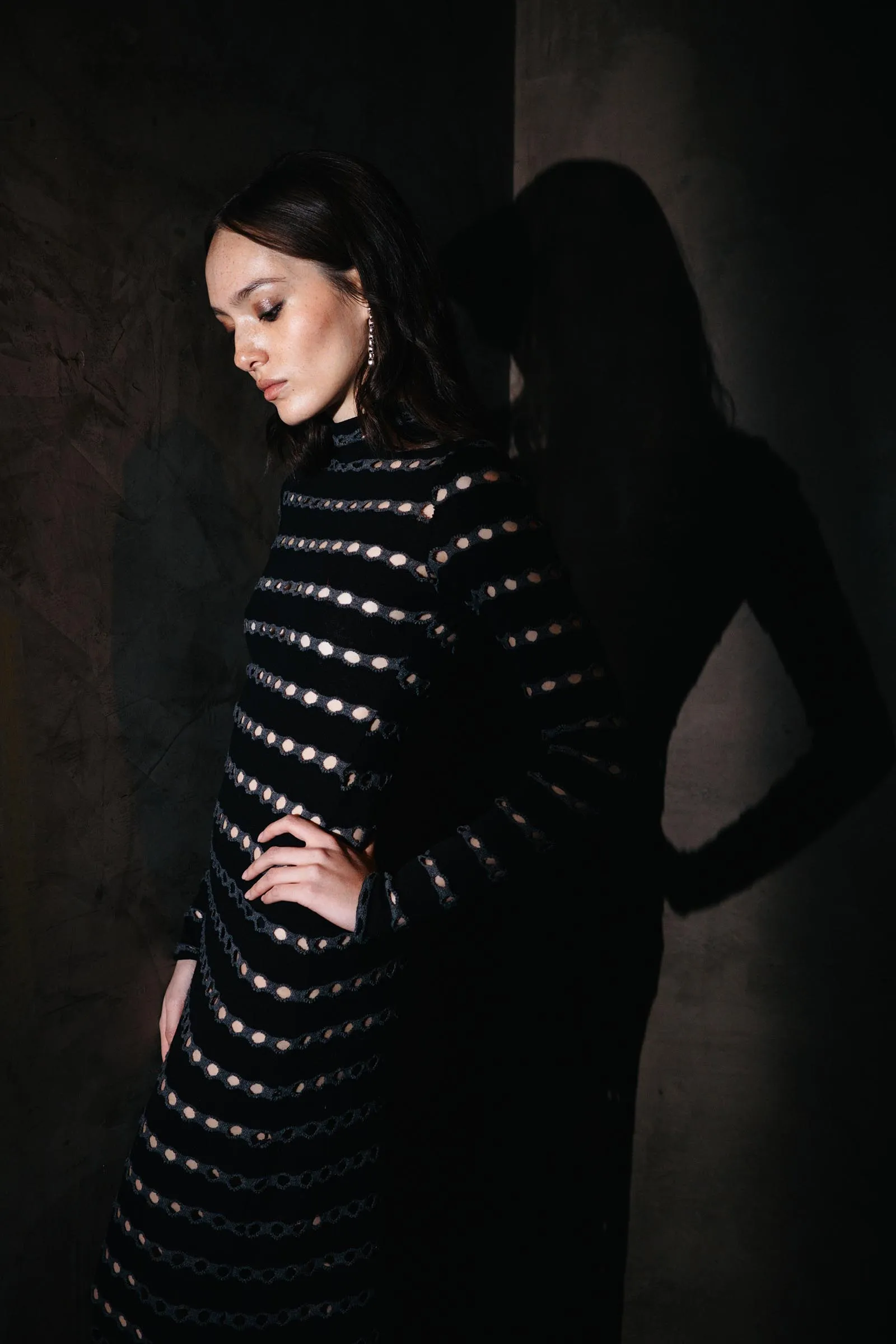
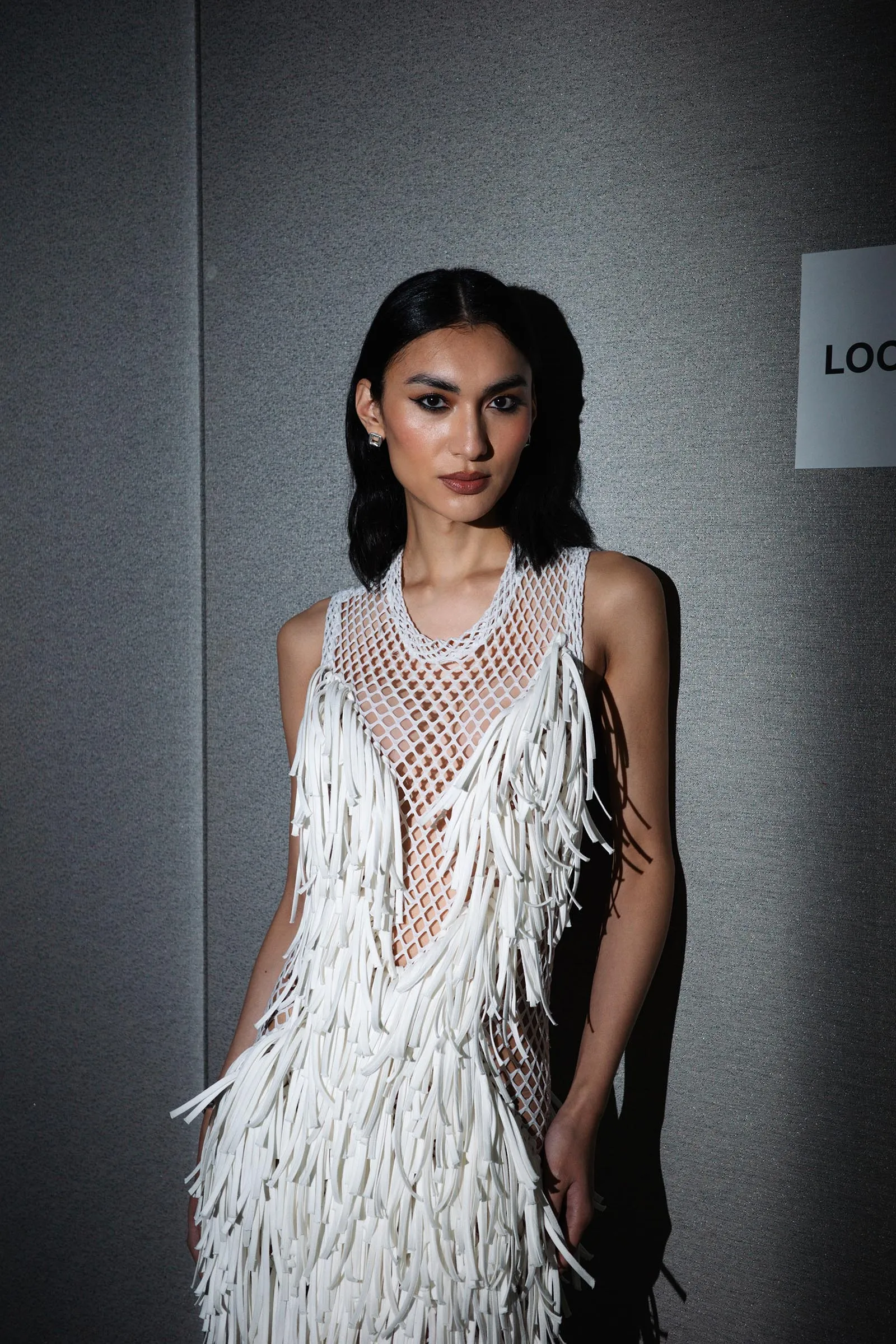
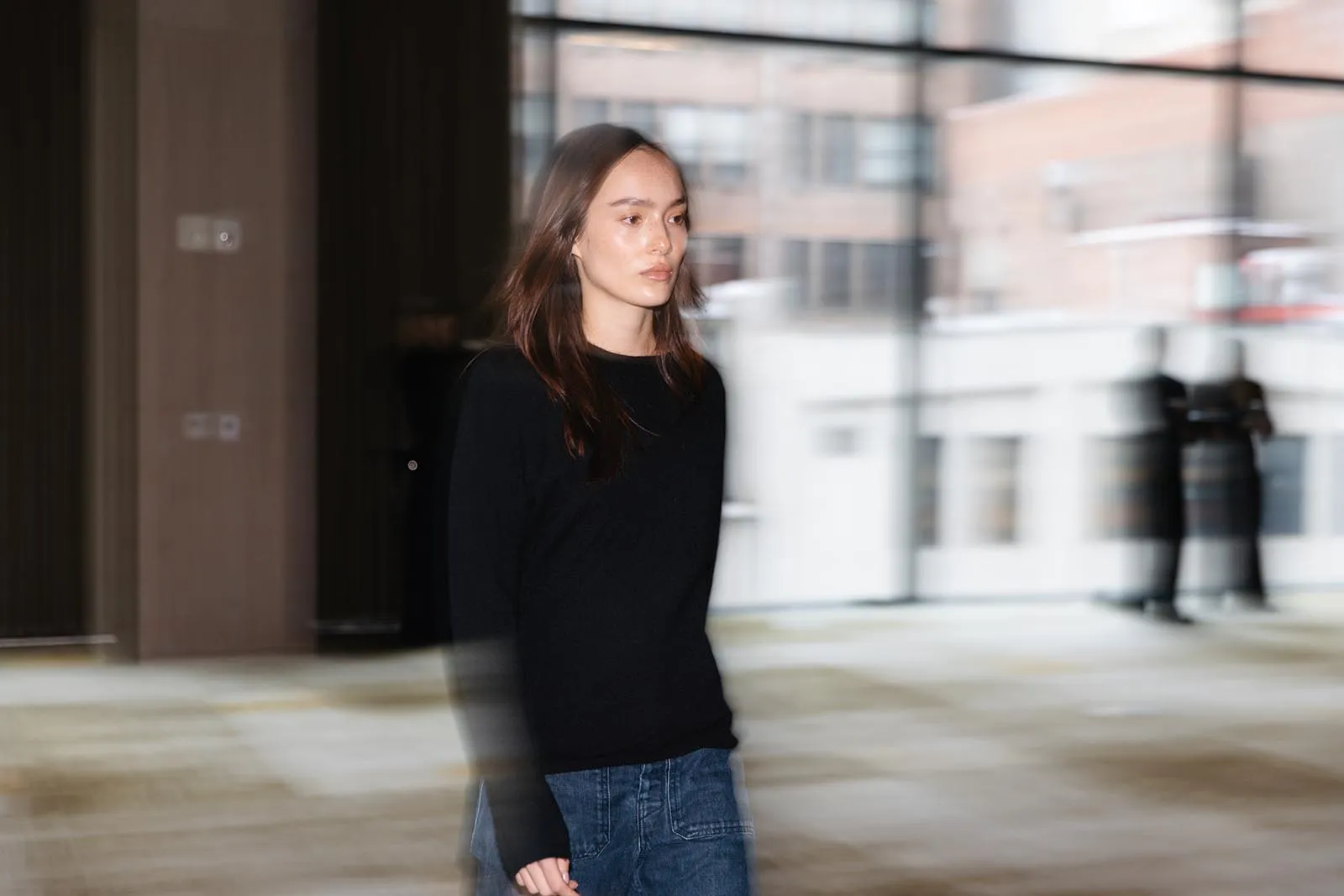
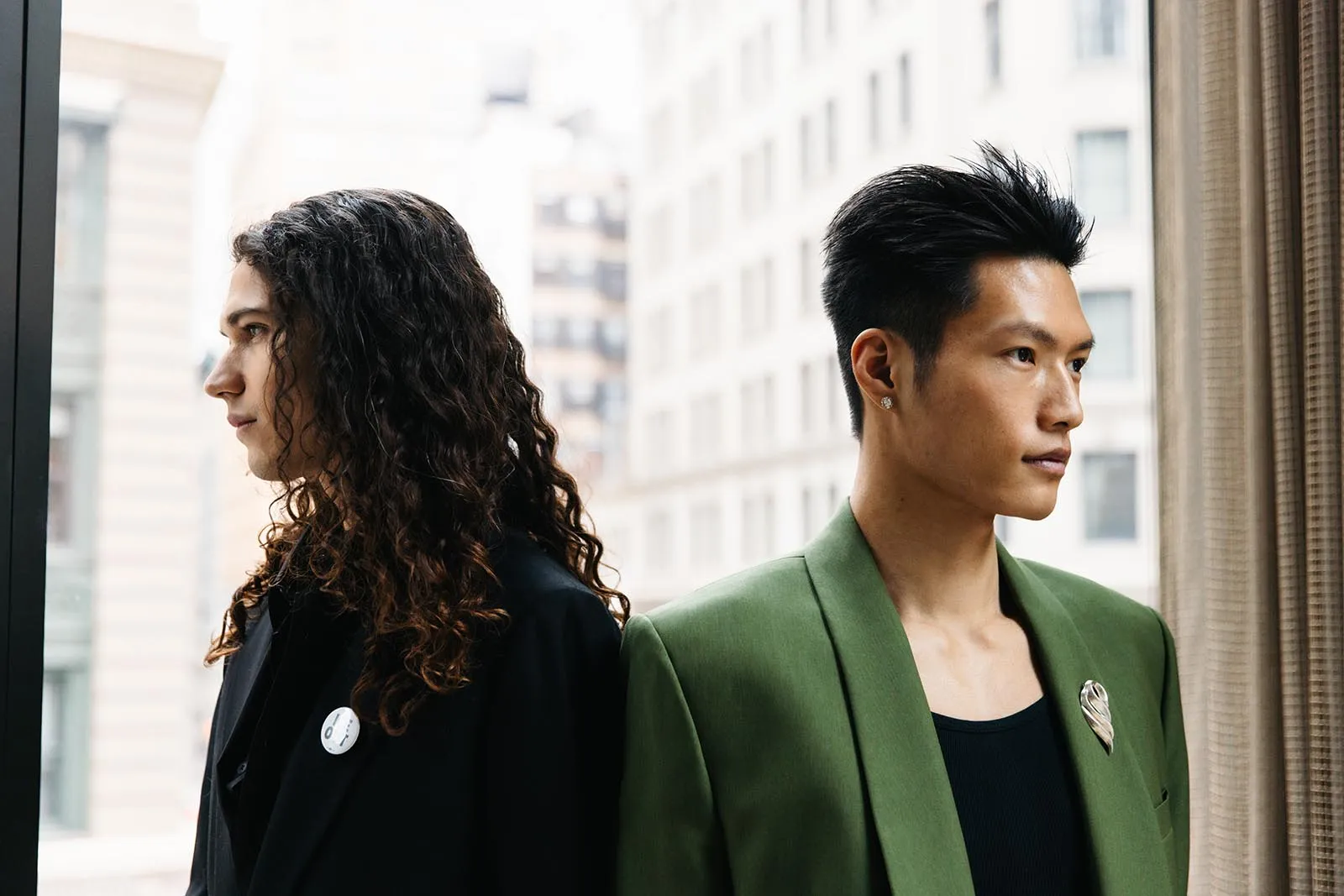
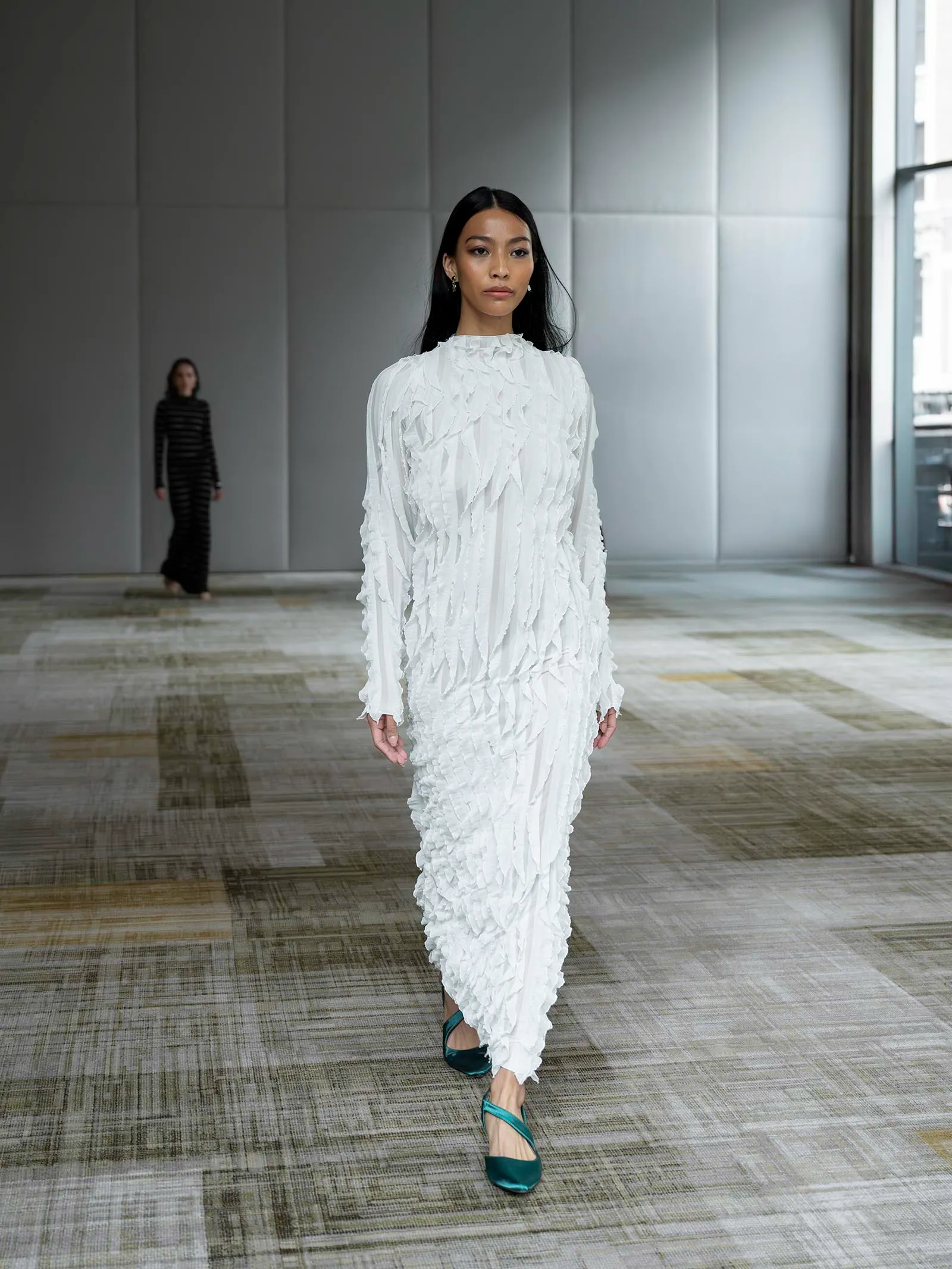
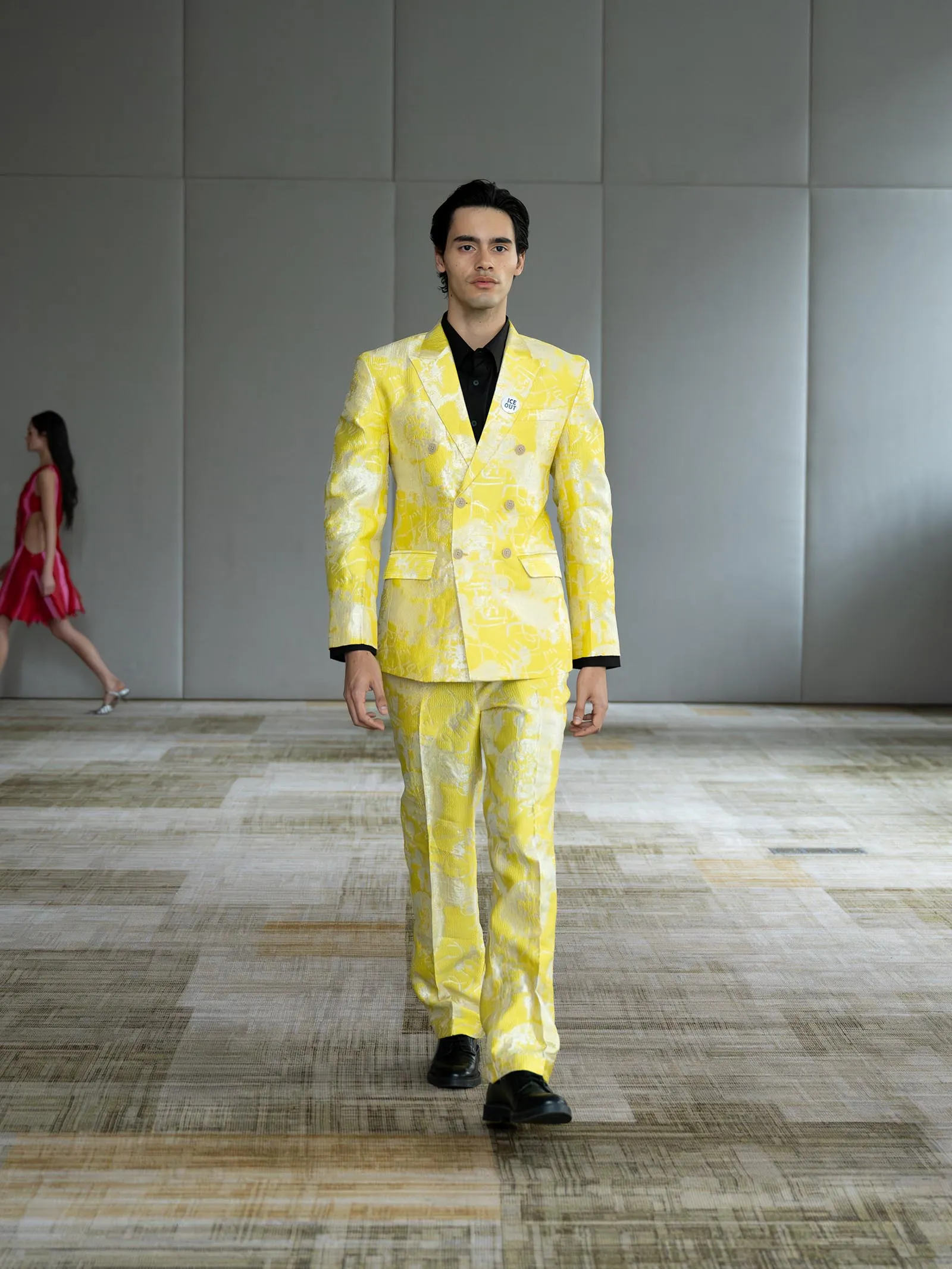
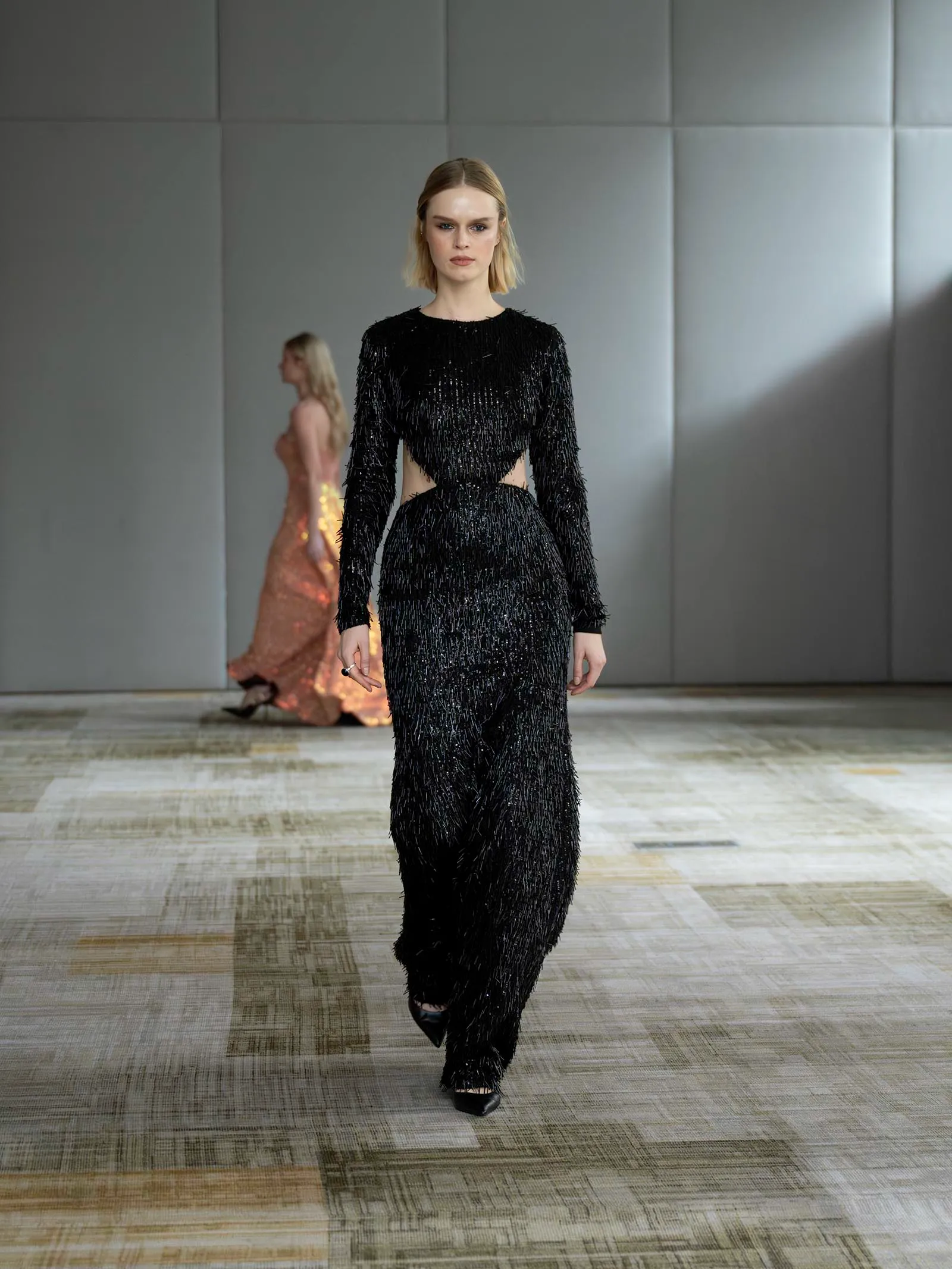
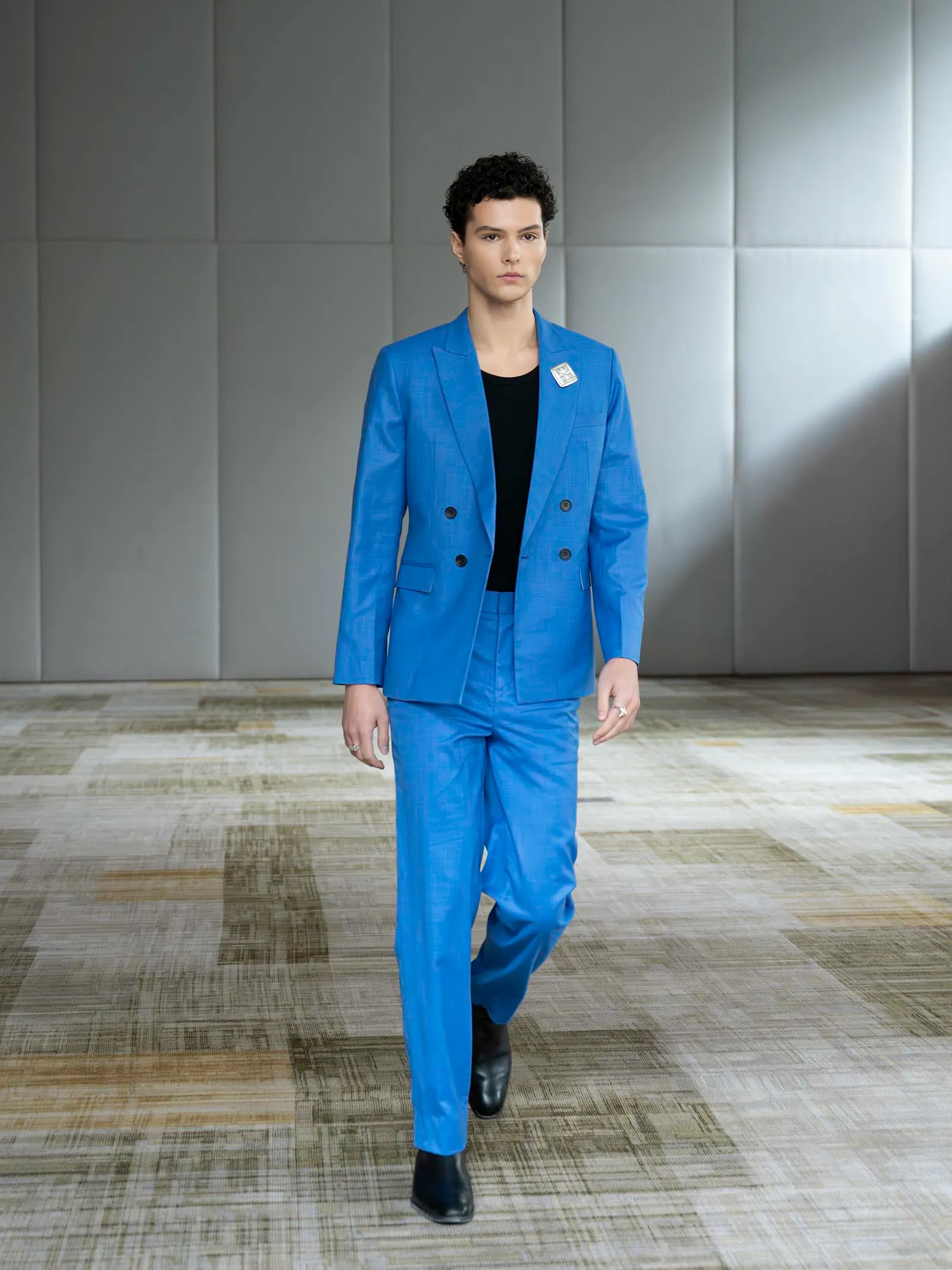
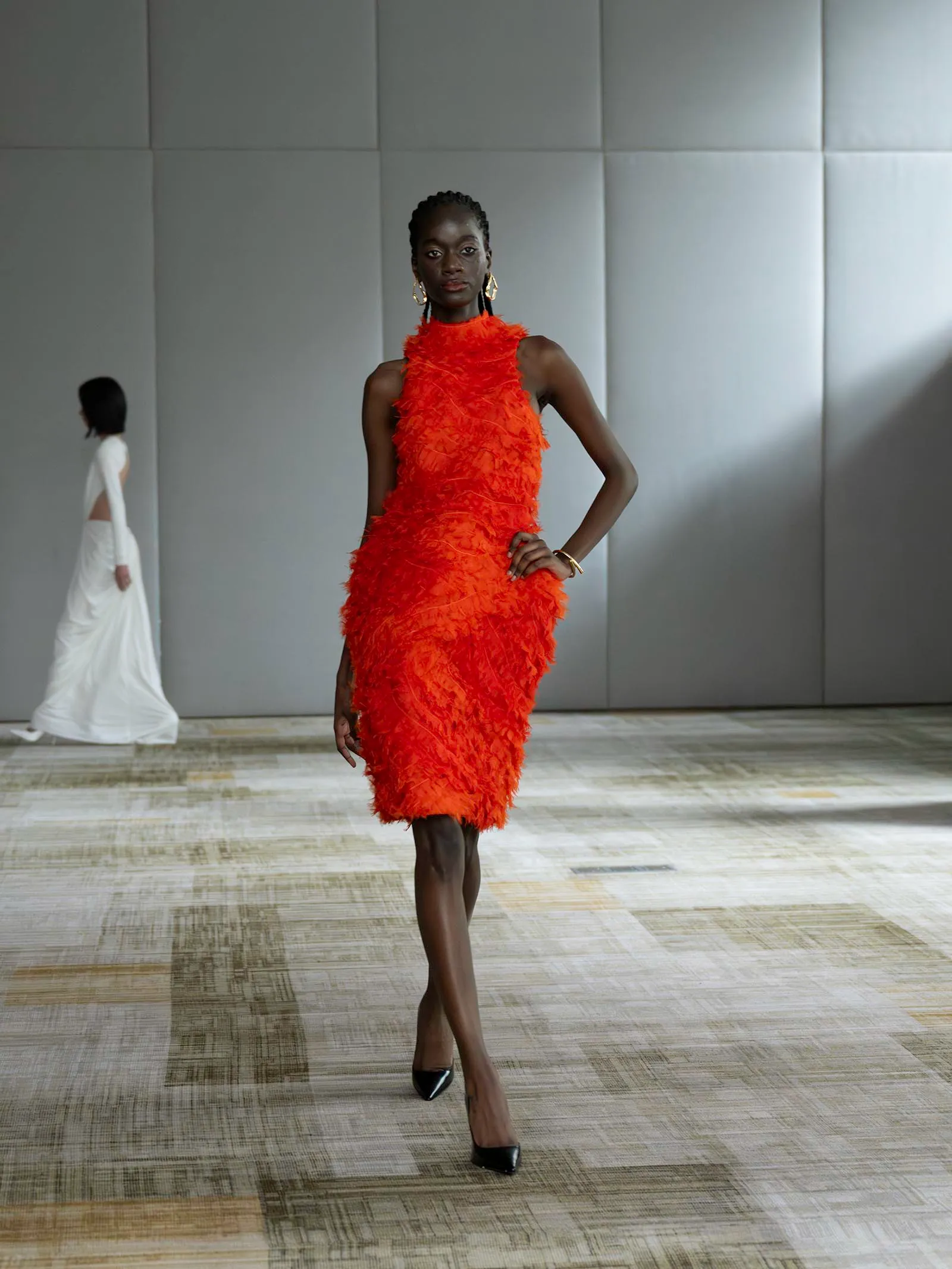
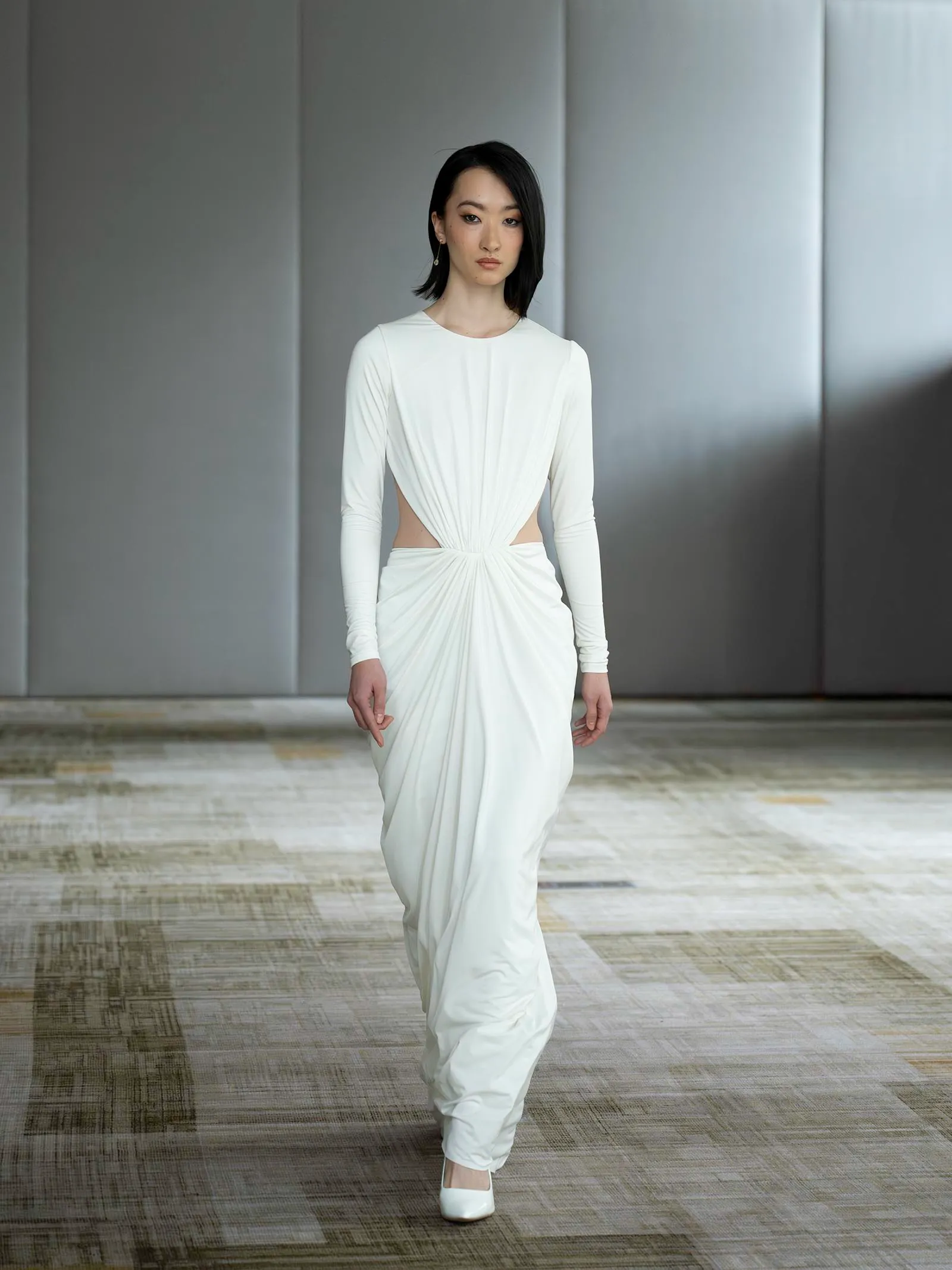
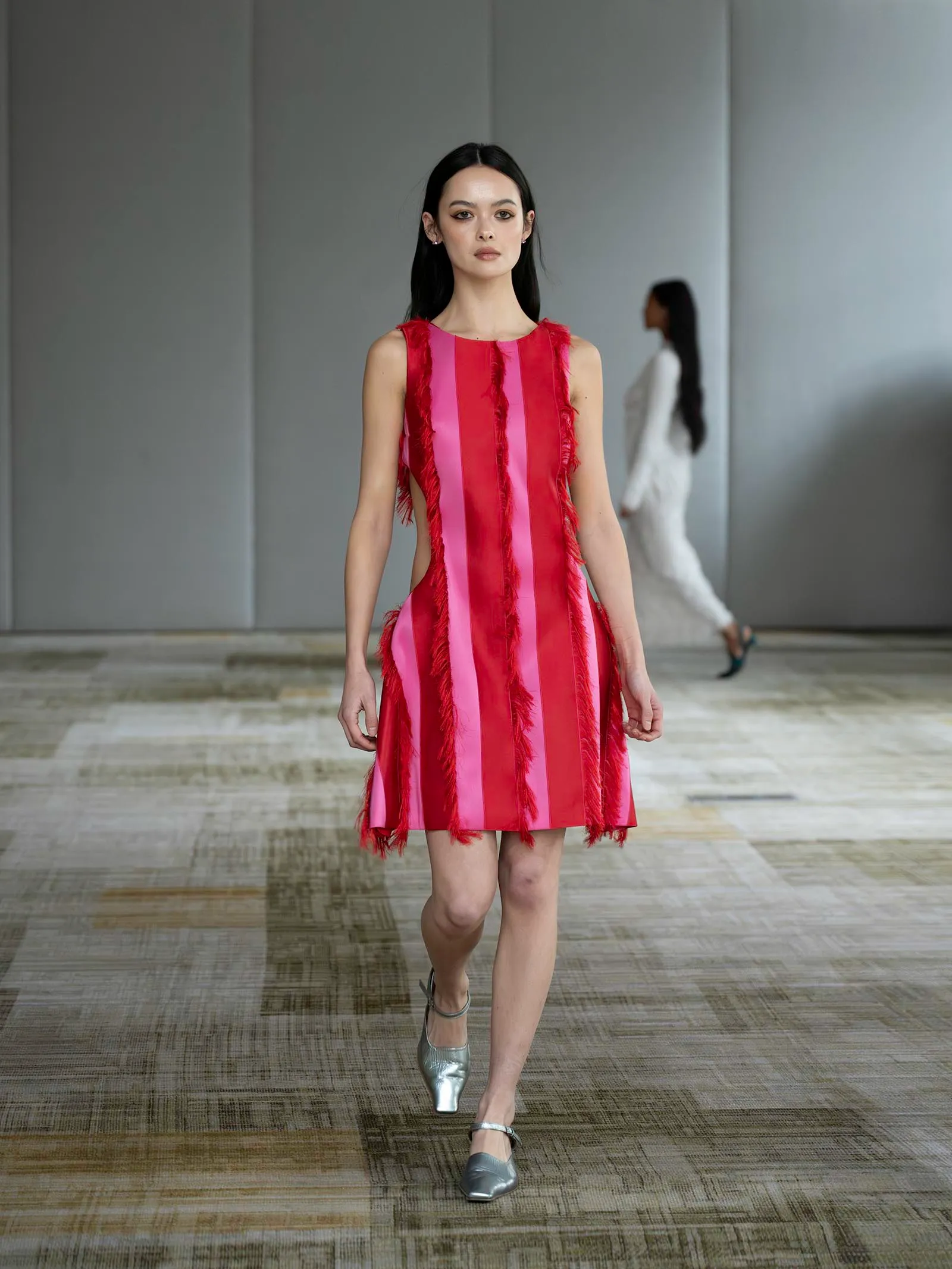
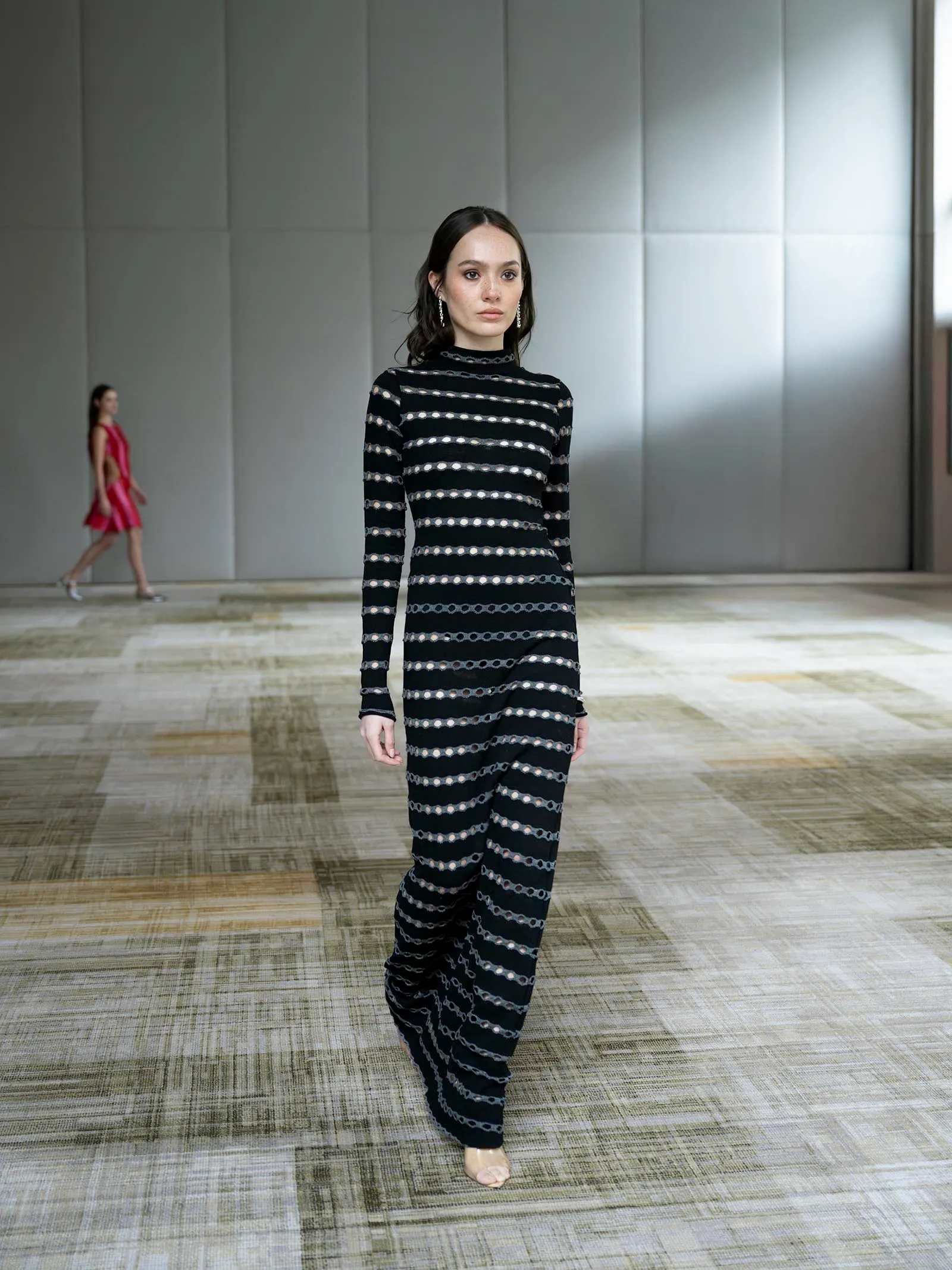
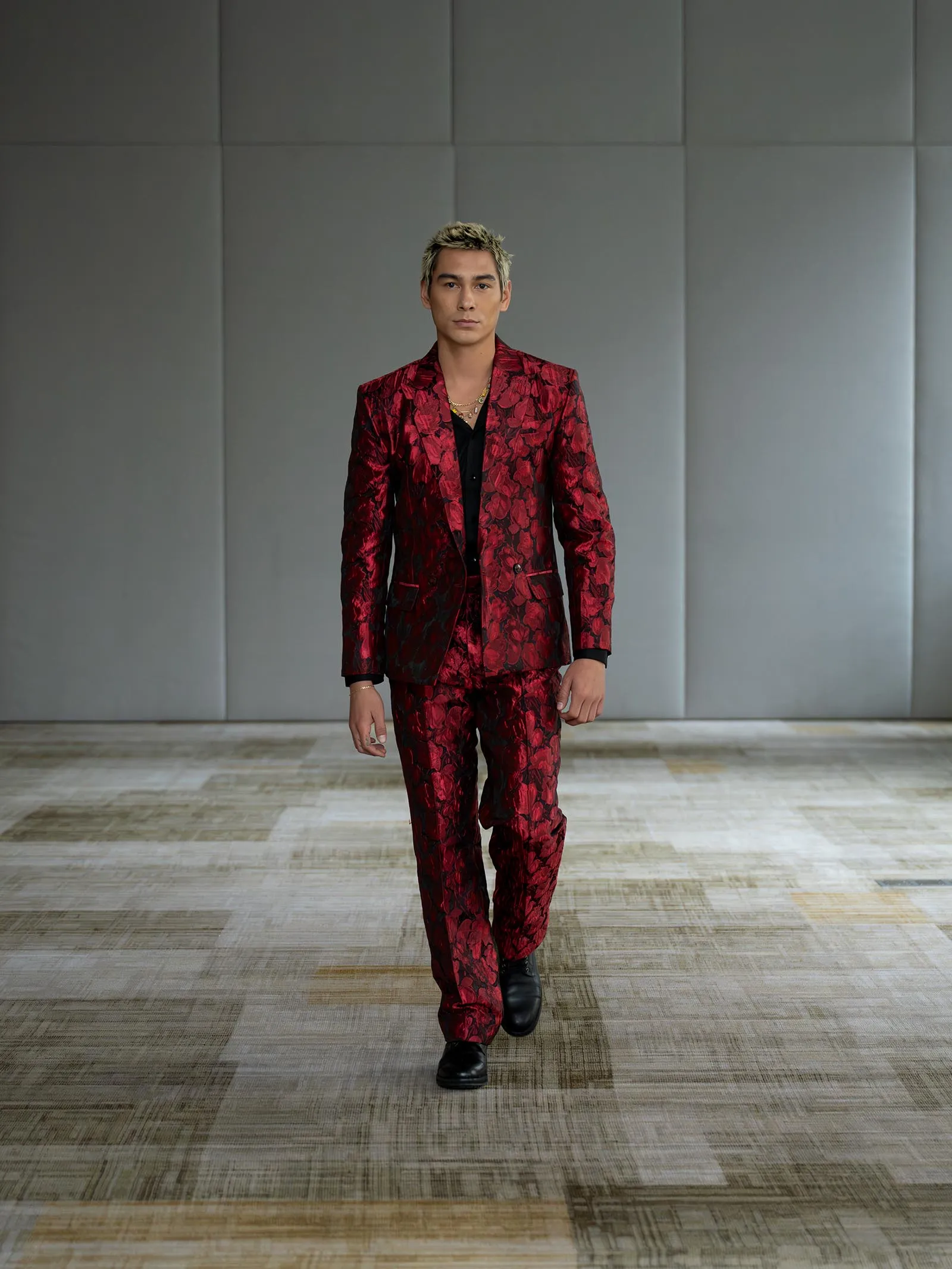
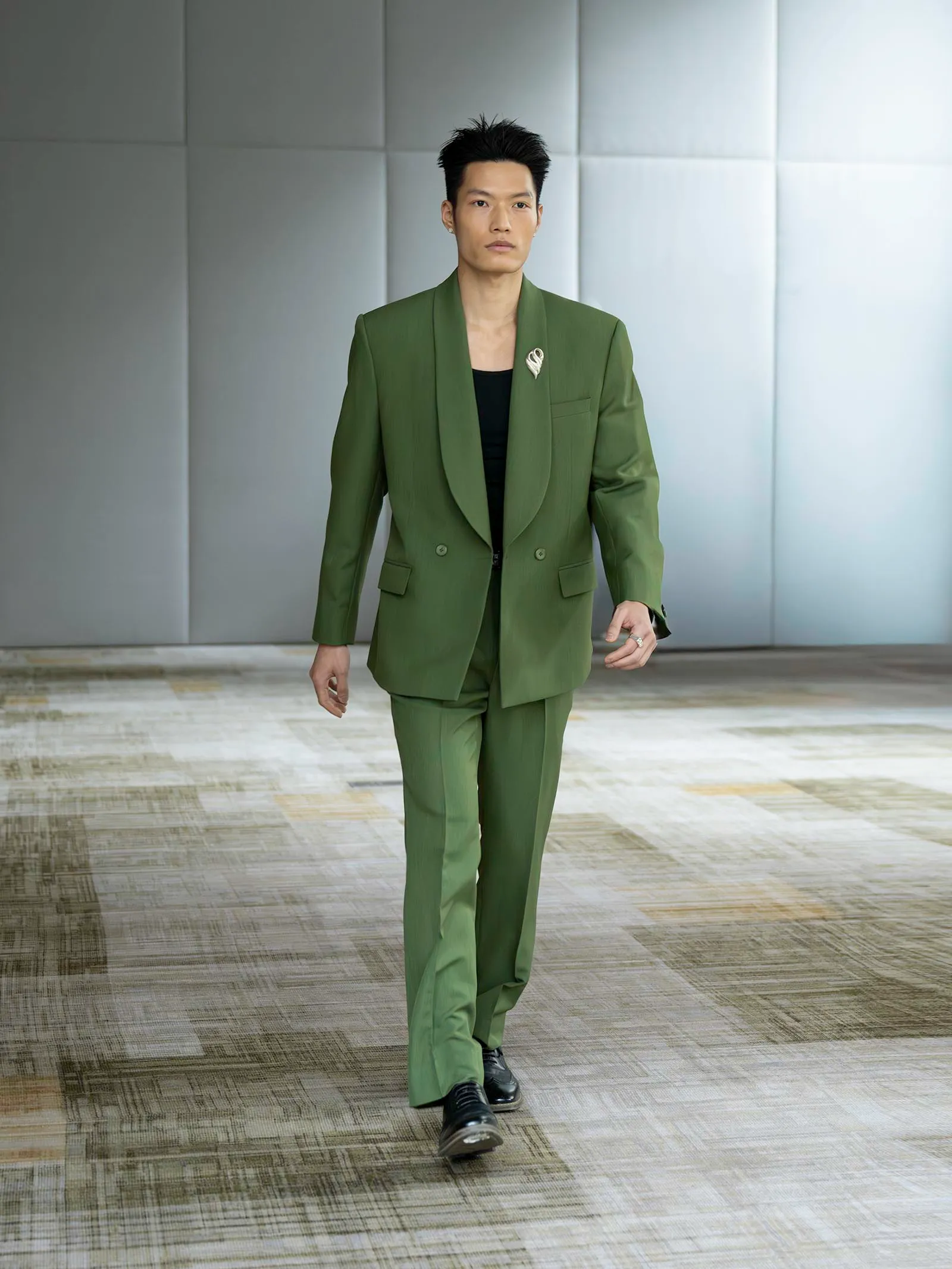
From the start, the collection rejected uniformity, and garment cell division was far more complex. Charissa Bigornia, debuting on the runway, opened in a long-sleeve white maxi dress edged with 360-degree mollusk scalloping, paired with emerald silk flats by Cecelia New York. Followed by Siobhan Moylan in a black knitted eyelet dress, Jasmine Spuur in a frayed magenta and crimson shift, andVogue Man cover star Evan Mock in an abstract tulip brocade suit.
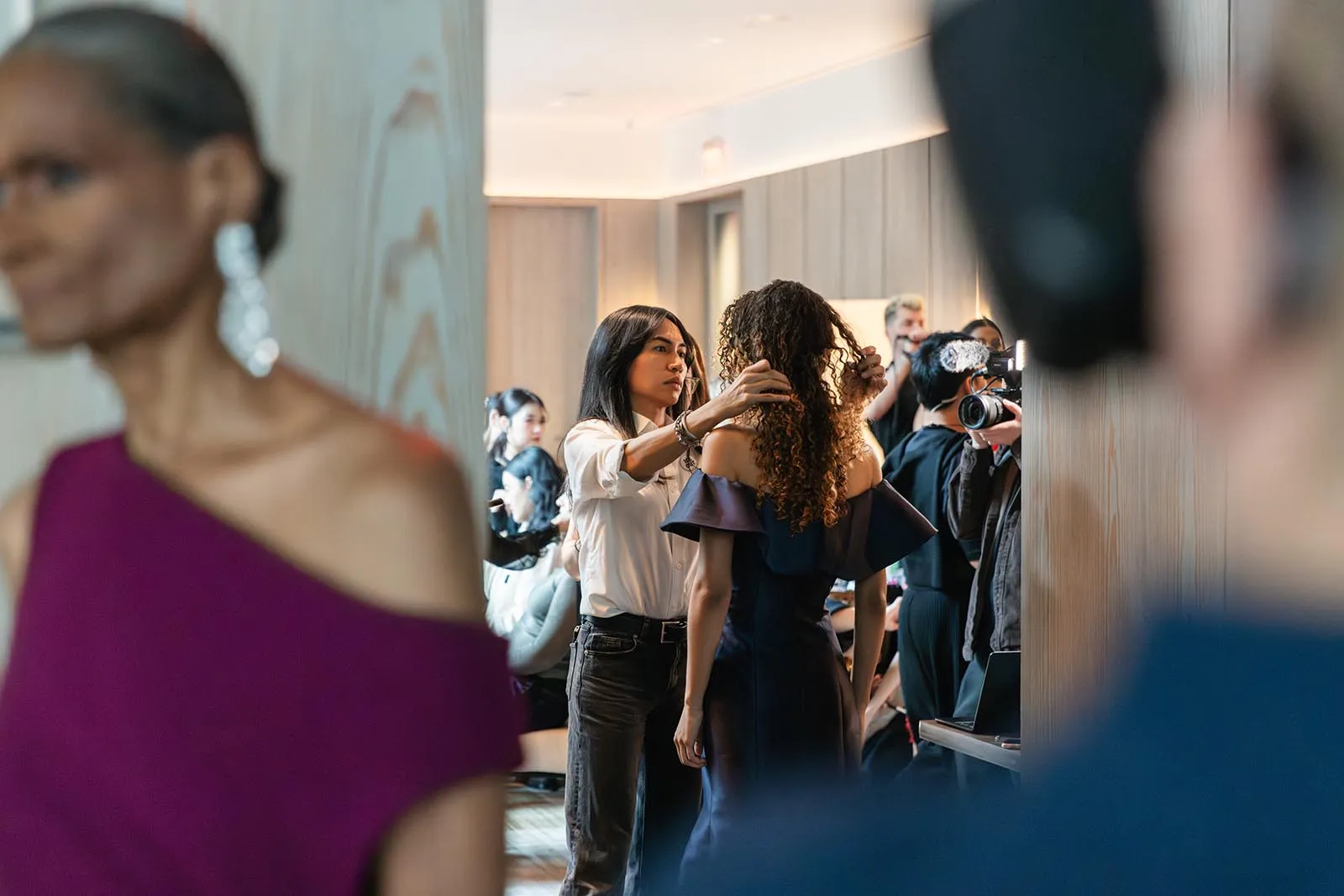
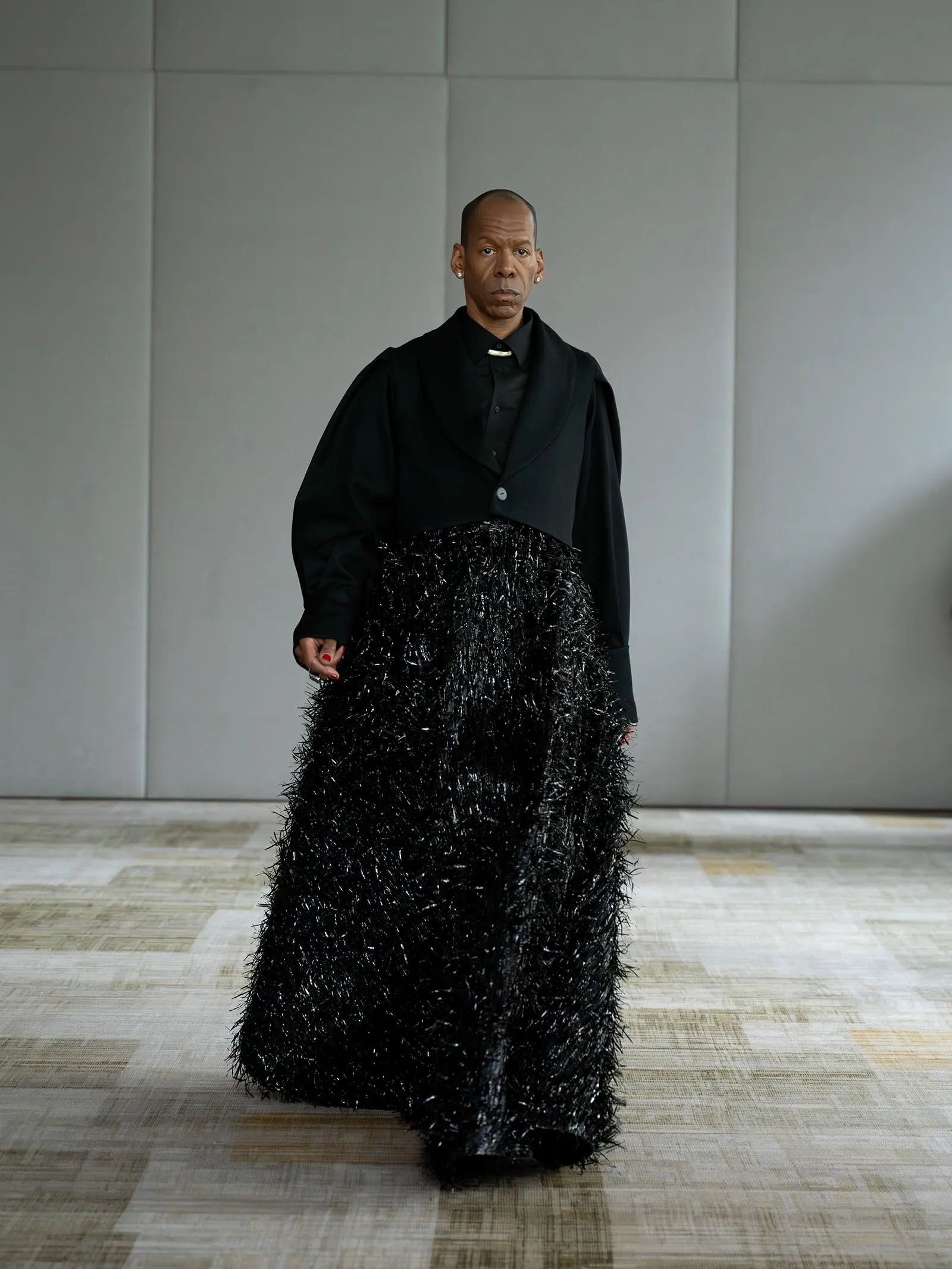
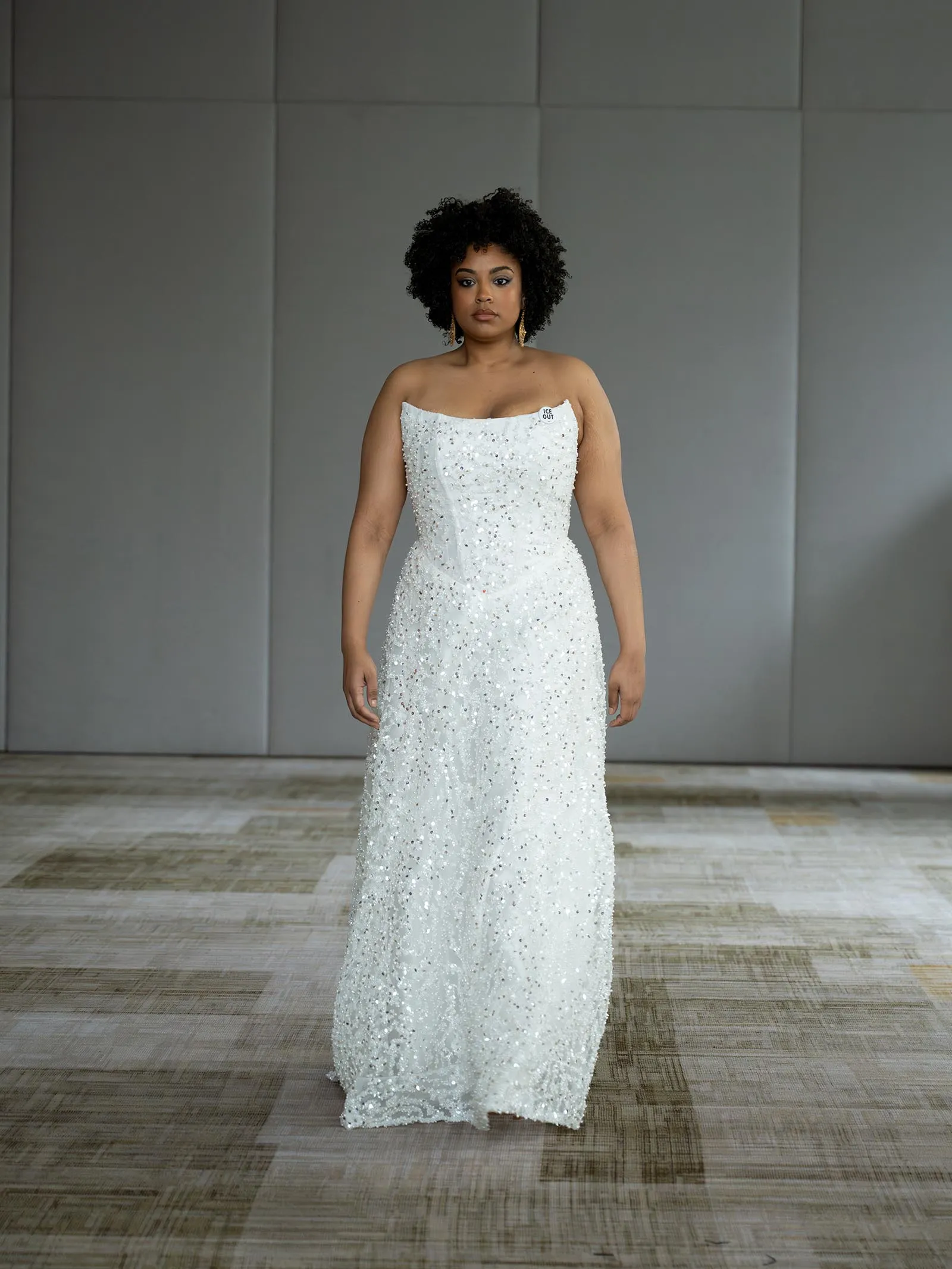
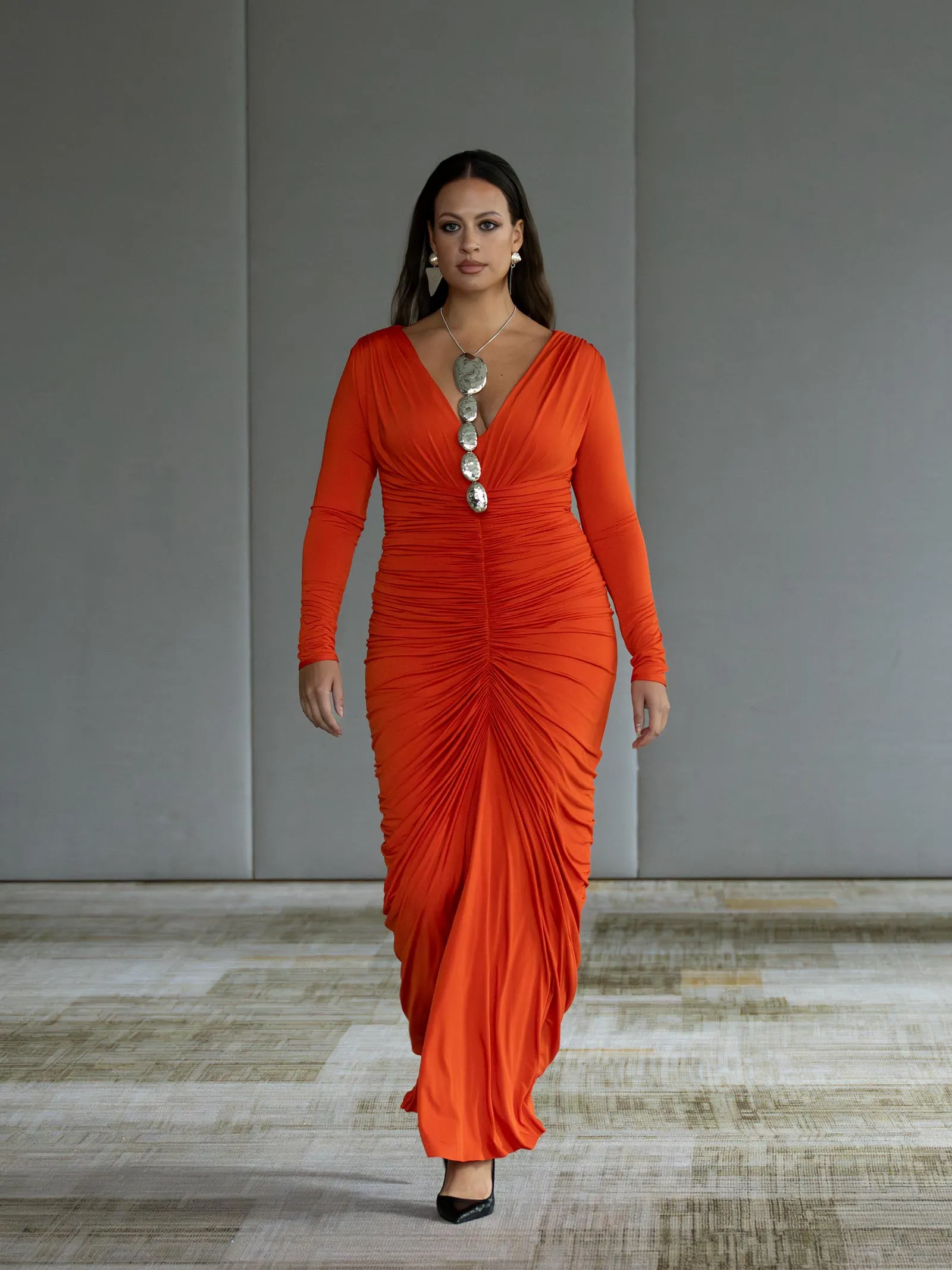
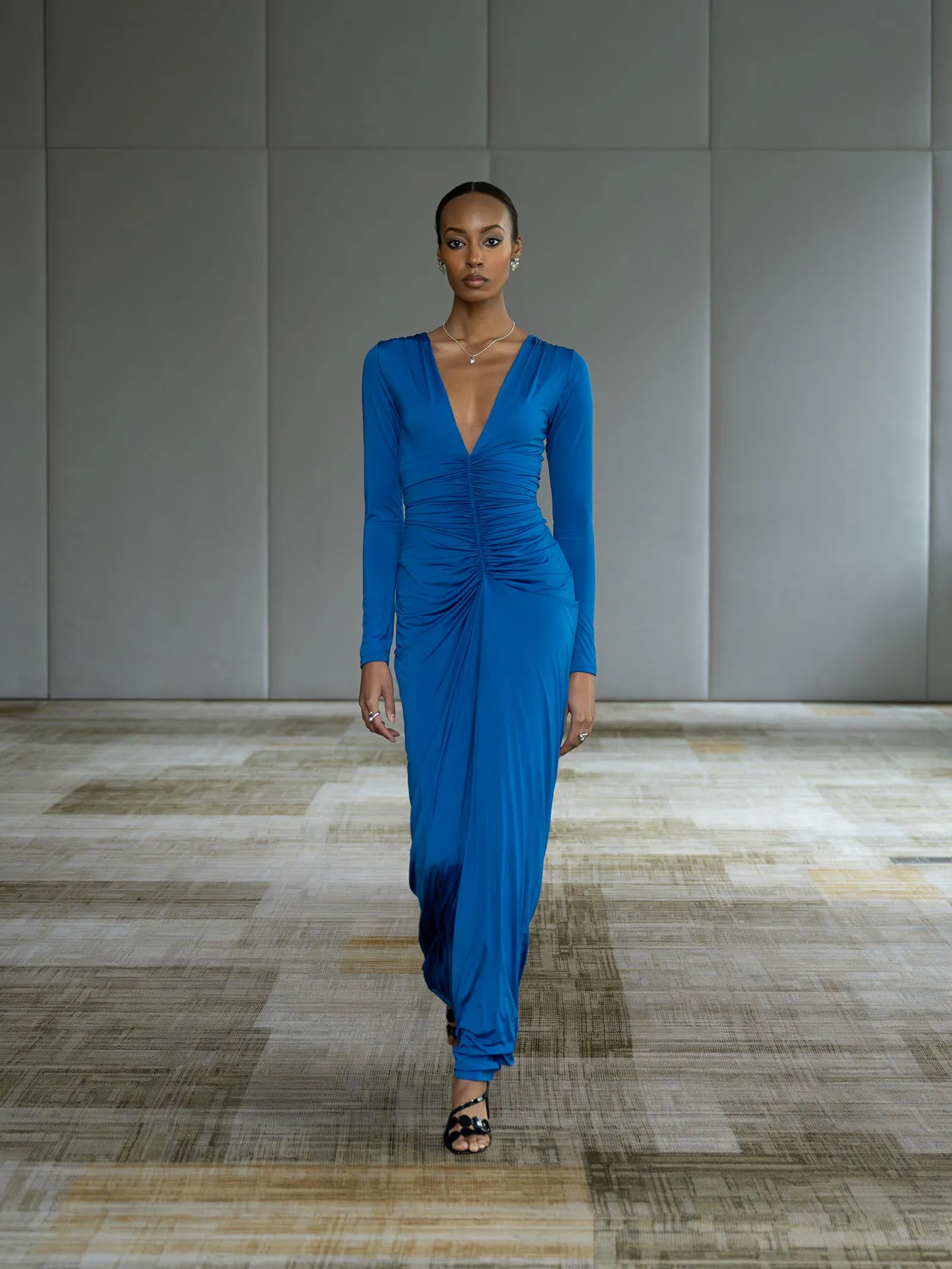
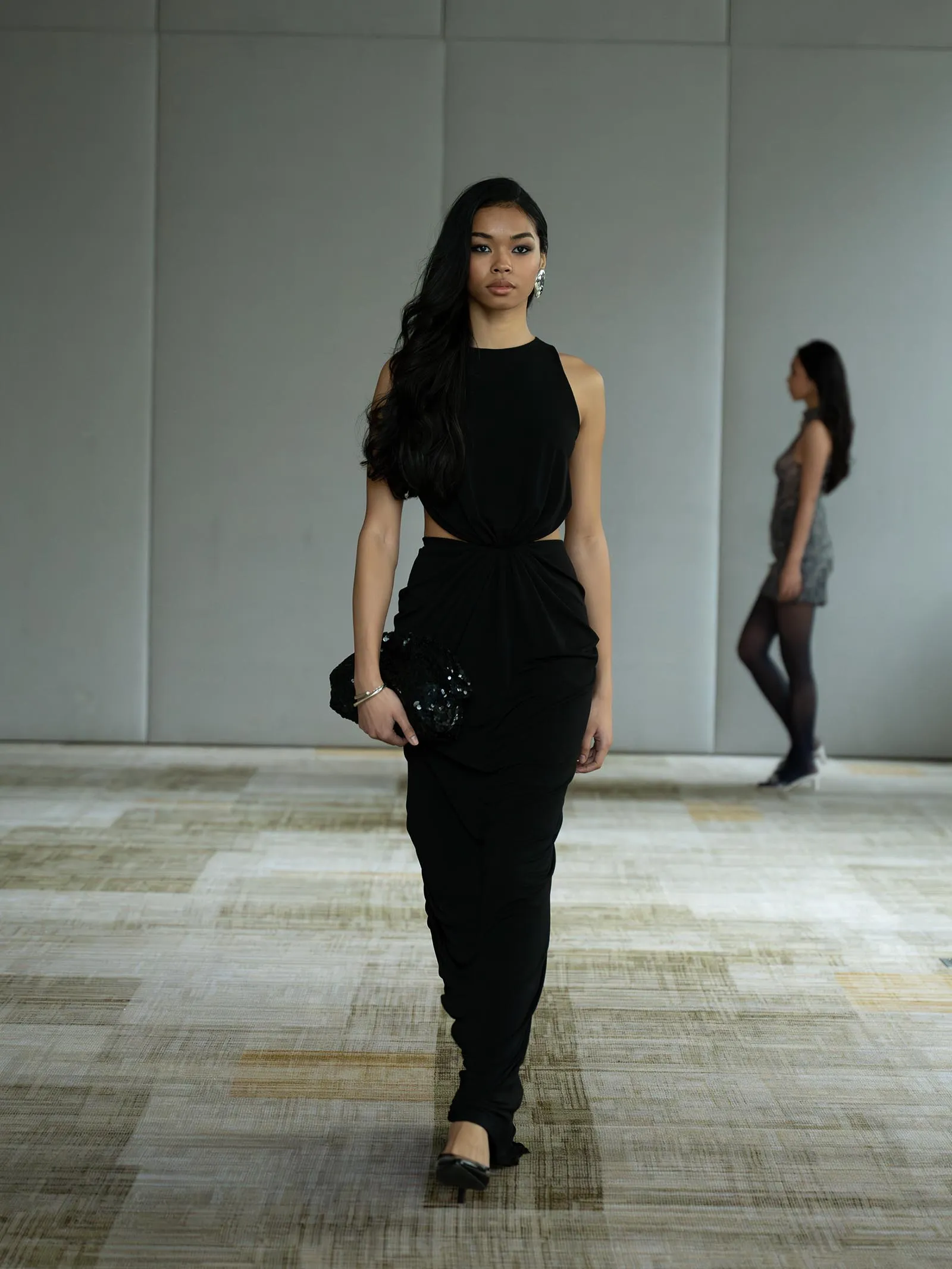
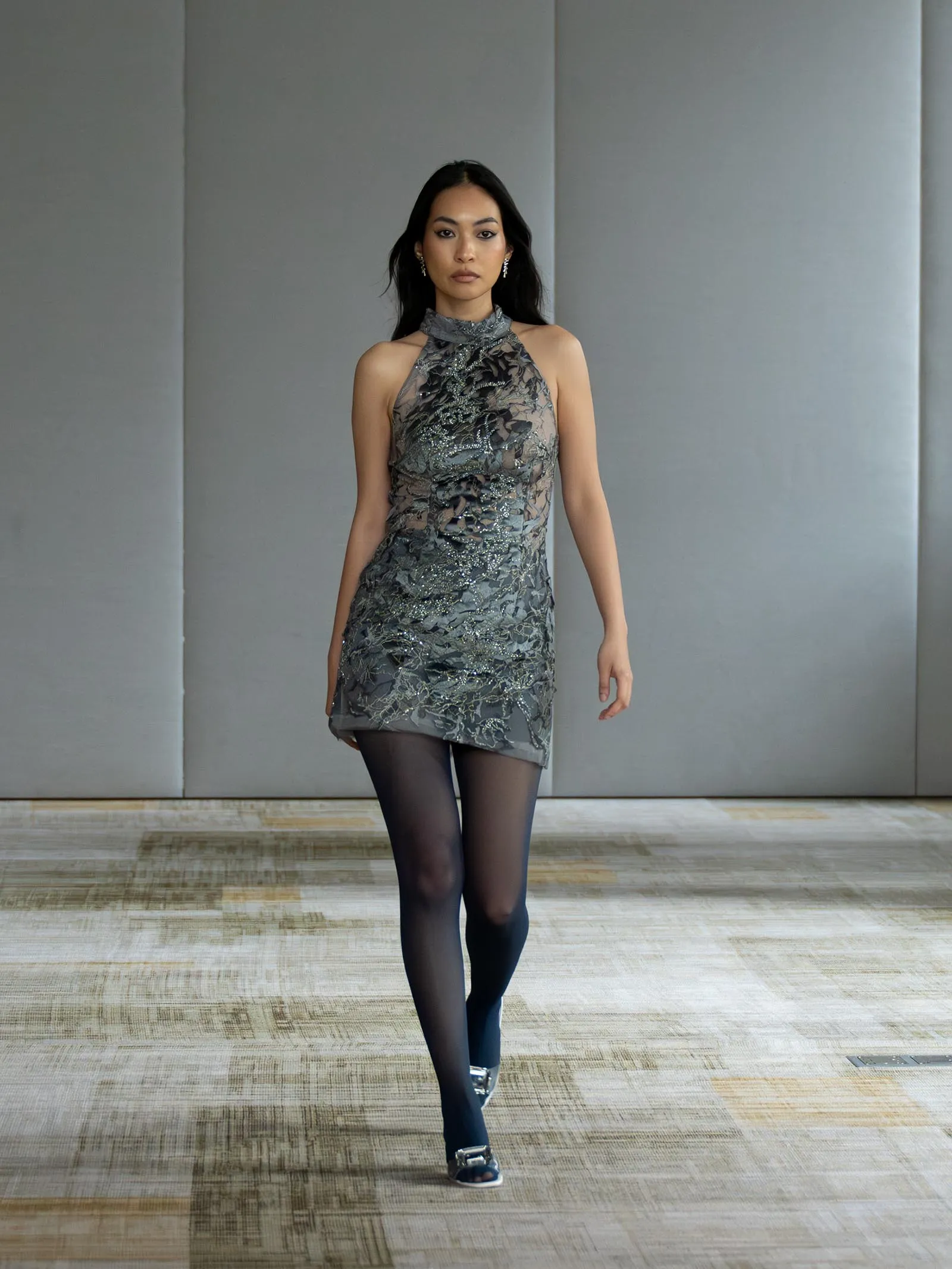
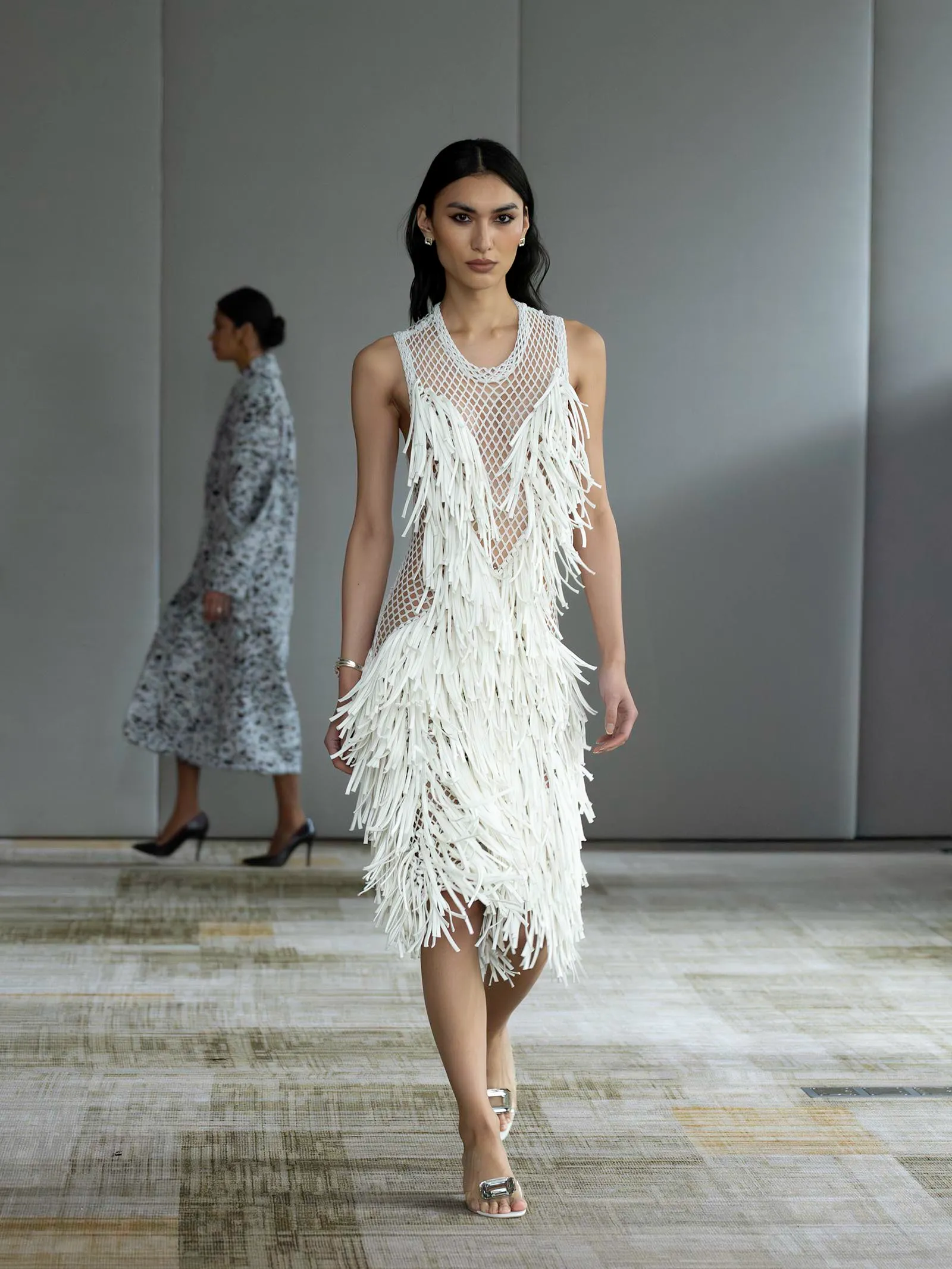
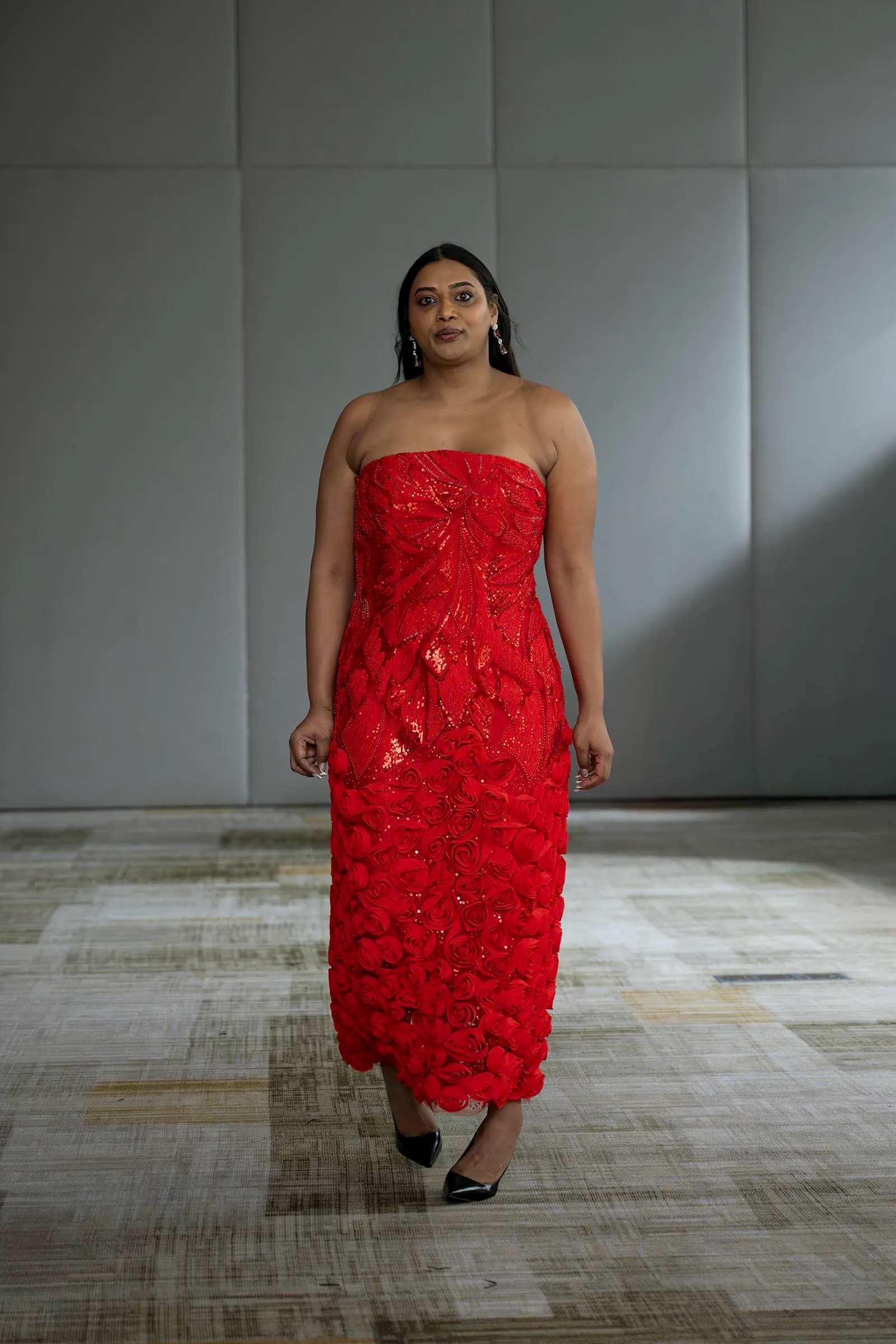
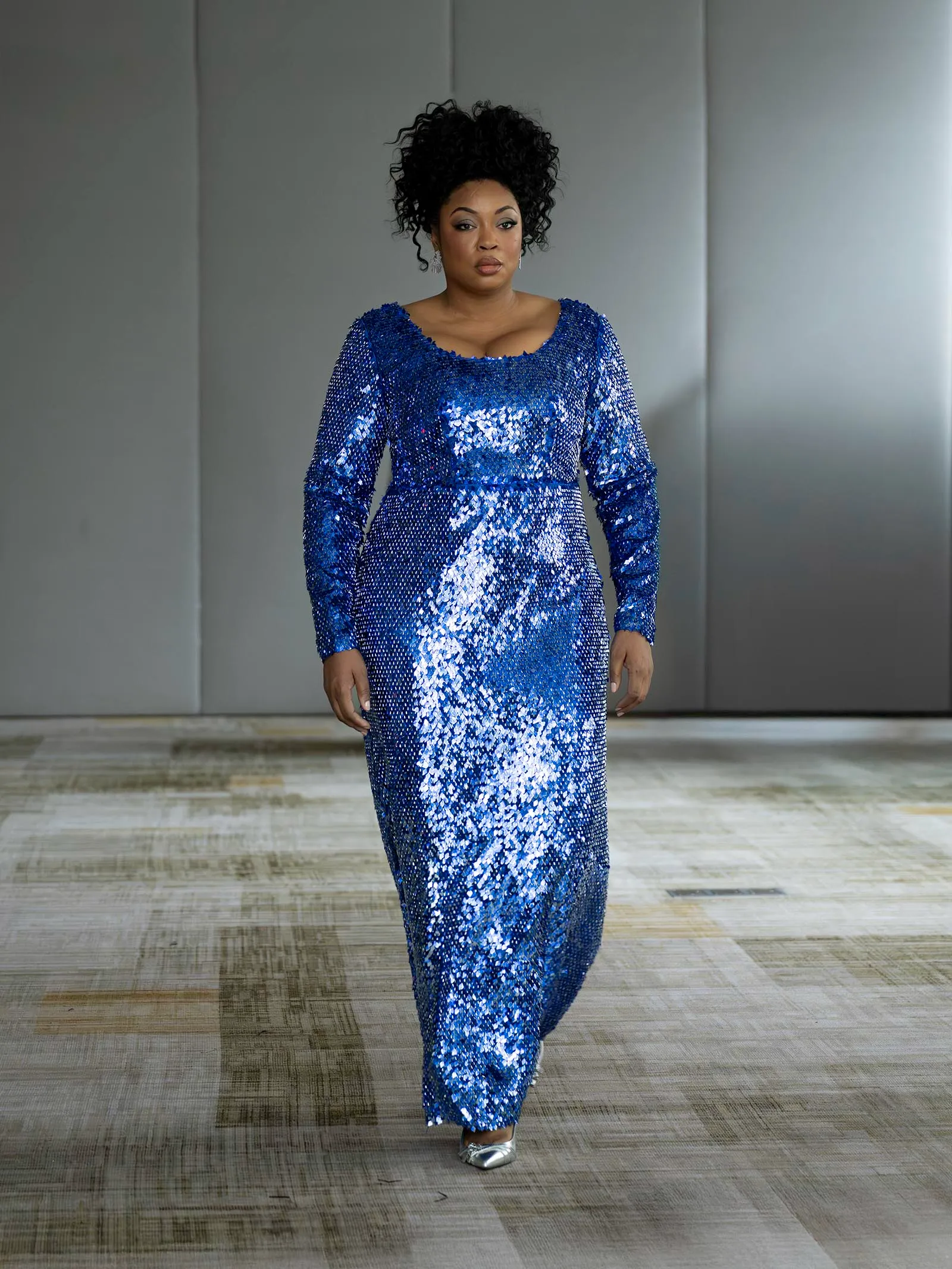
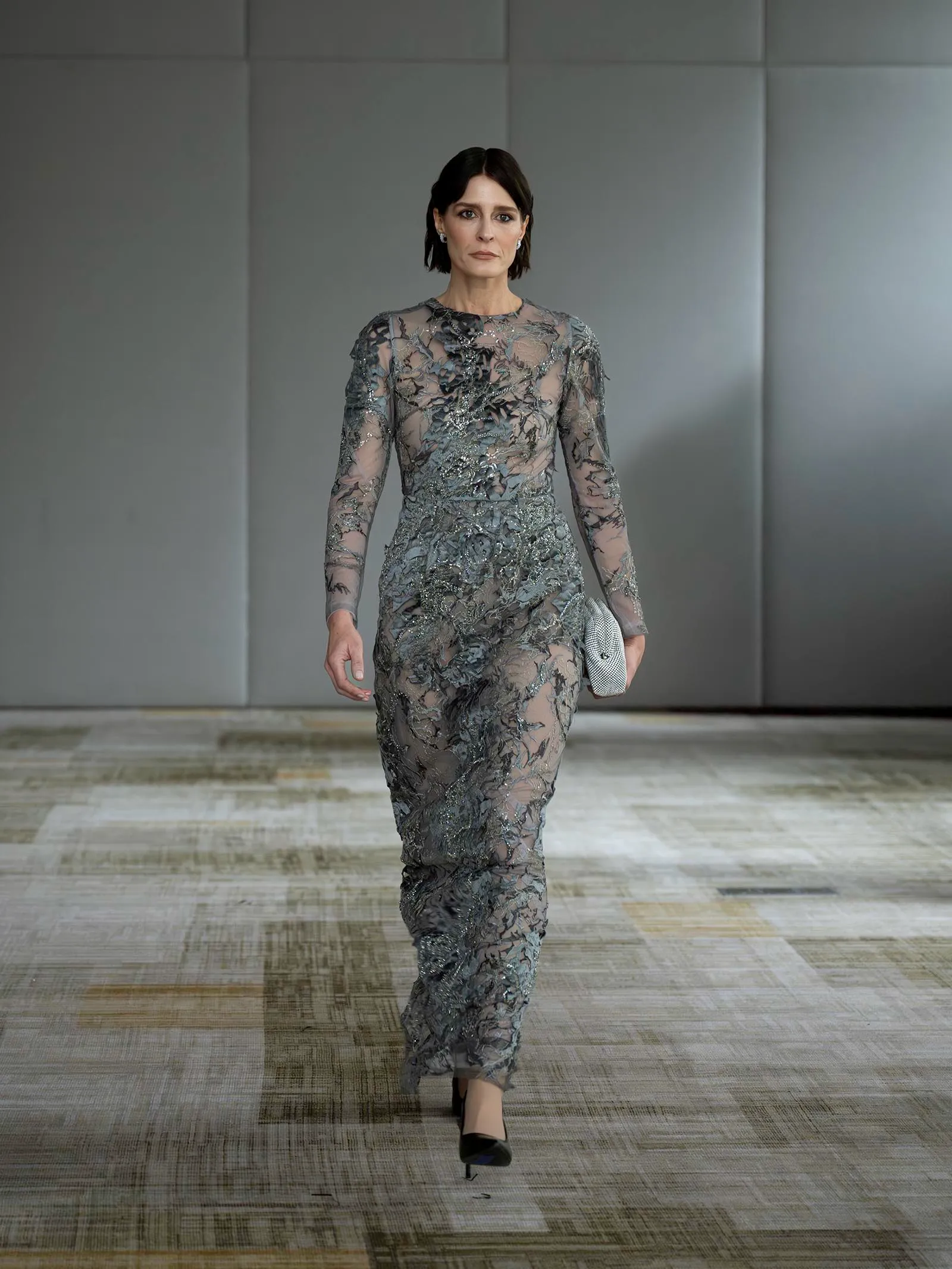
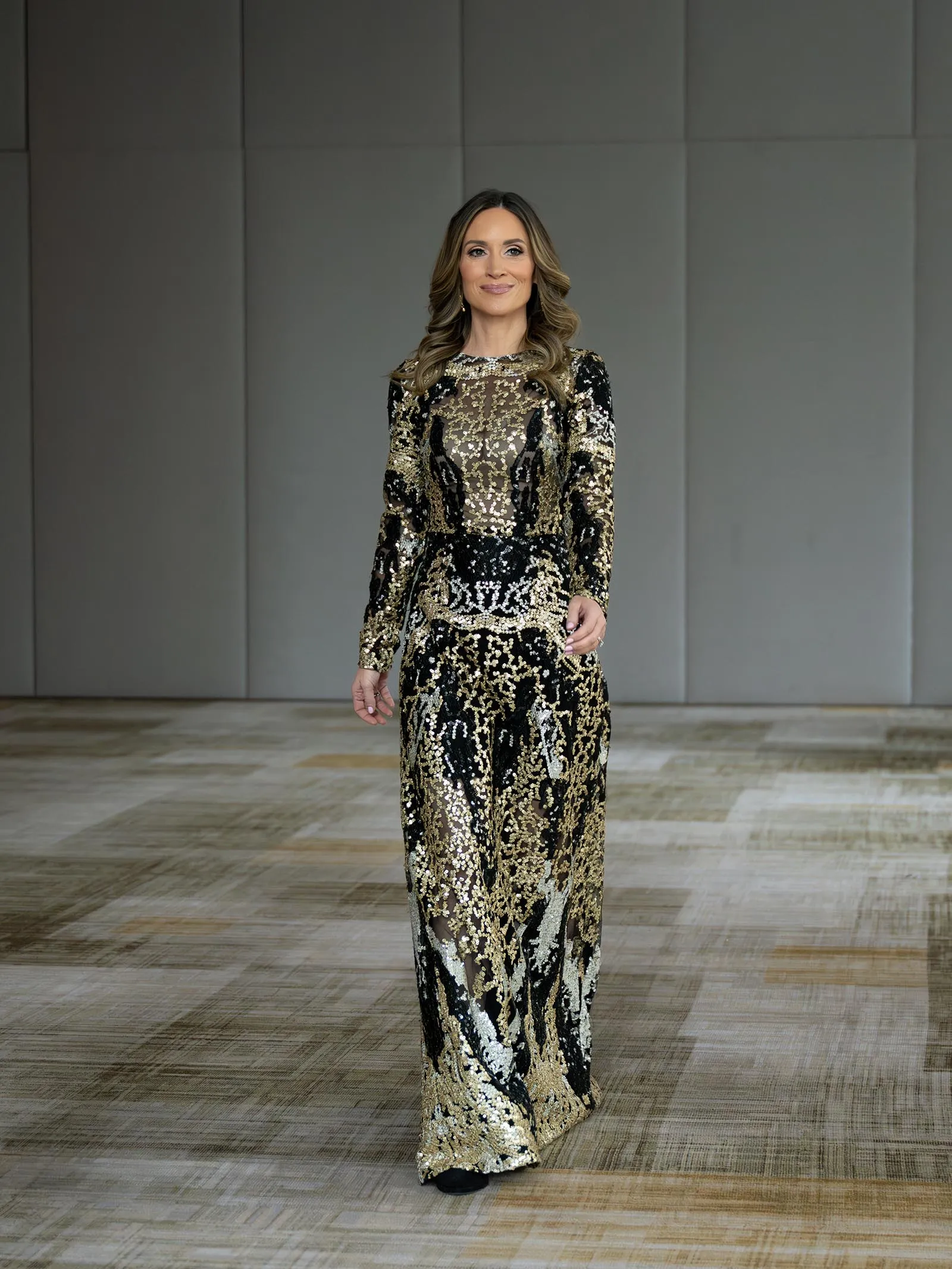
Casting proved to be one of the show’s most powerful statements. Led by Lorenz Namalata, it placed Filipino representation at the forefront while celebrating beauty across race and age. The lineup felt modern and inclusively aspirational, free from rigid or outdated ideas of conventional beauty. “I think definitely I want to make my collection very inclusive. Very diverse. Because I believe that fashion is for everyone.”
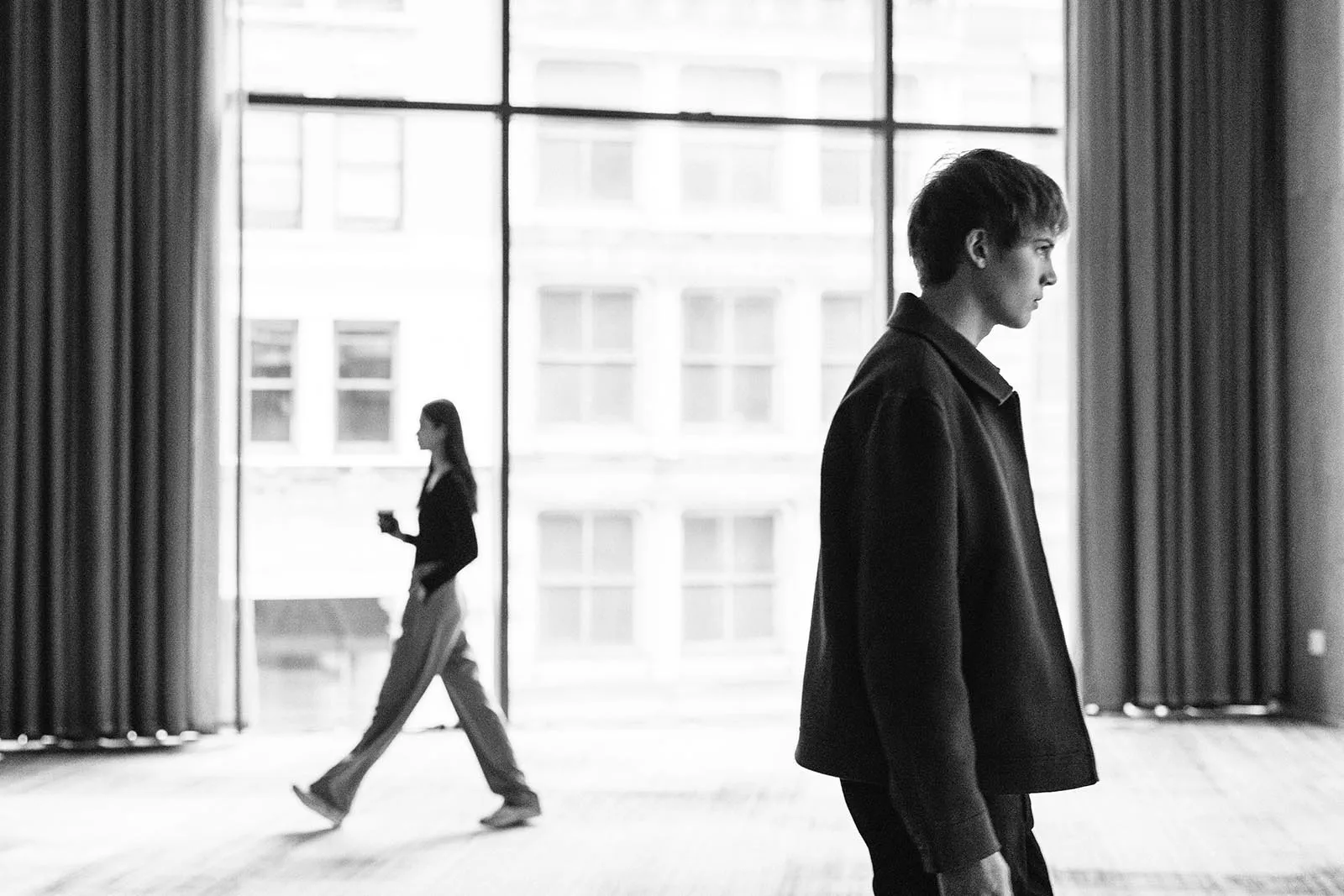
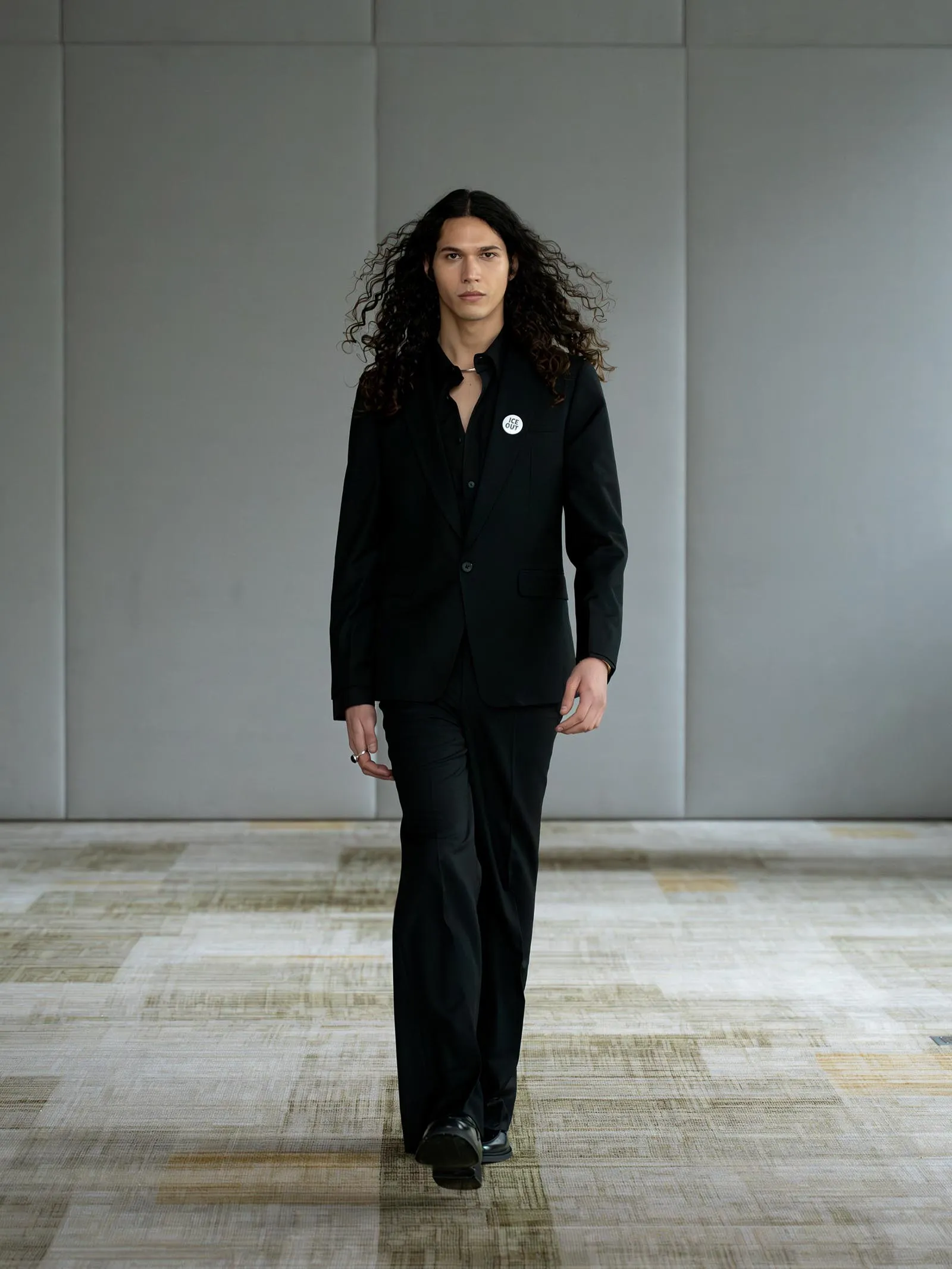
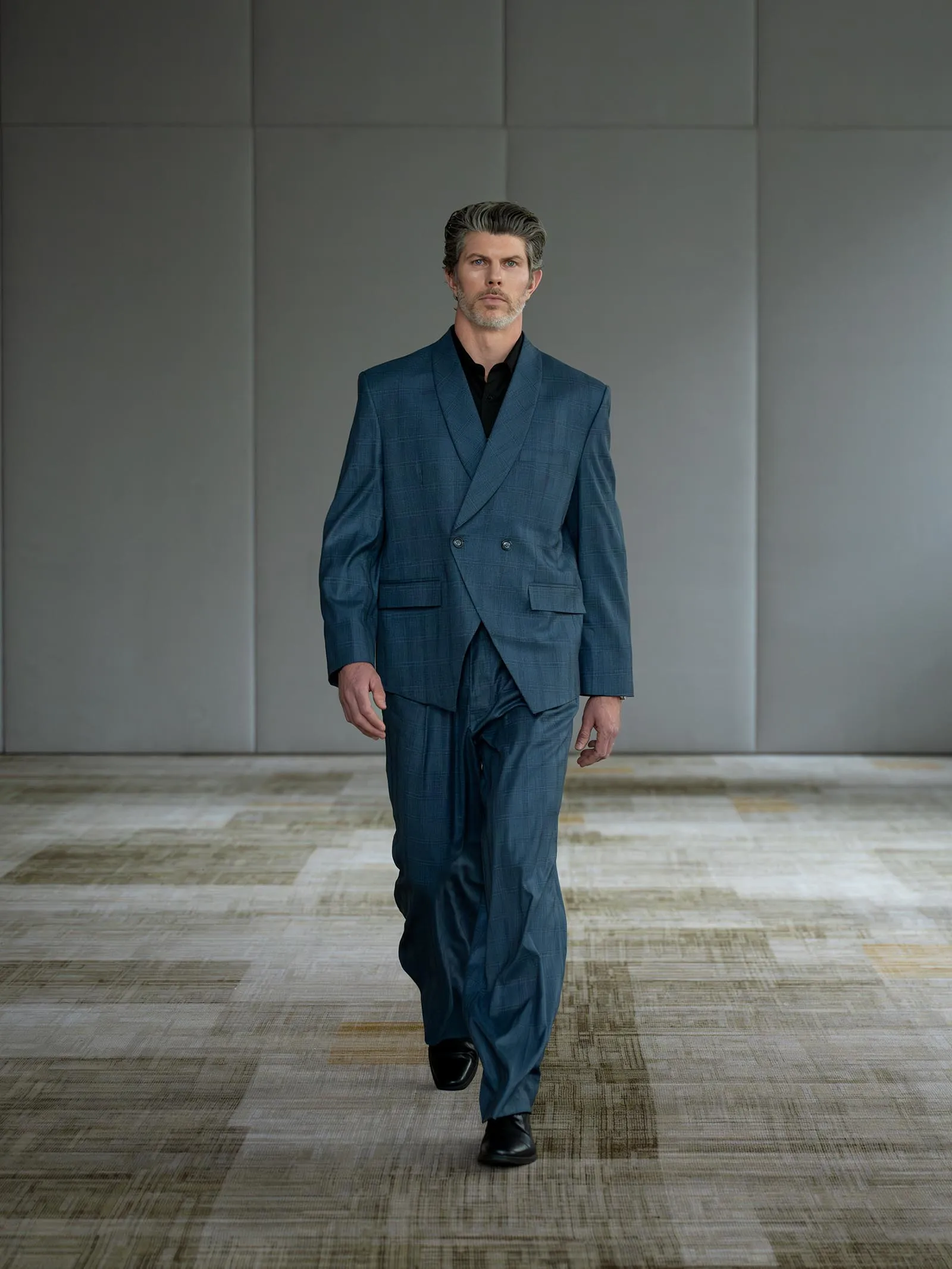
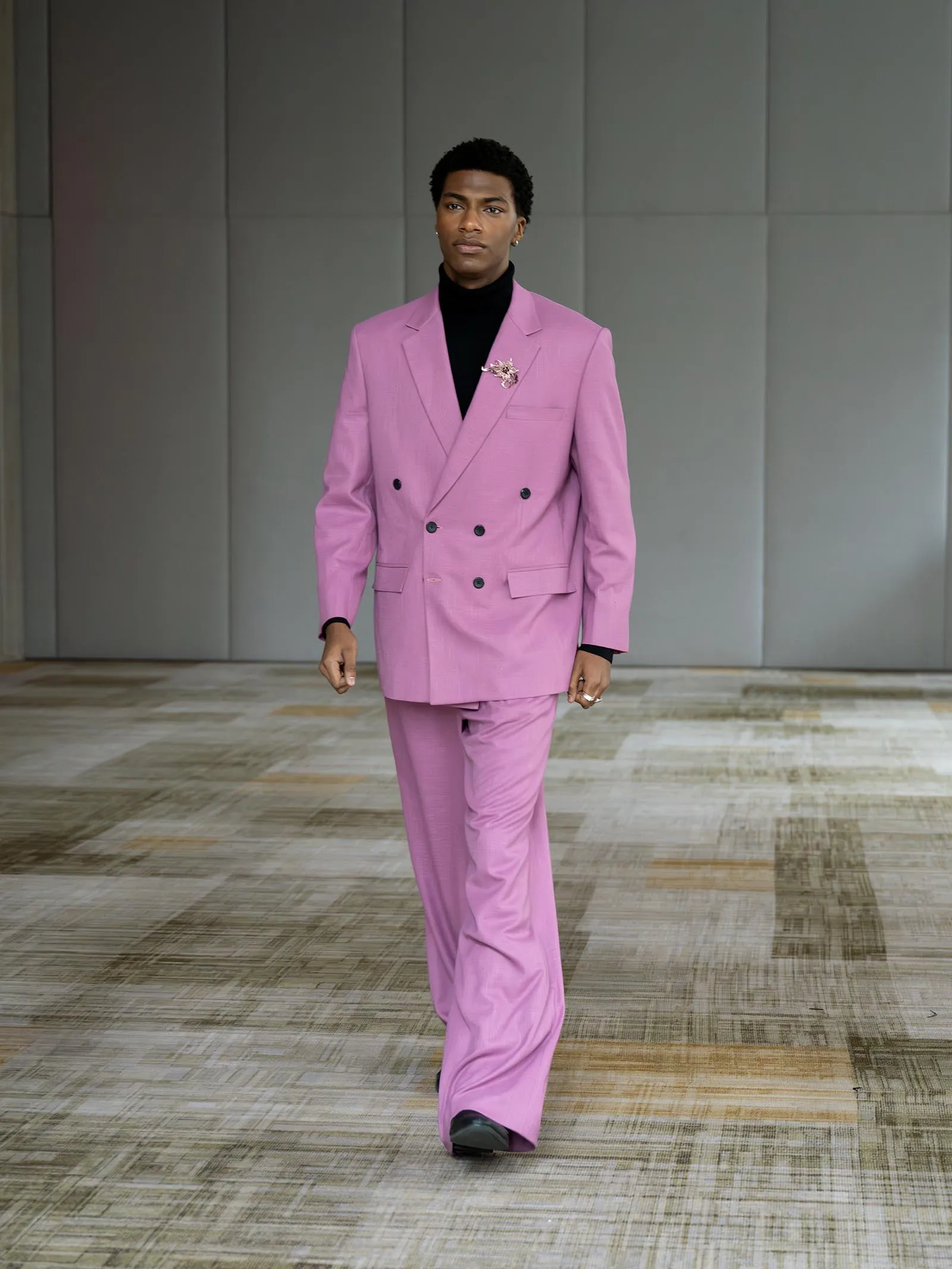
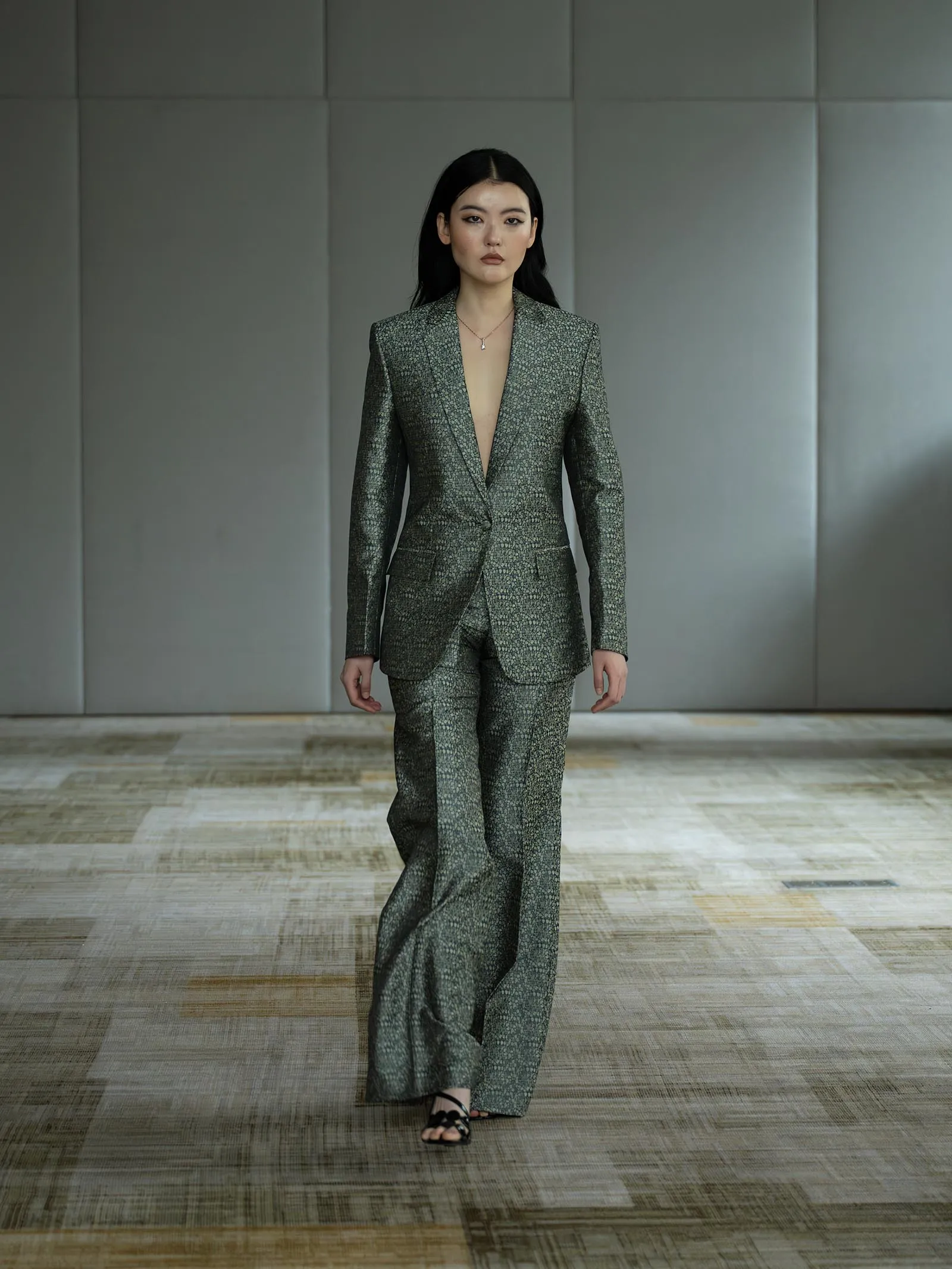
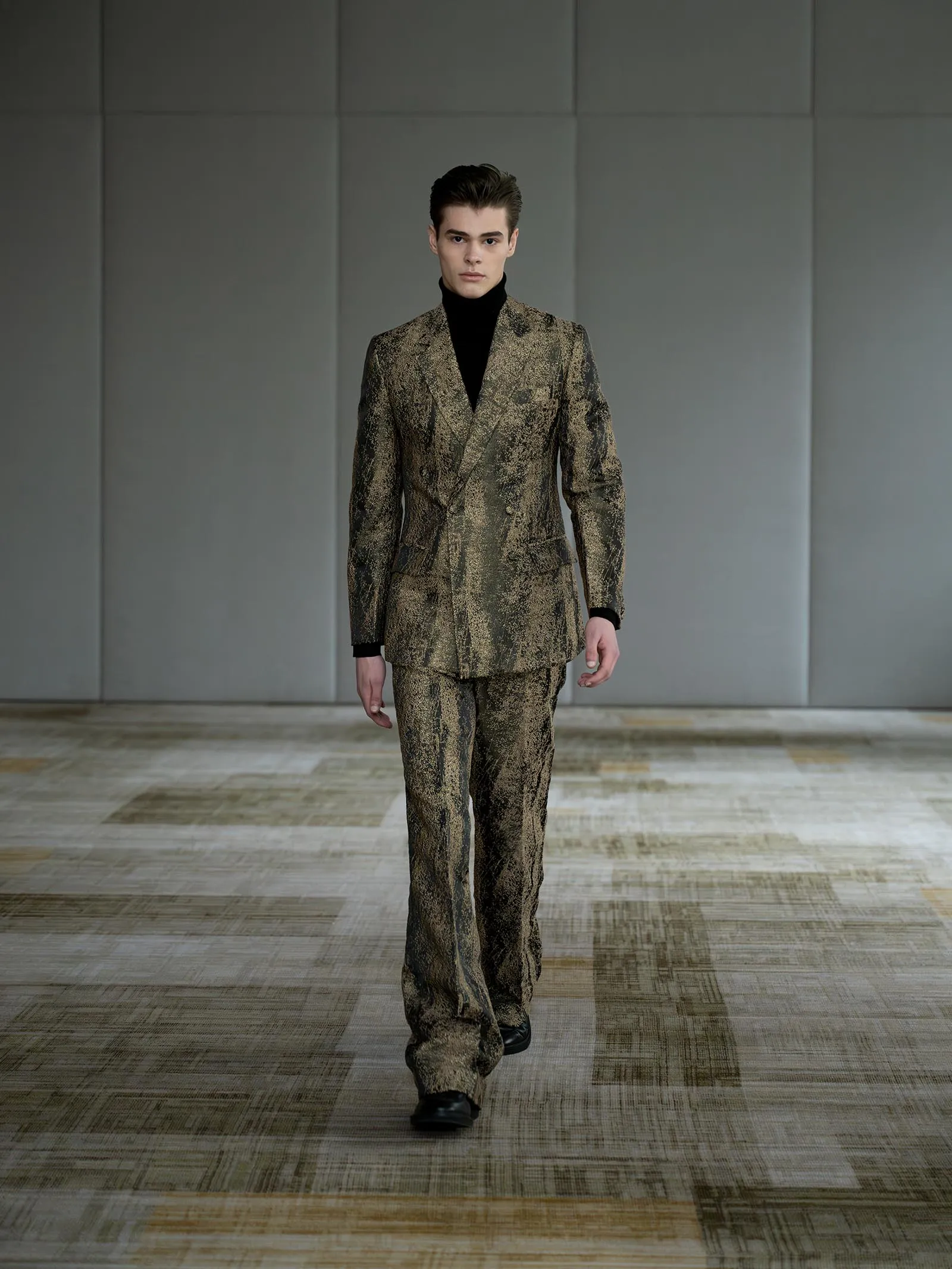
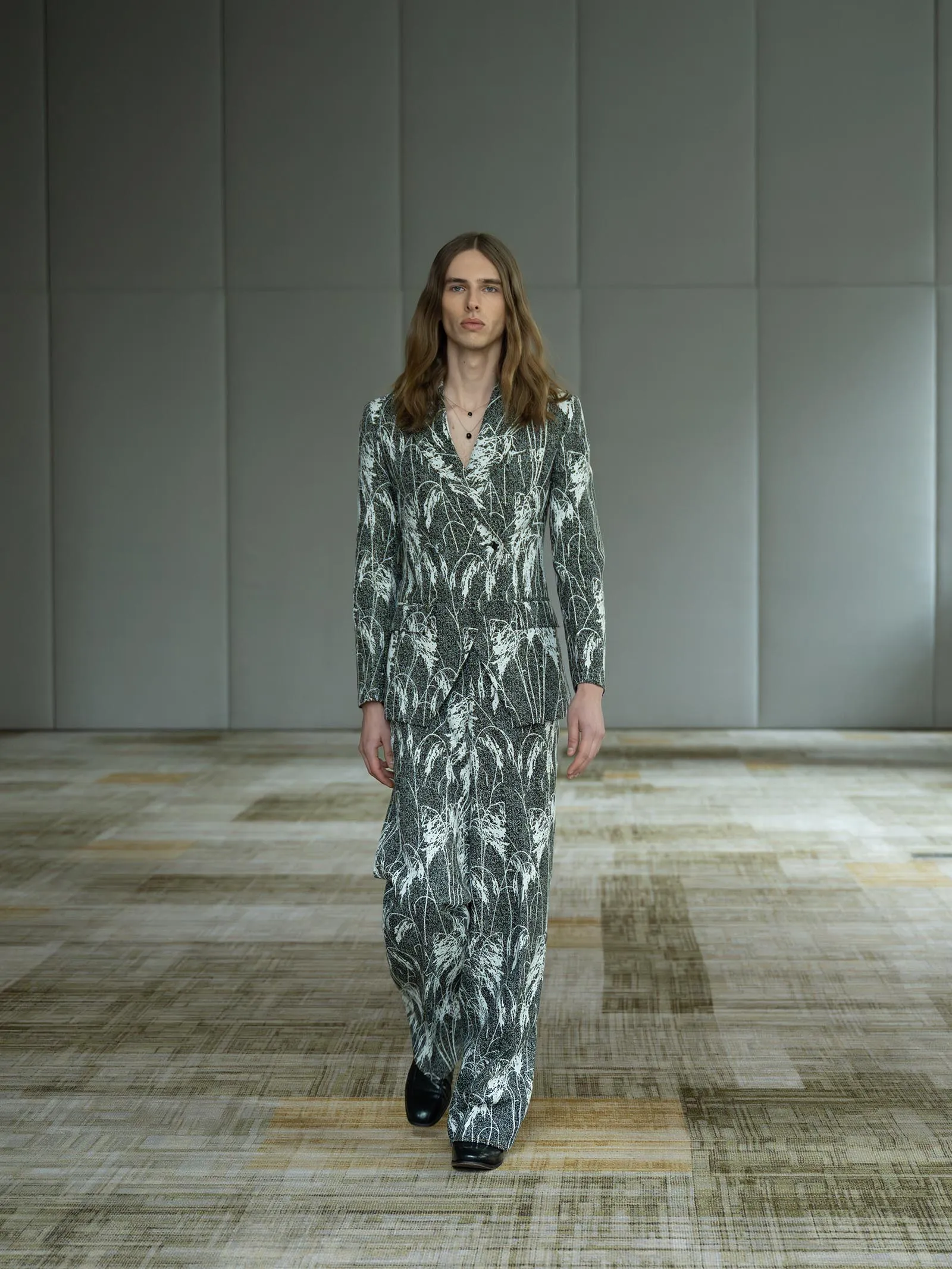
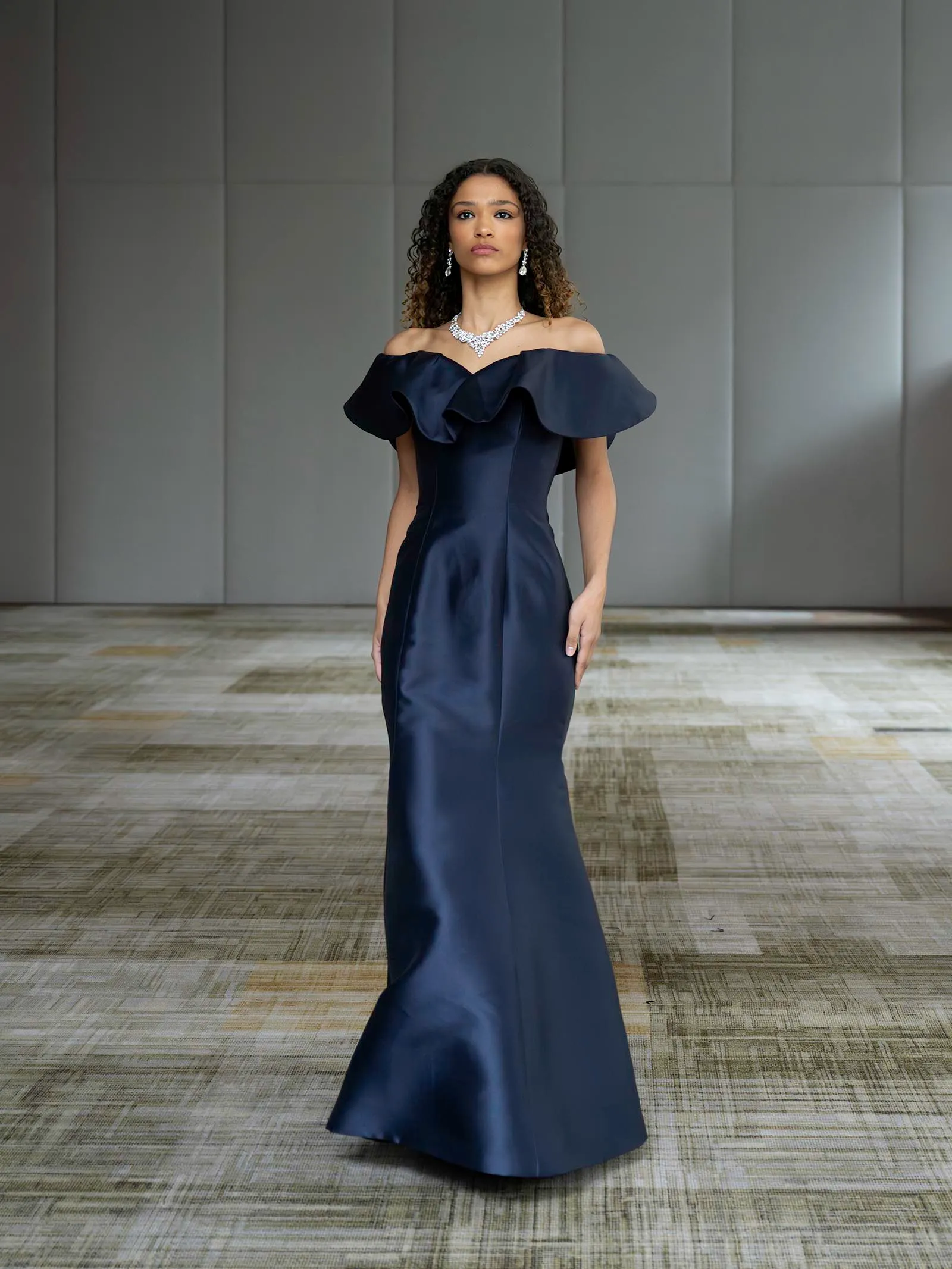
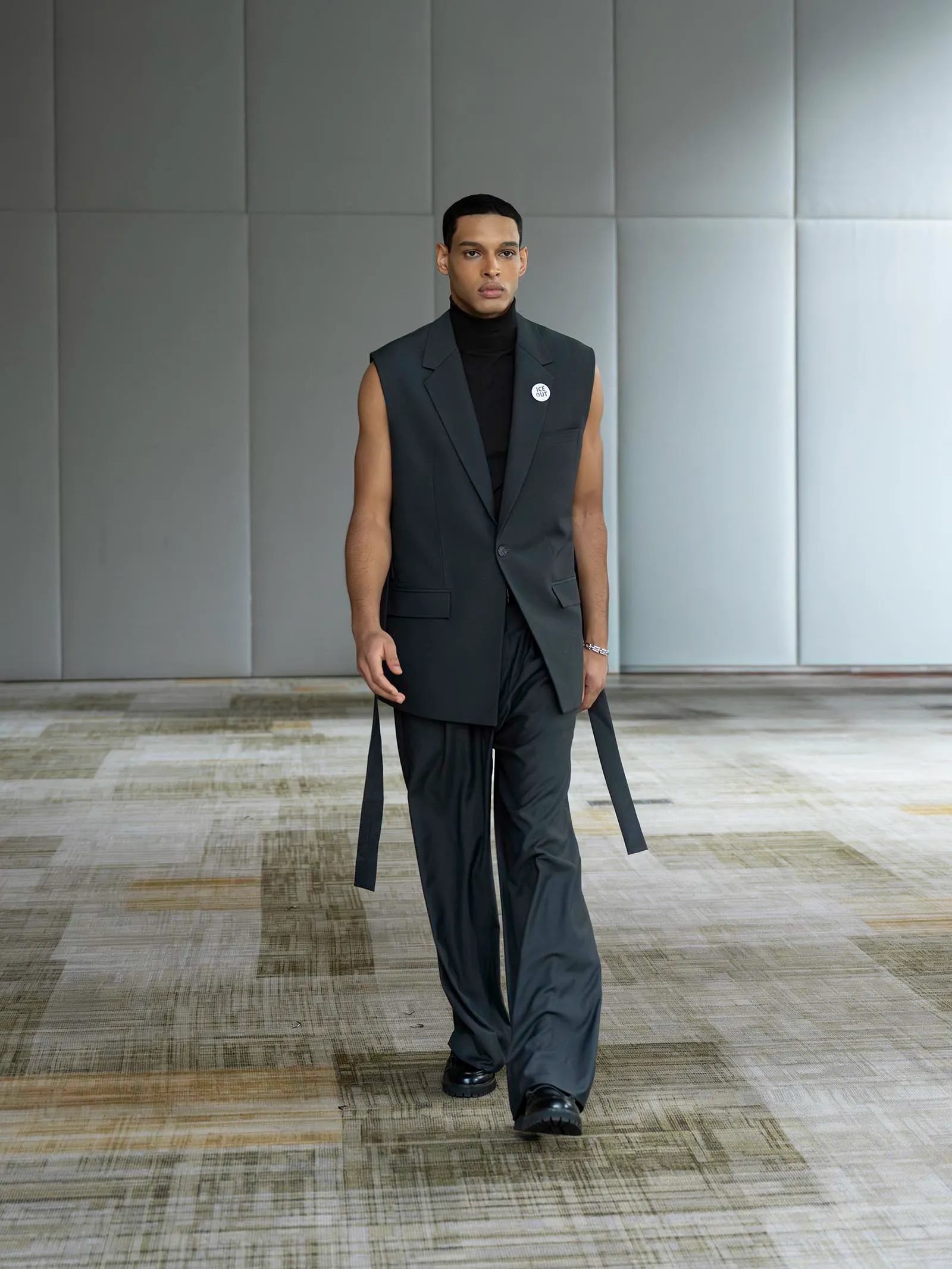
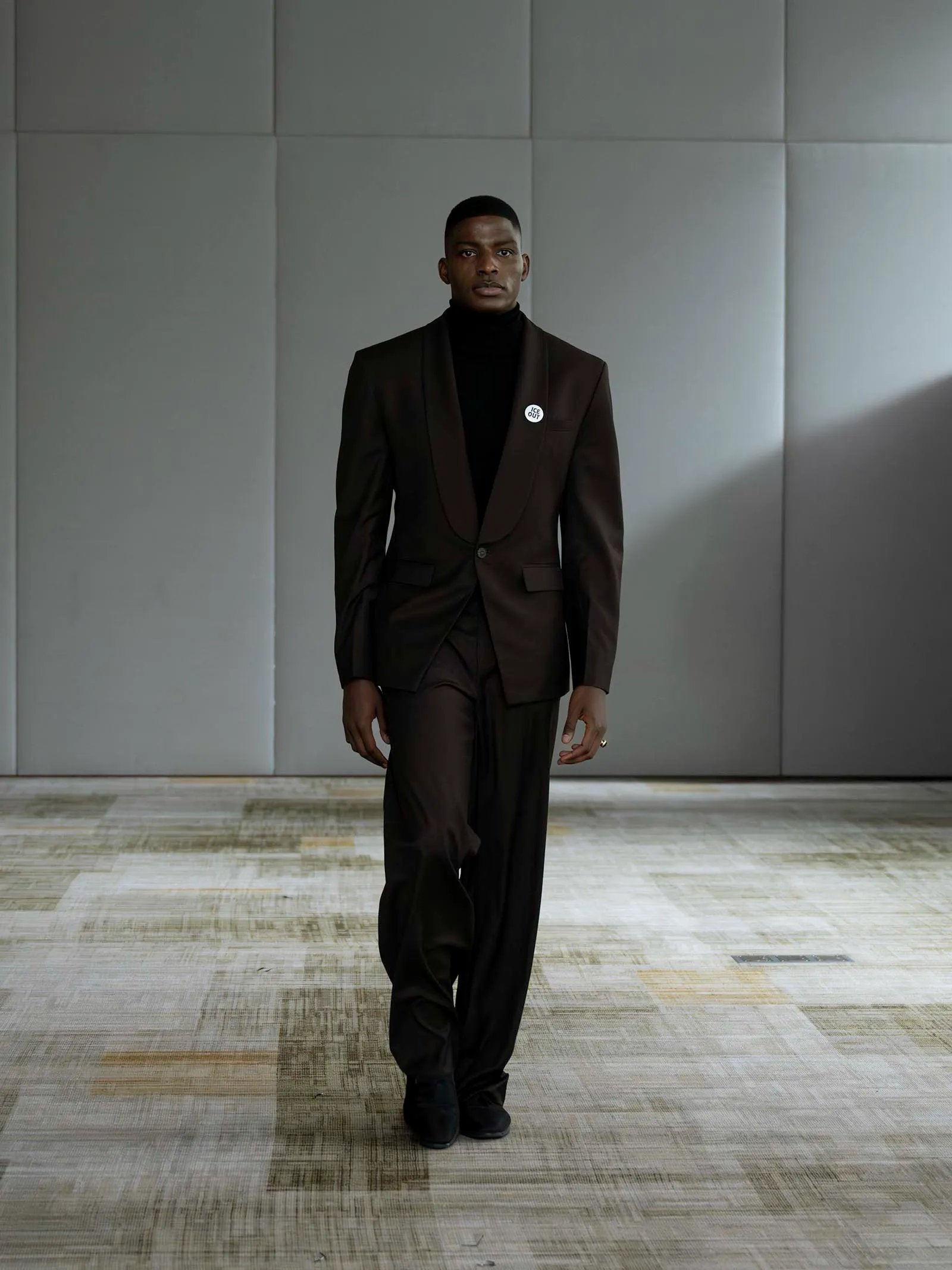
She has no interest in fitting into society’s boxes. “I don’t want to dress a very specific demographic. I think it’s important that I dress up women of all sizes, shapes, and colors. And to me, that’s really important.” A series of suits followed, cut and tailored in inky, sketch-like jacquards and painterly damasks, alongside worsted wool in unapologetic blocks of color. Though designed for men, the pieces would look just as compelling on a woman.
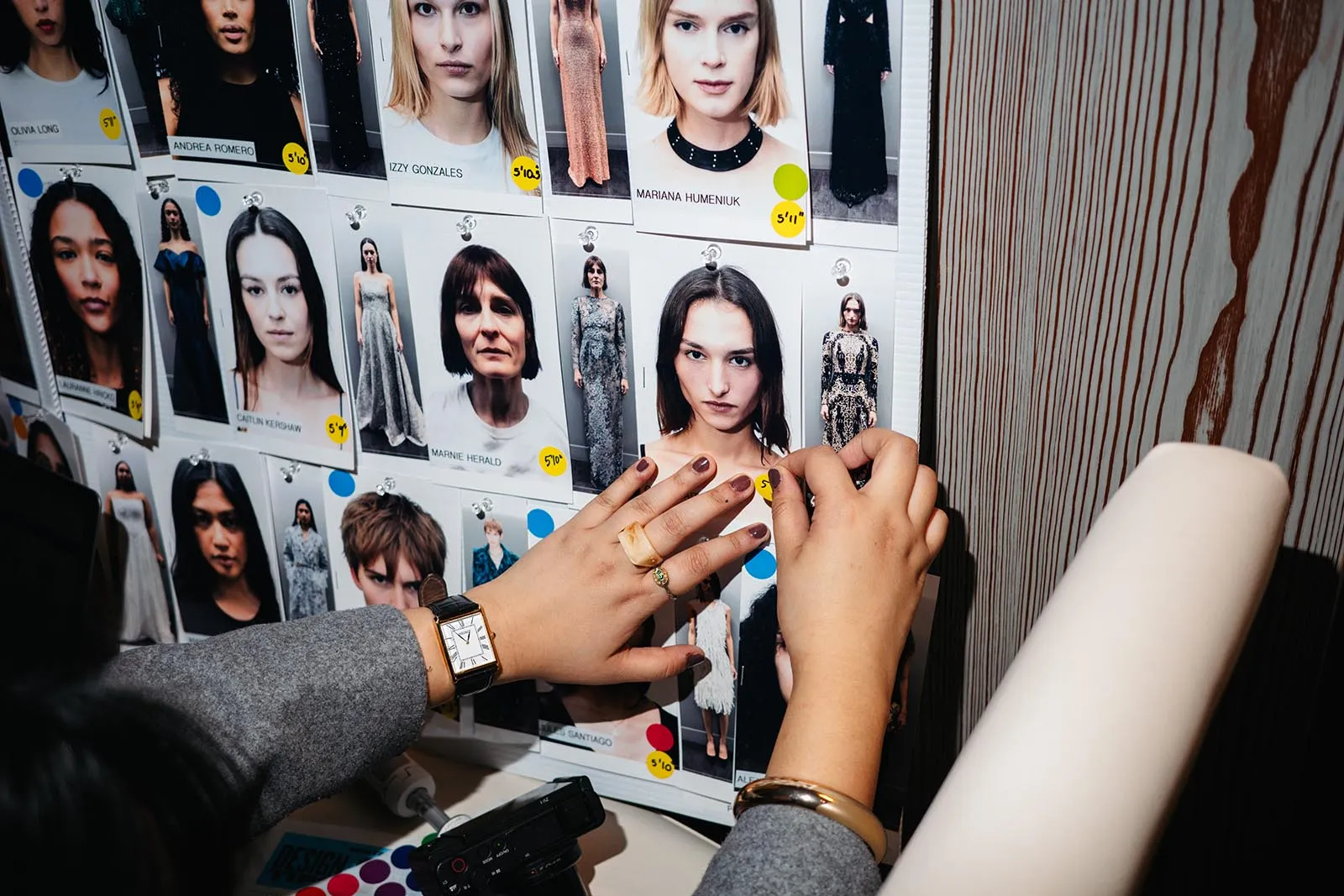
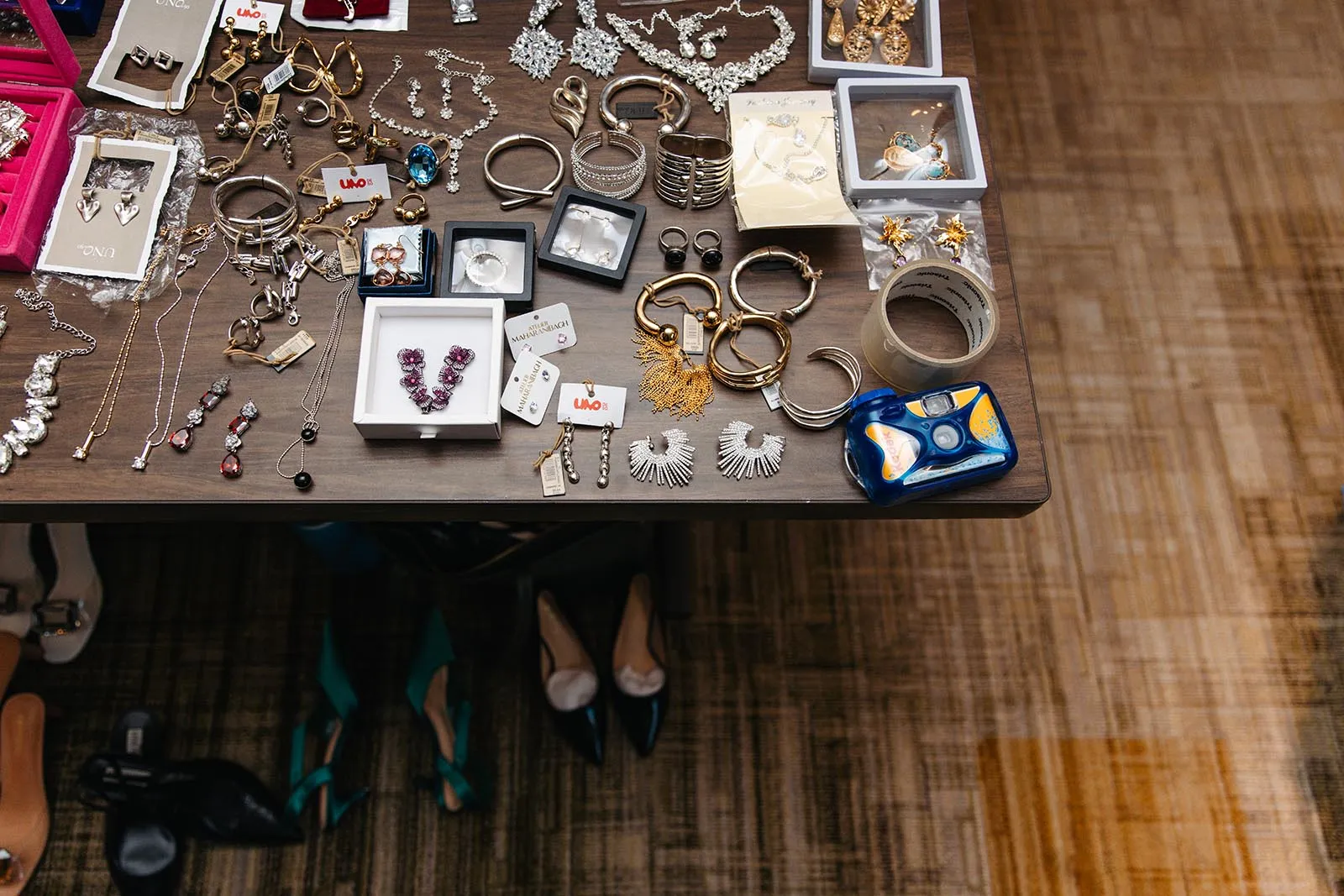
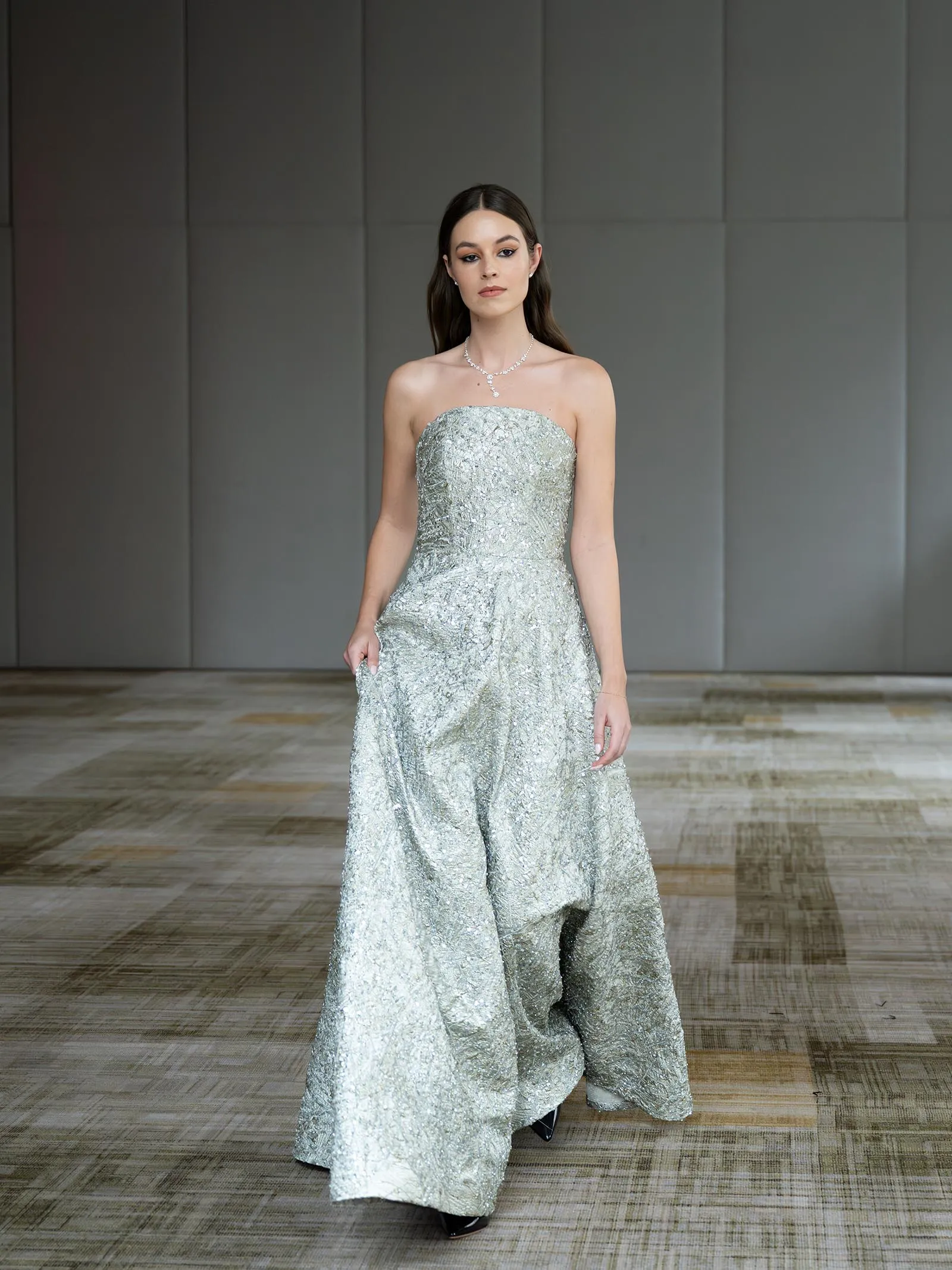
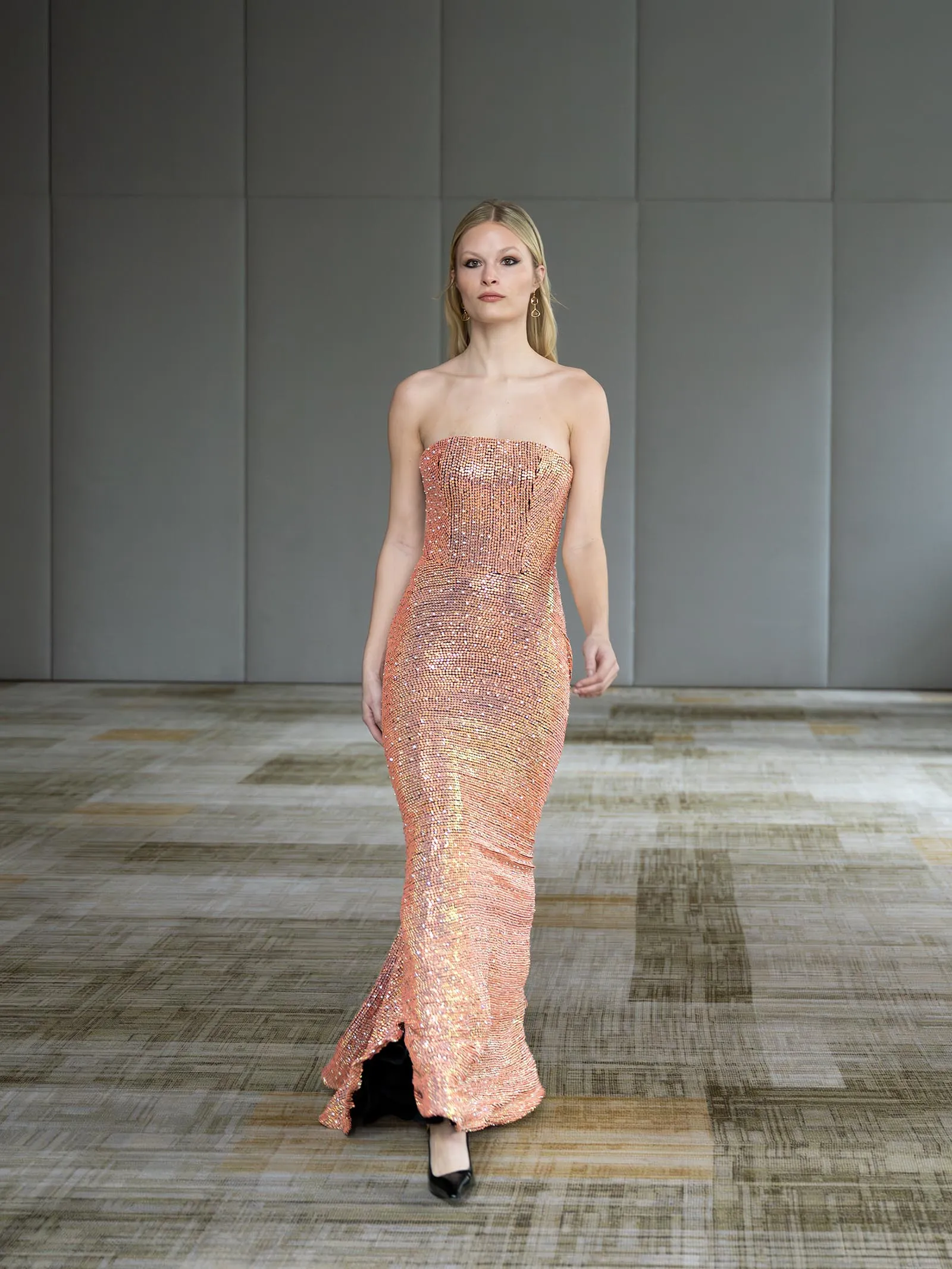
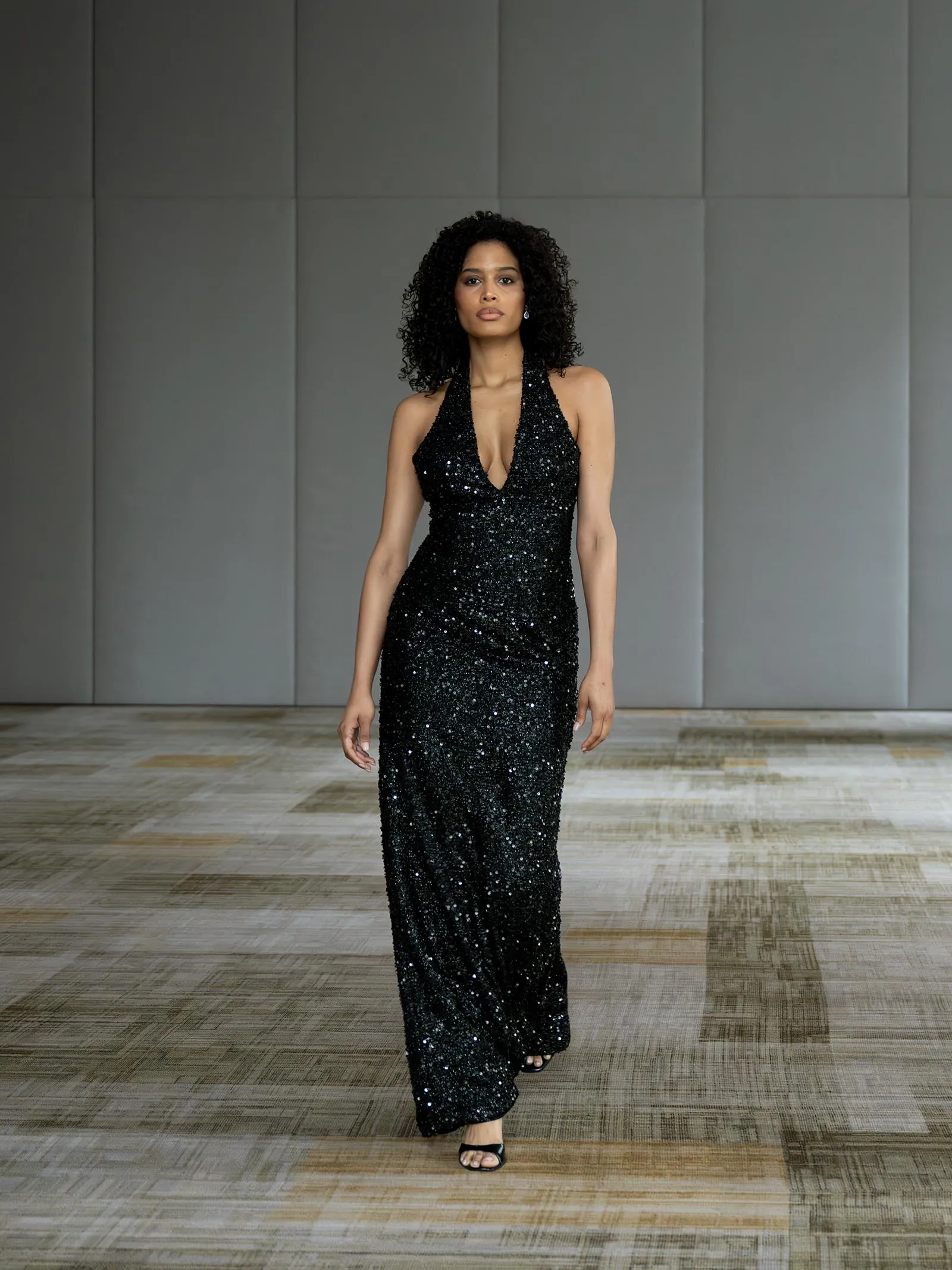
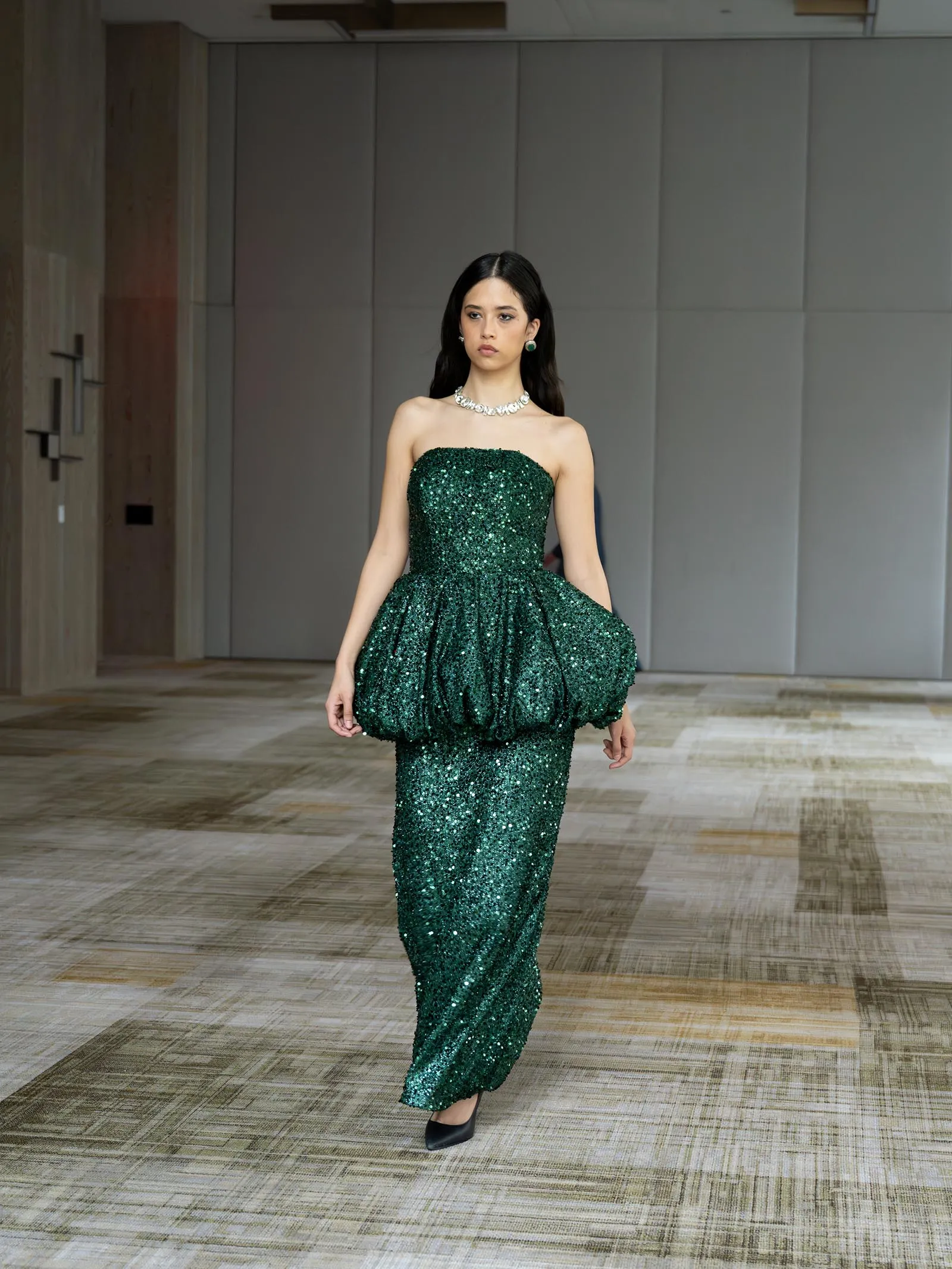
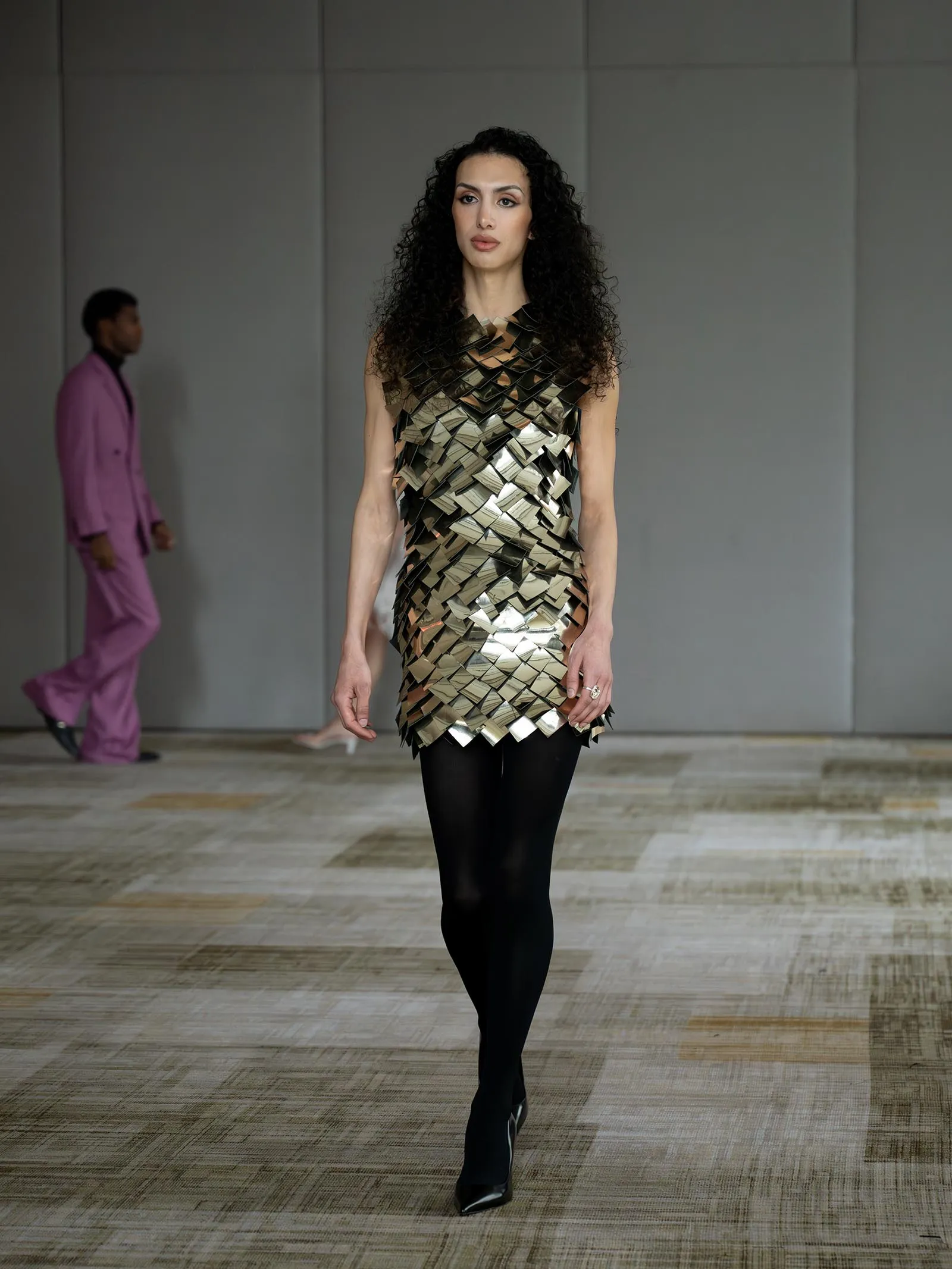
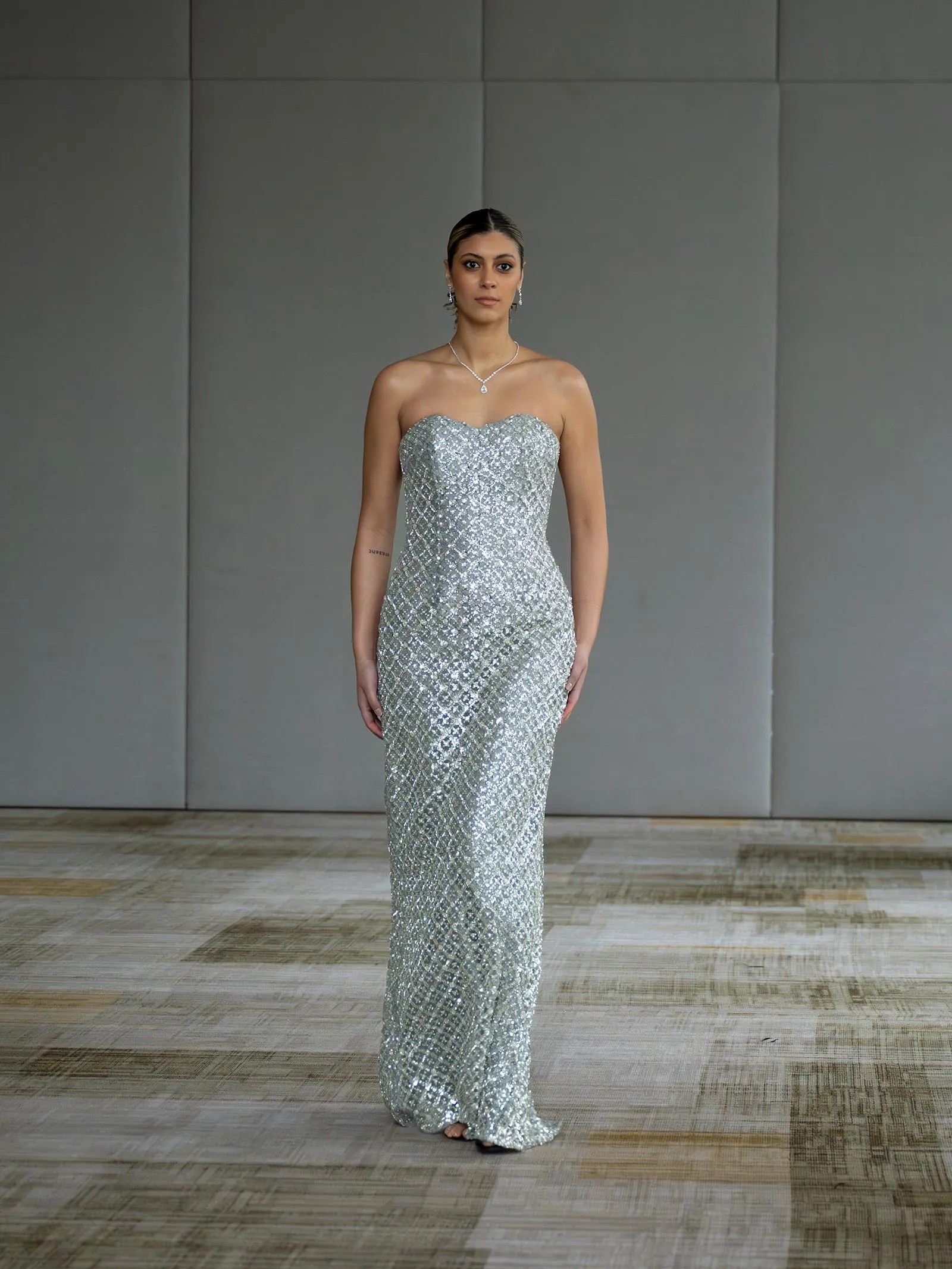
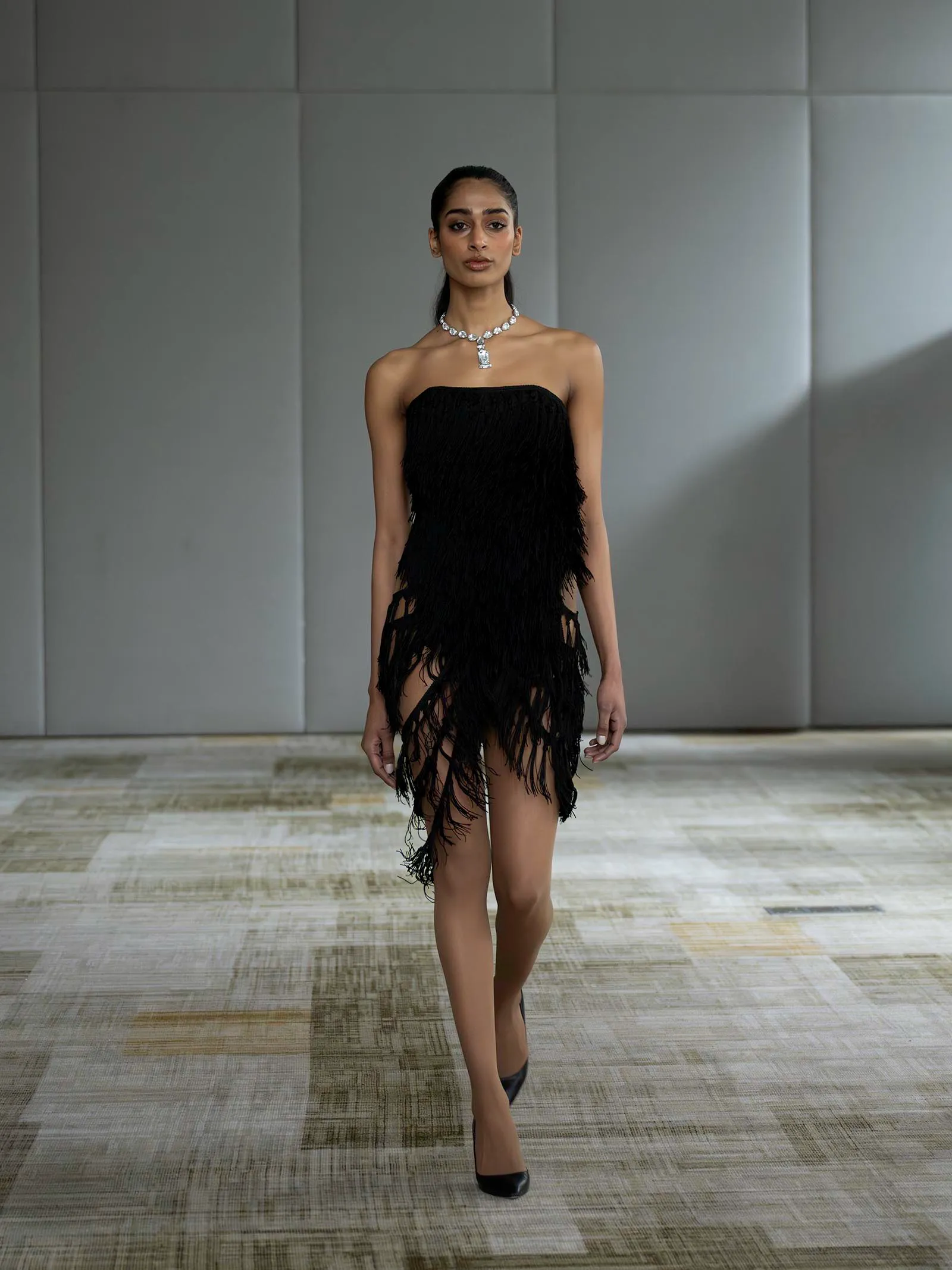
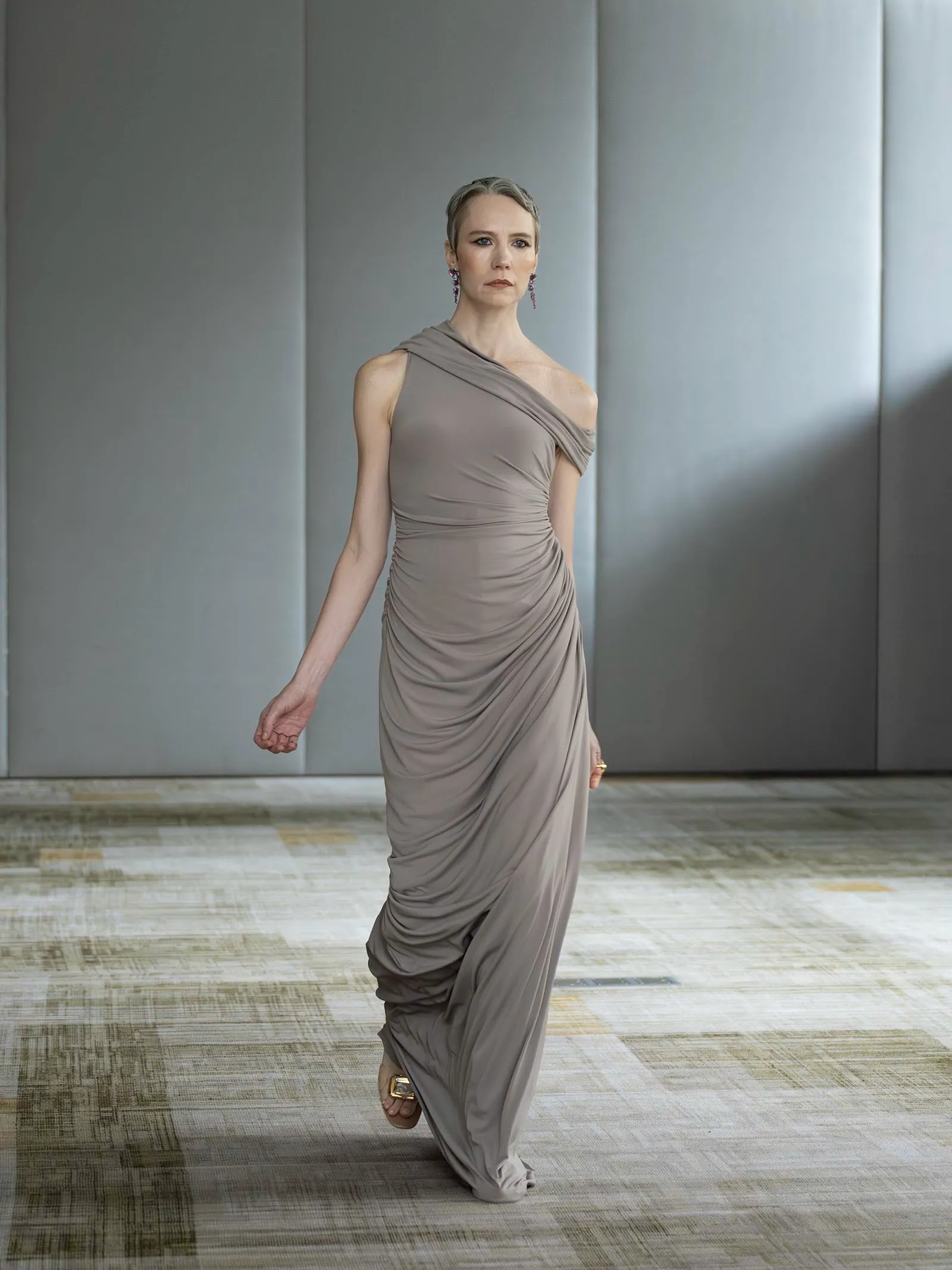
What the show articulated was Veejay Floresca’s pledge to fashion, offering an encyclopaedic display of what her atelierAtelierThe French word for workshop, describing the studio where a designer's garments are cut, fitted, and finished by hand. In couture, the atelier is the heart of the house, homeGo to Atelier Glossary can create for a client. Ancient Grecian drapery, ’80s body-hugging dresses, space-age minis, and silver-screen siren gowns, paired with jewelry by UNOde50 and clutches by Filipino designer Rafe New York, were styled by Wendy Woffington. These looks complemented Floresca’s vision of creating “an elevated fashion house dedicated to evening wear and special-occasion pieces.” Suitable for the sophistication of the Upper East Side, a lively downtown house party in the East Village, or the formality of a diplomatic event in Washington.
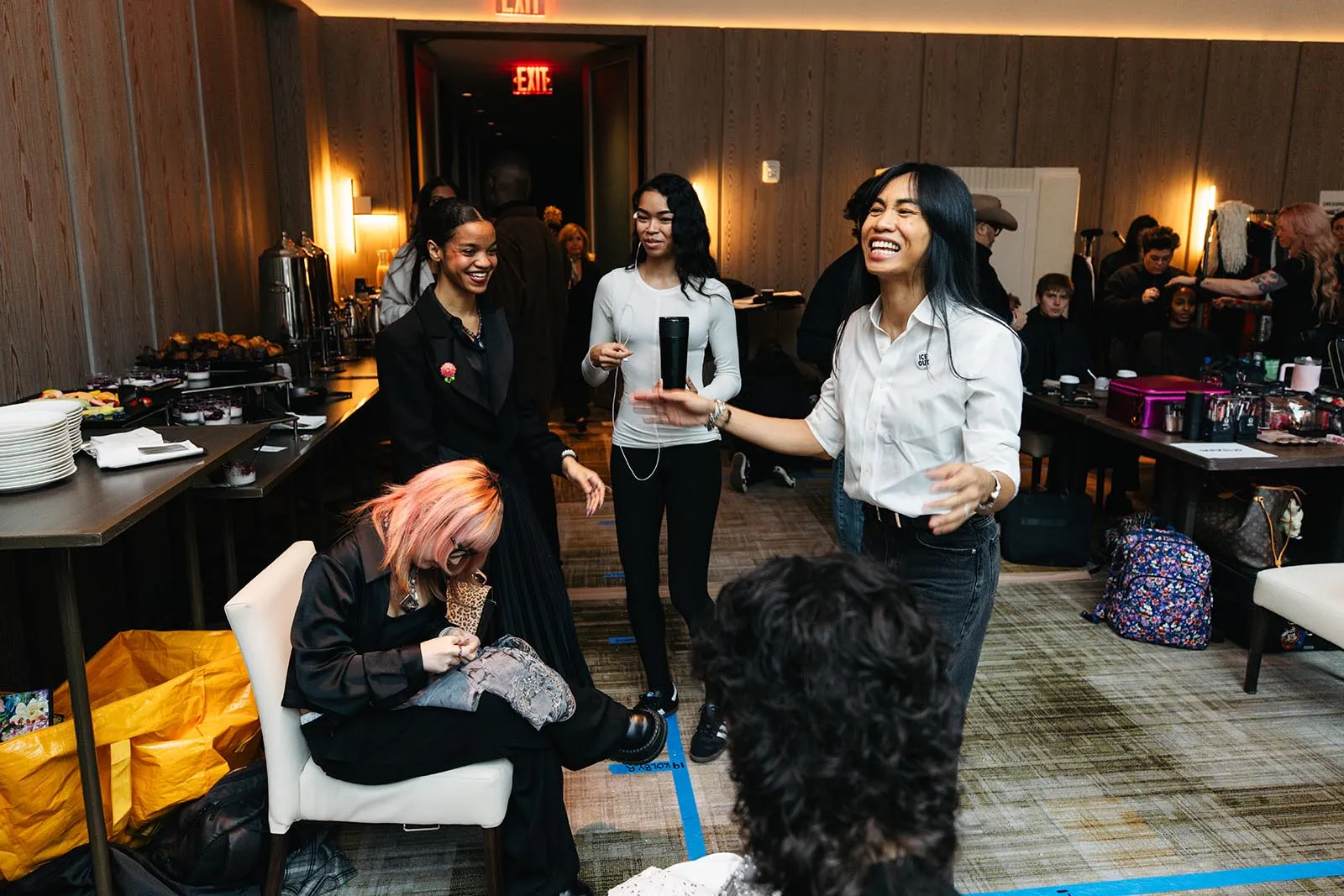
“If you can make it here, you can make it anywhere,” Frank Sinatra famously sang, and now Veejay Floresca finds herself firmly on the CFDA calendar. When asked what that milestone means, she pauses, aware of the significance of the moment. “You know, every time you ask me that, I always have a different answer. But I think, more than anything, I’m thankful. I’m really thankful.” She repeats the word with total sincerity. “I’m thankful for the opportunity. I’m thankful for the people who came. I’m thankful for the support. Because I don’t think I’ll be here without these people.”
It’s not just her profession, but her calling in life. “Fashion is the reason why I wake up every morning. I really love fashion, and I will continue doing this because this is my love.”
-
 Courtesy of Veejay Floresca. Photo by Kristina Gorman1/53
 -
 Courtesy of Veejay Floresca. Photo by Kristina Gorman2/53
 -
 Courtesy of Veejay Floresca. Photo by Kristina Gorman3/53
 -
 Courtesy of Veejay Floresca. Photo by Kristina Gorman4/53
 -
 Courtesy of Veejay Floresca. Photo by Kristina Gorman5/53
 -
 Courtesy of Veejay Floresca. Photo by Kristina Gorman6/53
 -
 Courtesy of Veejay Floresca. Photo by Kristina Gorman7/53
 -
 Courtesy of Veejay Floresca. Photo by Kristina Gorman8/53
 -
 Courtesy of Veejay Floresca. Photo by Kristina Gorman9/53
 -
 Courtesy of Veejay Floresca. Photo by Kristina Gorman10/53
 -
 Courtesy of Veejay Floresca. Photo by Michael Pagara11/53
 -
 Courtesy of Veejay Floresca. Photo by Michael Pagara12/53
 -
 Courtesy of Veejay Floresca. Photo by Michael Pagara13/53
 -
 Courtesy of Veejay Floresca. Photo by Michael Pagara14/53
 -
 Courtesy of Veejay Floresca. Photo by Michael Pagara15/53
 -
 Courtesy of Veejay Floresca. Photo by Michael Pagara16/53
 -
 Courtesy of Veejay Floresca. Photo by Michael Pagara17/53
 -
 Courtesy of Veejay Floresca. Photo by Michael Pagara18/53
 -
 Courtesy of Veejay Floresca. Photo by Michael Pagara19/53
 -
 Courtesy of Veejay Floresca. Photo by Michael Pagara20/53
 -
 Courtesy of Veejay Floresca. Photo by Michael Pagara21/53
 -
 Courtesy of Veejay Floresca. Photo by Michael Pagara22/53
 -
 Courtesy of Veejay Floresca. Photo by Michael Pagara23/53
 -
 Courtesy of Veejay Floresca. Photo by Michael Pagara24/53
 -
 Courtesy of Veejay Floresca. Photo by Michael Pagara25/53
 -
 Courtesy of Veejay Floresca. Photo by Michael Pagara26/53
 -
 Courtesy of Veejay Floresca. Photo by Michael Pagara27/53
 -
 Courtesy of Veejay Floresca. Photo by Michael Pagara28/53
 -
 Courtesy of Veejay Floresca. Photo by Michael Pagara29/53
 -
 Courtesy of Veejay Floresca. Photo by Michael Pagara30/53
 -
 Courtesy of Veejay Floresca. Photo by Michael Pagara31/53
 -
 Courtesy of Veejay Floresca. Photo by Michael Pagara32/53
 -
 Courtesy of Veejay Floresca. Photo by Michael Pagara33/53
 -
 Courtesy of Veejay Floresca. Photo by Michael Pagara34/53
 -
 Courtesy of Veejay Floresca. Photo by Michael Pagara35/53
 -
 Courtesy of Veejay Floresca. Photo by Michael Pagara36/53
 -
 Courtesy of Veejay Floresca. Photo by Michael Pagara37/53
 -
 Courtesy of Veejay Floresca. Photo by Michael Pagara38/53
 -
 Courtesy of Veejay Floresca. Photo by Michael Pagara39/53
 -
 Courtesy of Veejay Floresca. Photo by Michael Pagara40/53
 -
 Courtesy of Veejay Floresca. Photo by Michael Pagara41/53
 -
 Courtesy of Veejay Floresca. Photo by Michael Pagara42/53
 -
 Courtesy of Veejay Floresca. Photo by Michael Pagara43/53
 -
 Courtesy of Veejay Floresca. Photo by Michael Pagara44/53
 -
 Courtesy of Veejay Floresca. Photo by Michael Pagara45/53
 -
 Courtesy of Veejay Floresca. Photo by Michael Pagara46/53
 -
 Courtesy of Veejay Floresca. Photo by Michael Pagara47/53
 -
 Courtesy of Veejay Floresca. Photo by Michael Pagara48/53
 -
 Courtesy of Veejay Floresca. Photo by Michael Pagara49/53
 -
 Courtesy of Veejay Floresca. Photo by Michael Pagara50/53
 -
 Courtesy of Veejay Floresca. Photo by Michael Pagara51/53
 -
 Courtesy of Veejay Floresca. Photo by Michael Pagara52/53
 -
 Courtesy of Veejay Floresca. Photo by Michael Pagara53/53
Frequently Asked Questions
Floresca drew inspiration from the abstract expressionist paintings of Willem de Kooning after visiting MoMA, translating his colors and textures into garments that also reflected her commitment to accessible, wearable fashion.
The show featured Charissa Bigornia, Siobhan Moylan, Jasmine Spuur, and Vogue Man cover star Evan Mock, with casting led by Lorenz Namalata emphasizing Filipino representation and diverse beauty across race and age.
Floresca aims to create clothing for “all sizes, shapes, and colors,” describing her brand as an elevated fashion house focused on evening wear and special-occasion pieces suitable for a range of formal and social settings.
Floresca first gained recognition as a Project Runway winner and built her career designing bridal wear in Manila before expanding to Los Angeles and ultimately debuting on the official CFDA calendar in New York.
The collection was styled by Wendy Woffington and paired with jewelry by UNOde50 and clutches by Filipino designer Rafe New York, complementing looks ranging from Grecian drapery to space-age silhouettes.