
ALT Art 2026 Brings Nearly 300 Artists Together for Its Fourth Edition


Courtesy of ALT Art
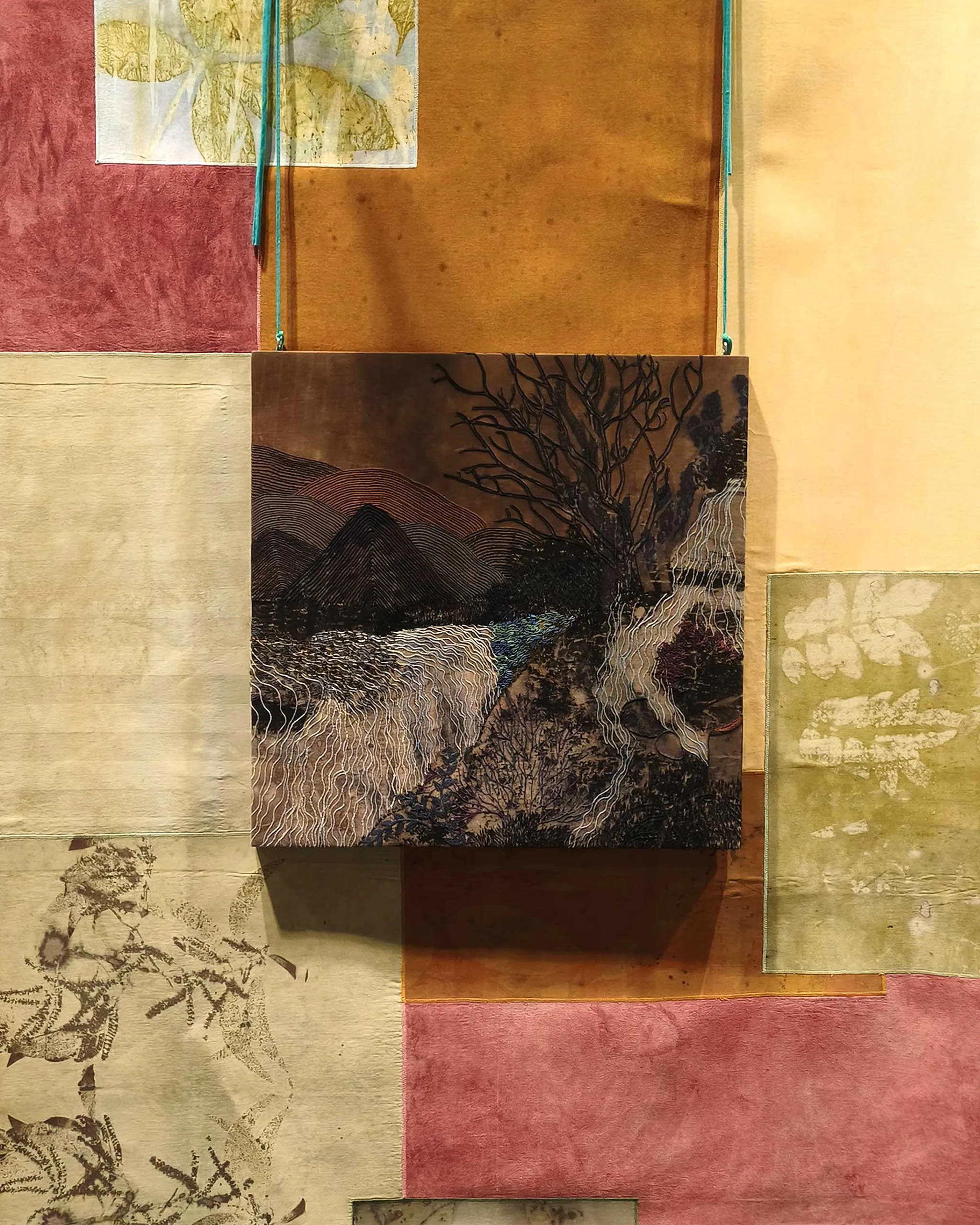
Across thousands of square meters of paintings and installations, ALT Art 2026 asks what it means to keep making work in an ever-shifting creative landscape.
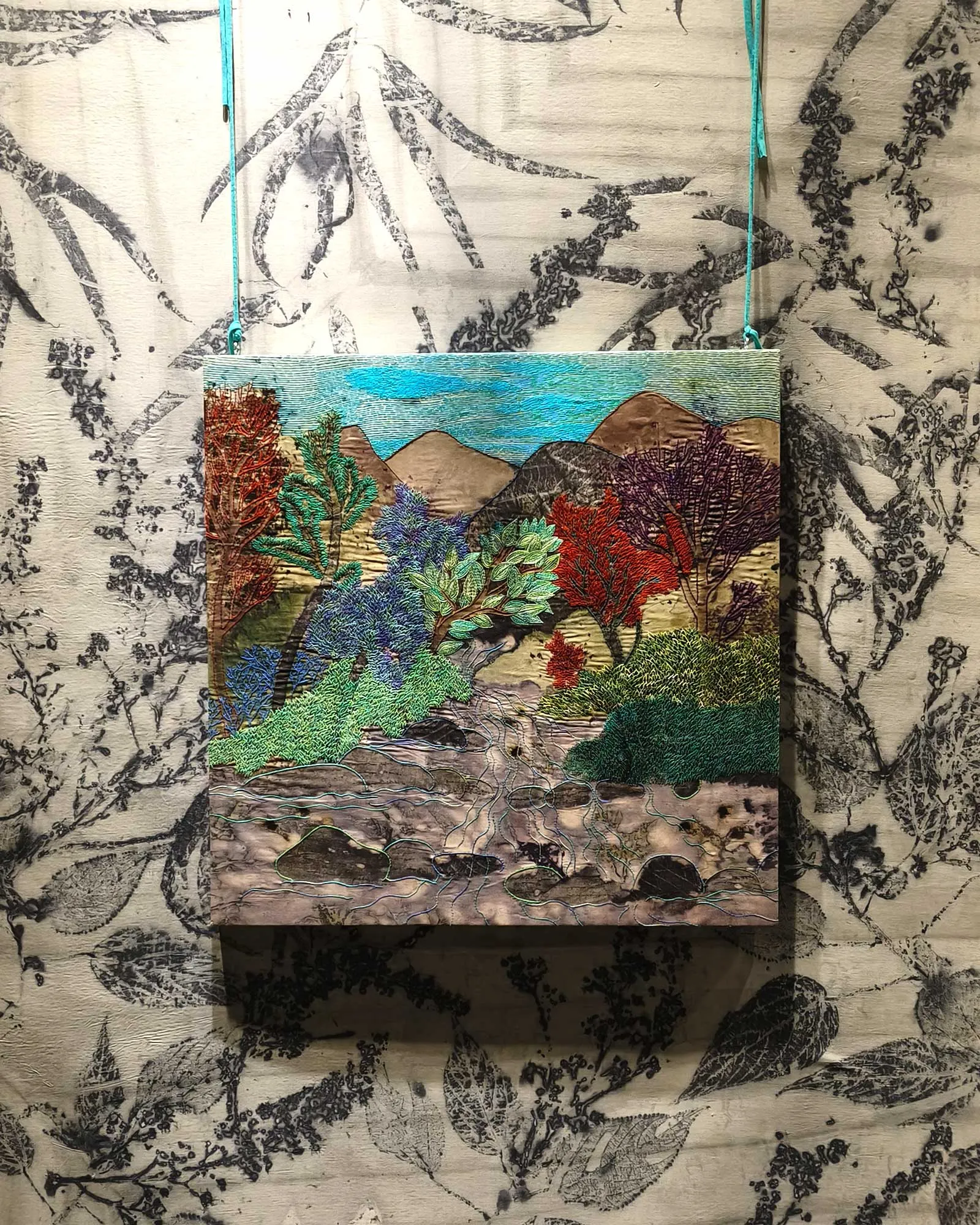
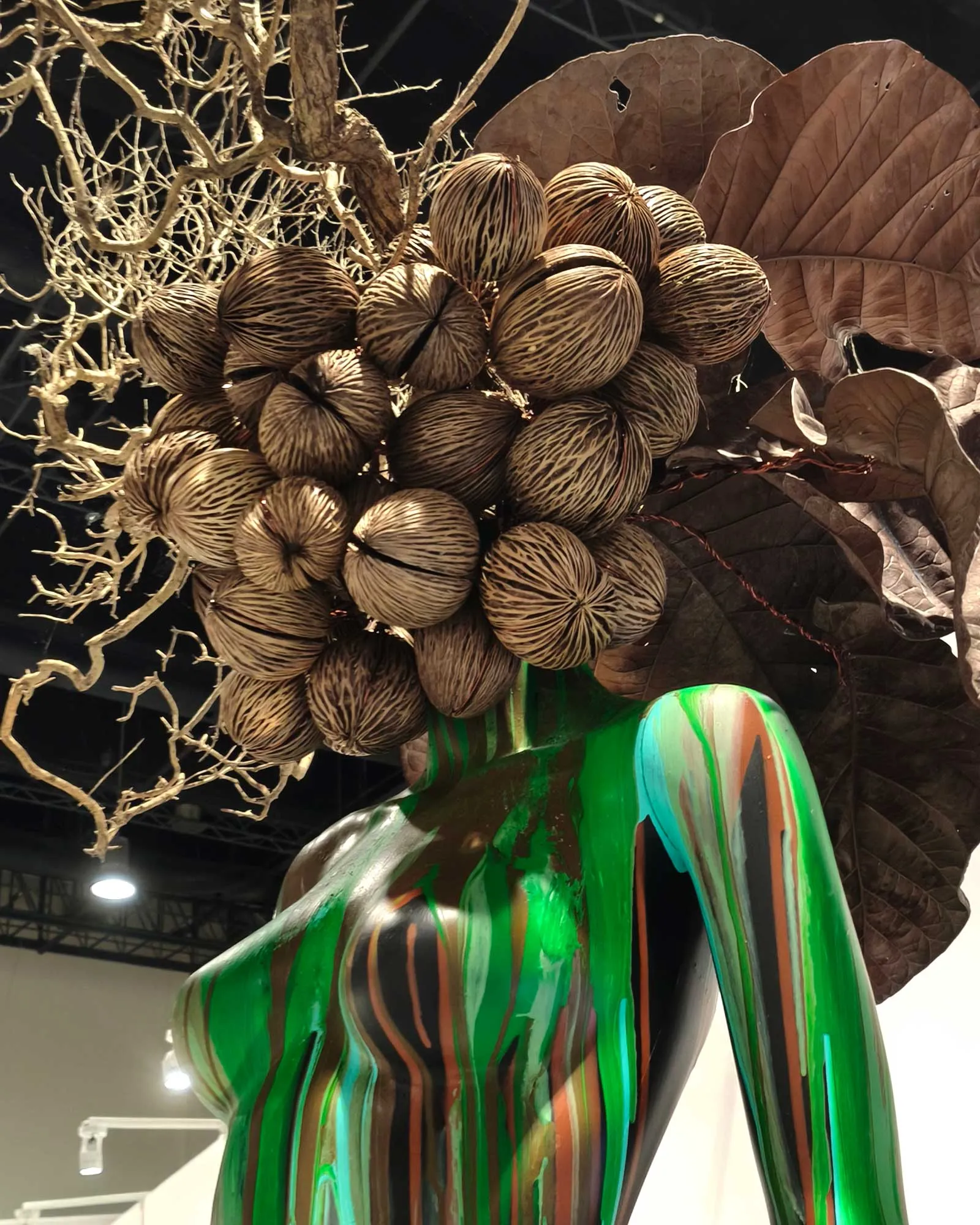
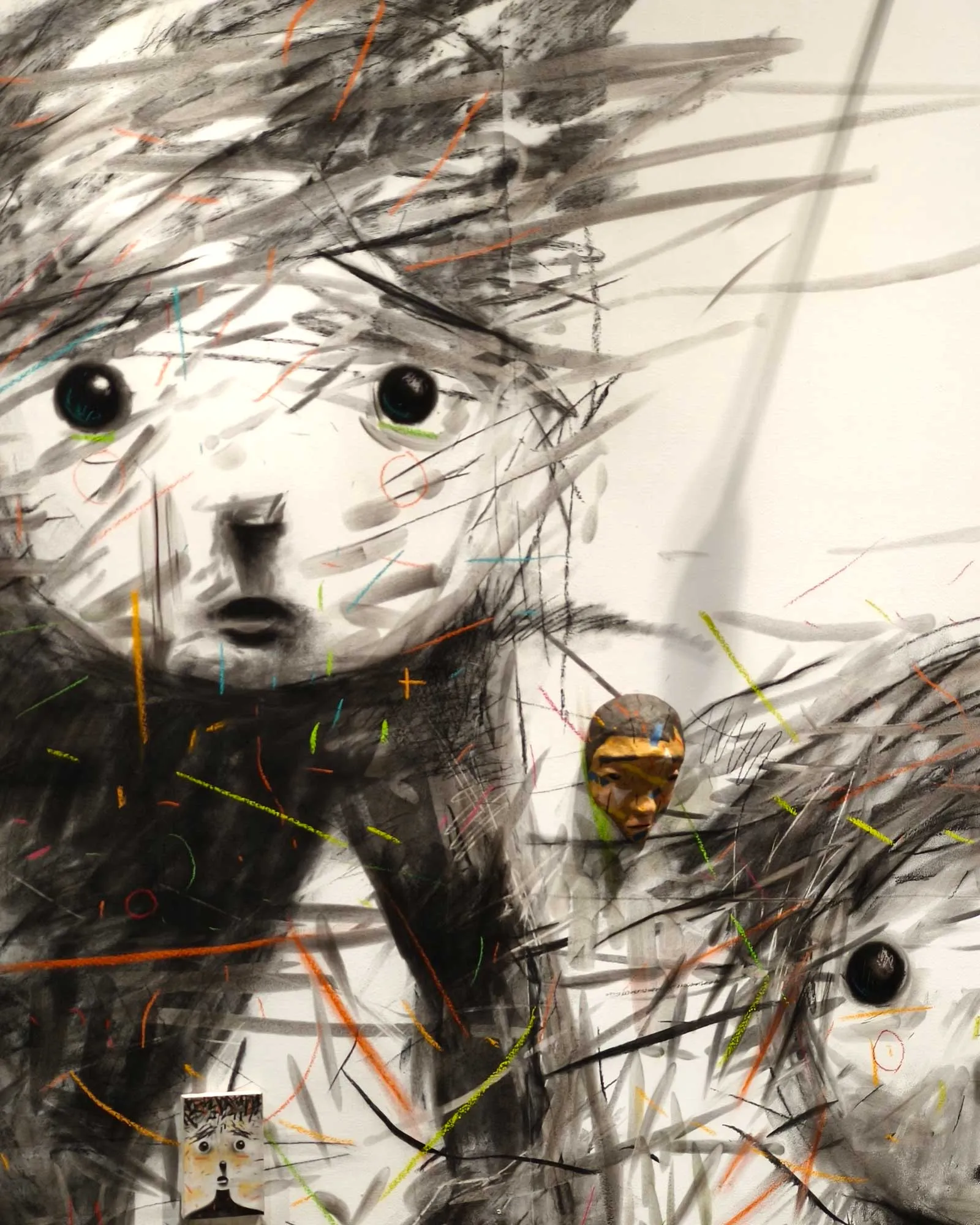
ALT Art 2026 returned for its fourth edition this year, bringing together nine established galleries, some with nearly five decades of experience, across 4,500 square meters of exhibition space. With close to 300 participating artists, the fair continues to position itself as a platform for both established and emerging practices in Philippine contemporary art. The presentation spans painting, sculpture, installation, textile, photography, sound, and performance.
Organized into sections such as ALT ART Projects Spaces, ALT ART Discoveries, and ALT ART Conversations, the fair balances commercial exhibition with programming that encourages dialogue among artists, curators, writers, and audiences.
One of the highlights of this year’s Conversations program was a discussion featuring artists Gerardo “Gerry” Tan and Imelda Cajipe Endaya. The talk centered on sustaining an art practice across decades, particularly during periods when the local art market was less developed.
“In my case, I taught at the UP College of Fine Arts. That was the main source of support for myself,” Tan said. “Somehow, you have to be creative to survive it. Especially at a time when there was no art market to speak of.” He recalled taking on various forms of work, through design projects, workshops, and portrait commissions in order to support his practice, “and you become creative. Not in your work, but in the way you handle your life.”
For Cajipe Endaya, sustaining a practice also meant finding ways to work consistently, even when resources were limited. “For me, as a student, I majored in advertising and editorialEditorialA fashion or beauty story conceived, styled, and photographed for a magazine or website, built around a theme rather than a single product. Editorials let photographers, stylists, hair and makeupGo to Editorial Glossary design, [and here] I developed certain techniques in making posters,” she recalls. “I designed menus, I designed posters or other visual aids for institutions to make a living. Although my first love is just to paint whatever I want to paint. I did that, but on the side, I tried to look for support.” Her reflection grounds the conversation in the practical realities of making, where art is sustained not by ideal conditions but by persistence and resourcefulness.
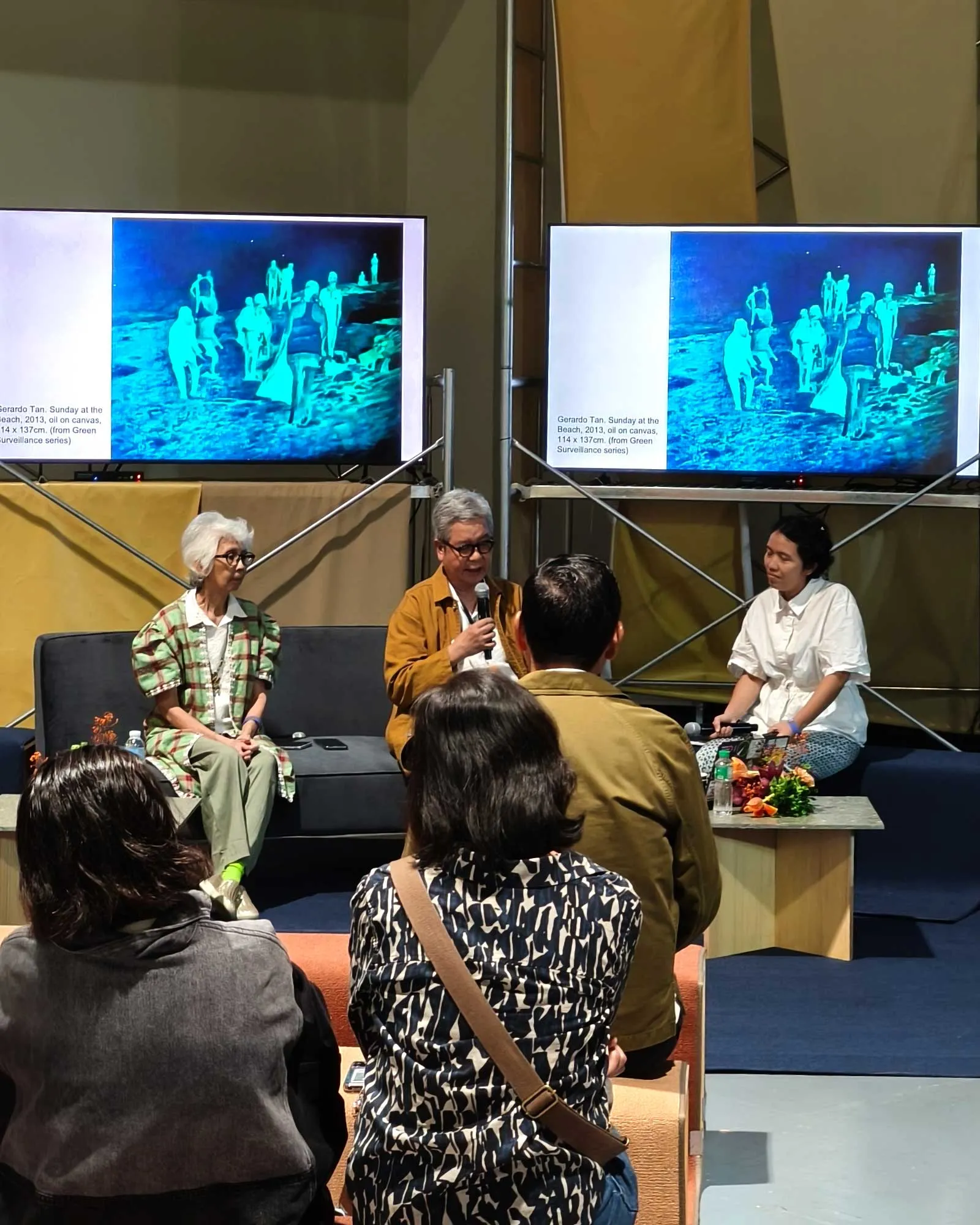
For Tan, maintaining integrity also remains central. “I just regard myself as a plumber. When it’s time to work, you work. I don’t wait for inspiration. You’ve got to work.” That emphasis on sustained practice was reflected throughout the fair.
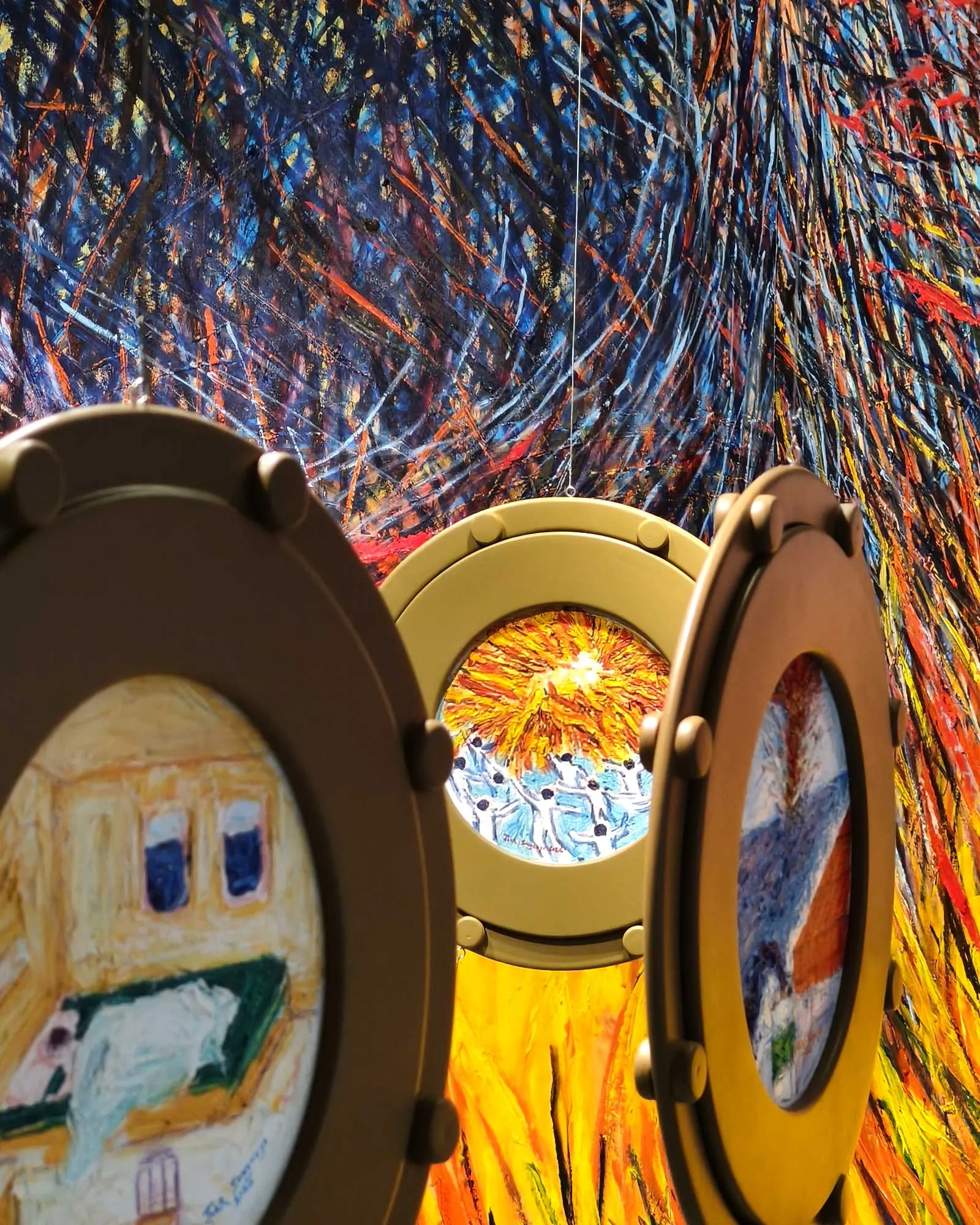
In ALT ART Discoveries, La Union-based artist Joar Songcuya presented “Byahe sa Pasifico: Ang Taguangkan, Ang Sapat, kag Ang Kalayo,” an installation composed of a triptych and twelve small back-to-back canvases framed like ship portholes. Arranged to resemble a vessel’s bow, the installation addresses memory, trauma, and healing through expressive brushwork and imagery.
Marco Ortiga exhibited “Unstable waters,” a kinetic sculpture made of moving, antiqued mirrors. Driven by motors operating at different rhythms, the mirrors create shifting reflections that prevent viewers from seeing a fixed image of themselves.
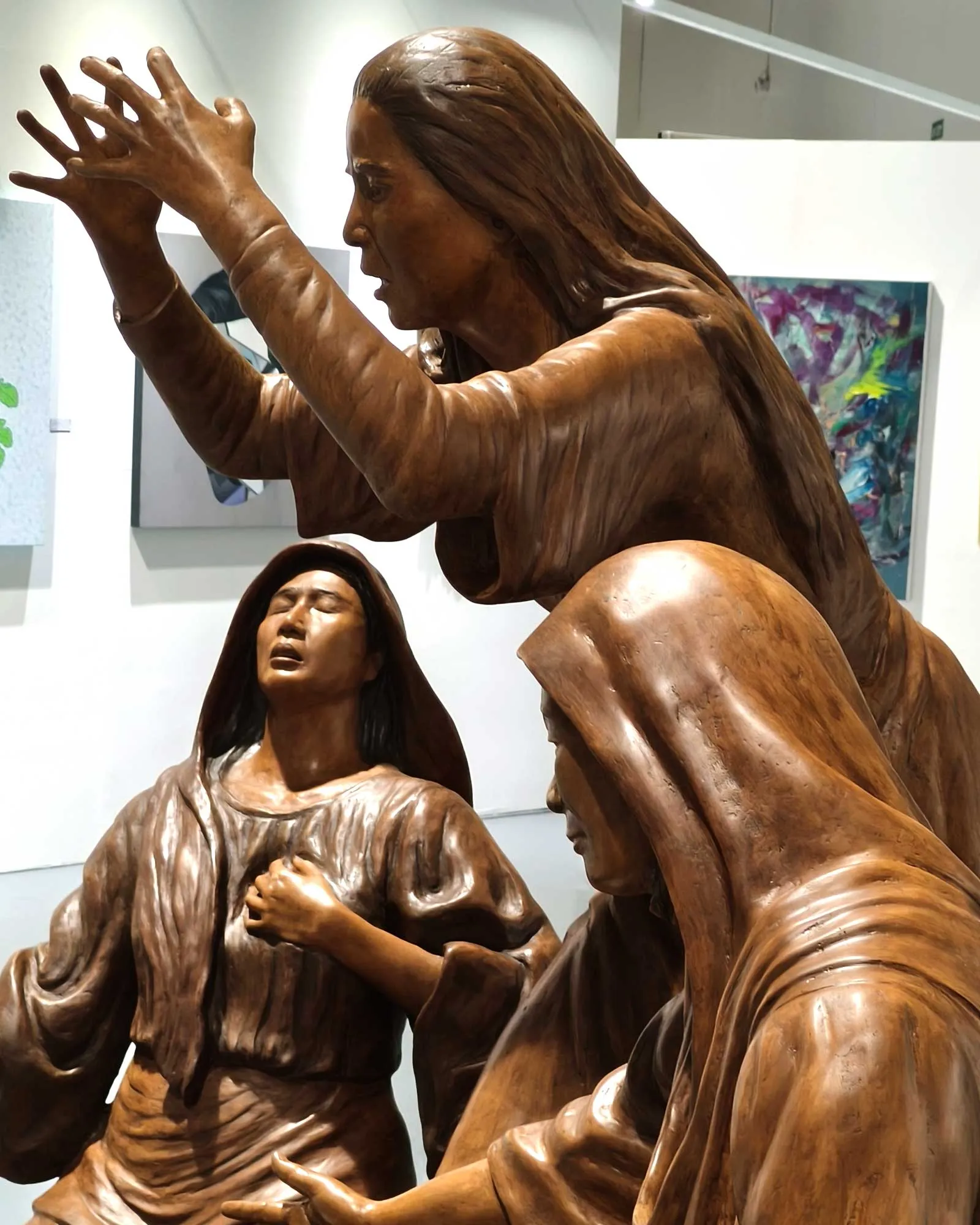
At Galleria Duemila, Julie Lluch’s “Lamentations, a Prelude” featured a group of polychromed cold-cast marble figures depicting Mary the Blessed Mother, Mary Cleophas, Mary Magdalene, and a fourth contemporary figure. In her accompanying text, Lluch writes, “Religious art may have lost its appeal in contemporary society and become incongruous with art galleries, but I believe it still holds tremendous power and relevance today.” Drawing on Renaissance traditions of terra-cotta sculpture, the work addresses moral and political concerns while signaling a future translation into clay.
Also presented in the same space, Kiri Dalena and Ben Brix’s “Birds of Prey” revisited the US colonial occupation through archival photographs compiled in the early 20th century. The installation juxtaposes historical images with contemporary footage and text from the 1908 protest editorialEditorialA fashion or beauty story conceived, styled, and photographed for a magazine or website, built around a theme rather than a single product. Editorials let photographers, stylists, hair and makeupGo to Editorial Glossary “Aves de Rapiña,” examining how photography was used to construct narratives about Filipino identity.
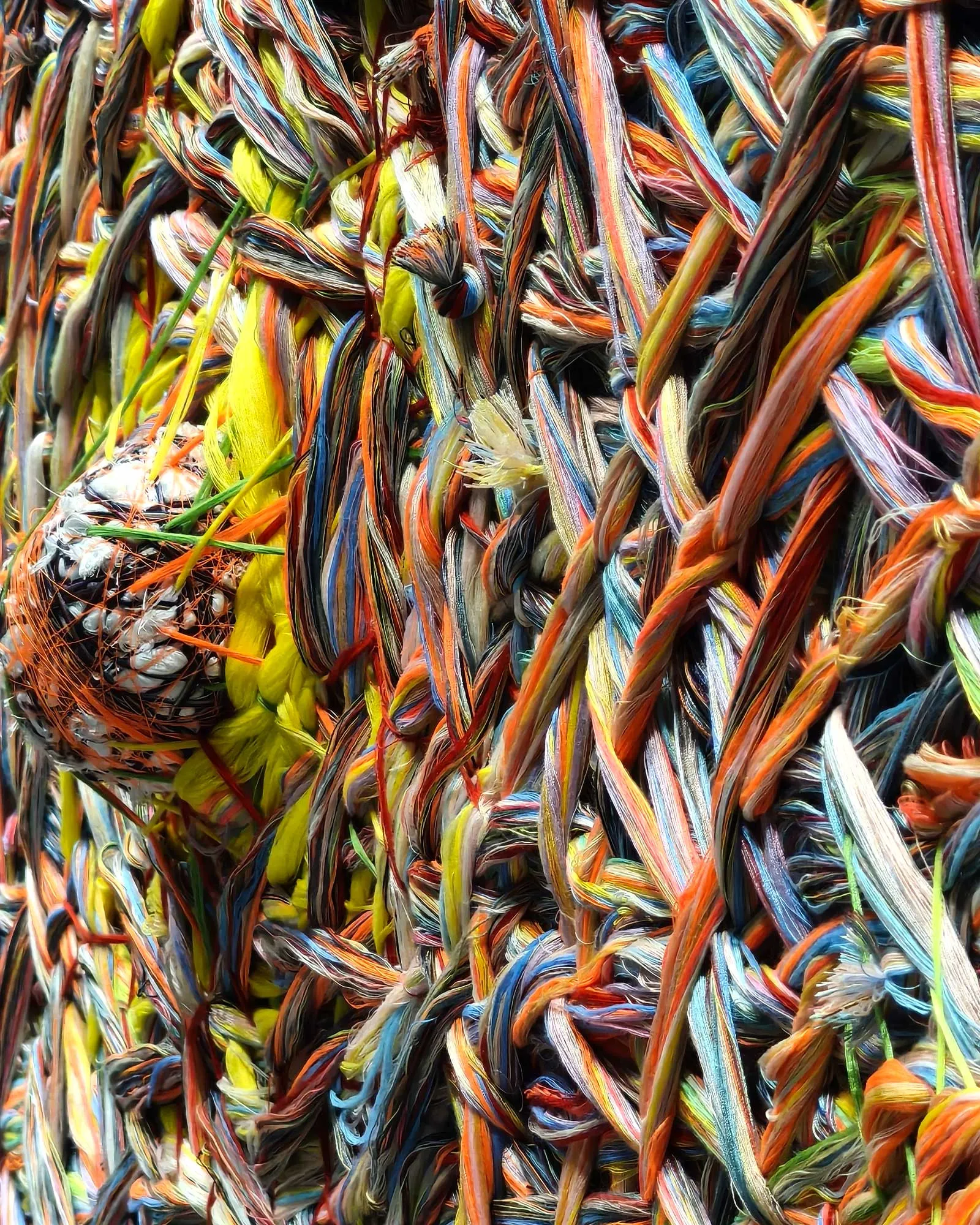
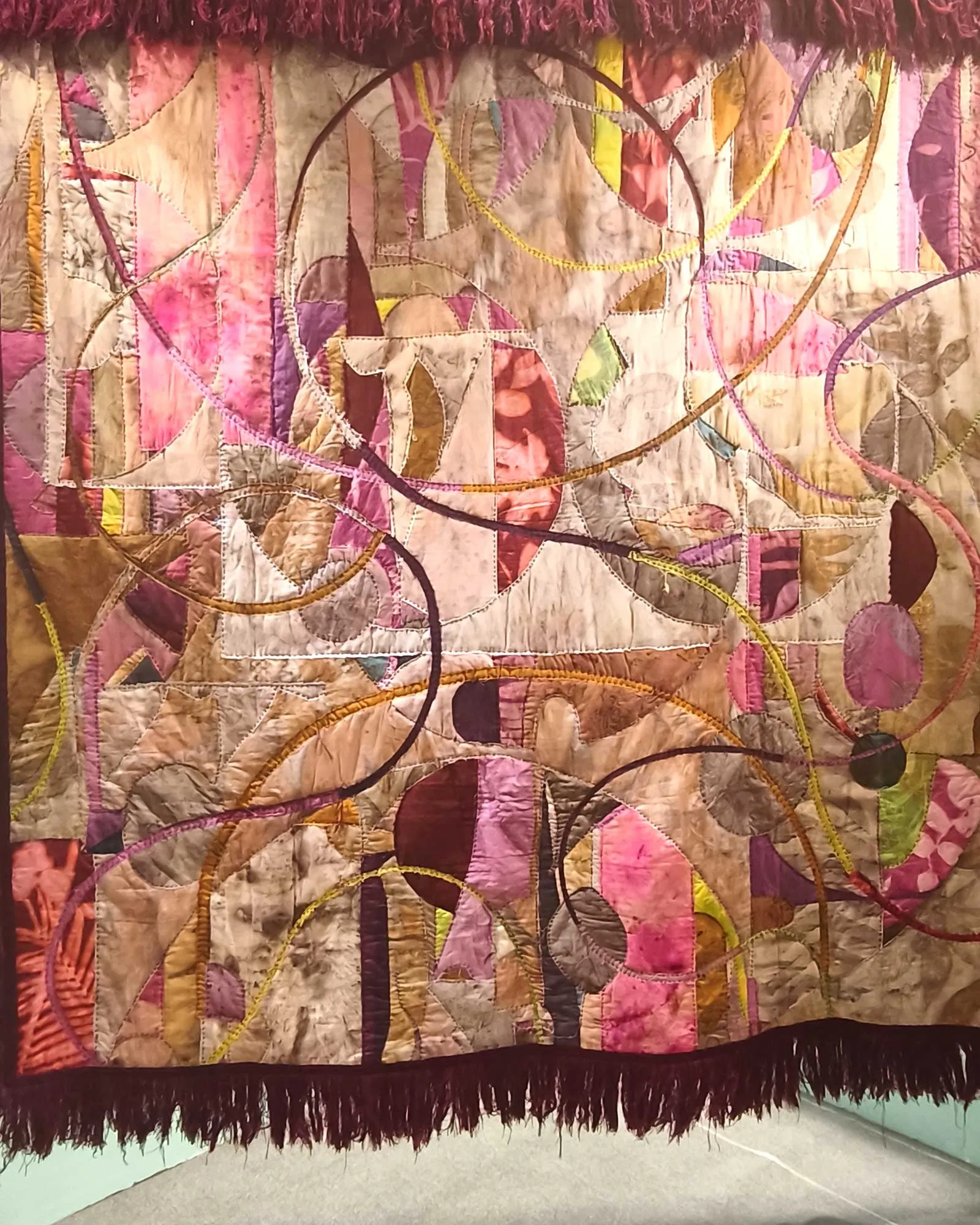
Material experimentation appeared across several booths. Raffy T. Napay’s “Punla (buto at lupa)” uses layered thread to reflect on growth, connection, and fatherhood. Henrielle Baltazar Pagkaliwangan transformed etchings and watercolors into bound artist books that function as sundials, marking time through everyday routines. And Lesley-Anne Cao’s “Amphibian palm” placed textile “books” inside aquarium tanks, where automated wavemakers turned their pages, raising questions about reading and agency.
Jan Balquin’s latest series focused on the stages of canvas preparation, presenting paintings that depict the primed surface, unstretched cloth, and wooden armature. The works revisit the idea of the “blank canvas” by examining what precedes the act of painting itself.
Across its sections, ALT ART 2026 foregrounded a range of approaches. Conceptual, material, historical, and personal, while continuing to provide space for both conversation and exhibition. Earlier, Imelda Cajipe Endaya ended her talk saying, “If I stop, I’d be dead.” The remark, delivered plainly, underscored a shared sentiment among many of the participating artists: that sustaining a practice requires daily commitment, regardless of scale or platform.
-
 Courtesy of ALT Art1/9
 -
 Courtesy of ALT Art2/9
 -
 Courtesy of ALT Art3/9
 -
 Courtesy of ALT Art4/9
 -
 Courtesy of ALT Art5/9
 -
 Courtesy of ALT Art6/9
 -
 Courtesy of ALT Art7/9
 -
 Courtesy of ALT Art8/9
 -
 Courtesy of ALT Art9/9
Frequently Asked Questions
ALT Art 2026’s fourth edition brought together nine established galleries and close to 300 participating artists across 4,500 square meters of exhibition space, spanning painting, sculpture, installation, textile, photography, sound, and performance.
The fair is organized into ALT ART Projects Spaces, ALT ART Discoveries, and ALT ART Conversations, balancing commercial gallery exhibitions with programming that encourages dialogue among artists, curators, writers, and audiences.
Tan and Cajipe Endaya discussed sustaining an art practice across decades, particularly during periods when the local art market was underdeveloped, sharing how teaching, design work, and commissions supported their practices.
Featured works included Joar Songcuya’s ship-themed installation “Byahe sa Pasifico,” Marco Ortiga’s kinetic mirror sculpture “Unstable waters,” and Julie Lluch’s polychromed marble figures in “Lamentations, a Prelude” at Galleria Duemila.
Kiri Dalena and Ben Brix’s “Birds of Prey” revisited the US colonial occupation of the Philippines through archival photographs juxtaposed with contemporary footage, examining how photography shaped narratives about Filipino identity in the early 20th century.