
The 18th-Century Beauty Look That’s Bang On Trend For 2026—and How to Achieve It


WARNER BROS
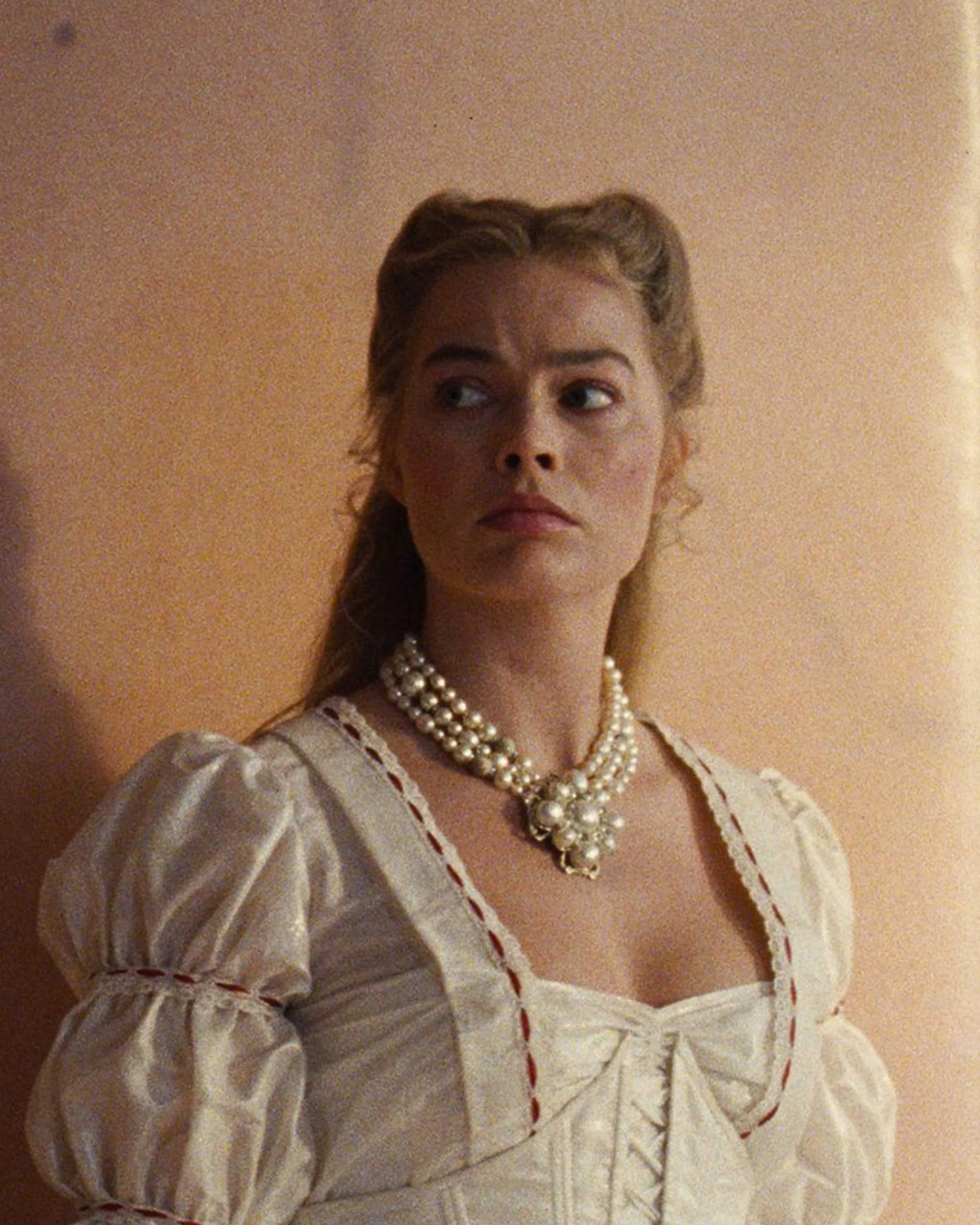
The Wuthering Heights revival has brought us many things: memories of our first encounter with a classic book; Margot Robbie in a major (and on-theme) red-carpet wardrobe; and a romantic beauty look that is set to have modern Heathcliff-types weak at the knees. In further proof that beauty trends are cyclical, this year is all about the 18th-century face.
An era that’s often defined, aesthetically, by Marie Antoinette – overt rouge set atop lead-powdered skin, elaborate hair towering high on her head – that look was falling out of favour as the 1900s approached. “There was a big push against extravagance and over-the-top hair and make-up,” explains make-up artist and beauty historian, Lisa Eldridge. “It became the subject of satire and started to look distasteful and frivolous.”
Emily Brontë published Wuthering Heights in 1847, but her story unfolds much earlier, in the late 18th to early 19th century, a point when everything was changing. Restraint and looking natural were signs of virtue and purity. “There was an idea that fresh, neoclassical looks made you a good person,” Eldridge notes. “There were a lot of moral arguments around character – basically, if you wore loads of make-up, you were probably a terrible person.”
What followed is the kind of beauty most of us love today, centuries later. Think luminous skin, a soft flush across cheeks and lips and – in Cathy’s case – the look of love. From skin treatments to subtle colour placement, here’s our slightly more rigorous, 2026 take on the 18th century aesthetic.
Heroine skin
While Cathy and her contemporaries were only just getting to grips with the concept of soap – “people didn’t really bathe then, but soap was becoming more inexpensive, so you could at least wash your face and hands for a fresh look”, notes Eldridge – modern women are lucky enough to have facialists and skin experts at our disposal.
According to aesthetic practitioner Dr Karen Doherty, healthy skin starts with finding a routine that truly suits your complexion – and sticking with it. “Barrier repair is something I place huge emphasis on,” she explains. “When it’s healthy, the skin functions better, looks clearer, and tolerates both actives and in-clinic treatments far more effectively.”
Her advice? Prioritise regular moisturising, avoid over-cleansing, and introduce active ingredients gradually to prevent the skin from tipping into overwhelm.
Professional treatments can help, too. “People often arrive with a combination of concerns, from inflammation and pigmentation to laxity and texture,” she says. “There’s rarely a single treatment that can address everything effectively.”
That’s why she’s a firm believer in treatment stacking – layering different modalities for better results and smoother recovery. She is a big fan of Rexonage to reduce baseline inflammation, and pairs it with energy-based technologies such as NeoGen (to stimulate collagen production) and BBL Heroic (for even tone) to support long-term skin health.
Of course, our 18th-century counterparts had rather different solutions.
In The Toilet of Flora, a guide to cosmetic recipes written at the time, there is extensive discussion around achieving a clear, luminous complexion – something many of us still obsess over today. “There’s one recipe about making a hole in a lemon, filling it with sugar and clove, sealing it with gold leaf, then roasting it in hot ashes,” laughs Eldridge. “You’d use the juice on your skin to brighten it.”
Handsome brows

It’s a cliché to say that brows frame the face – but it’s also true. According to brow expert Anu Khapung, it’s about working with what you have. “Not everyone has naturally thick or full eyebrows, so the key is to shape them in a way that feels soft, natural and as full as possible – rather than over-defined,” she explains.
Tailoring each brow she works on to her client’s face, she threads to create gentle structure and tints to give the illusion of fullness and soft definition. If you’ve overplucked or your shape isn’t quite right, she recommends forgoing any home tweezing for at least six weeks to allow them to grow back properly – then book in to see a professional after that period.
If you’re not quite ready to forgo brow make-up, then use a finely-tipped pencil to tackle sparse areas and draw in any gaps. “Finish with a brow gel to hold everything in place,” Khapung recommends. “If your brows are particularly light, try a tinted version to add softness and shape.”
Moorland make-up
Skin prep comes first – and while the 18th century girlies relied on soap and apparently burnt lemons to create a clear, beautiful canvas, today we cleanse and apply an essence or toner.
Glycerin – one of Eldridge’s favourite skincare ingredients – was actually invented in the 18th century, and was used then in much the same way it is now: to help draw moisture into the skin. A moisturiser like Allies of Skin’s Molecular Barrier Recovery Cream is a great way to harness glycerin.
“They used a lot of natural powders, like corn starch, because they wanted to remove shine and even out the complexion,” Eldridge explains. “It created a soft-focus, velvety effect without looking heavy.” Next came colour, courtesy of homemade liquid pomades used on both lips and cheeks. Shade selection was crucial. Without synthetic pigments, hues had to come from nature, meaning softer, more muted tones. Think burnished reds and cool-toned pinks that suit deeper and lighter skin tones, respectively, in velvety-matte finishes.
How to apply? On the lips, Eldridge recommends using a fluffy eyeshadow brush (instead of a traditional lip option) to buff the formula all over the lips. “It should look like it’s emanating from inside them, rather than looking like it’s been plastered on,” says Eldridge.
“On the cheeks, press the product into the skin in an imperfect way – two perfect lines and it looks artificial.” Slight asymmetry works well, as does blush that travels slightly further down the cheeks, boyfriend blush-style.
Wuthering Heights hair
The most modern, wearable way to channel late 18th-century hair? Follow Margot Robbie’s lead. Her longtime hairstylist Bryce Scarlett has created a string of stellar looks for her on the press tour, but the most wearable was this softly tousled, undone wave.
“It’s almost like a flat wave with a matte, dry texture,” explains hairstylist Luke Hersheson. “There’s movement, but it’s not too glossy or overworked.” To recreate the effect, he recommends starting with a lightweight texture spray to build grip and soften shine, helping hair feel lived-in rather than styled. For shaping, a multi-barrel waver – such as the Hershesons Multi-Tasker with its double-barrel attachment – creates a relaxed, irregular pattern. Et voilà: windswept waves that feel just the right side of a period drama.
This article was originally published on British Vogue.
- What Reading Wuthering Heights Taught Me About My Parents’ Marriage
- Margot Robbie’s Chanel Wuthering Heights Dress Was Inspired by the Red Carpet Itself
- Red Latex and New Charli XCX: See the Bonkers Second Trailer for Emerald Fennell’s Wuthering Heights
- Margot Robbie Brings Vintage Galliano to New (Wuthering) Heights
Frequently Asked Questions
The 2026 trend focuses on neoclassical 18th-century minimalism, popularized by the Wuthering Heights film revival. Rejecting heavy cake-makeup, this historical face prioritizes luminous, hyper-moisturized skin, soft asymmetrical “boyfriend blush,” handsome full eyebrows, and dry, matte-textured windswept waves.
Aesthetic practitioner Dr. Karen Doherty recommends treatment stacking. By pairing inflammation-reducing Rexonage with collagen-stimulating NeoGen and color-evening BBL Heroic, modern treatments replicate a clear, illuminated 18th-century complexion far more safely than historical roasted clove-and-lemon home remedies.
To style Margot Robbie’s undone look, apply a lightweight matte texture spray for grip. Hair artisan Luke Hersheson recommends shaping the hair with an irregular, double-barrel tool like the Hershesons Multi-Tasker to build flat, relaxed, lived-in waves that bypass artificial gloss.
Lisa Eldridge recommends buffing product with a fluffy eyeshadow brush rather than a sharp lip liner. This spreads burnished reds or cool pink pomades in a soft, velvety-matte gradient, making the pigment look as if it is naturally emanating from inside the skin.
Brow analyst Anu Khapung advises stopping all home tweezing for six weeks minimum. This prolonged growth period allows the brow line to restore its natural mass, after which a salon professional can thread soft definition and apply tints to maximize fullness.