
After a Two-Year Hiatus, Patis Tesoro Returns to the Runway with a 100-Piece Collection


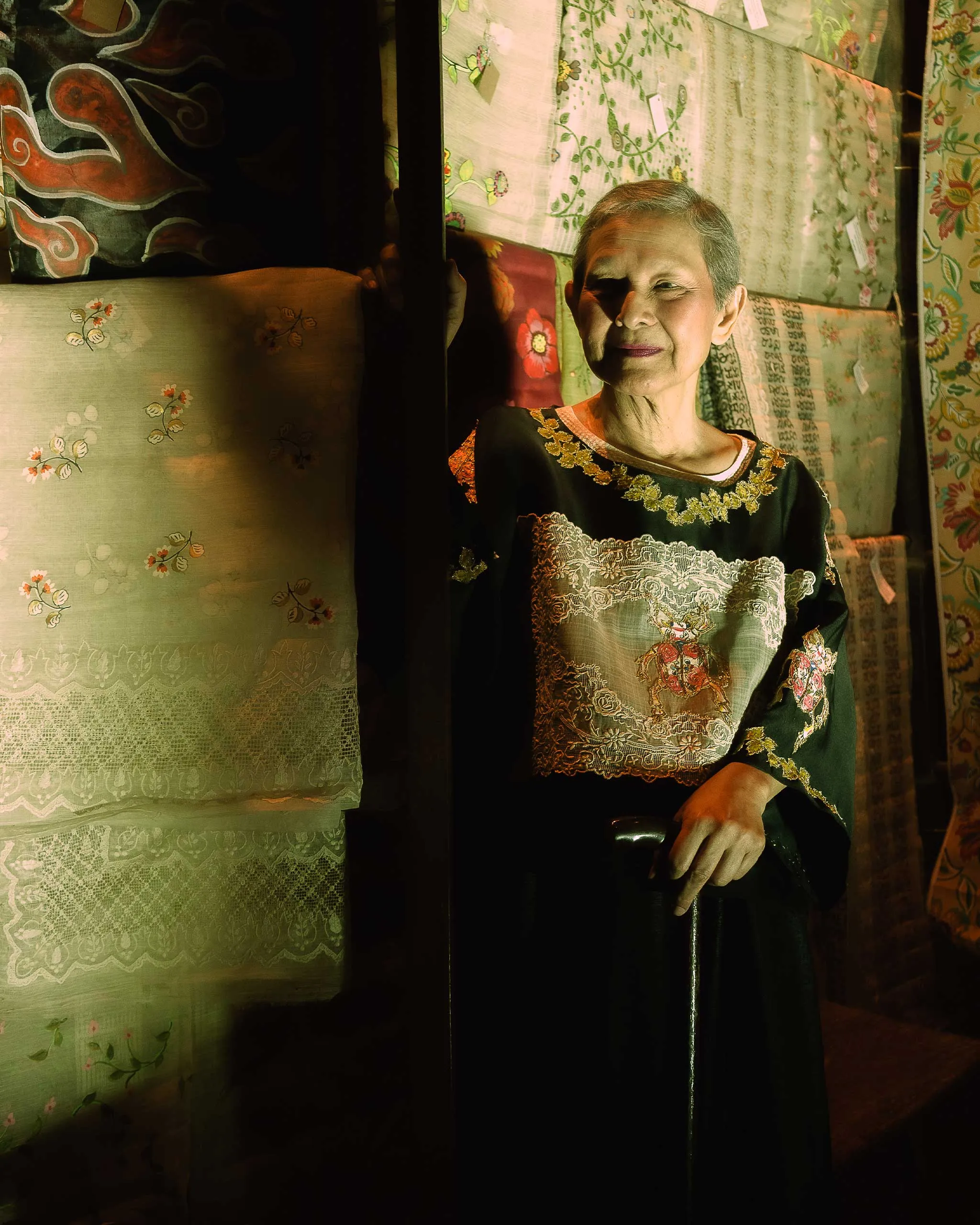
Photographed by Rojan Maguyon
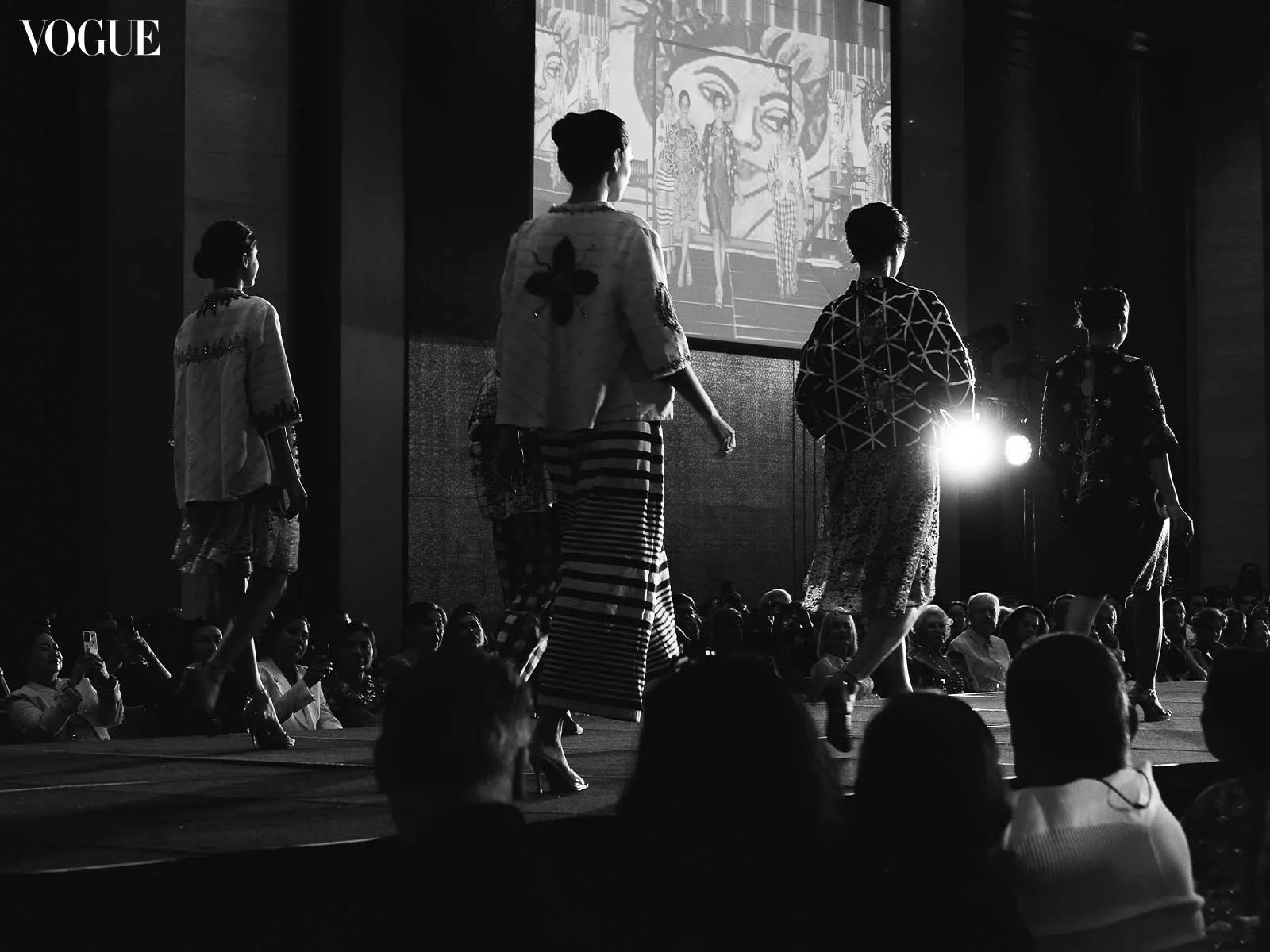
Patis Tesoro presents “Filipiniana Is Forever” at the Grand Hyatt Manila, celebrating her dedication to Filipino heritage and empowerment, in collaboration with the Zonta Club of Alabang.
Legacy is often used as a marketing tool, a form of emotional persuasion wrapped in nostalgia, but for Patis Tesoro, it is no gimmick. It is the pulse of her life’s work. In her hands, the familiarity of traditional design and craftsmanship becomes sincerity; a personal melody woven into the lives of Filipino women, one that has rightfully earned her the title of ‘Grand Dame of Philippine Fashion.’
Yet this grand title hardly captures the true nature of Patis. In person, she is modest, warm, and a friend to all. Whether artisan or client, she has the aura of a liminal being who guides others to discover themselves and bloom. Her takes on national dress does more than adorn; they transform. They turn women into ladies, and make them feel seen and powerful amid the heat and humidity of the tropical air.
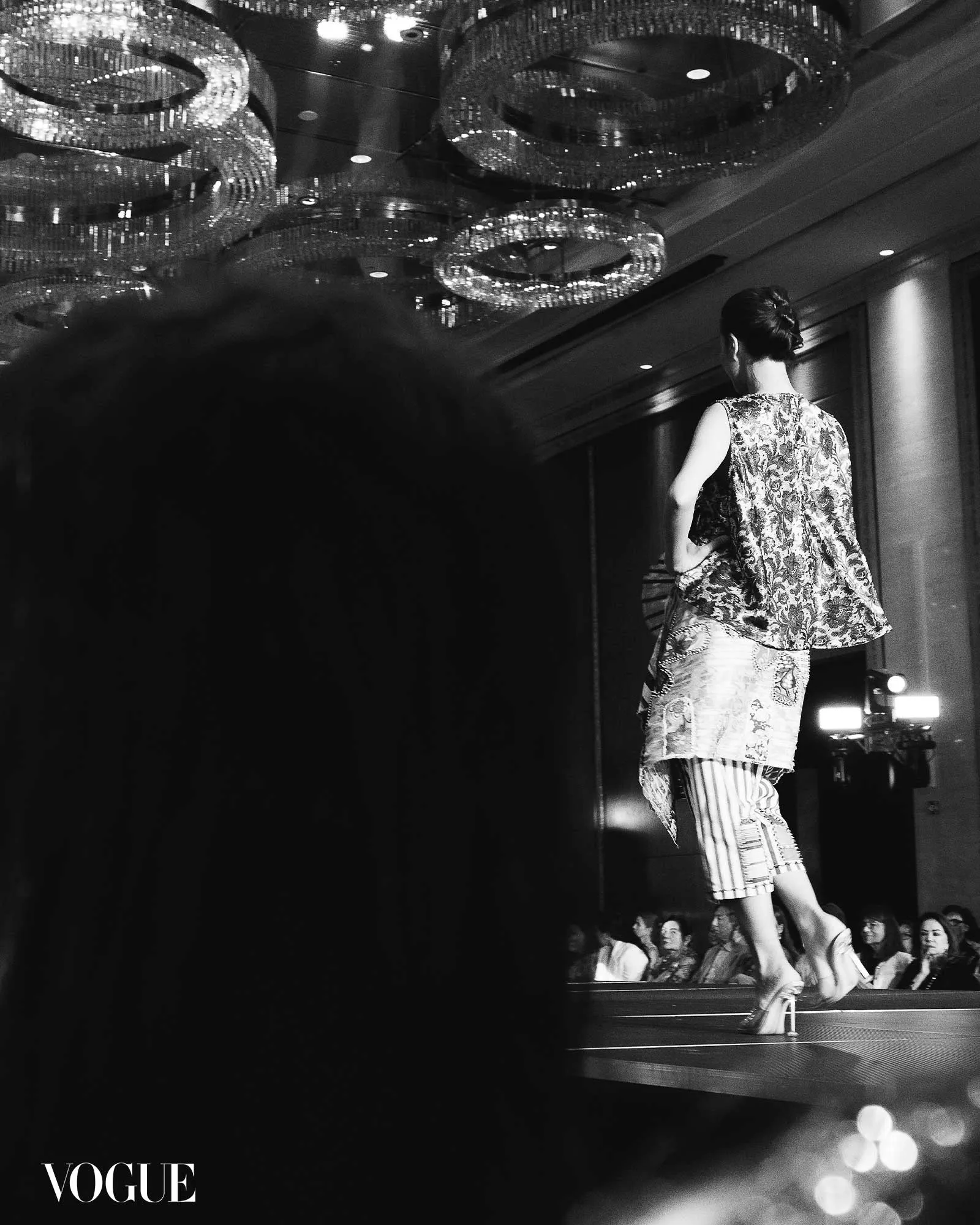
Patis’ atelier is an act of preservation, keeping heritage techniques alive, sustaining livelihoods, and nourishing culture and wider communities. This philosophy, rooted in care and cultural continuity, anchors Filipiniana Is Forever, her 100-piece benefit show presented with the Zonta Club of Alabang. Beyond fashion, the event supports Zonta’s programs in health, education, and social welfare, with proceeds funding initiatives that range from prenatal screening for Hepatitis B to equine therapy for children with cancer, and creative and educational outreach for underserved communities.
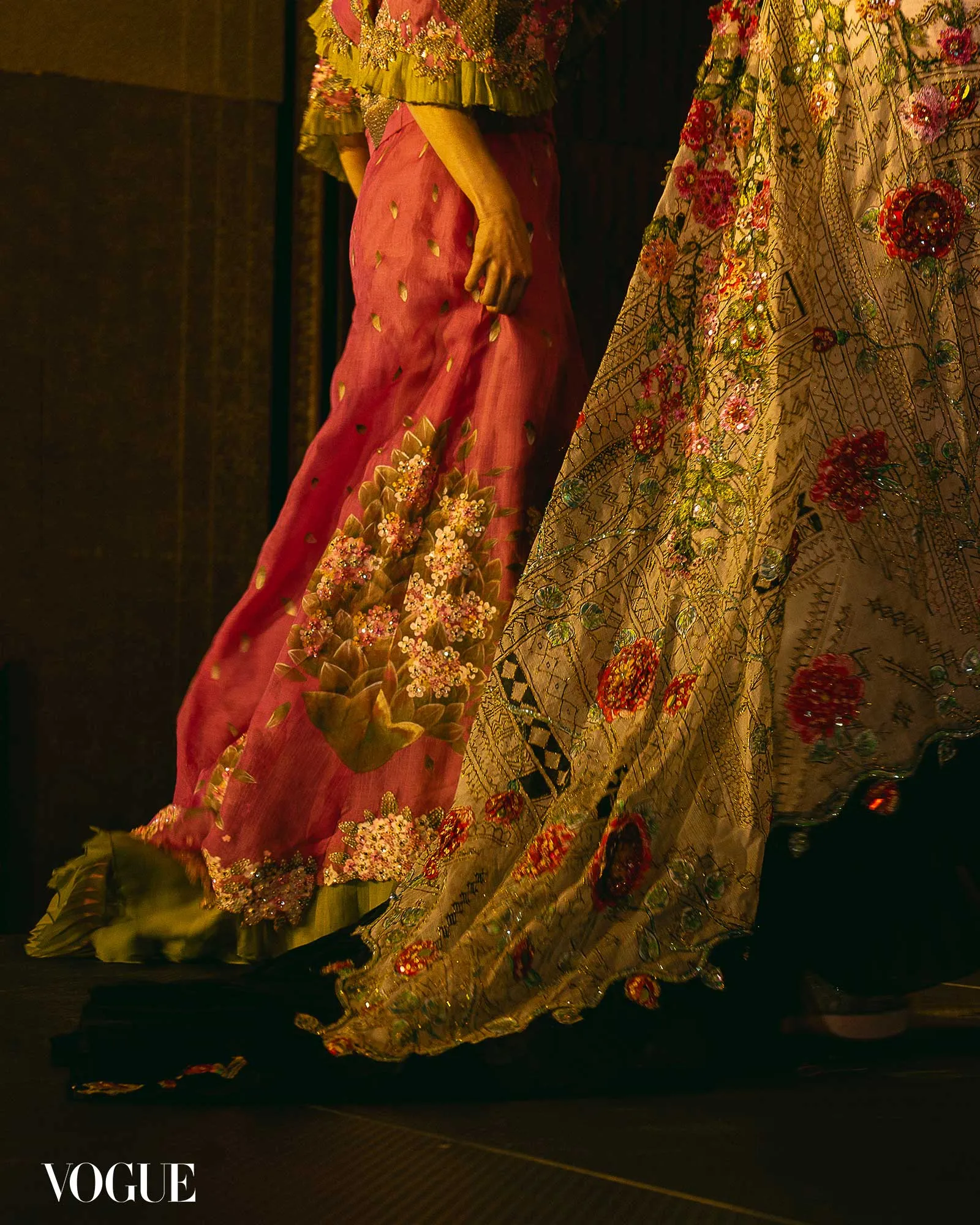
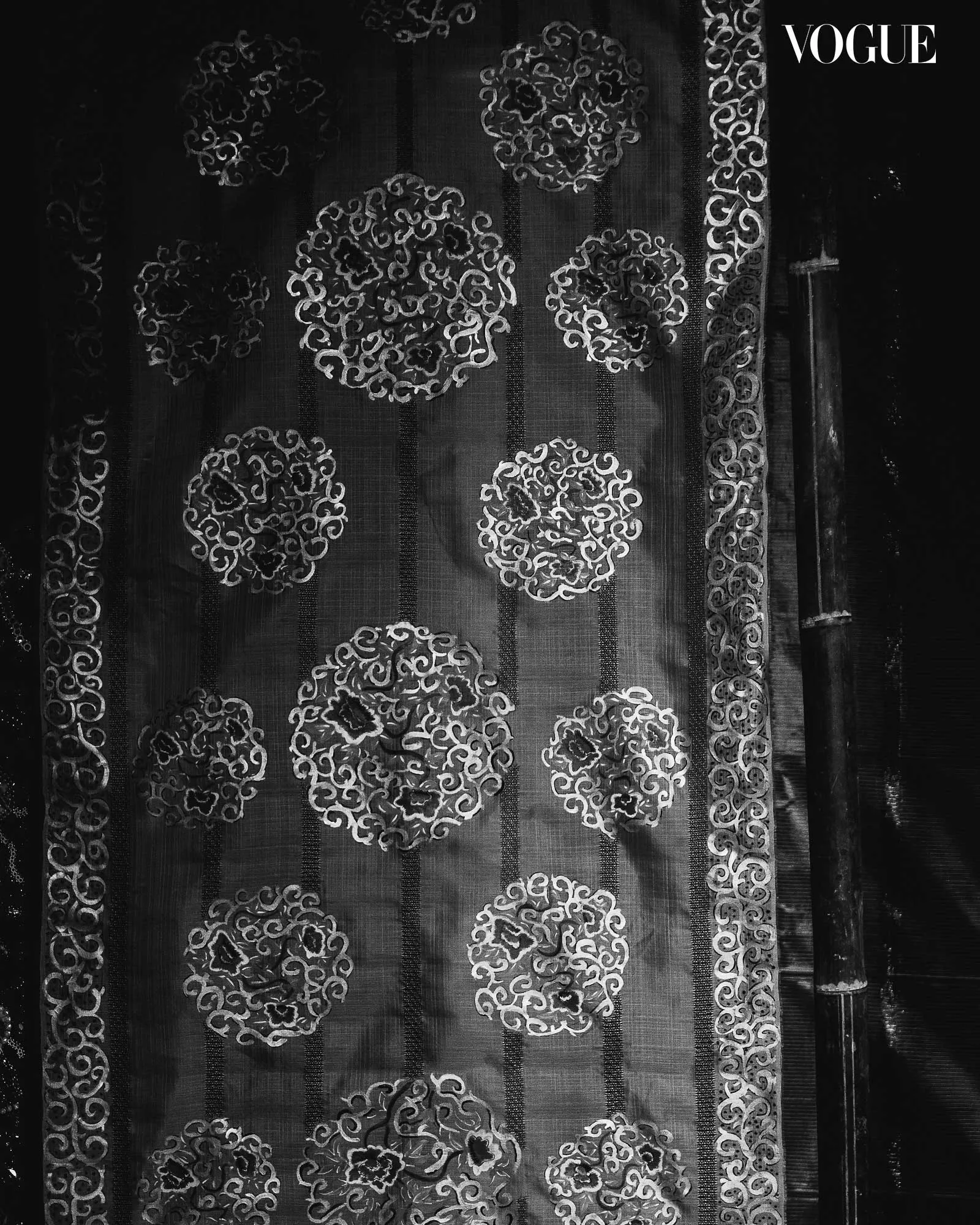
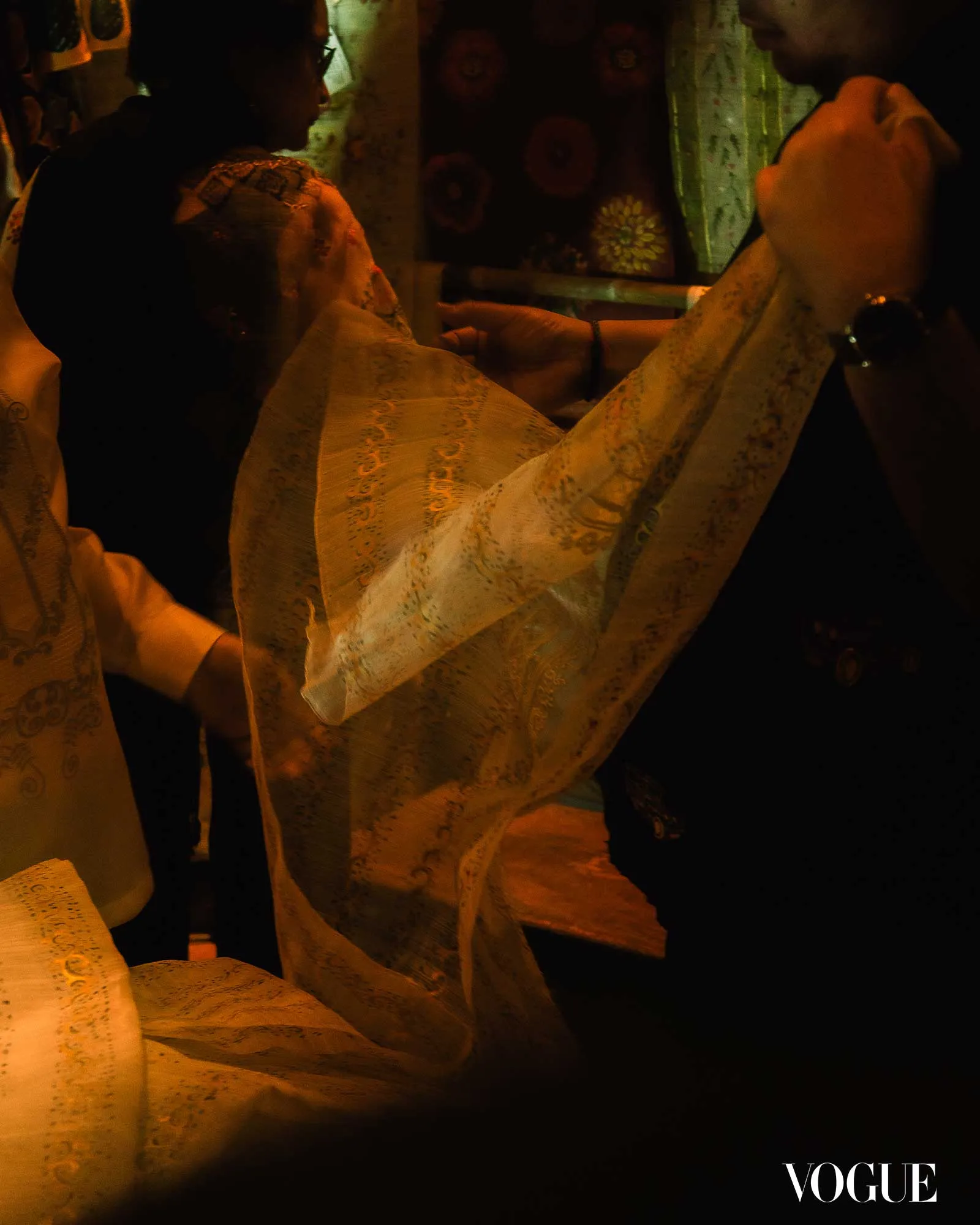
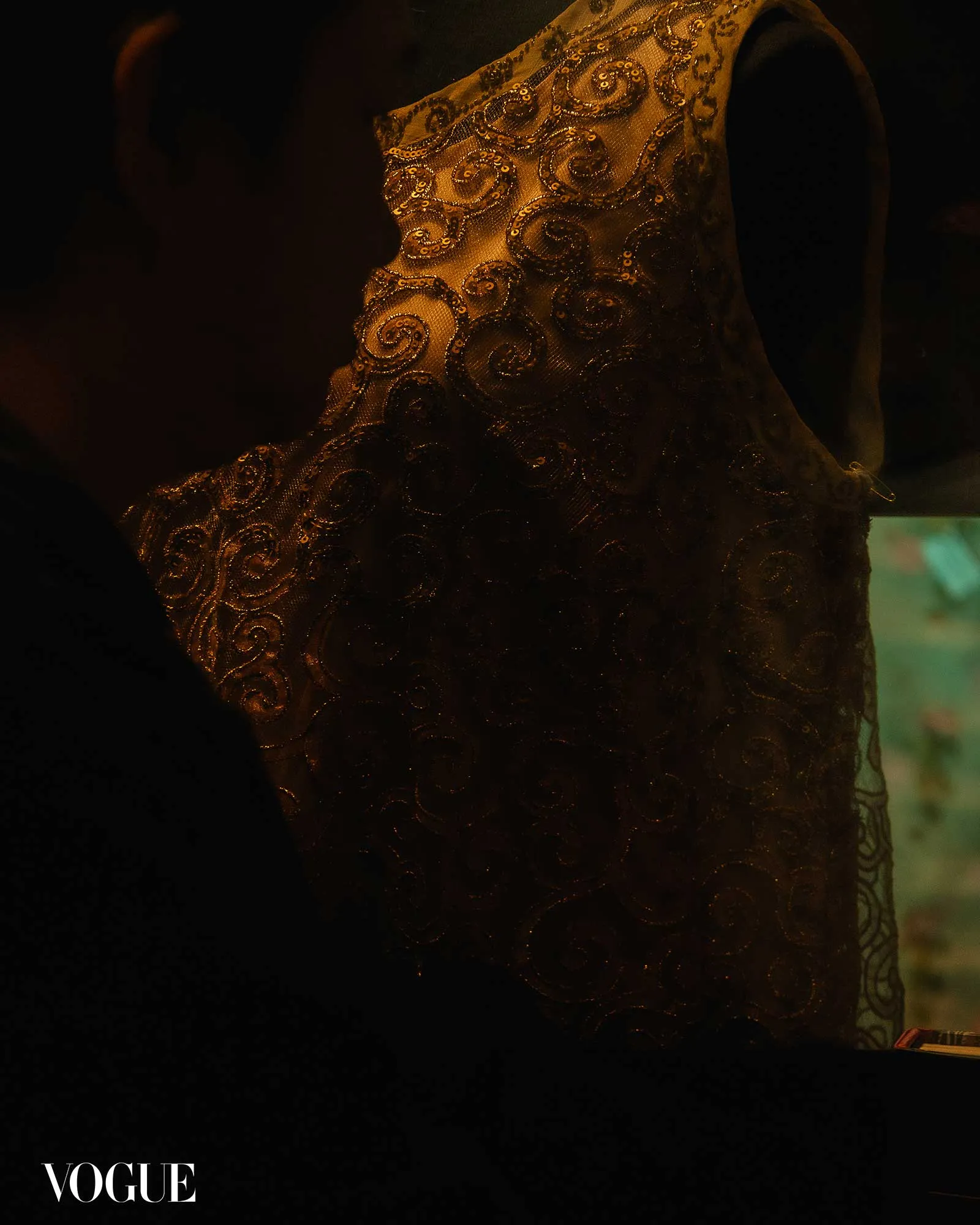
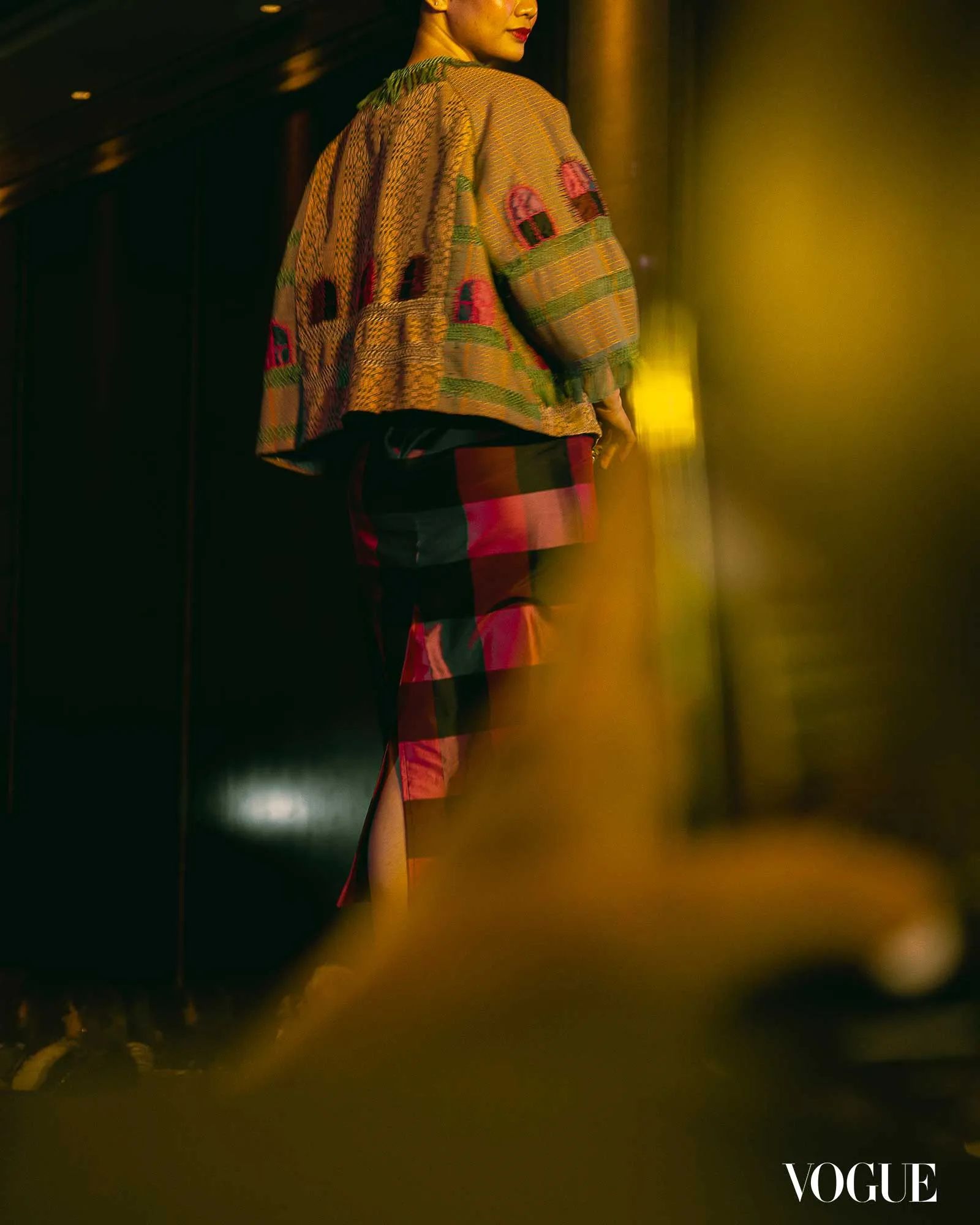
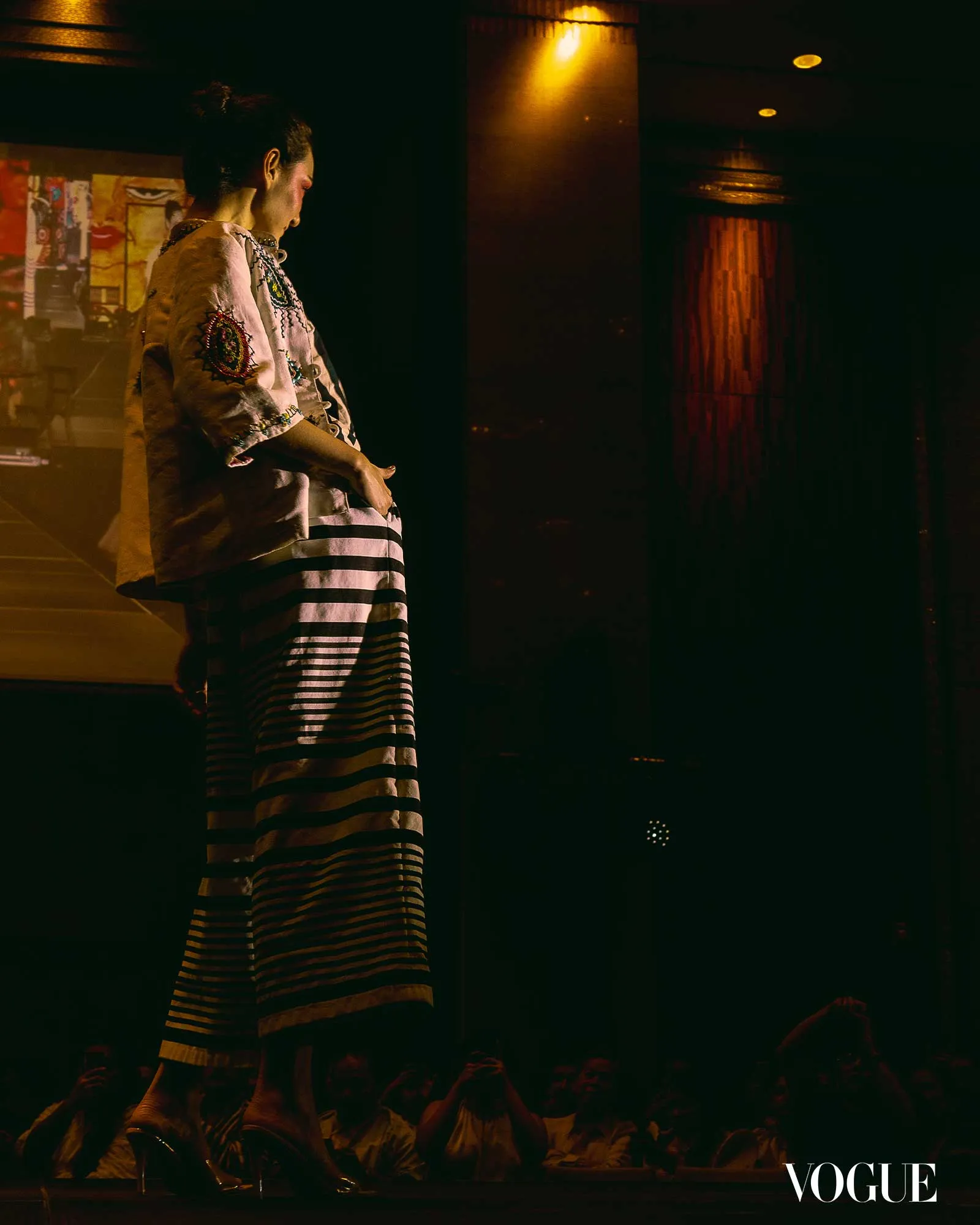
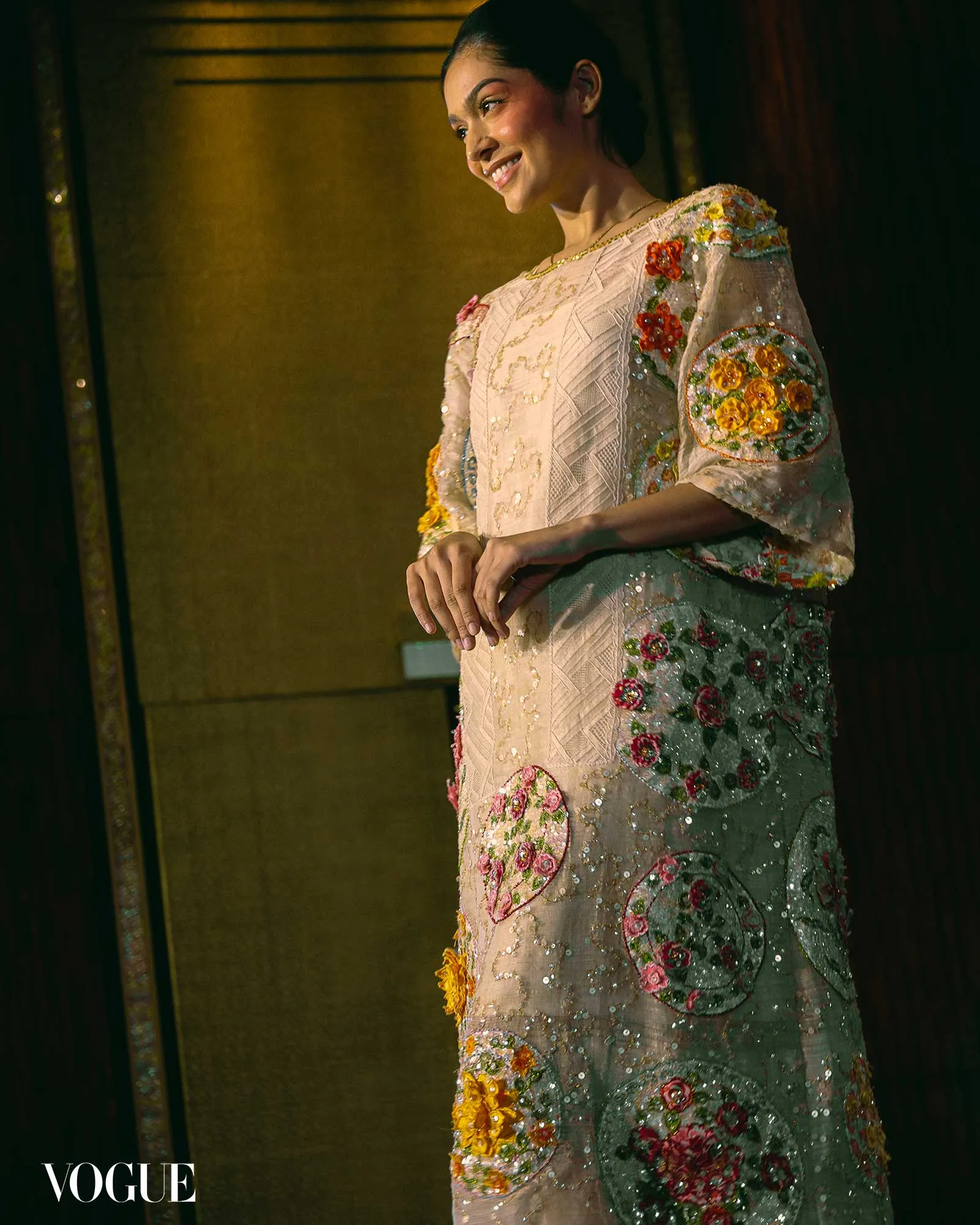
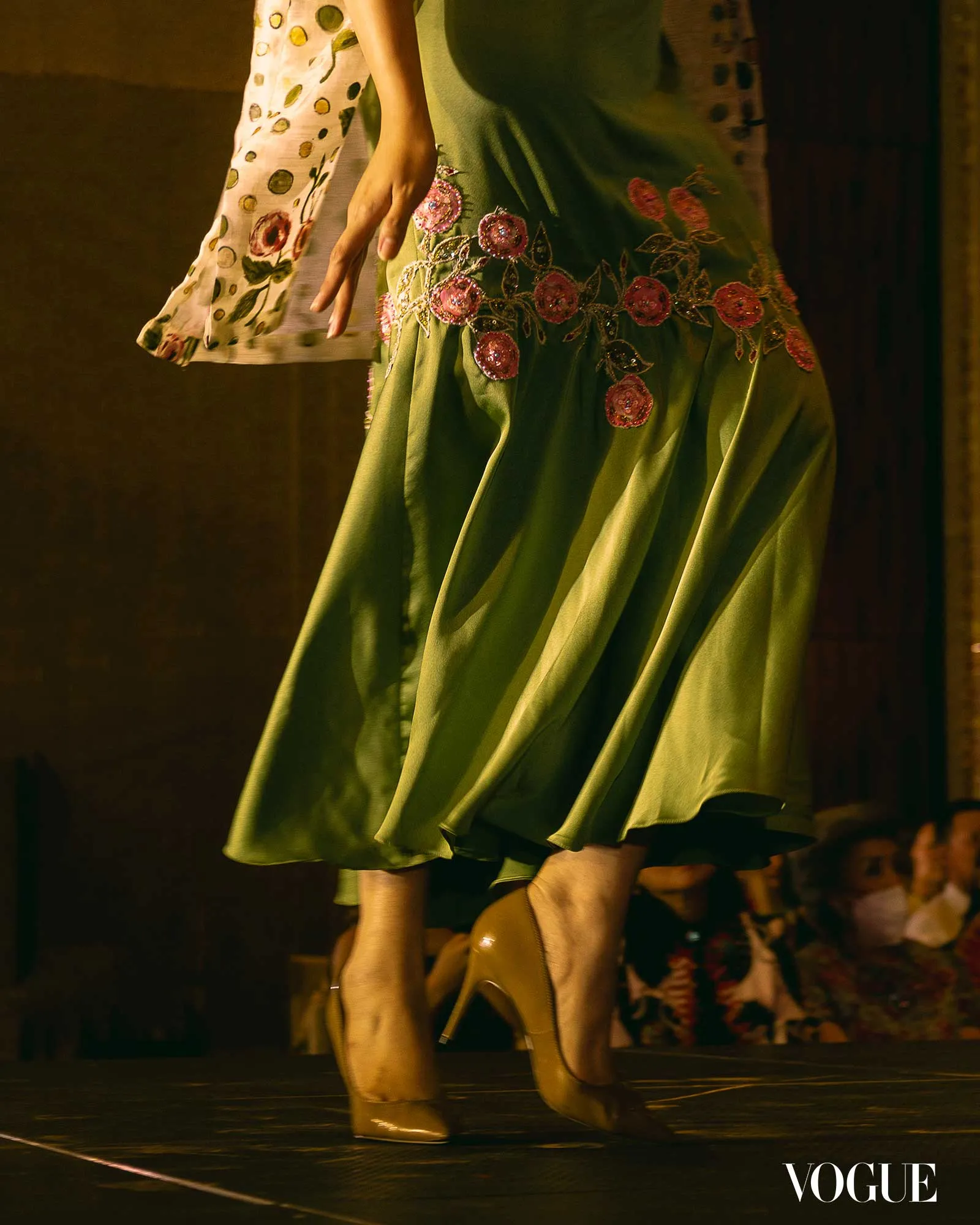
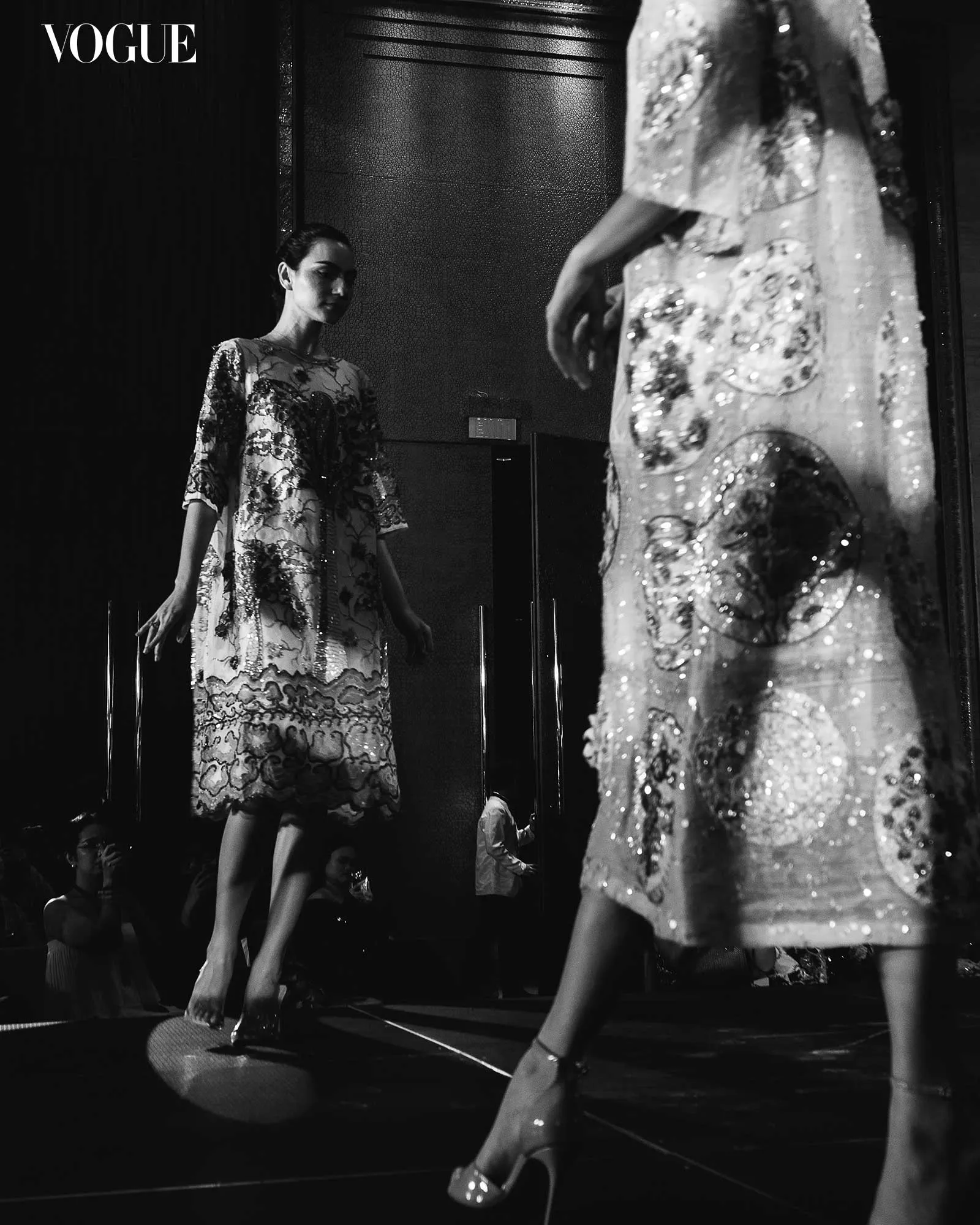
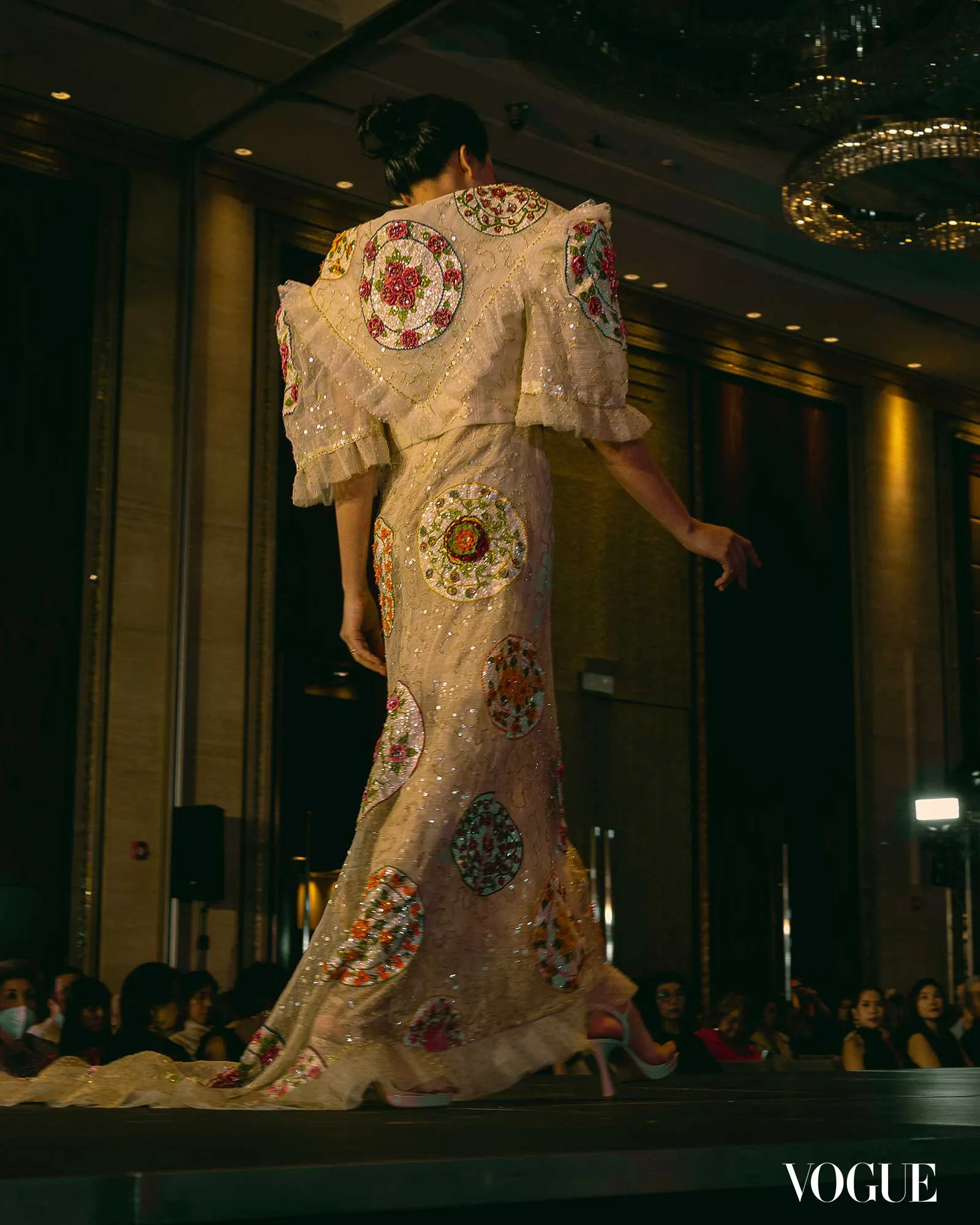
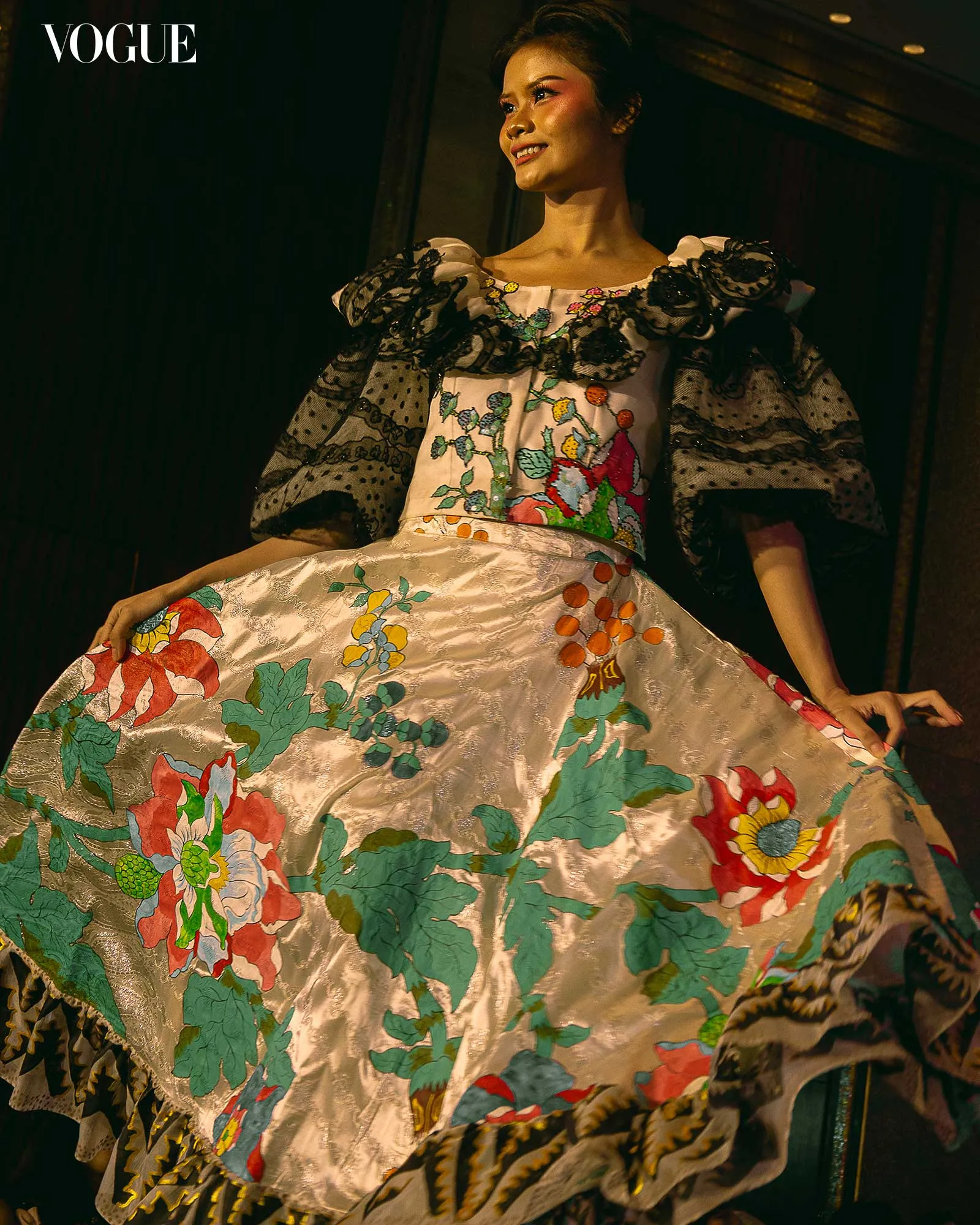
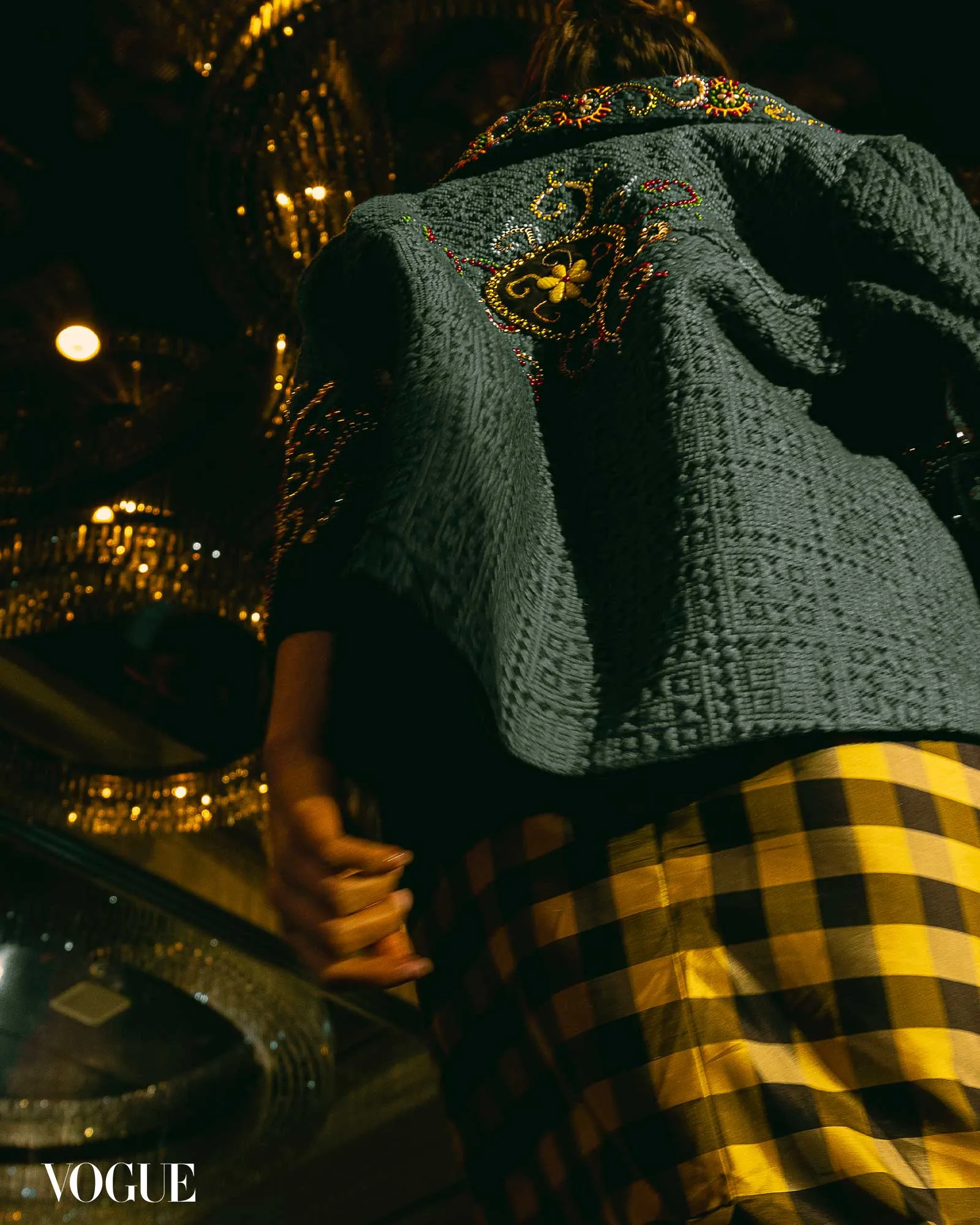
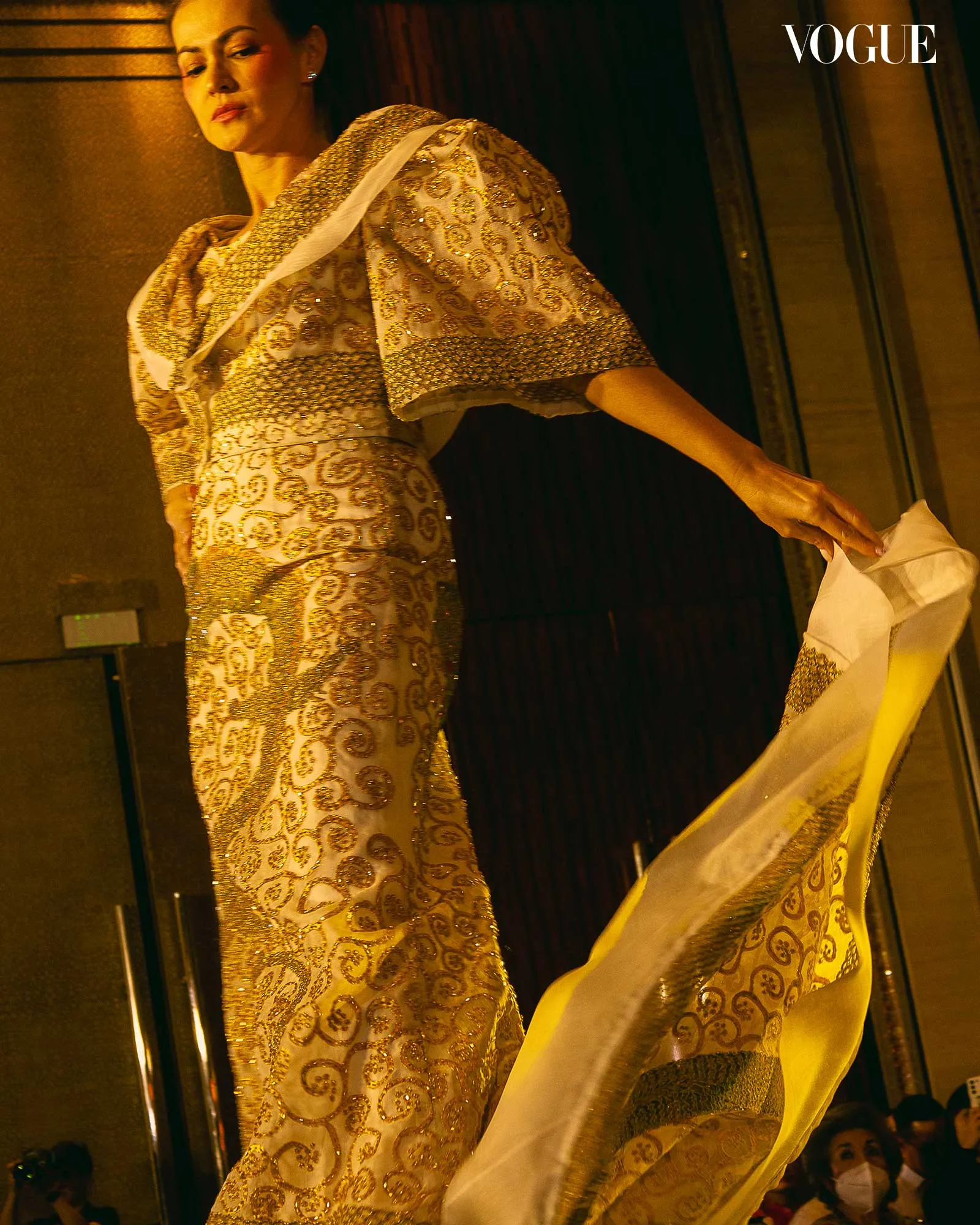
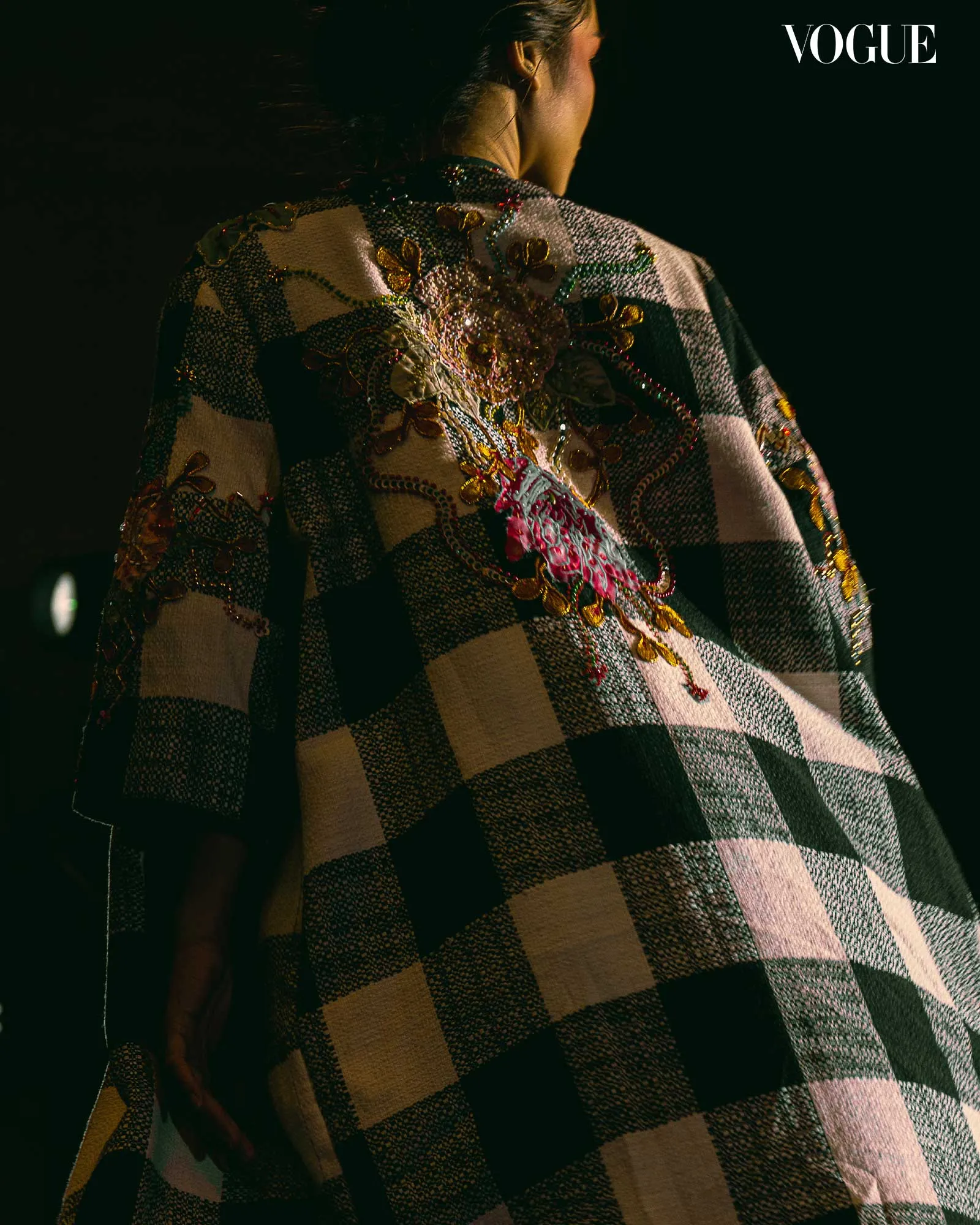
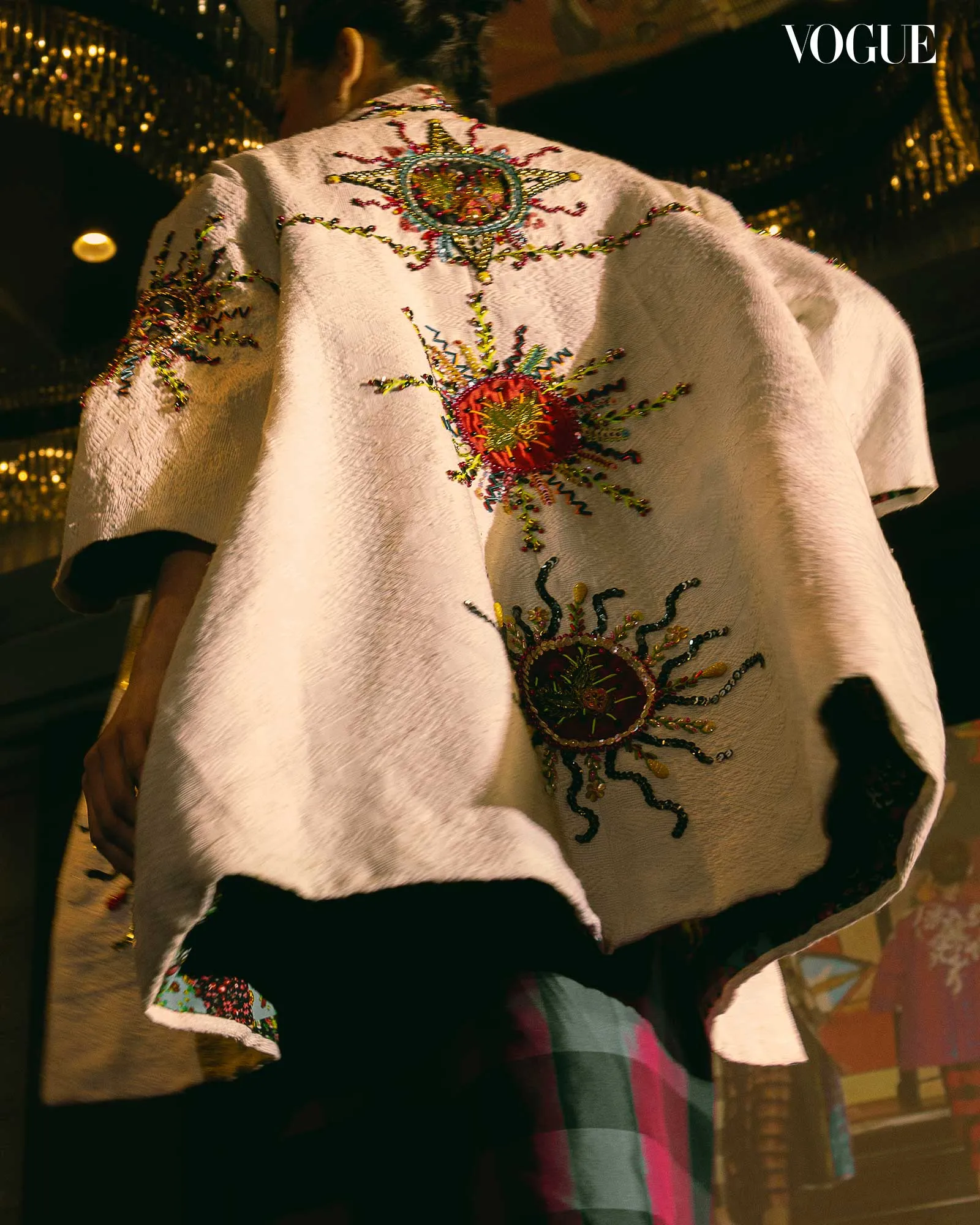
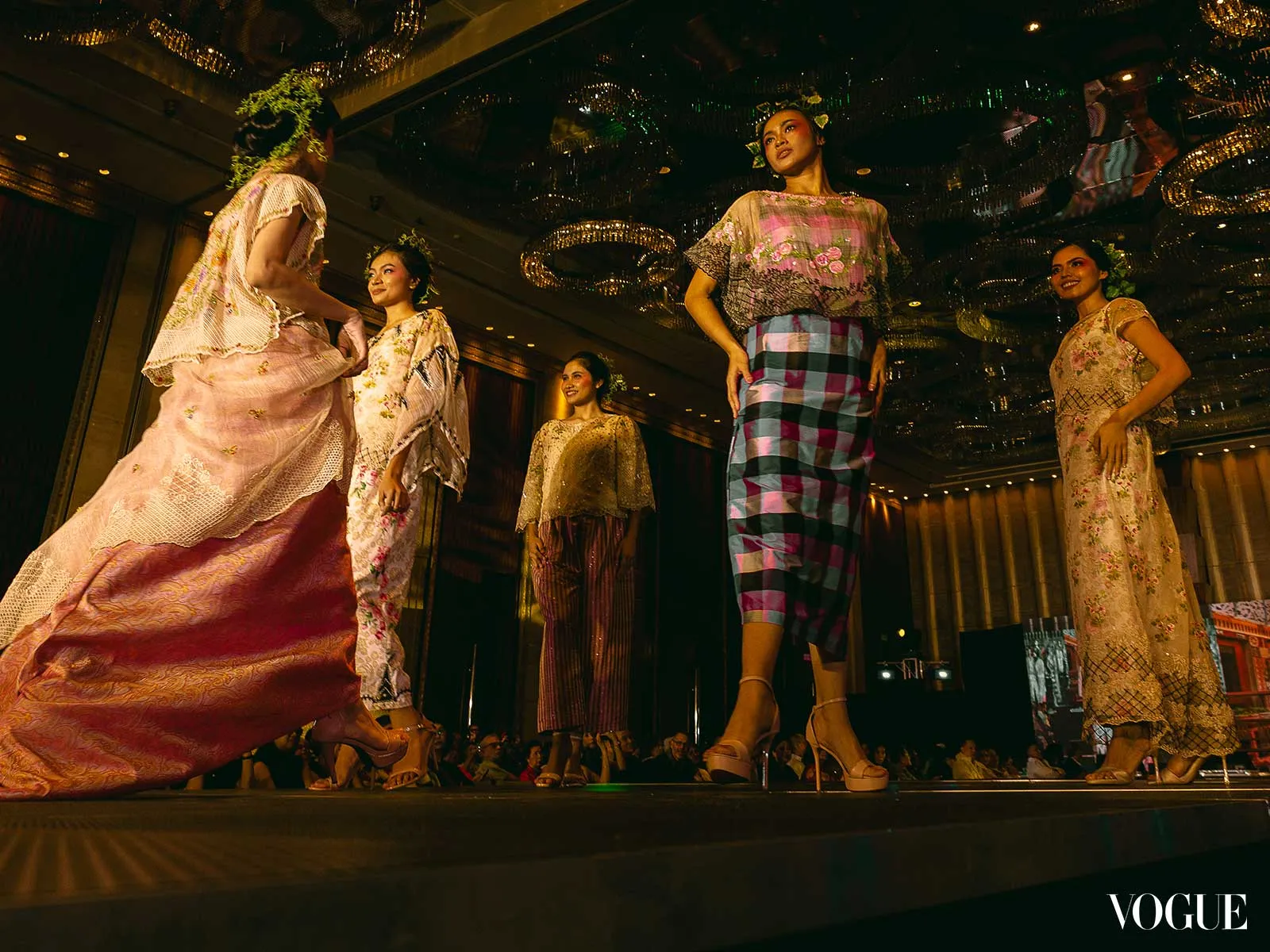
The collection debuted in the ballroom of the Grand Hyatt Manila, where Tesoro unveiled a see-now-buy-now offering designed for the full rhythm of Filipino life, from the ease of home to the formality of social evenings. Shirts and duster dresses in patchwork brought together color and comfort, while Maria Clara gowns emerged as sculptural meditations on tradition. Hand-painted kimonos and barongs exuded a carefree spirit, unfazed by market data or the churn of global trends.
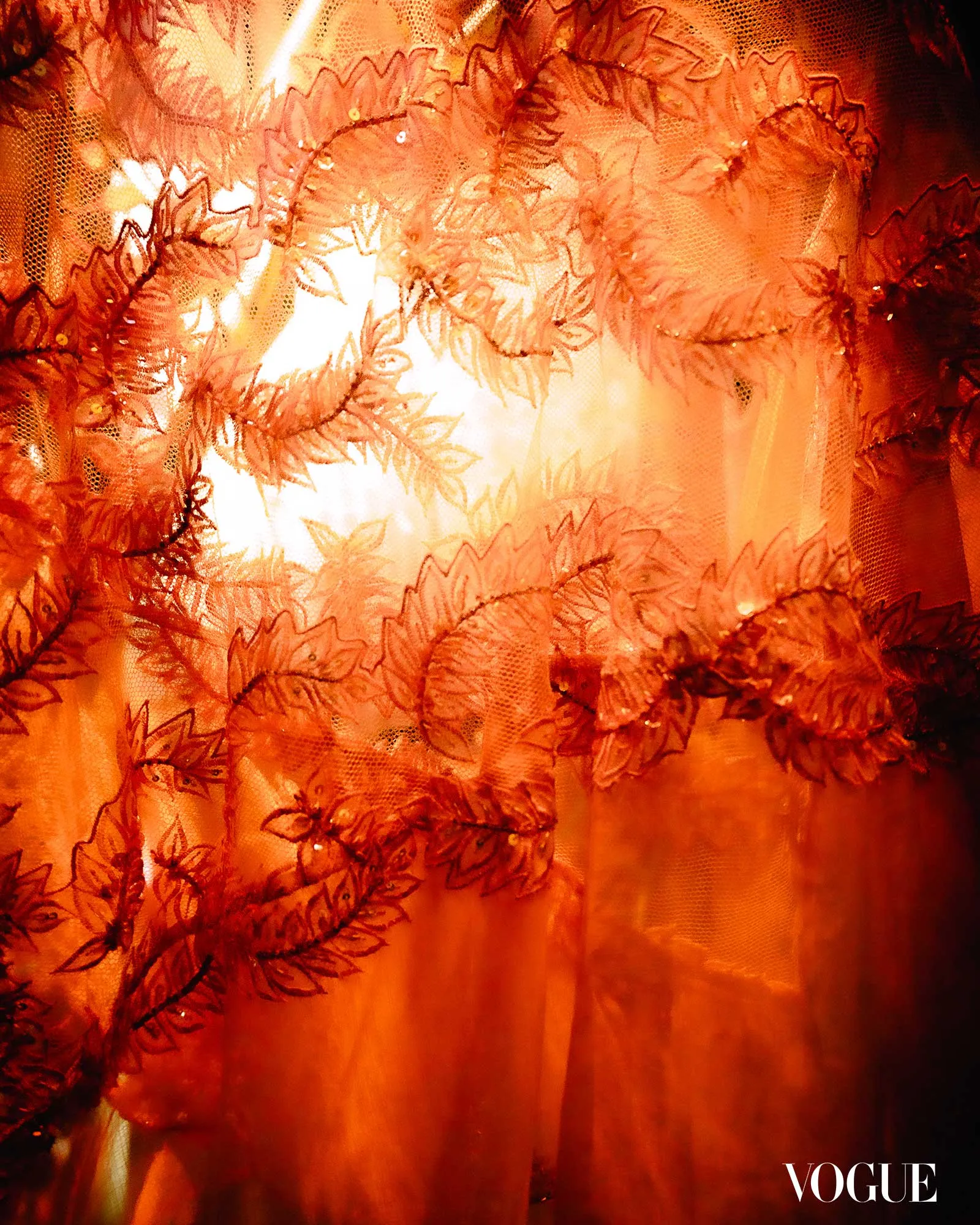
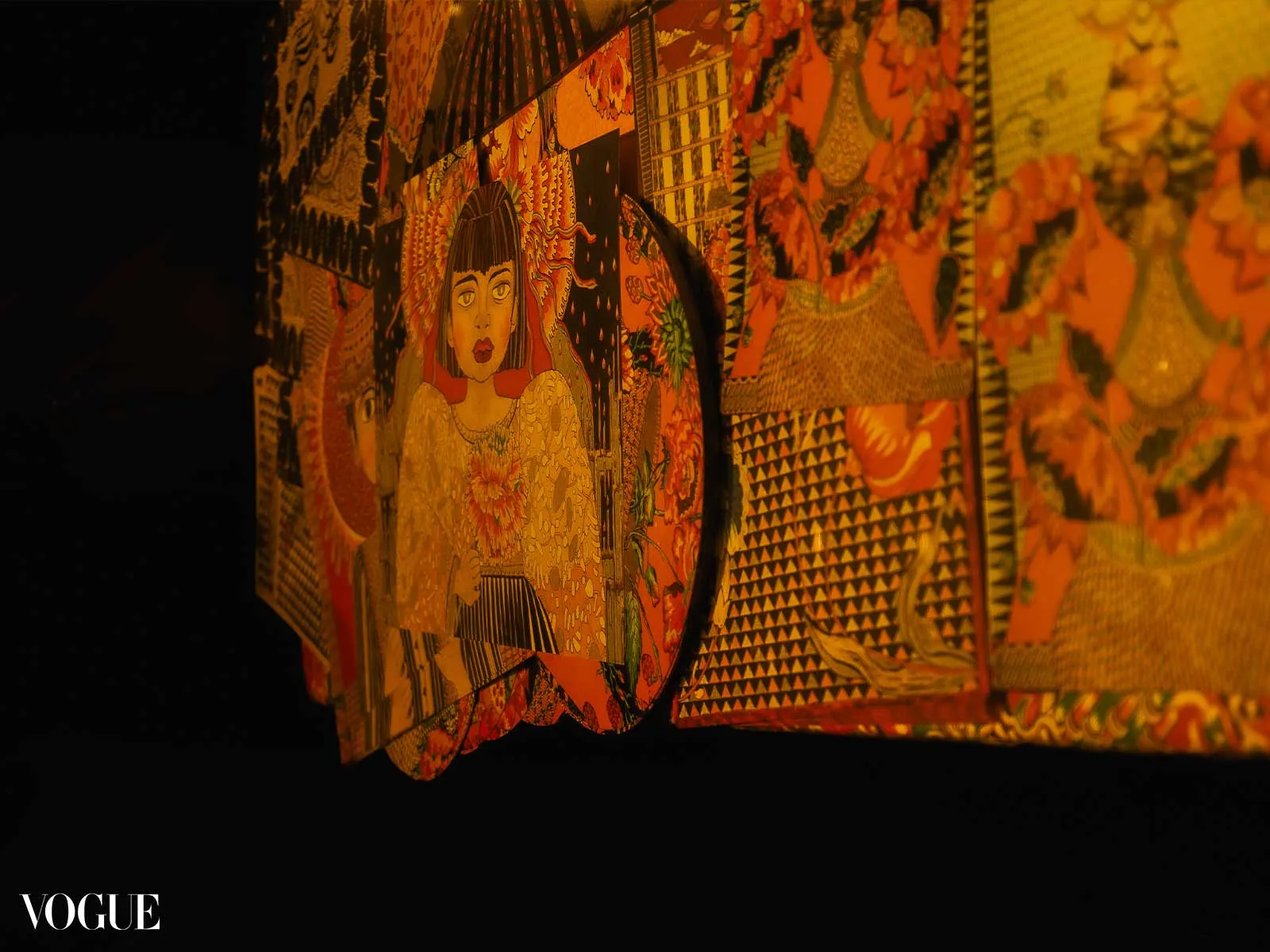
Each piece became a canvas for the Filipino soul, with nearly 95 percent of the collection crafted by hand in piña, jusi, and tropical linen. Artisans across the archipelago painted, embroidered, and beaded every textile with tenderness, creating clothes shaped not for margins, but for the simple, enduring pleasure of making.
-
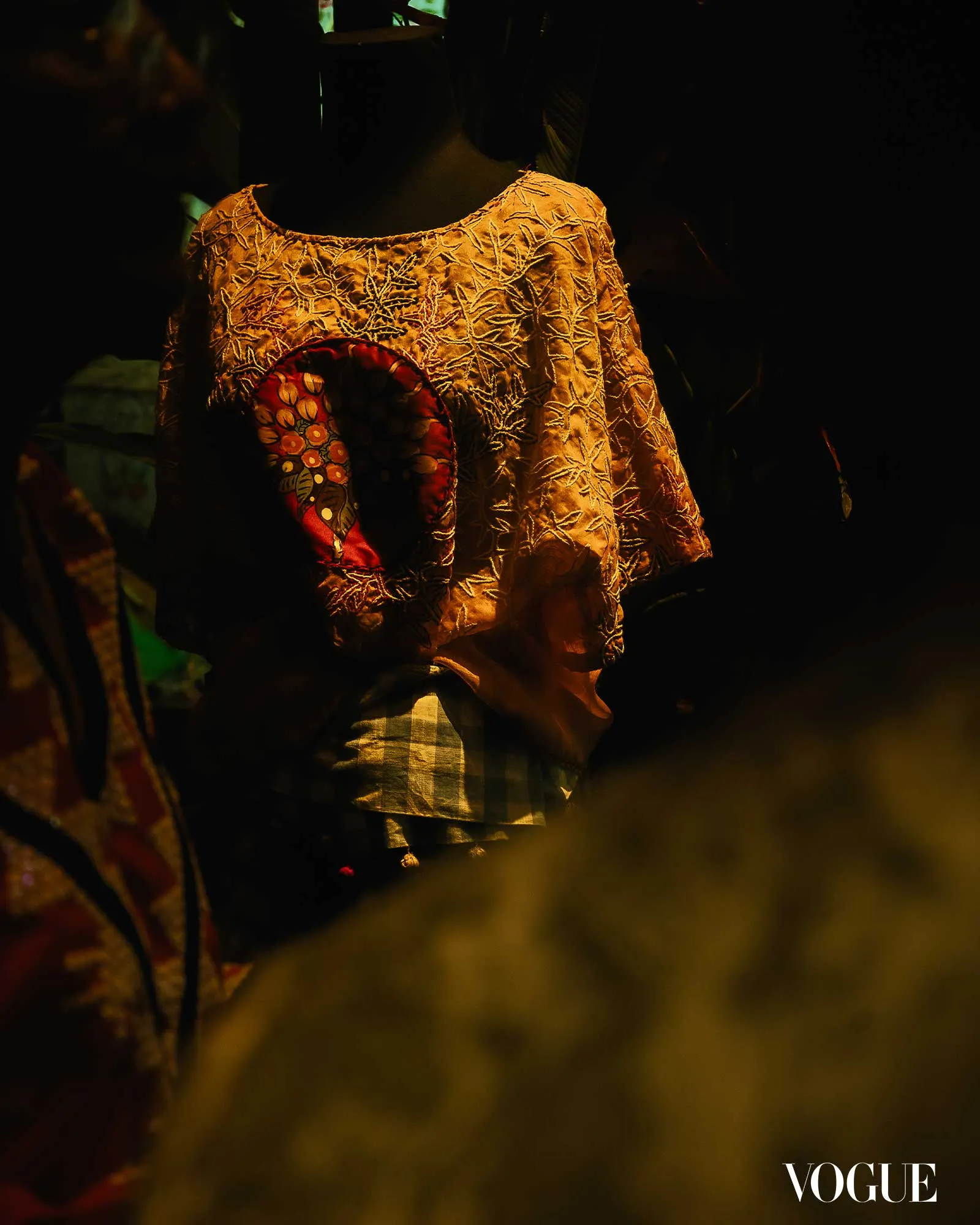 Photographed by Rojan Maguyon1/23
 -
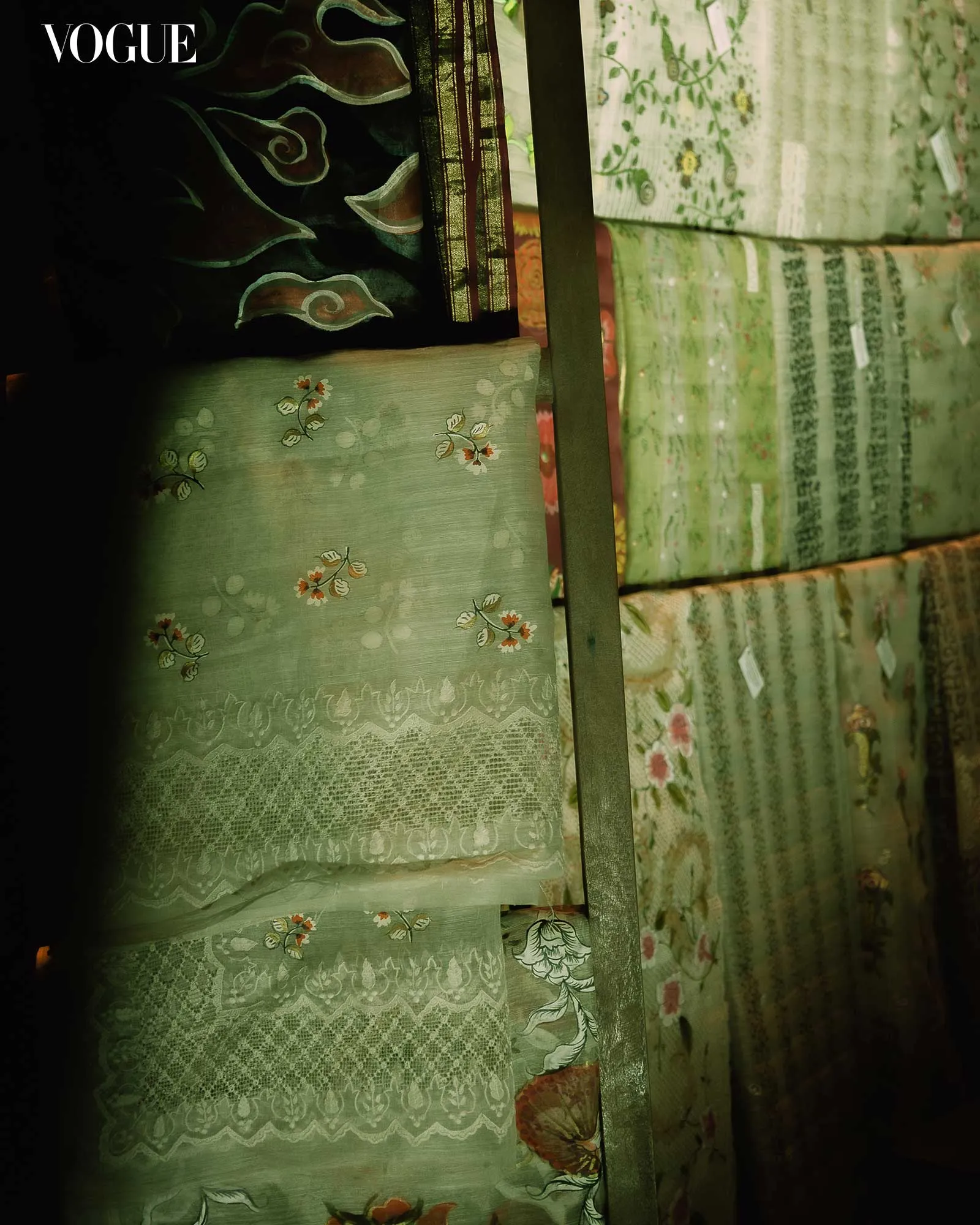 Photographed by Rojan Maguyon2/23
 -
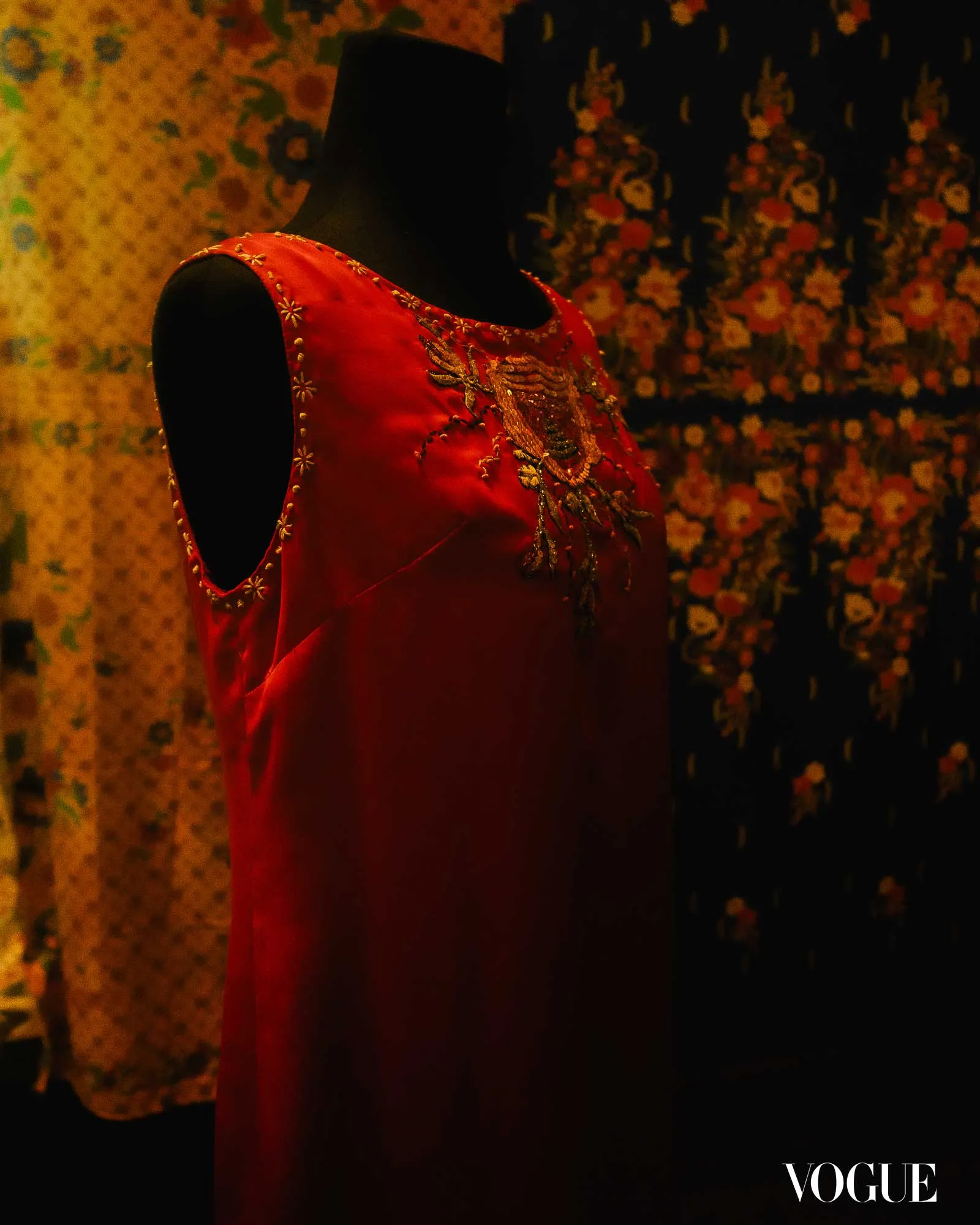 Photographed by Rojan Maguyon3/23
 -
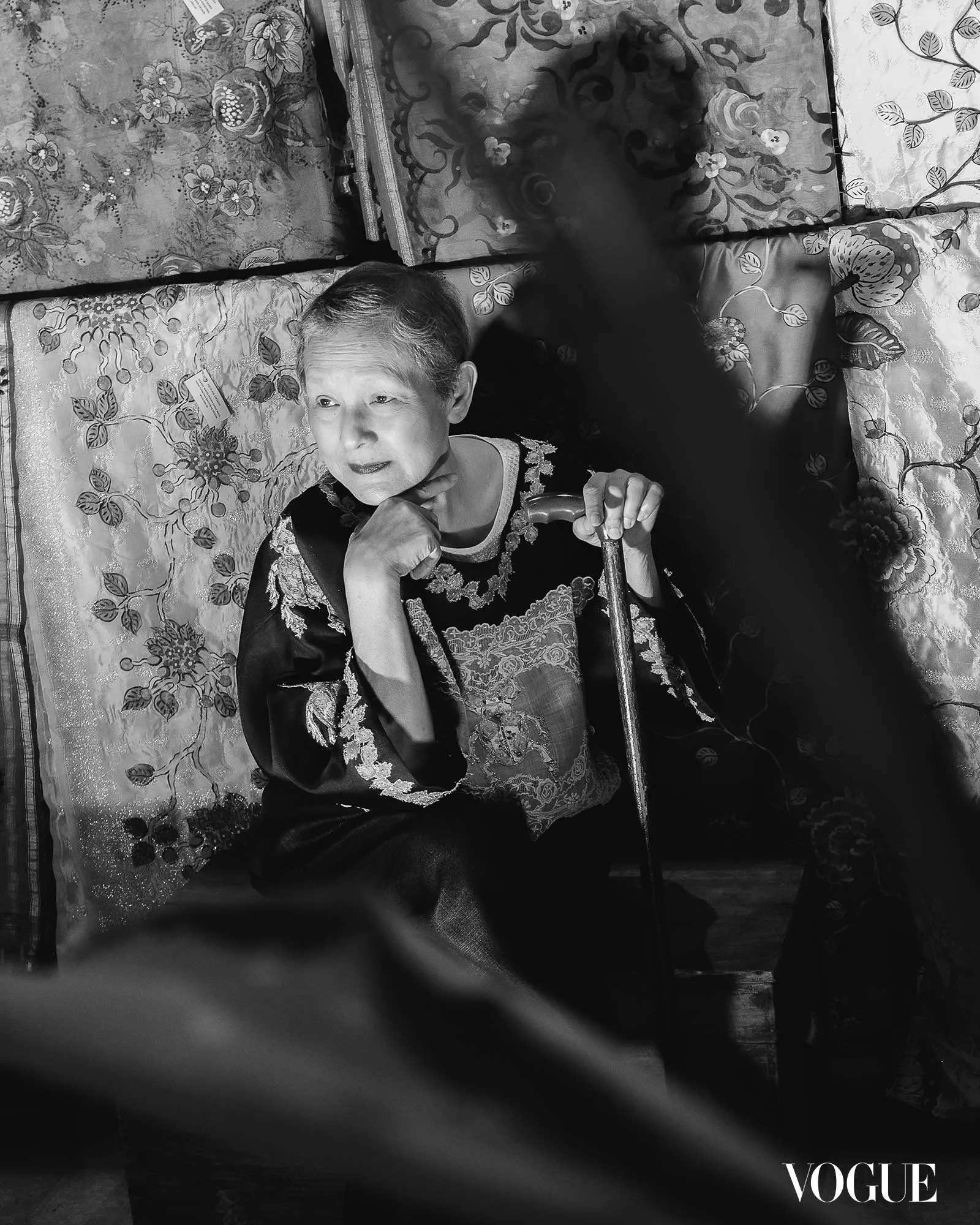 Photographed by Rojan Maguyon4/23
 -
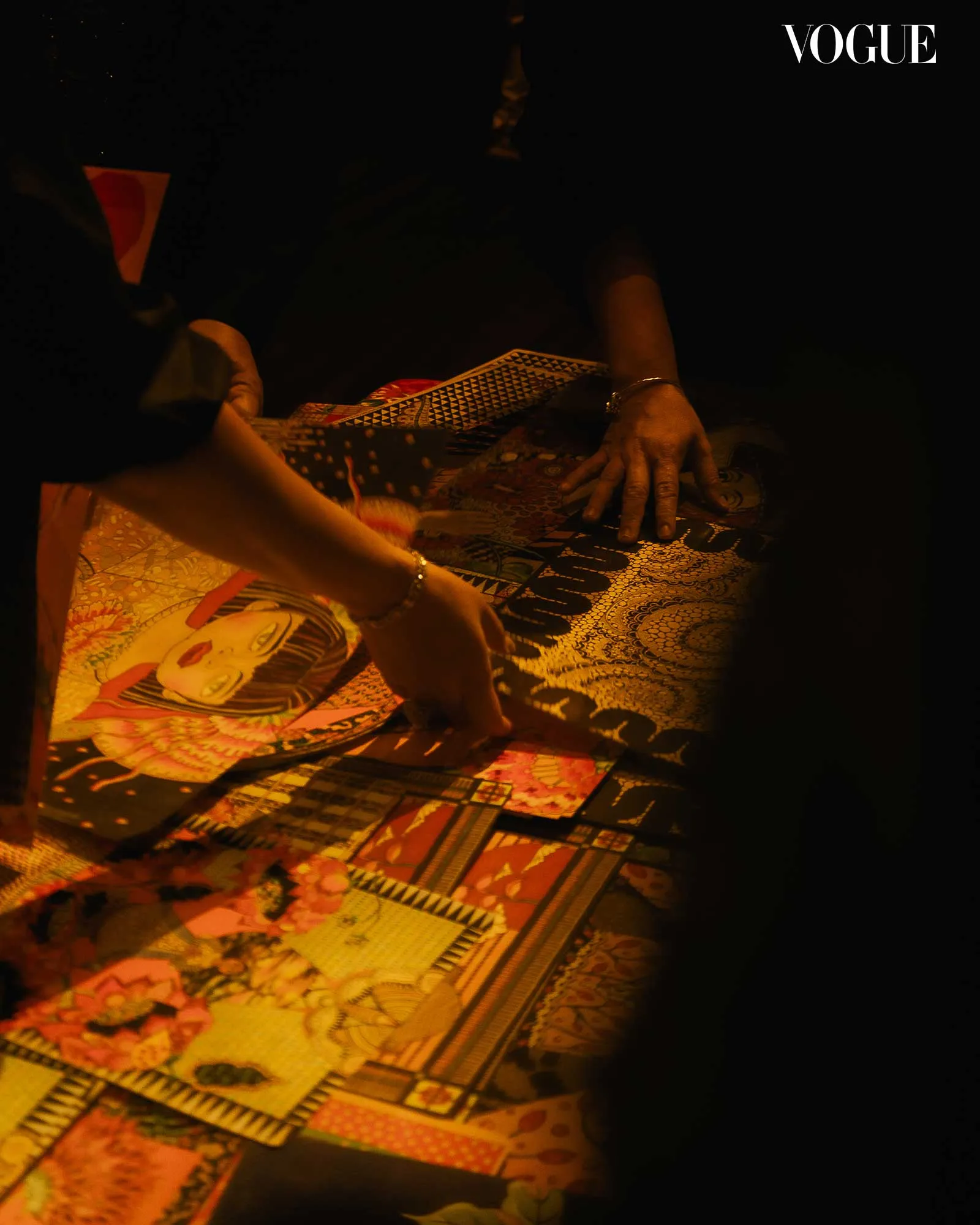 Photographed by Rojan Maguyon5/23
 -
 Photographed by Rojan Maguyon6/23
 -
 Photographed by Rojan Maguyon7/23
 -
 Photographed by Rojan Maguyon8/23
 -
 Photographed by Rojan Maguyon9/23
 -
 Photographed by Rojan Maguyon10/23
 -
 Photographed by Rojan Maguyon11/23
 -
 Photographed by Rojan Maguyon12/23
 -
 Photographed by Rojan Maguyon13/23
 -
 Photographed by Rojan Maguyon14/23
 -
 Photographed by Rojan Maguyon15/23
 -
 Photographed by Rojan Maguyon16/23
 -
 Photographed by Rojan Maguyon17/23
 -
 Photographed by Rojan Maguyon18/23
 -
 Photographed by Rojan Maguyon19/23
 -
 Photographed by Rojan Maguyon20/23
 -
 Photographed by Rojan Maguyon21/23
 -
 Photographed by Rojan Maguyon22/23
 -
 Photographed by Rojan Maguyon23/23