
In Baguio, The US Ambassador’s Residence Brings History Into The Present


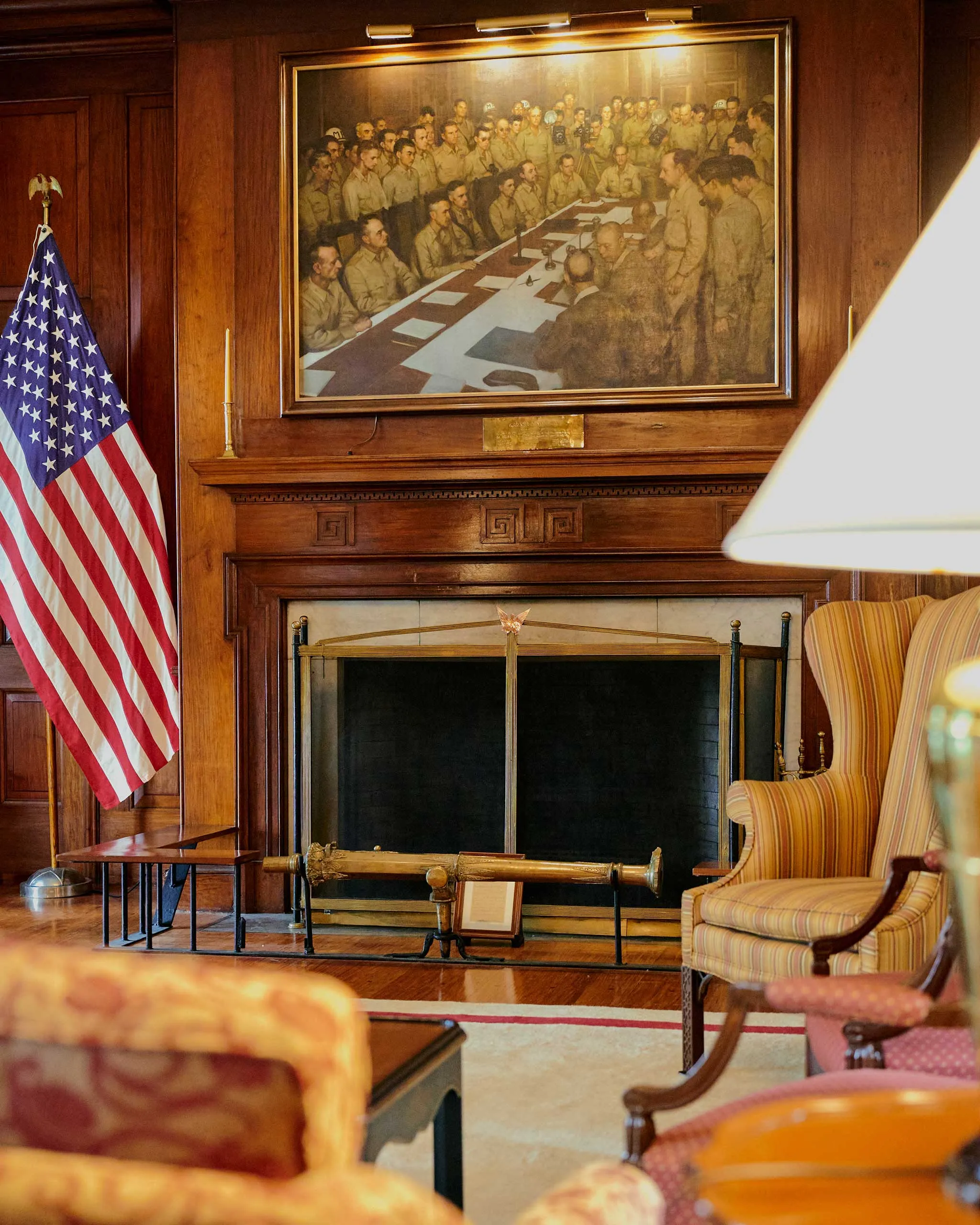
Stepping inside the US Ambassdor’s Residence, history immediately greets its guests. Photographed by Sela Gonzales
Shrouded in the fog of the Cordillera Mountains, the US Ambassador’s Residence offers a glimpse of history.
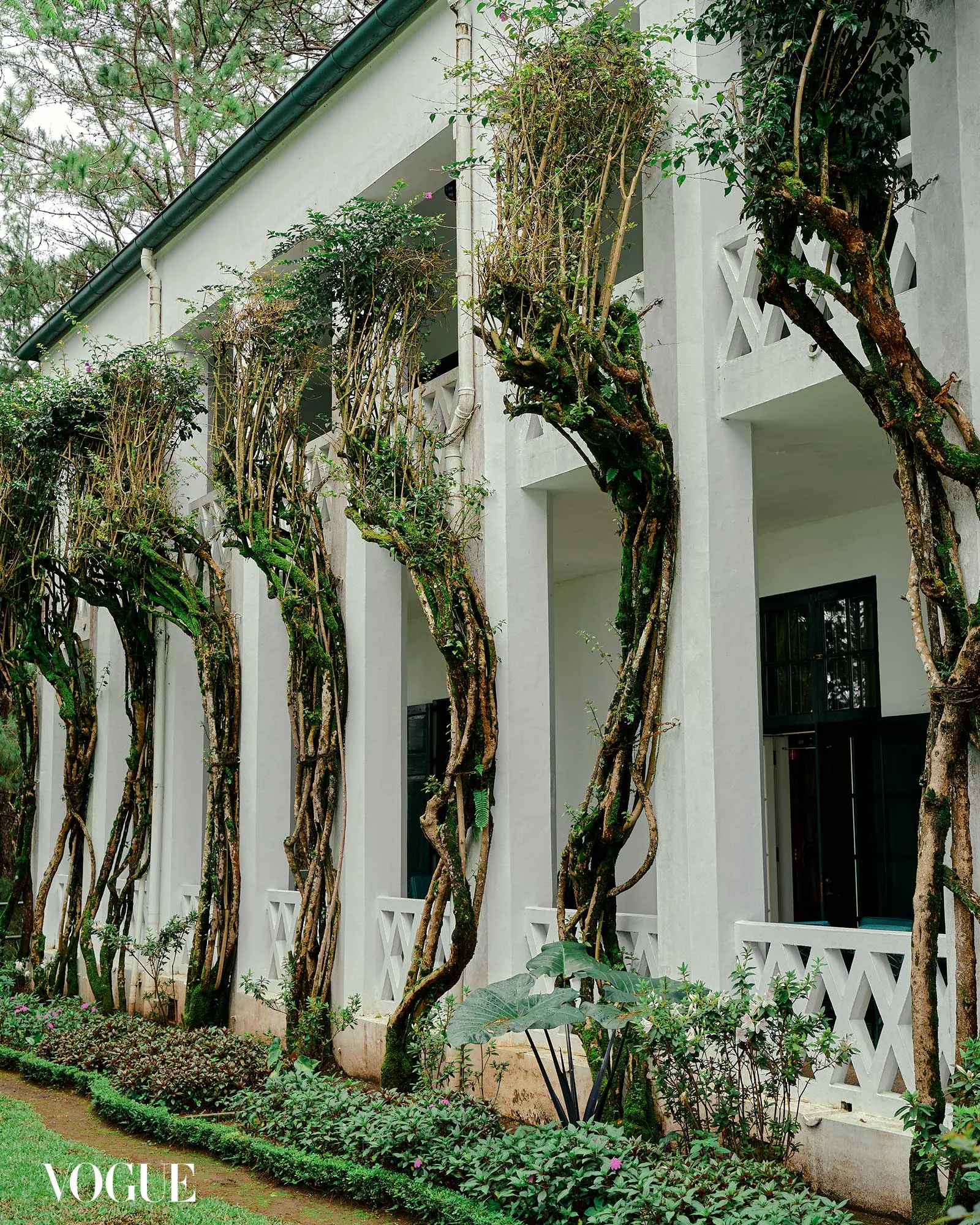
At the highest point in Camp John Hay in Baguio is a 78-acre land that overlooks the Cordillera mountains. There, the US Ambassador’s Residence sits, surrounded by a grove of old Baguio pines and shrouded by fog brought by the rainy weather. Bougainvilleas creep up the facade of the residence, and a tall flagpole welcomes guests, featuring the American flag and the US Embassy seal. Last September, it hosted Victory Day, marking 80 years since Japan’s surrender and the end of World War II in the Philippines.
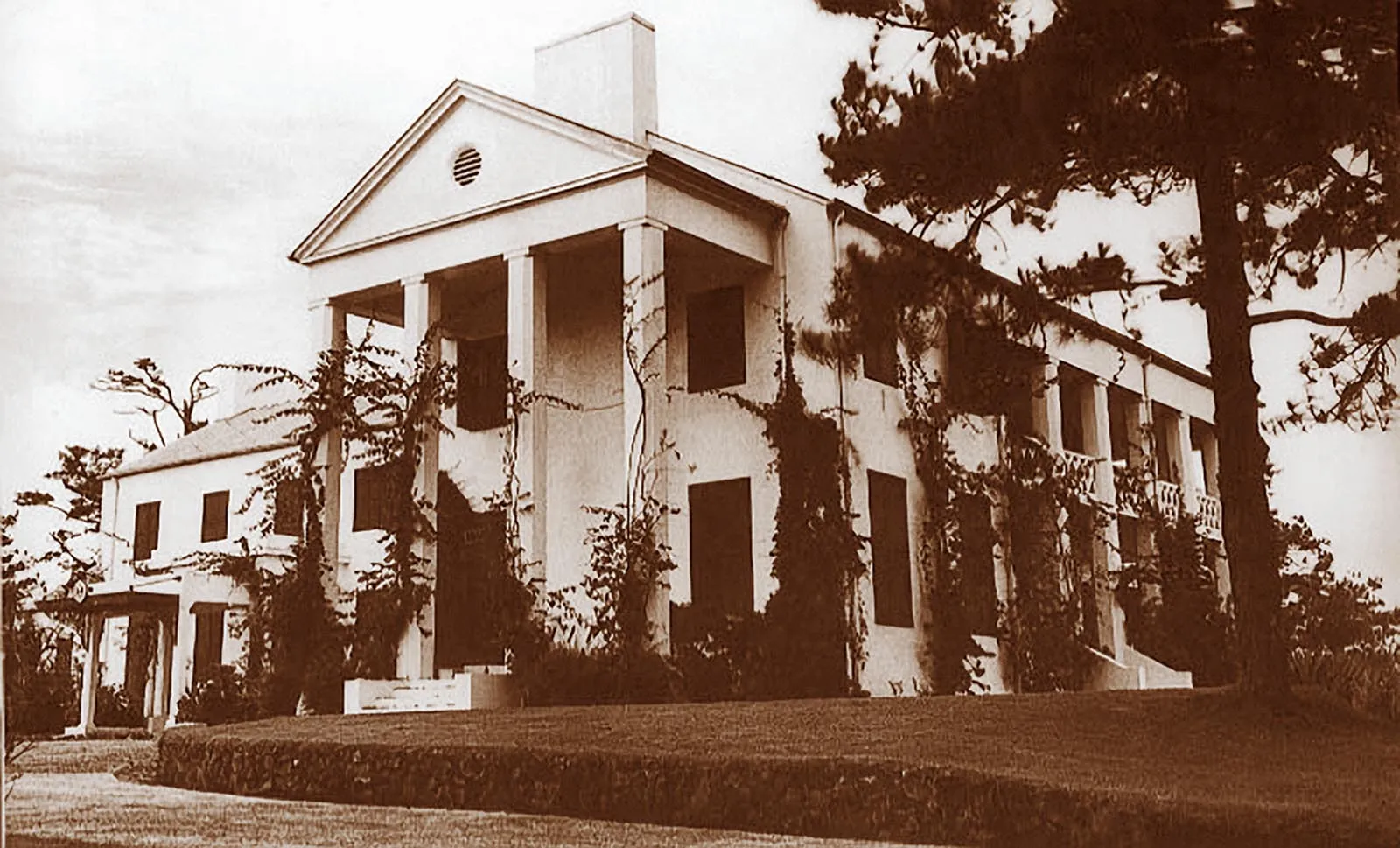
The historic event happened on the same grounds. Originally built as a residence for the US High Commissioner, the Ambassador’s Residence had only been used for a year before the Japanese attacked the Philippines in December 1941. For three years, the Japanese, led by General Tomoyuki Yamashita, used the estate as an office and residence for their high-ranking officials. Out of the seven bedrooms on the second floor, they cut a hole in the dressing room floor of bedroom number 5 to install a fire pole that provided a quick escape into the basement. There, they had built an extensive system of escape tunnels that ran throughout Camp John Hay.
On April 17, 1945, the Allied Forces and Filipino guerrillas liberated Baguio City, forcing General Yamashita to hide in the Cordillera mountains. They remained there until September 2, 1945, eventually emerging from their hiding spot in Kiangan, Ifugao, when Japanese forces were surrendering in Tokyo to General Douglas MacArthur. The next day, the formal surrender ceremony began at 11:55 AM in the living room of the Ambassador’s Residence, ending at 12:10 PM, marking the surrender of all Japanese forces in the Philippines and the official end of the war. The moment was documented by Life Magazine photographer Carl Mydans, who captured it in a series of panoramic photographs.
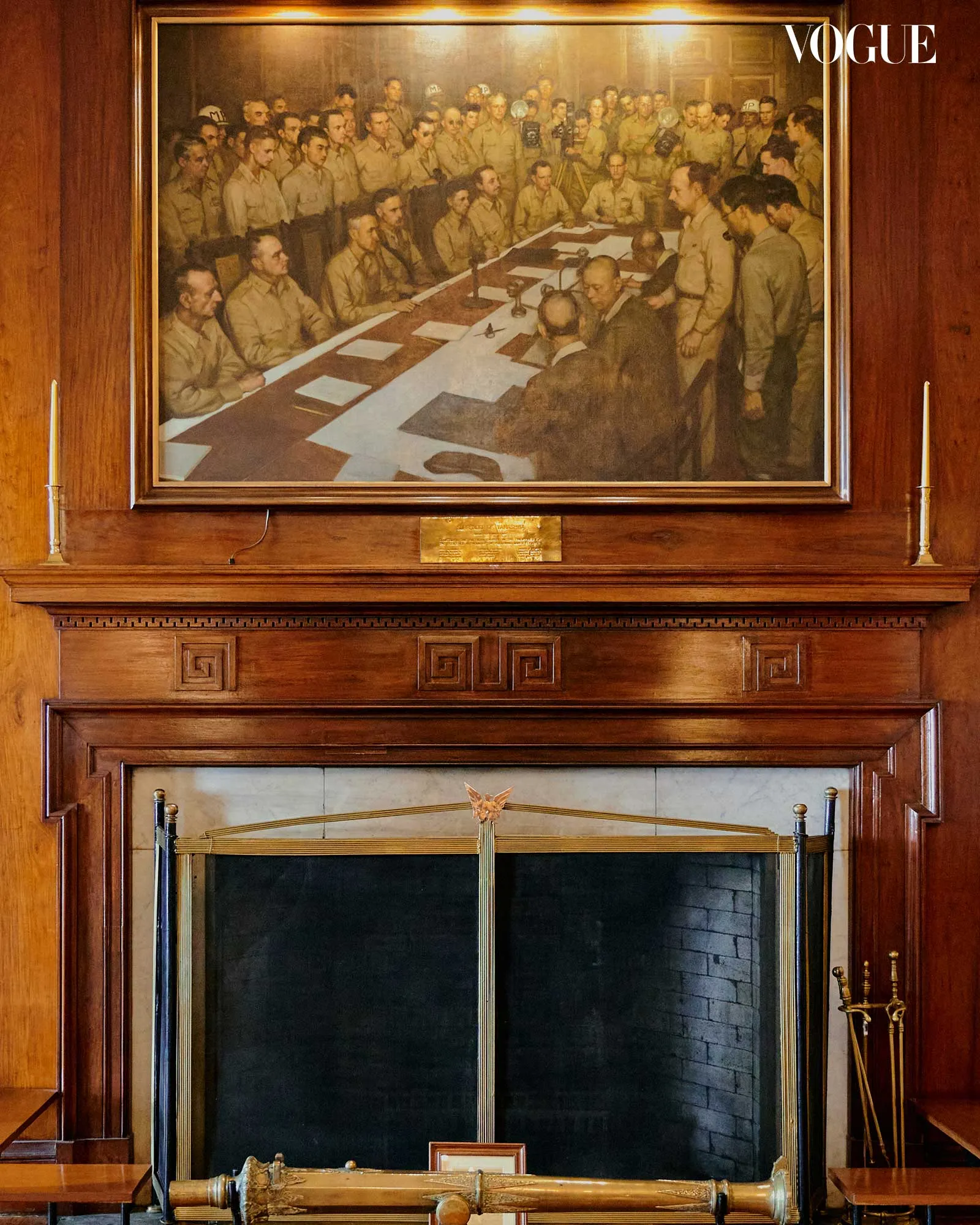
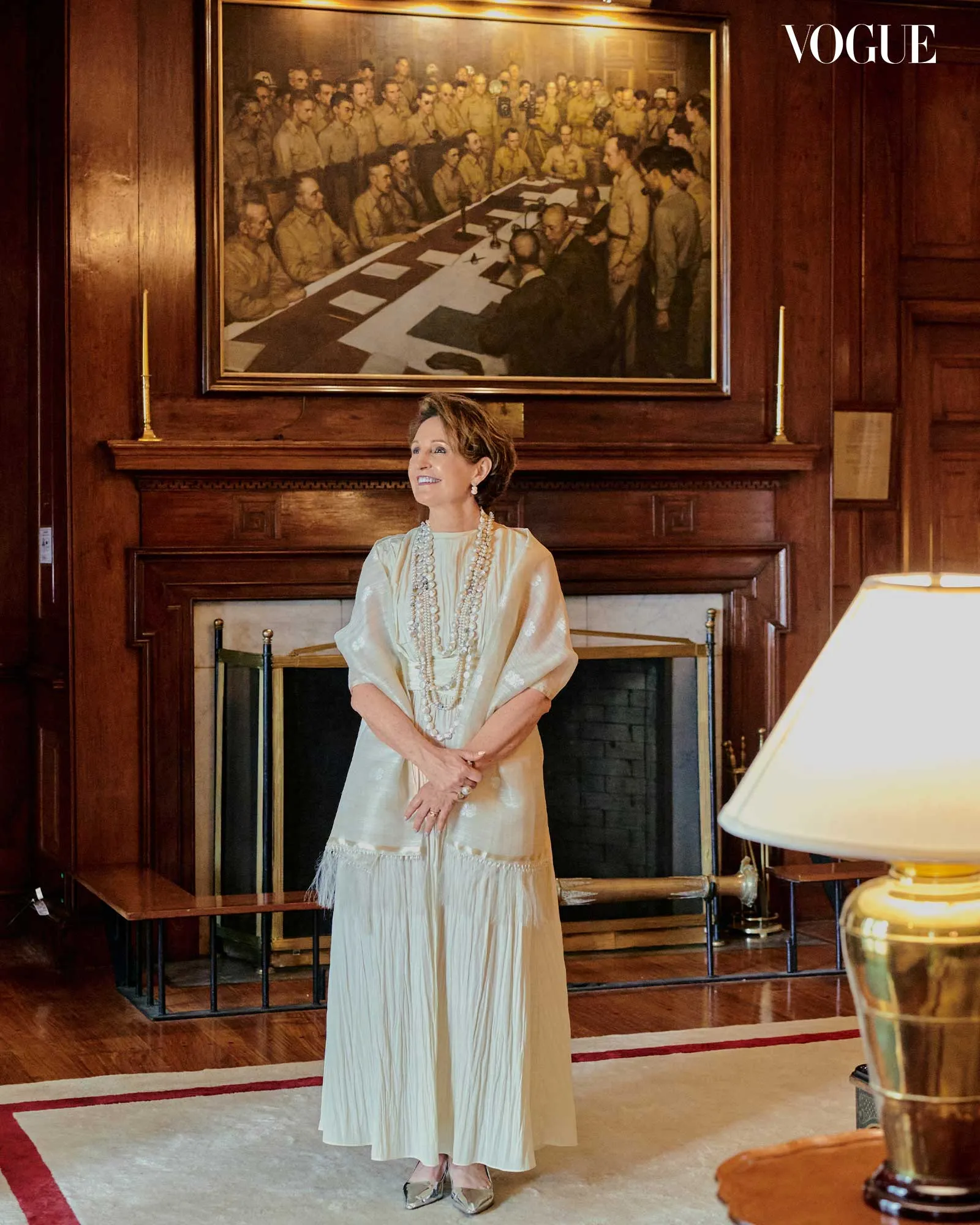
Surrender at Baguio, September 3, 1945, hangs over
the fireplace in the living room where the surrender
ceremony took place. Photographed by Sela Gonzales
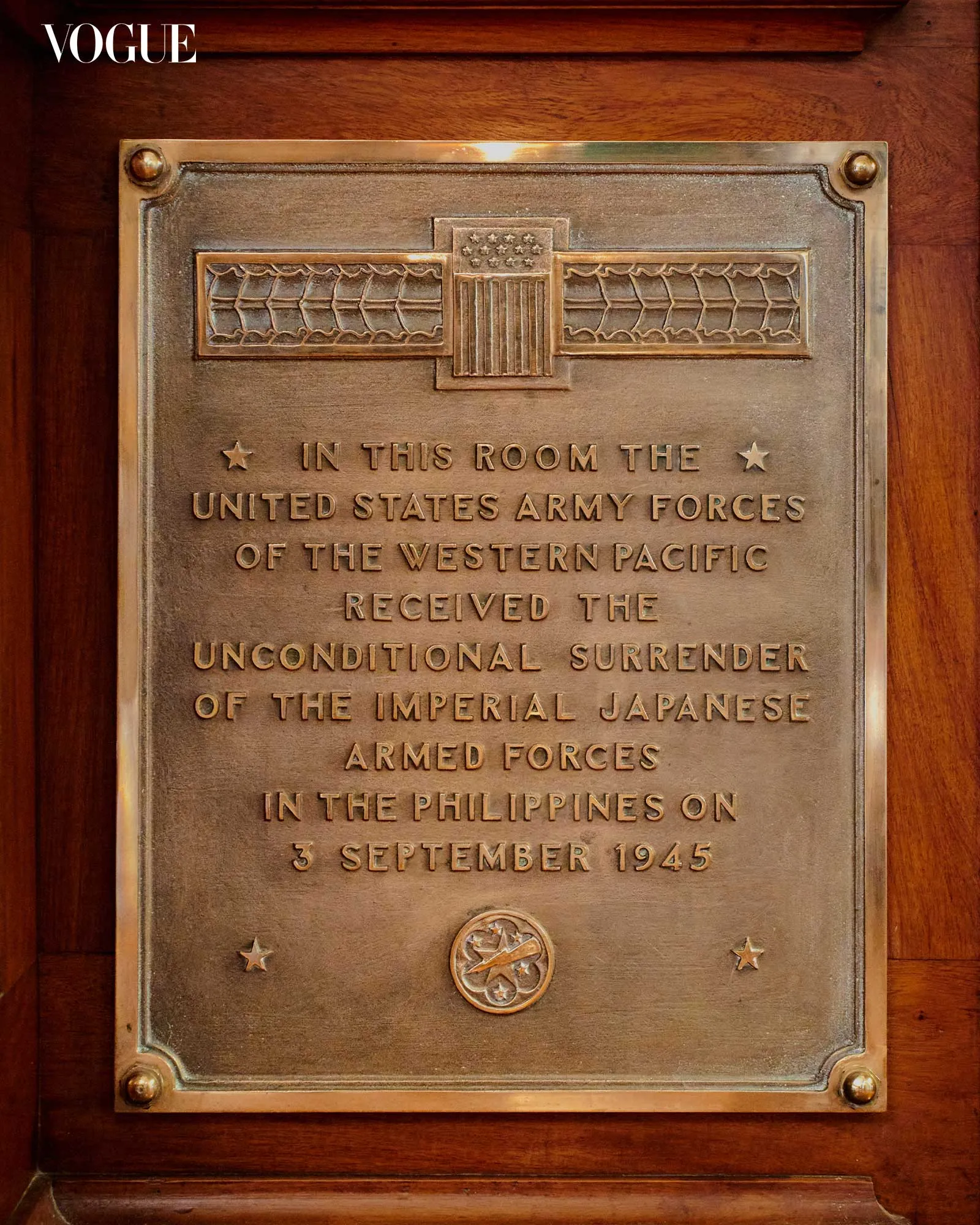
80 years since then, the residence has served different purposes: for informal meetings and vacations, traditional holiday receptions, but mainly for Embassy officials to work and socialize with government officials, diplomats, friends, and important contacts. But these days, the residence opens its doors to the public, providing a firsthand experience of the historical site with tours and events for special occasions.
When you step inside the residence, it gives a glimpse into the era with the mixture of quality of antebellum homes and streamlined modern styles that were popular in the 1930s. From the foyer, the paneled doorway jamb and ionic ornamental frieze frame the view into the narra-paneled living room, where some of the residence’s historical artifacts are stored.
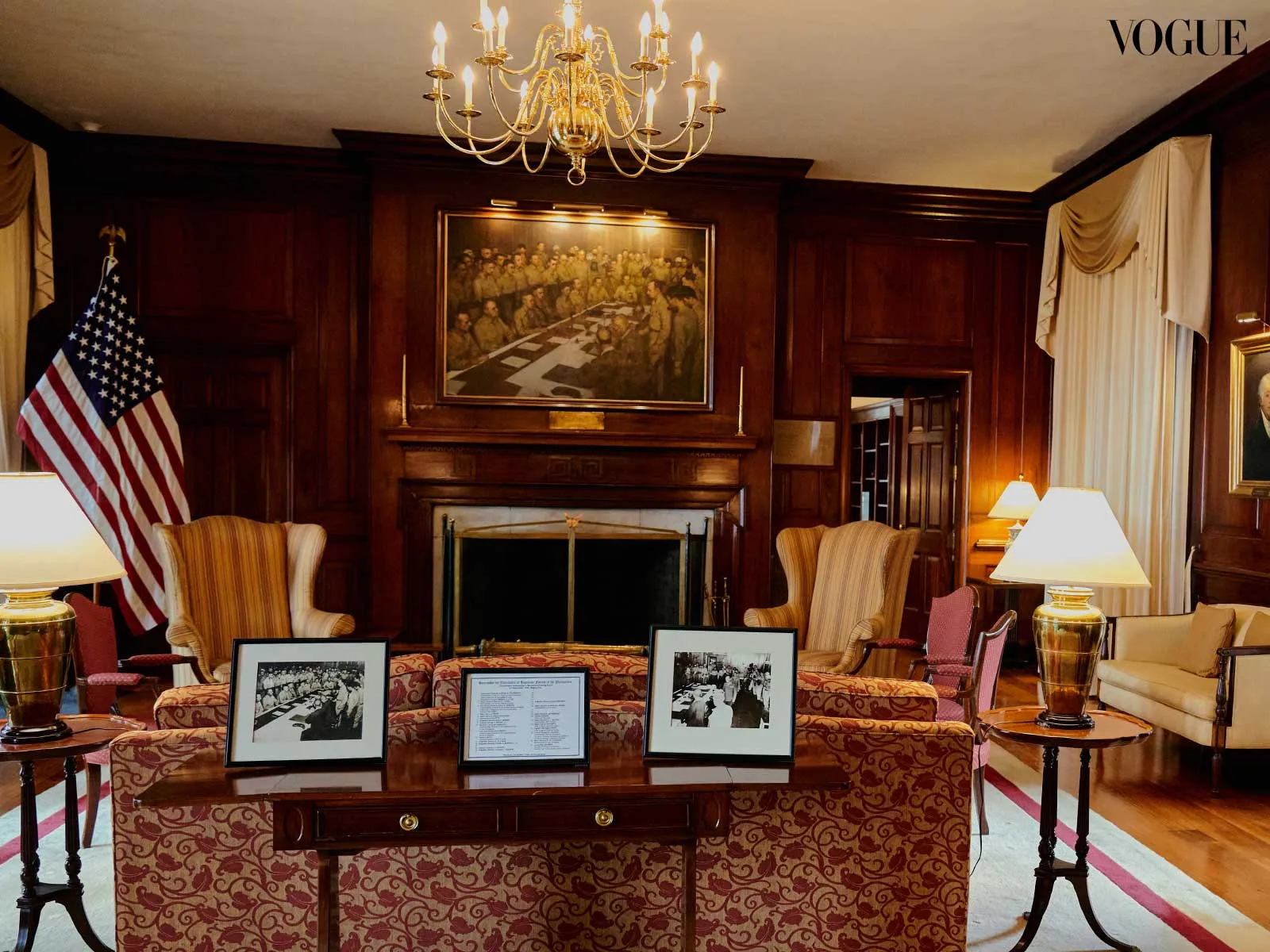
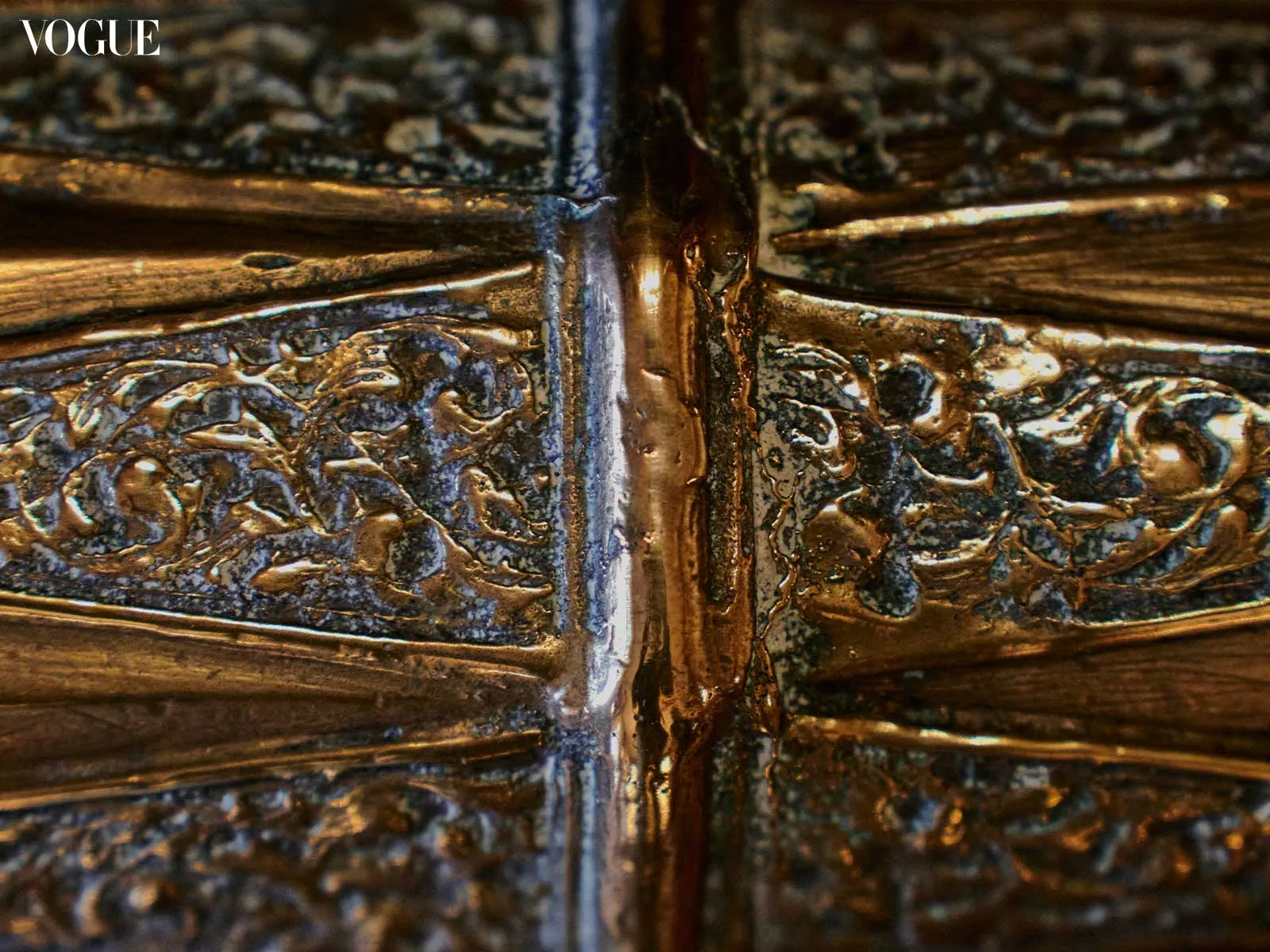
Over the living room’s fireplace hangs one of their most prized possessions: Fernando Amorsolo’s 1951 painting of Yamashita’s Surrender at Baguio, September 3, 1945. Amorsolo had used Mydans’ photos as the basis for the painting, showing Yamashita conferring with his colleague during the signing of the unconditional surrender. In front of the fireplace sits one of two lantakas gifted by Princess Tarhata Kiram of Mindanao, which were brass cannons used during the battle of Mount Bagsak with General Pershing in 1913. The other brass cannon is stored in the library, alongside other artifacts and objects donated by previous ambassadors.
In the dining area, another Amorsolo painting hangs: his 1951 portrait of General Douglas MacArthur. Along with Amorsolo’s paintings, Casimir Gregory Stapko’s 1949 portraits of the first US Secretary of the Treasury, Alexander Hamilton (1757-1804), and US Senator John Randolph of Roanoke (1773-1833) hang on the adjacent wall.
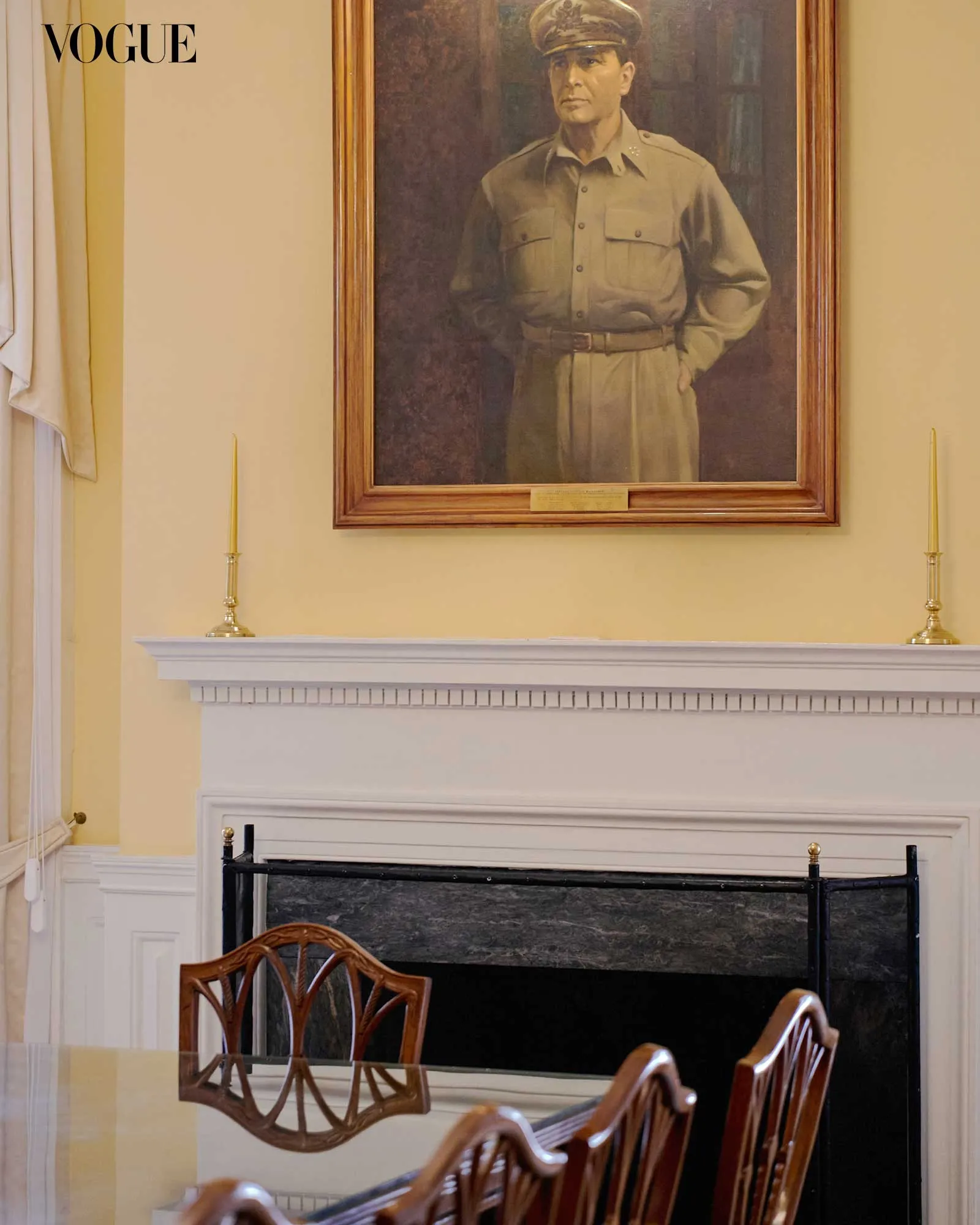
MacArthur hangs over the fireplace in the dining room. Photographed by Sela Gonzales
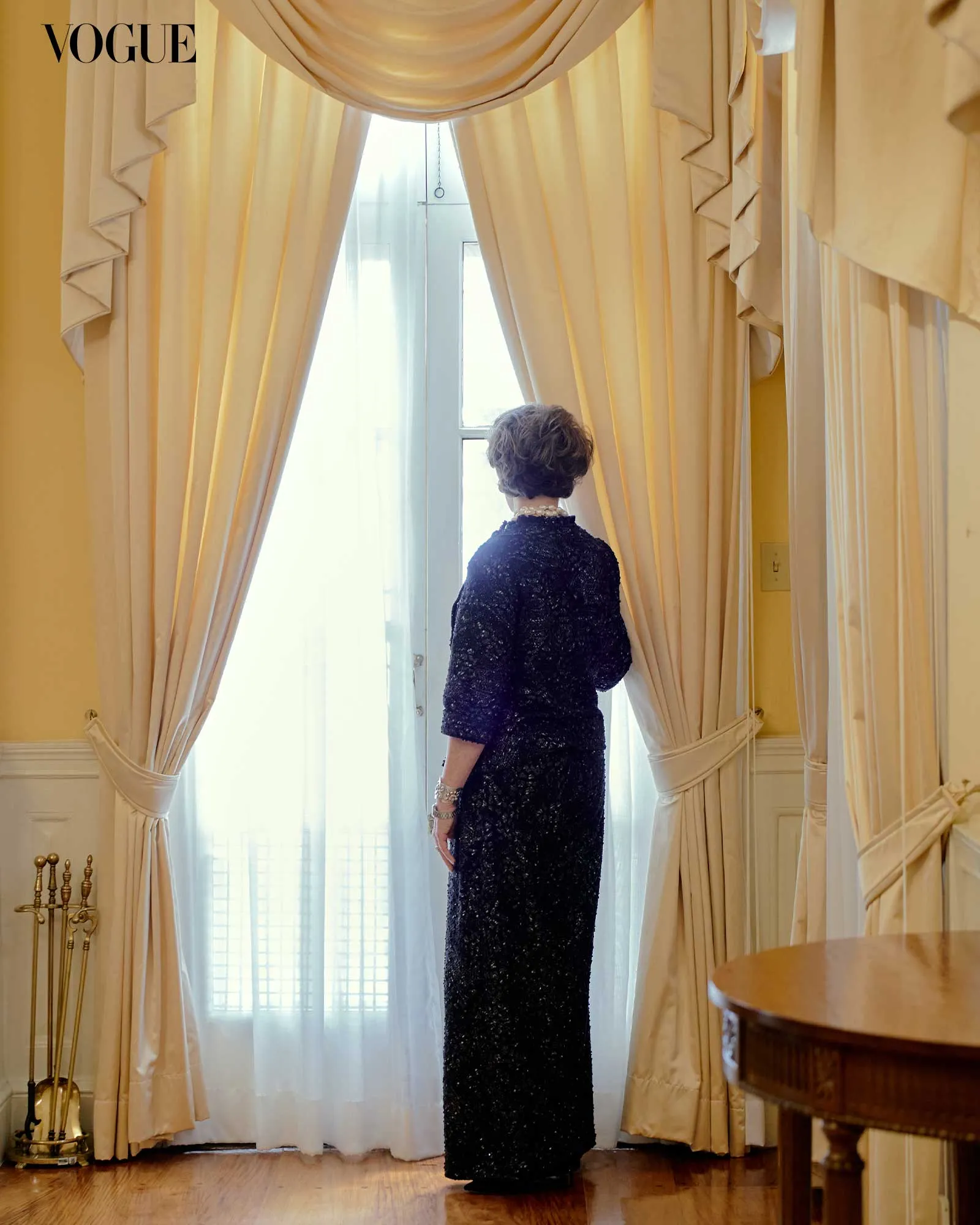
The act of inviting the public to visit the residence is both a diplomatic decision and a representation of Filipino values: “I think of diplomacy as building trust between our two peoples based on our shared values so that we can achieve our common objectives. And I think when you’re open and when you receive people into your home, that helps build trust, and that builds diplomacy,” says US Ambassador MaryKay Loss Carlson. “For us here, this is also a small way that we can reflect the Philippine values of hospitality, by inviting you all into our home here in Baguio.”
After pandemic restrictions were lifted, Ambassador Carlson arrived in the Philippines and made it a mission to open the residence to educational tours. Earlier this month, they also launched a virtual tour of the Ambassador’s Residence, making it accessible to people worldwide.
“I hope that when our Philippine friends, partners, and allies come through these doors, they appreciate our shared history and what that means for us,” says Ambassador Carlson. “To feel the connection between all of the Americans and Filipinos that came before us, that laid the historical foundation for the enduring partnership that we continue to enjoy today, is amazing.”
Nearly eight decades after it bore witness to a pivotal moment in history, the Ambassador’s Residence bridges the past and present by opening its doors to the public. It reminds us that this history doesn’t remain in the past, but is carried on through the connections we continue to build today.
By DAPHNE SAGUN. Photography by SELA GONZALES. Produced by BIANZA ZARAGOZA. Multimedia artist: BEA LU.