
Watch: Atsuko Okatsuka Is in the Spotlight


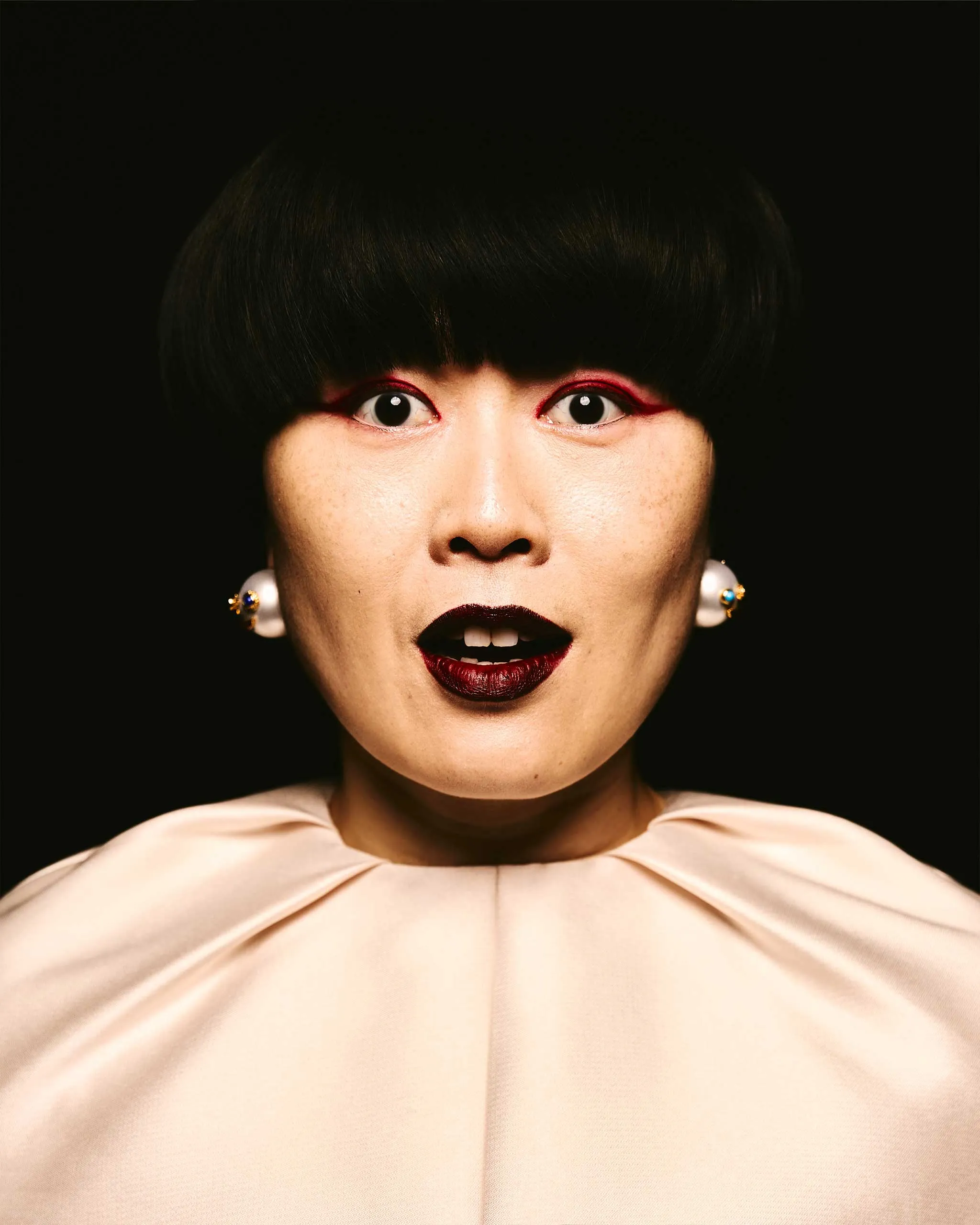
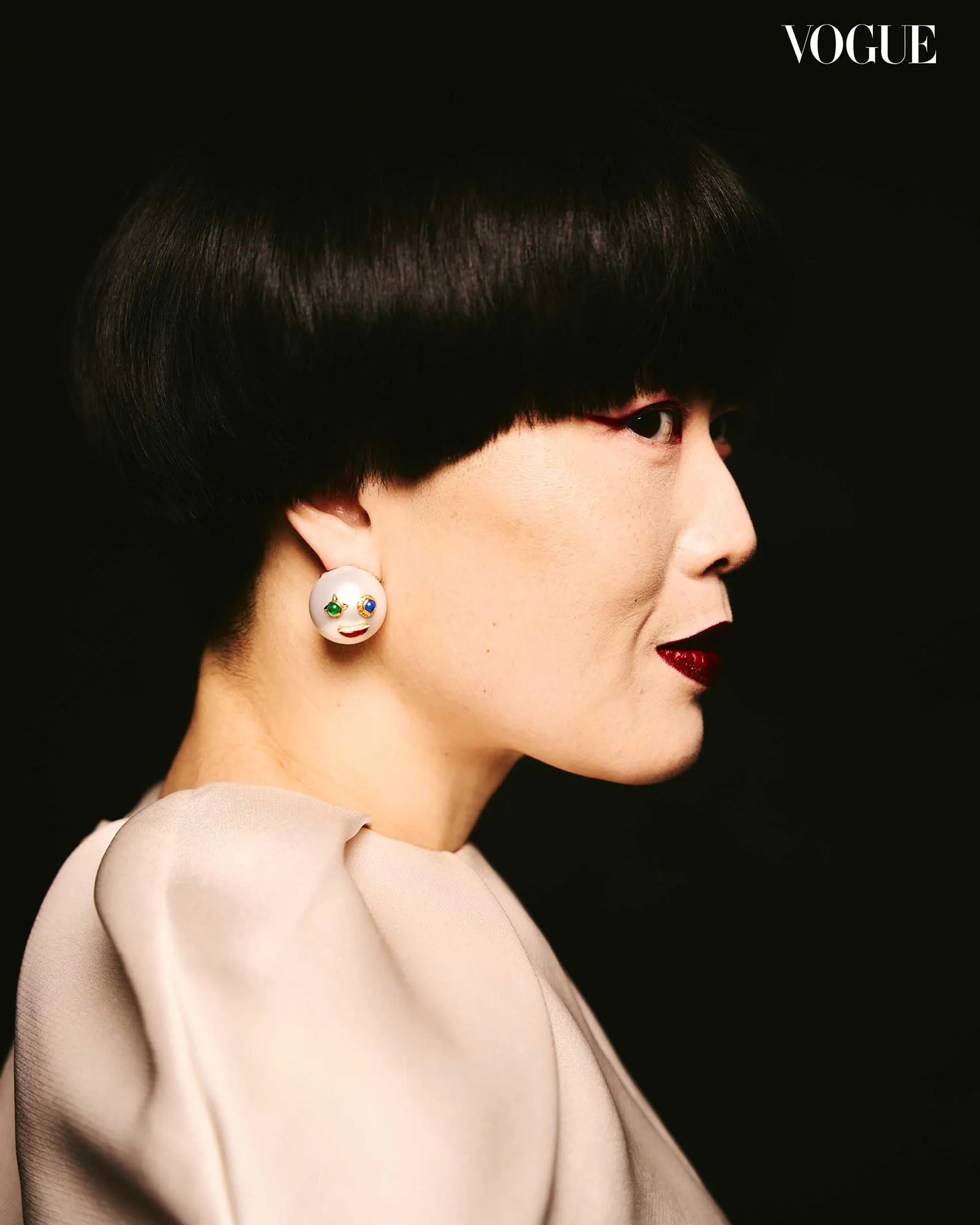
Atsuko Okatsuka wears a VANIA ROMOFF ivory capelet and custom J.MAKITALO pearl earrings. Photographed by Colin Dancel
In this month’s Vogue Spotlight, global comic Atsuko Okatsuka digs into the layers of her comedy.
Even when Atsuko Okatsuka isn’t on the stage, she still makes people laugh.
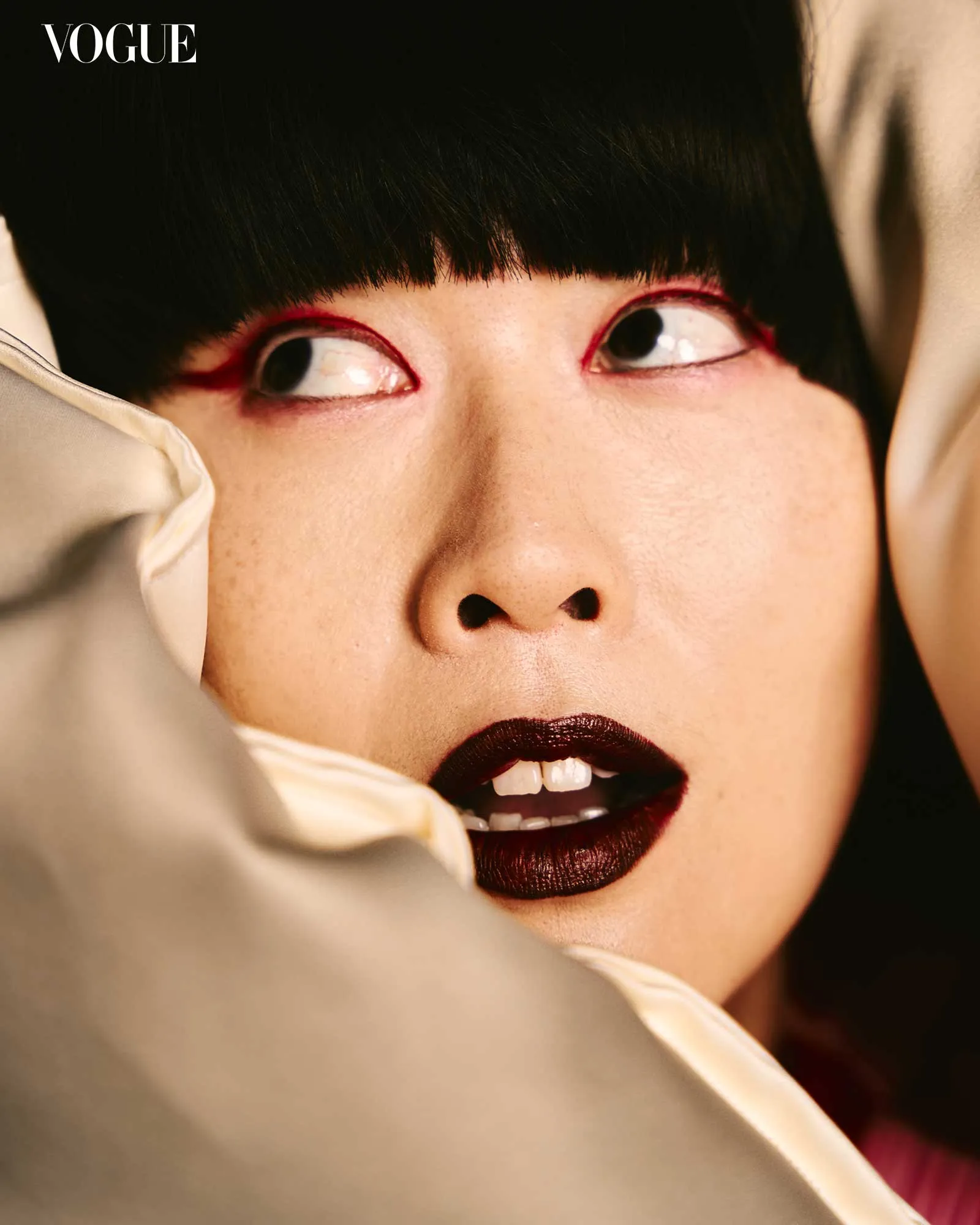
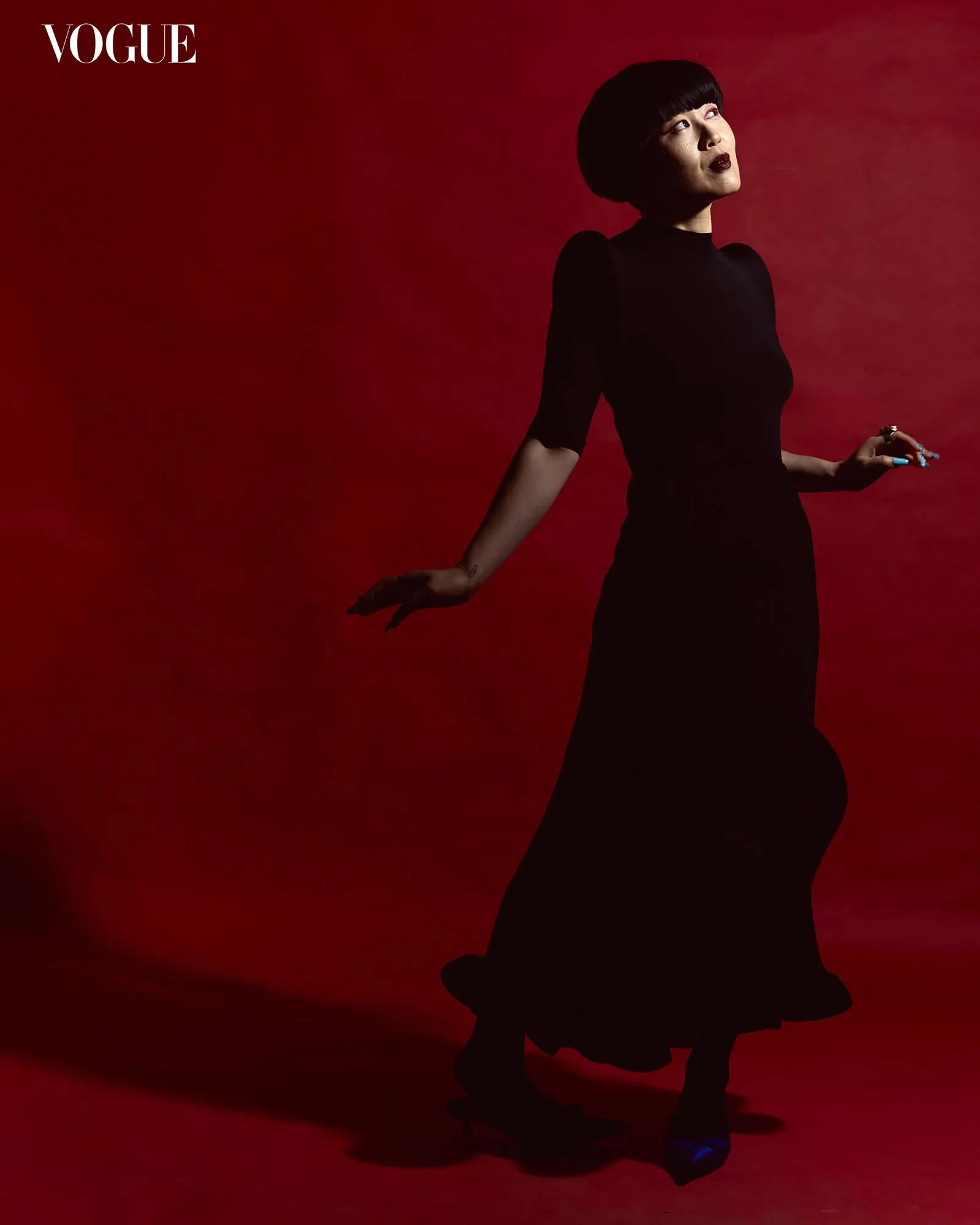
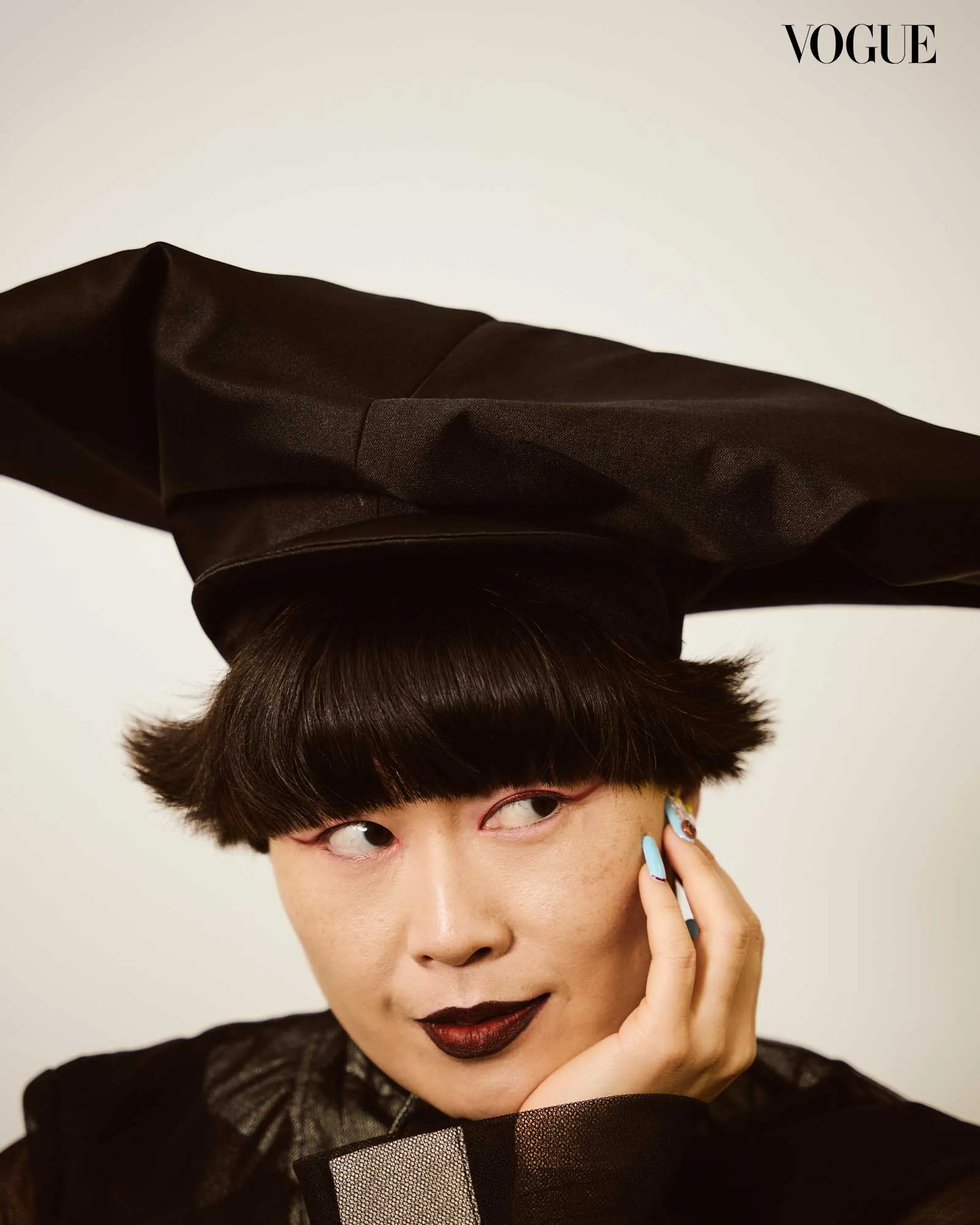
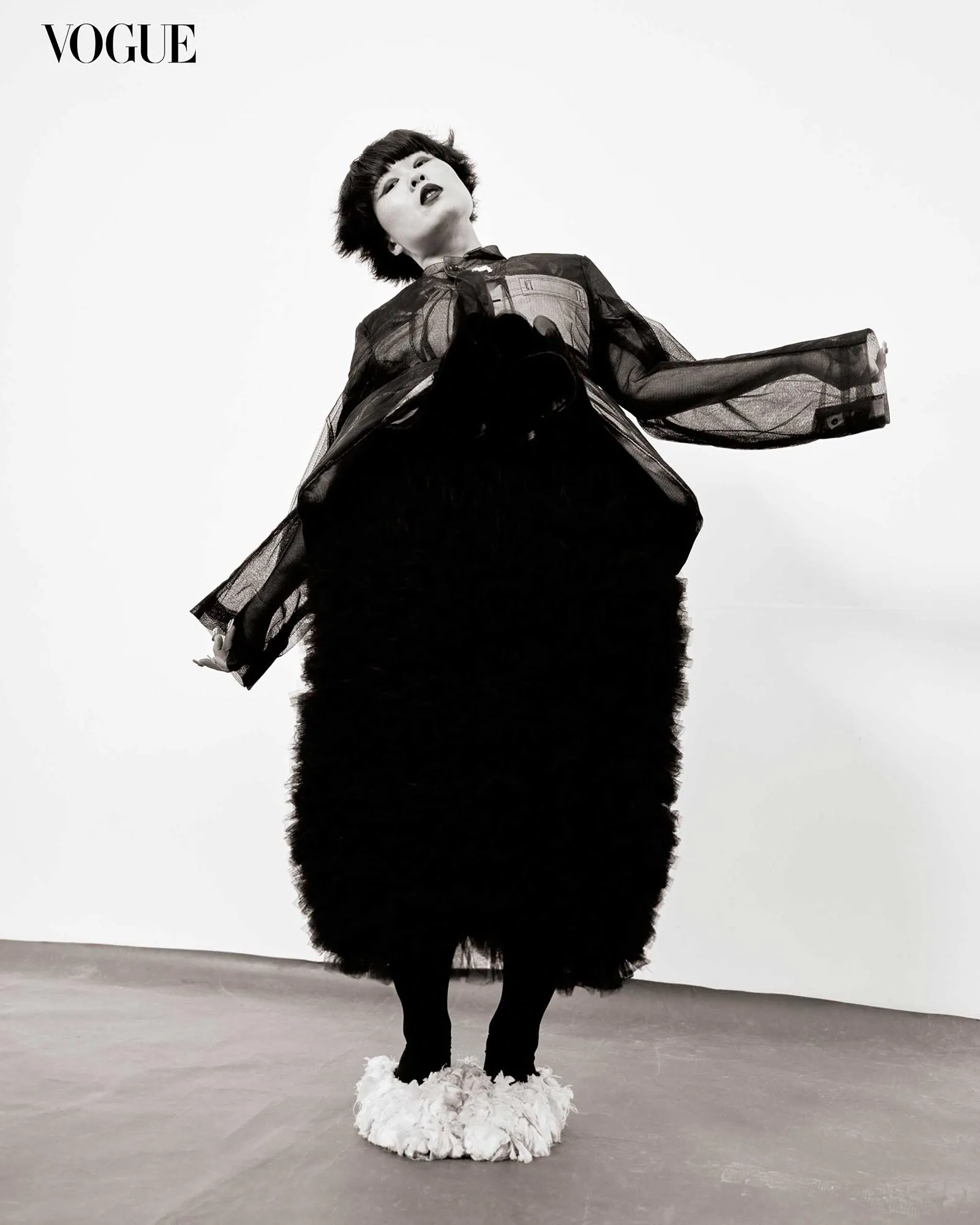
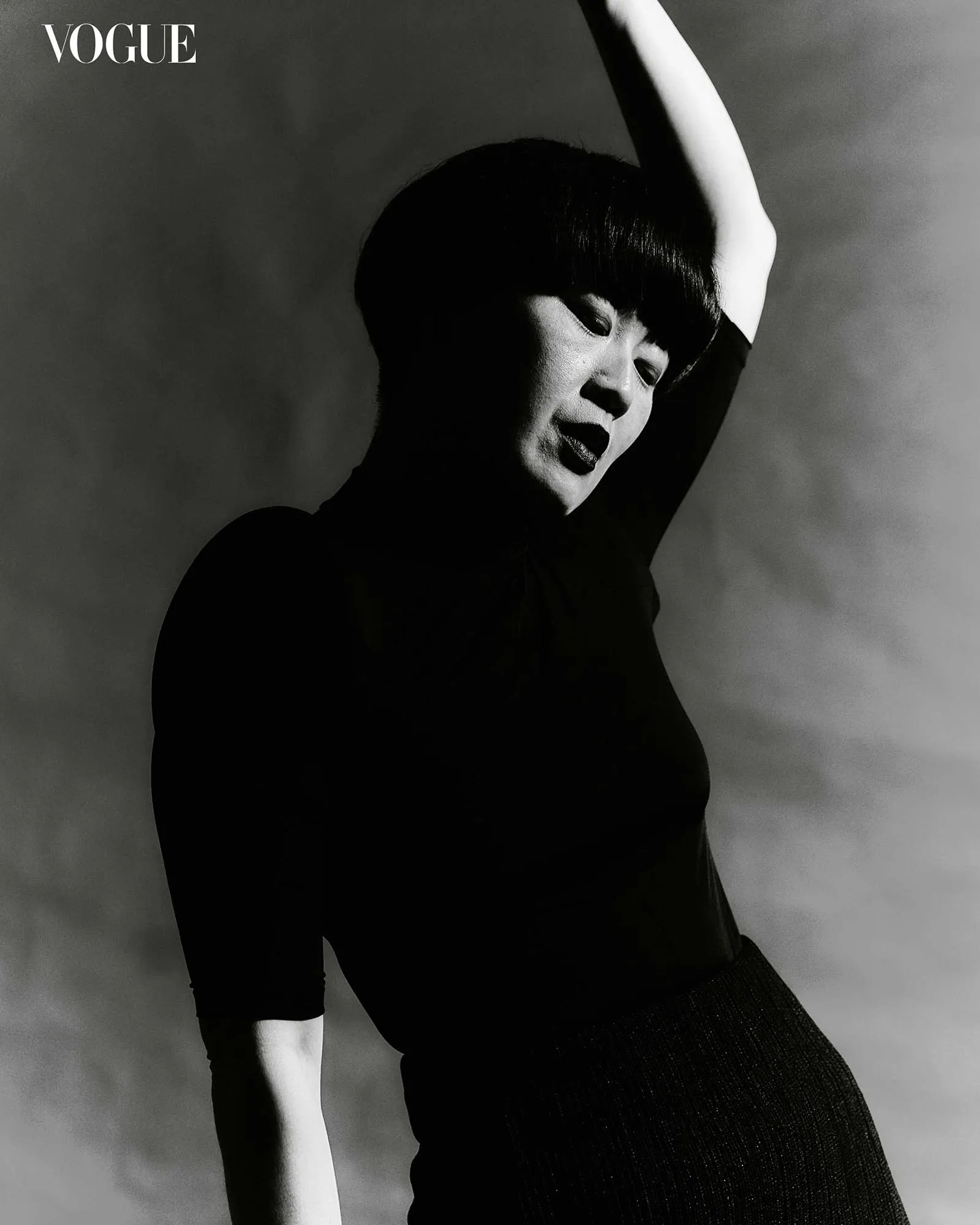
Sheathing her face with a pillow-like puffer wrap used as a styling prop, she slowly emerges from it with different funny and dramatic faces. “This is a reenactment of my birth,” she jokes. On the set of her first Vogue Philippines shoot, Okatsuka seems at ease with herself, while wearing pieces from brands such as Deni Garcia, Neric Beltran, and Comme des Garçons, assigning different personas for each outfit. “This is what I call chic widower,” she says, in a full black ensemble. The team laughs, then oohs and ahs at her facial expressions and poses.
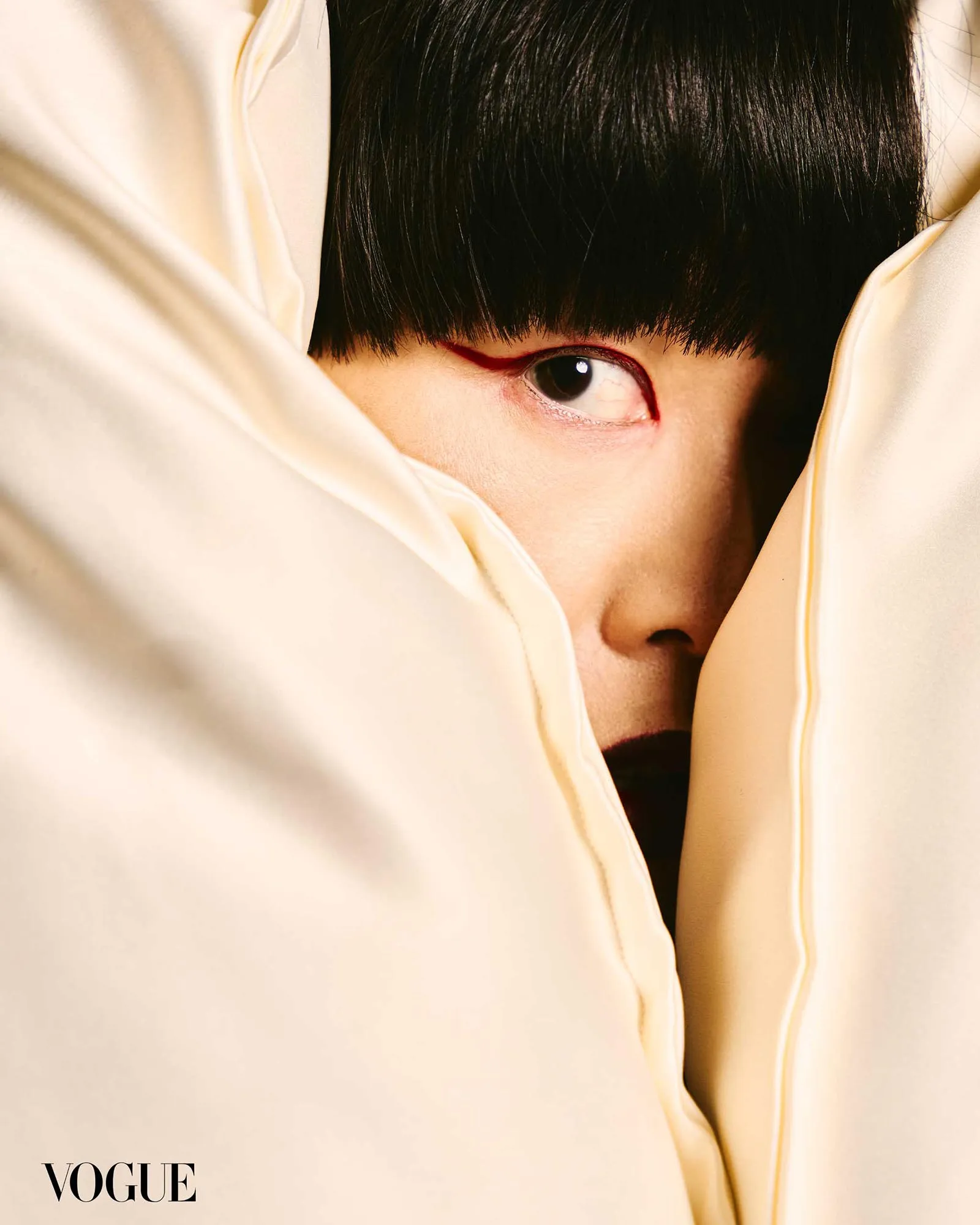
Movement was a key part of the shoot, which Okatsuka has been comfortable with since she was younger. “I didn’t always have language,” she says, recalling her experience moving to the United States from Japan at an early age. At the time, the stand-up comedian mostly spoke Japanese, and body language helped her communicate. “When you don’t have language, you use your body language, like Ursula from The Little Mermaid says,” she laughs. Growing up, she watched cartoons, and she describes her physicality as a nod to the heightened expressiveness of Japanese theater.
Onstage, she performs less like a traditional stand-up comic and more like a physical storyteller. Her delivery is marked by sharp gestures, playful crouches, and wide-eyed expressions that make even the smallest observation feel larger than life. In her HBO Special The Intruder (2022), she recalls the night she and her husband discovered a stranger lingering in their backyard. As she reenacts the scene, she heightens the comedy not just with the words but with her physicality: pacing nervously, widening her eyes, mimicking her husband’s deadpan calm in contrast to her own frantic energy.
She is also the kind of performer who can turn chaos into choreography. In 2019, while onstage at the Ice House Club in Pasadena, a 7.1-magnitude earthquake rattled the room mid-set. Instead of freezing, she leaned into the moment, steadying herself, checking on the crowd, then quipping with perfect timing, “I thought I was making that happen.”
But for Okatsuka, it took 10 years before she took the leap and pursued comedy full-time. “It took an unhinged ex, then me trying it, and another ten years before I felt like, ‘Okay, I will really give it the shot that it deserves,’” she shares.
For a long time, Okatsuka felt that comedy was a scary thing to pursue. “That takes a lot of self-confidence for you to say and chase after, right?” she says, joking, “You must have a lot of love in your life, if you can make a bold statement like that, you know?” With the uncertainty of comedy as a career, she felt that she should have a backup plan: filmmaking and creative writing.
“But you see, what an artist’s brain to think that filmmaking and creative writing are a backup plan,” she says, joking. “A backup plan should pay money, guaranteed. But I said, ‘Oh no, stand-up comedy, I don’t want to, that’s too unstable. How about film?”
As a filmmaker, she has worked on films such as Little Rock (2010), Pearlblossom Hwy (2012), and In Waiting (2015). Recently, she’s also done voice acting for Elio (2025) and Spider-Man: Across the Spider-Verse (2023). She notes that there is one thing that ties her film and comedy career together: “I think there’s a misconception that stand-up comedians hate people,” she says. “But I joke about the things I love, and that’s what I was doing when I was making documentaries.” In both filmmaking and comedy, she says, you have to really like people. “You have to observe people to be able to make jokes about them, to know what’s funny about the human condition.”
Her phone notes are full of jokes, funny stories, and observations from her daily life. Sometimes, she even records her voice and listens back to it later. For her previous comedy shows, her writing process begins with the jokes, then seeing how they can connect in a one-hour show. Currently, she’s writing her third stand-up special, and she’s taking on a different approach. “For the first two specials, I always chased the joke,” she says. “But now I’m trying to do this thing where maybe I service the whole story first.”
This can be especially felt in her Disney special Father (2025), where Okatsuka makes jokes that seemingly don’t connect: co-dependency with her husband, being an undocumented child, cheerleading, and friendship. It’s a collection of personal experiences that she gathered up, curated, and sought out a theme that connected each anecdote.
While this has been her approach for the last two specials, she finds that writing the jokes first can be limiting. “Sometimes you’ll go, ‘Oh wait, that joke about dogs doesn’t fit into this hour of themes.’ So you have to take that out. And then what do you do with that joke?” she says. With that in mind, she’s shifting from starting with the jokes to focusing on the theme or the overall story of the show.
Comedy is often linked to joy, but its punchlines can also stem from life’s punches. In her own work, Okatsuka also explores sensitive topics from her life, letting herself be vulnerable with the audience. However, she says, this takes time. “You have to live in the drama first for it to become funny eventually.”
In The Intruder, Okatsuka makes a joke about her mother’s schizophrenia, which is a topic she avoided for the majority of her career. It was difficult; how can you make people laugh about something so serious? Okatsuka found that the answer was in the truth.
“Getting to the truth is often very funny because you break down little things like, why is schizophrenia so scary to talk about? And they say, ‘Well, that word is so scary,’” she says. This conversation makes it to her special, The Intruder, where she says, “I truly wish schizophrenia had more of an approachable name. You know, something like Splash Mountain, you know?”
Since she made that joke, people have sent messages and approached her, thanking her for discussing it in a way that allows them to laugh and feel seen.
When she was starting at 20 years old, it was just a hobby. Now, she’s constantly touring, writing shows, and was named as one of Variety’s “Top 10 Comics to Watch.” And while she’s writing the jokes for others, she still laughs at herself.
In Father, she makes a joke about finding out that she and her husband weren’t actually married. “We’ve been ‘married’ for eight years, but that’s what we thought. A year ago, we found out that this whole time, we never filed the paperwork,” she says. For her, laughing at yourself is something that we should do more of. “If you’re ever hard on yourself, like, ‘I should know this, why am I so stupid?’ No, actually, we’re all trying really hard,” she says. “You might as well laugh while you’re trying to figure things out.”
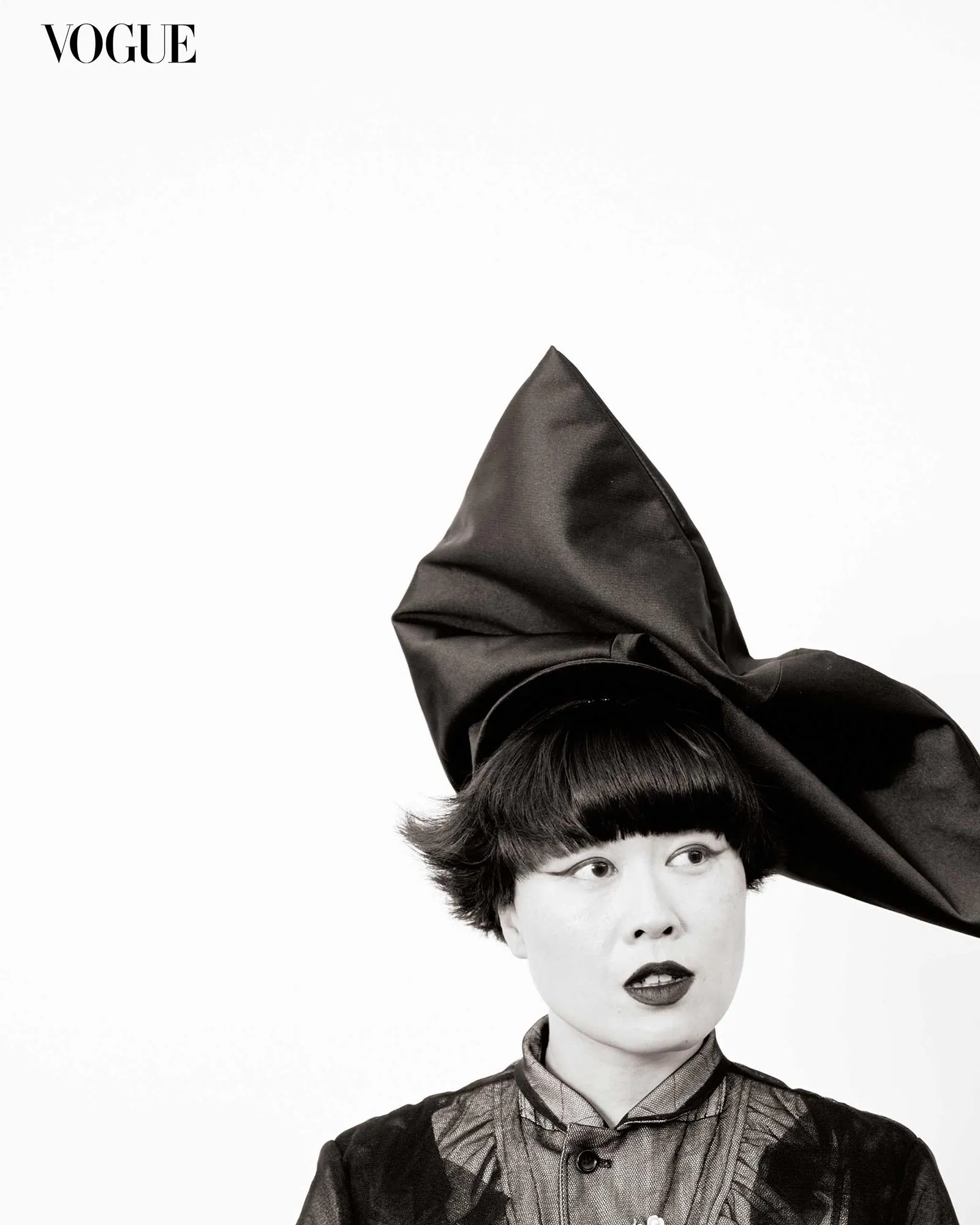
While she’s trying on a giant black hat at the shoot, it falls off. She jokes, “What if everything else just starts falling off?” With perfect timing, the clip behind her skirt comes undone, and the skirt slips down her legs. But she just laughs at herself, gathers up the skirt, and carries on. In her world, even things that fall apart can be turned into laughter.
By DAPHNE SAGUN. Photographs by COLIN DANCEL. Styled by GENO ESPIDOL of Qurator Studio. Digital Associate Editor CHELSEA SARABIA. Media Channels Editor ANZ HIZON. Videographer: EJ Bonagua of Madman Creative Solutions. Producer: Bianca Zaragoza. Makeup: Janica Cleto. Hair: JA Feliciano. Digital Multimedia Artist: Bea Lu, Myc Priestley. Video Assistants: Angelo Cruz, Marvin Mendoza. Photography Assistants: Dan Durante, Titus Madrideo, Paul Van Guzman. Stylist’s Assistant: Jermainne Lagura. Copywriter: Aylli Cortez.