
RIP “Chic” – The Word Has Finally Lost All Meaning


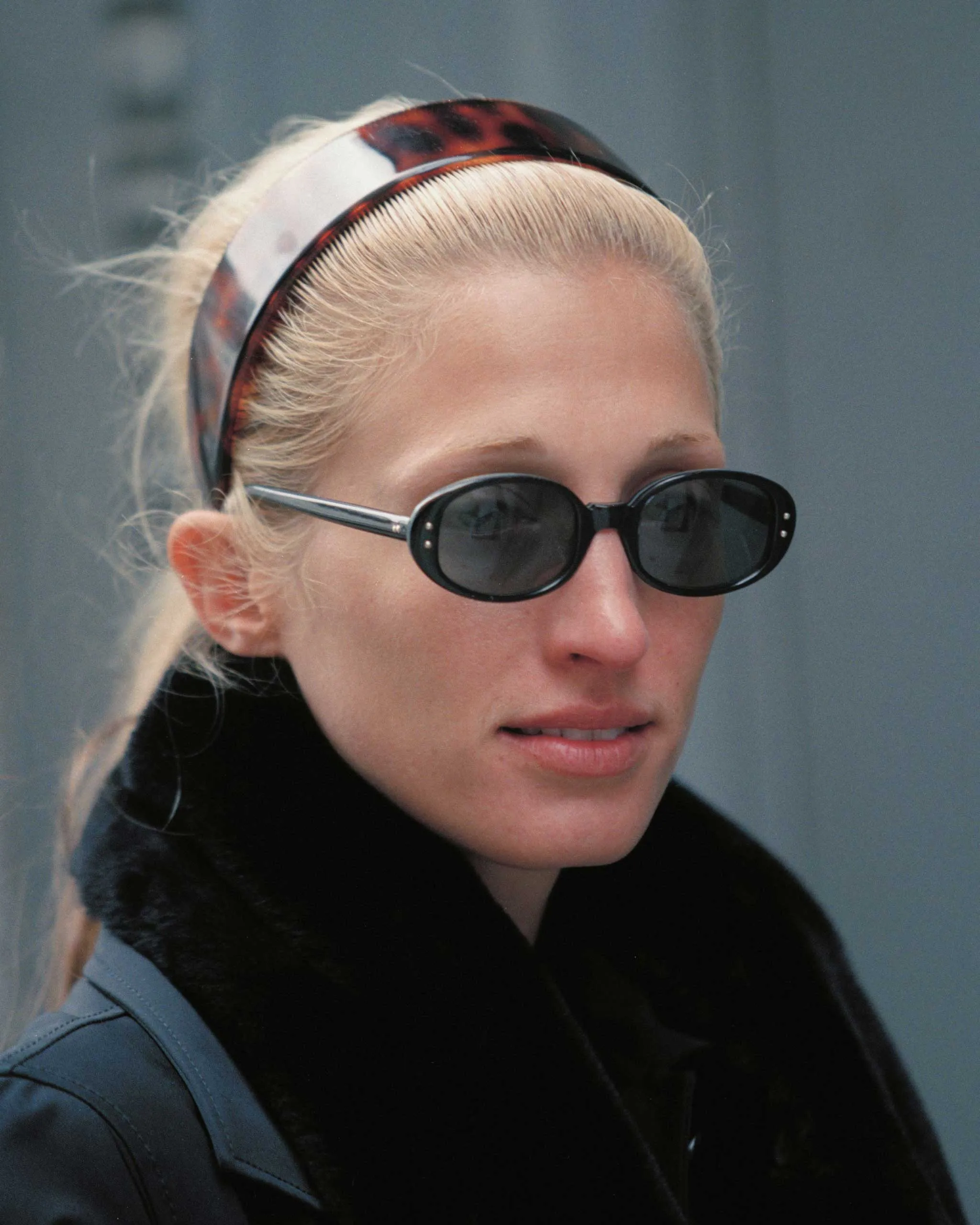
Lawrence Schwartzwald/Getty Images
Often, overuse makes certain words or phrases basically meaningless, and the internet – which is an onslaught of words; just constant words, all the time – speeds this process up. Cliché came for “iconic”, it came for “brat”, and now (long overdue, frankly) it’s time for the death knell for “chic”.
Though “chic” in its purest form is subtle – found in the drape of a sleeve or a stray strand of hair – it did once have some typical markers. I’m thinking of a pair of heels and little black dress, or a cigarette smoked on a balcony in a glamorous city, or like, speaking French in a pair of sunglasses. Generally though, it’s more of a feeling than any specific thing. These days, however, if you want to prove that pretty much anything (the pub, not going to the pub, seafood, gardening) is chic, all you have to do is search TikTok and you’ll probably find someone saying so.
While we seem to be at Peak Chic right now, this is a drum that I have been banging for a while – I don’t really think that the word has had much of its original essence for a long time, even before social media really got hold of it by the throat. For what feels like forever, maybe even years, “chic” has simply been a way for people to describe the things that they personally think are stylish, cool or otherwise good. And in some ways, it’s true that chic is in the eye of the beholder: it’s not a formalised set of values, after all. But also, not everything can be chic, can it?
All of this recent use of the word has rankled with me because it ignores the fact that chic cannot be outlined in such black and white terms. These days, chic has come to be mistaken for certain monied strains of taste, rather than the sort of unique je ne sais quoi that I think the word at its purest actually means. Are martinis and jauntily branded small plates restaurants – where you order the same dishes of anchovies and cured meats regardless of which city you’re in – truly chic? Or are they just things that people with a lot of disposable income happen to enjoy currently?
Perhaps it’s neither, perhaps it’s both (there is something kind of ineffable about a frosted glass of vodka and vermouth with a slim stem, after all). But it’s no wonder that use of this word – which points to stylishness and elegance and a general sense of the “elevated” – has gone into overdrive in recent times, when everything from what we wear to where we happen to buy our croissants on a Saturday is an opportunity to prove how in tune with what is supposedly cool we are. Chic, then, has become a way of marking yourself and your activities out as somehow aspirational, when really it’s all just a millennial and Gen Z version of Keeping Up With the Joneses – being seen in the right place in the right clothes, drinking the right matcha or whatever.
And while I’m no stranger to the appeal of a put-together look or a cold glass of wine in a bar with smooth, reflective surfaces, I don’t always want things to be chic – at least not in this conception of them which seems to be related to neat and tidy lifestyle fads that are actually pretty uninteresting. I’d often rather that my experiences were tacky and alive and funny and human: I like eating pizza in bed and watching Love Island and drinking Prosecco and doing karaoke at the Prince Albert. None of these are activities that anyone would especially deem chic (particularly not after they’ve seen me doing “Stand By Your Man” with a pint in my hand, let’s face it), but they’re definitely the most fun, and make me feel the most content.
This new preoccupation with chic, then, is probably a reflection of our preoccupation with presentation; with how what we’re doing looks to everyone else, maybe even sometimes more than how it actually feels. It’s trite to say that if we didn’t care about what other people thought, then we’d probably be happier – who among us, after all, truly doesn’t think about how we’re viewed by others? – but I do think that ultimately, pursuing your own fundamental interests and tastes is much more of a laugh (and, ironically, probably much more genuinely chic) than dutifully following trends, and calling doing so something that it isn’t.
In the end, if we simply let chic be chic rather than forcing it on every single thing we do, we might rediscover its meaning a bit – and be able to enjoy it now and again for the intangible, wry, can’t-quite-put-your-finger-on-it phenomenon that it is.
This article was originally published on Vogue.com.