How Amekaji in Manila Became a Community of Shared Histories


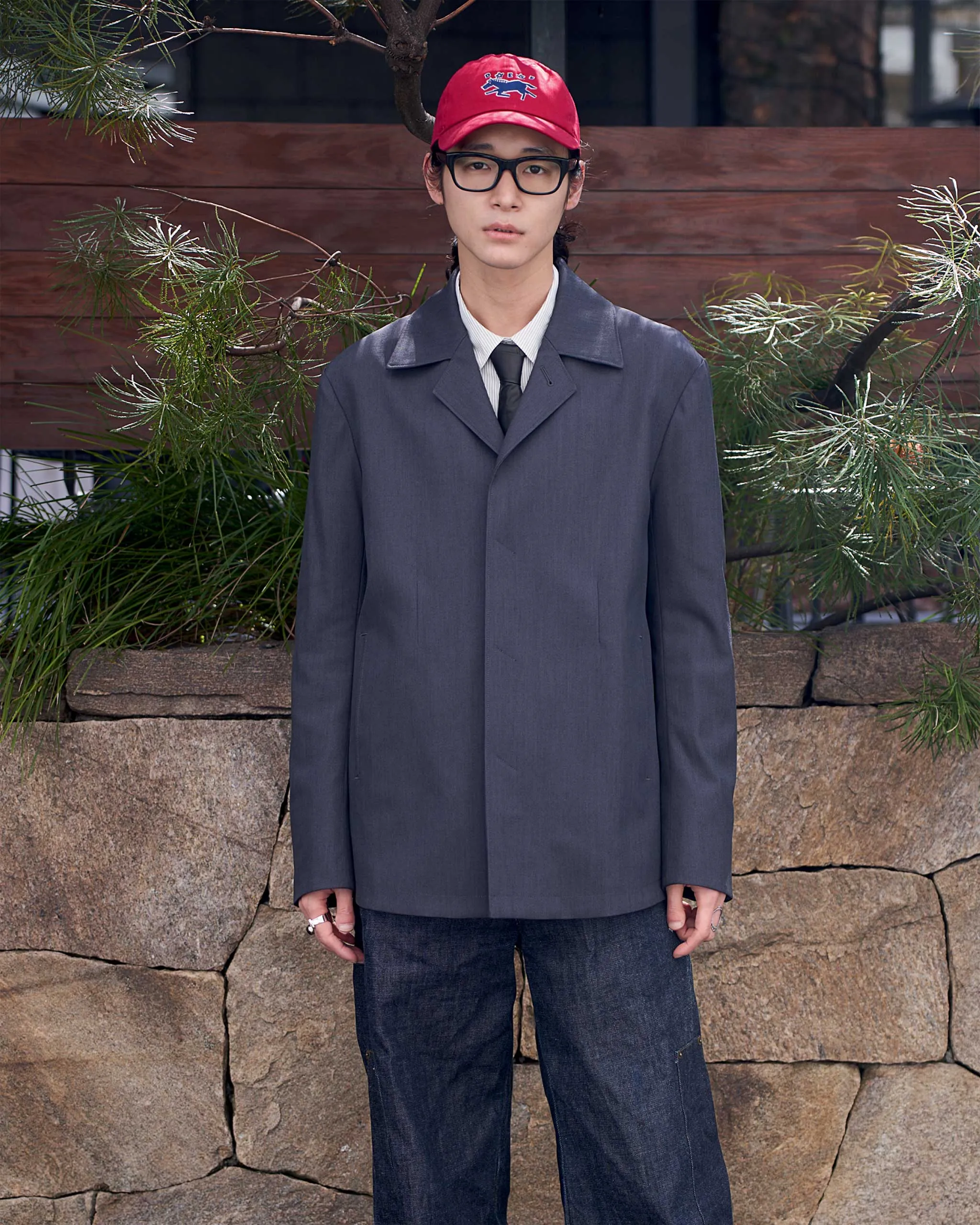
Photographed by Regine David for the May 2025 Issue of Vogue Philippines
In this tight-knit community, vintage garments serve as cherished relics, carrying the stories and craftsmanship of bygone eras.
“People used to call it the tito look,” laughs Joms Lunar. He is referring to Amekaji, a kind of style older men would naturally gravitate toward. At a glance, it’s easy to see why; members of this fashion community often wear garments that wouldn’t look out of place in your parents’ or grandparents’ wardrobes from the ’50s and ’60s. But despite its old-school appeal, Lunar, a biker and the founder of an Amekaji store, believes what makes the subculture unique is how it celebrates age rather than rejects it. “Everything around the culture is rooted in quality and history,” he adds.
Over the past decade, Lunar has been instrumental in building the Amekaji community in the Philippines. Jeho Caluma, a menswear enthusiast and founder of a subgroup called the Broke Dapper Kids, shares a similar view. For him, its charm lies in the search for timeless pieces. “While others chase the latest trends, we’re in thrift stores, discovering garments with history and character,” he says.
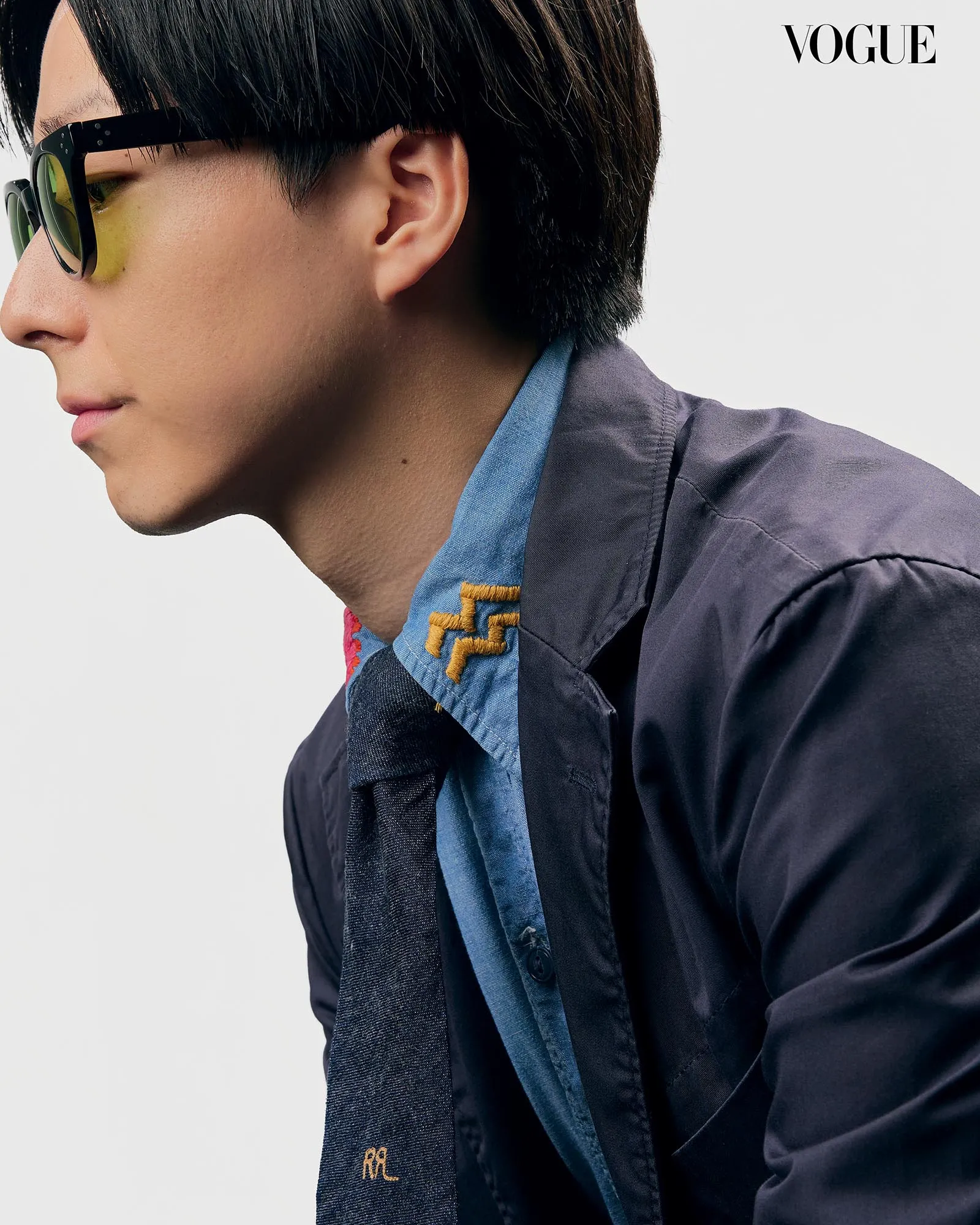
Born from necessity, Amekaji, short for “American casual” in Japanese, and its counterpart, Ametora or “American traditional,” grew into broader subcultures as Japan rebuilt after World War II. At the time, raw denim, flannels, tailored suits, and leather garments began filling marketplaces and thrift stores, quickly capturing the imagination of Japanese youth. Inspired by American pop culture, many post-war Japanese teens embraced the aesthetics of Westerns, military and greaser films, and Ivy League prep; styles that all rose to prominence in the early 1950s. And what began as a thrifty imitation of GI-style clothing soon evolved into its own fashion movement, celebrating craftsmanship and heritage.
But in the Philippines, the rise of Amekaji also owes much to Kichi Shibue, who began organizing social gatherings for the community after moving to the country from Japan. “I used to attend [fashion] events here, and everyone was dressed in casual streetwear,” Kichi recalls. “I wanted to show people a different side to fashion.” From there, he started hosting community meetups every few months, bringing together exhibitors and local designers such as Léon Denim, Johnny’s Wear-Alls, and 1013 Artisan, who all shared similar passions. But it wasn’t always this way. “When I first launched Amekaji Philippines years ago, we’d have less than 30 people [attending],” he admits. “No one was showing up, and I kept asking myself how to get people interested.” Despite the slow start, Kichi remained undeterred. He believed that building a community wasn’t just about attendance; it was about sharing and educating others along the way.
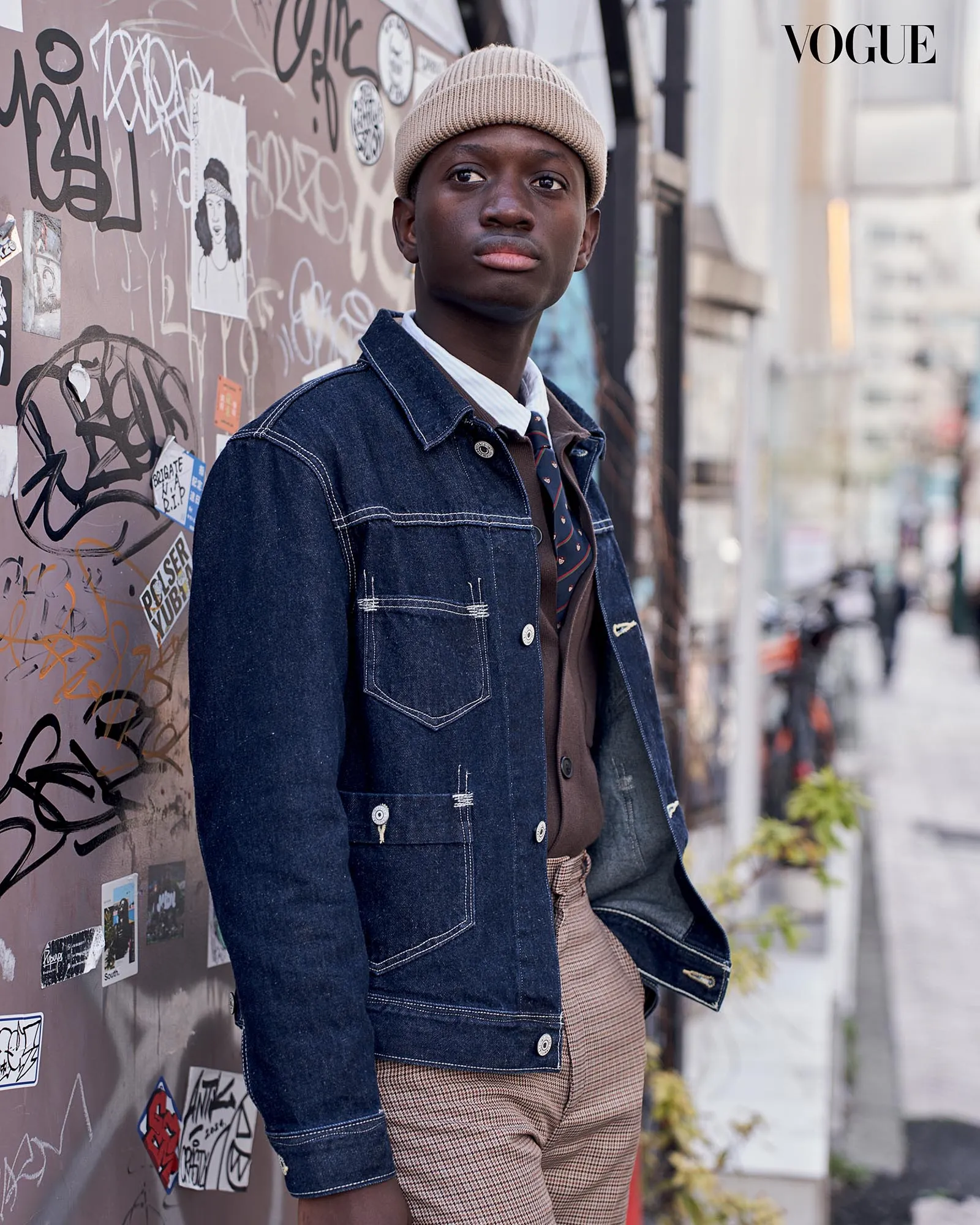
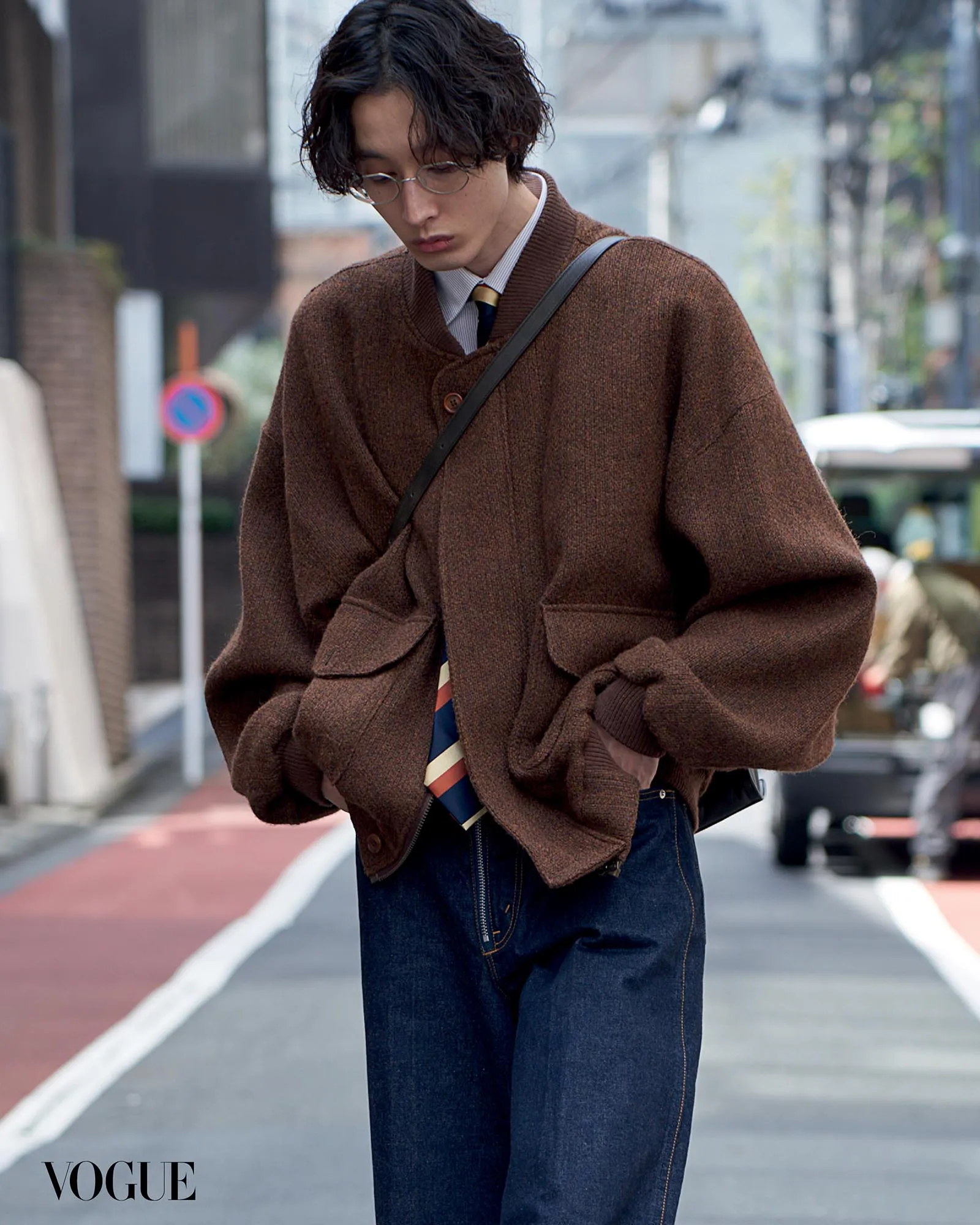
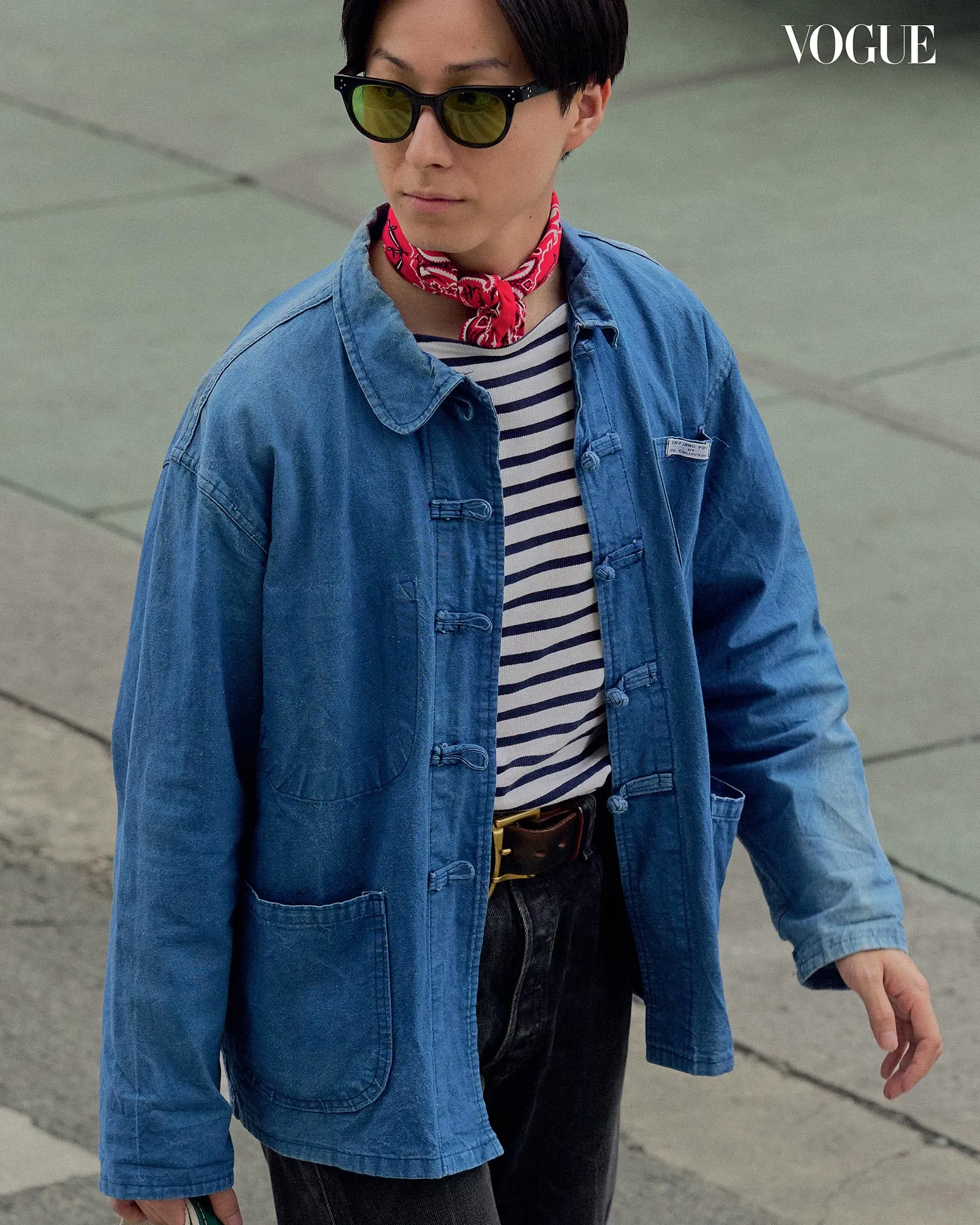
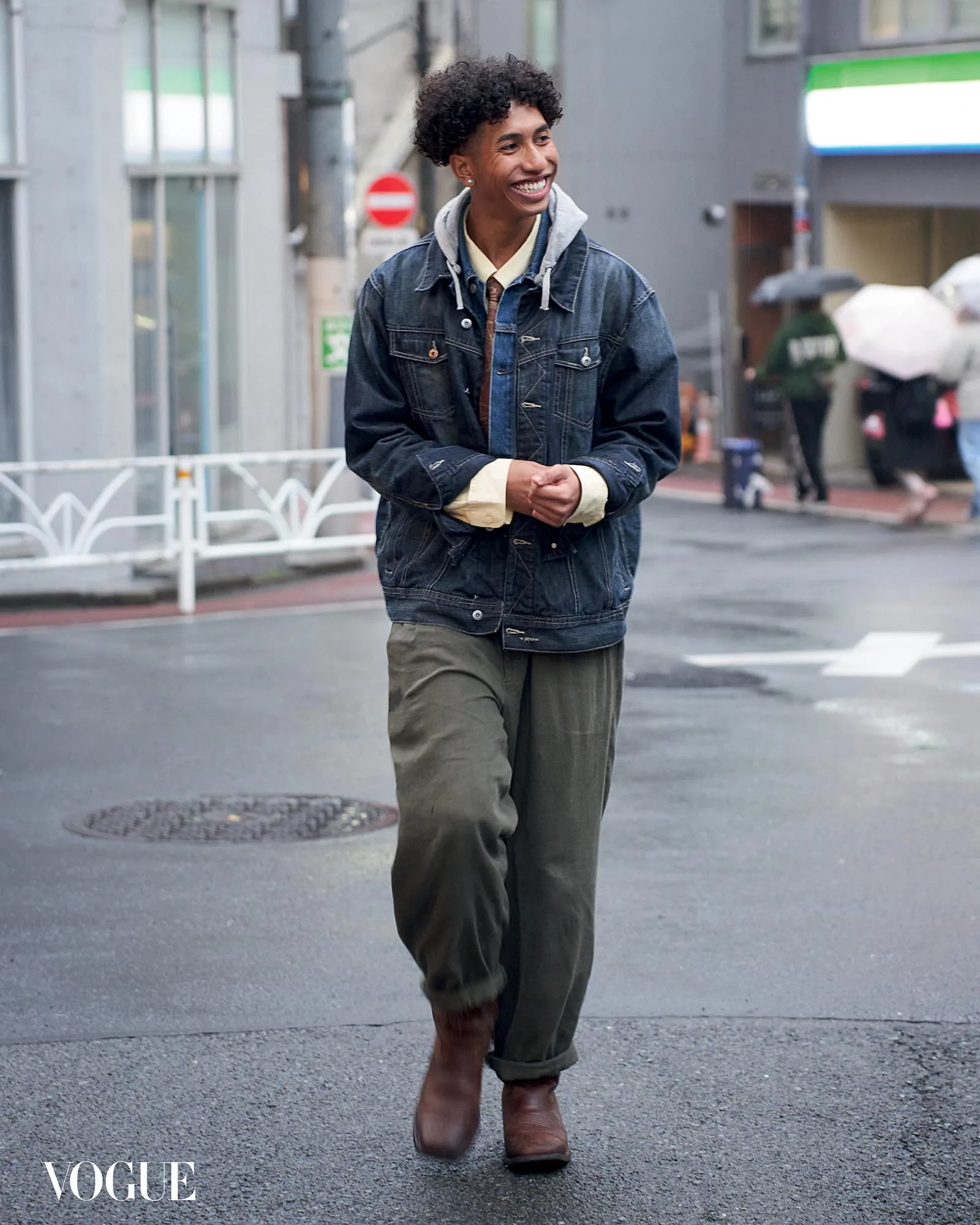
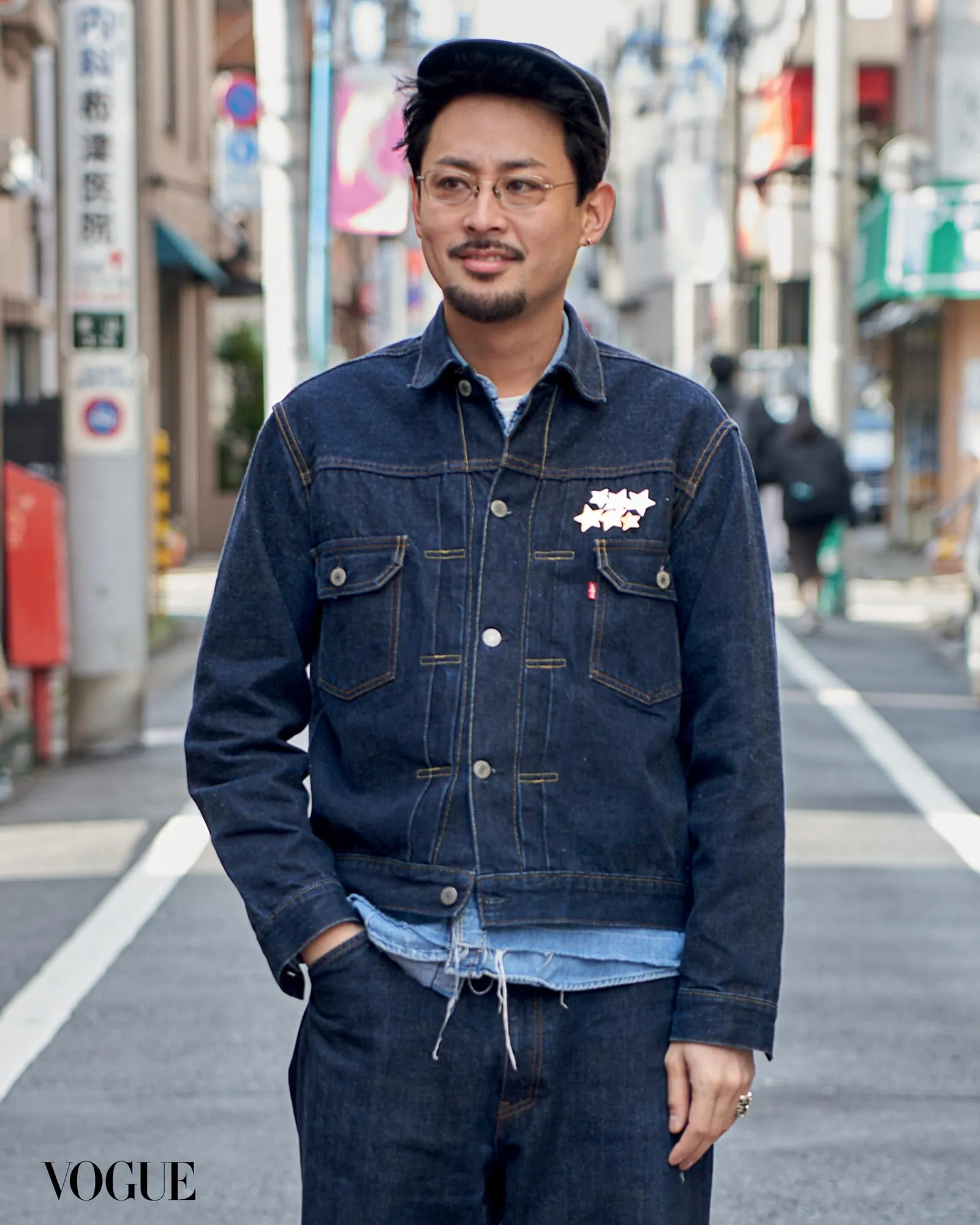
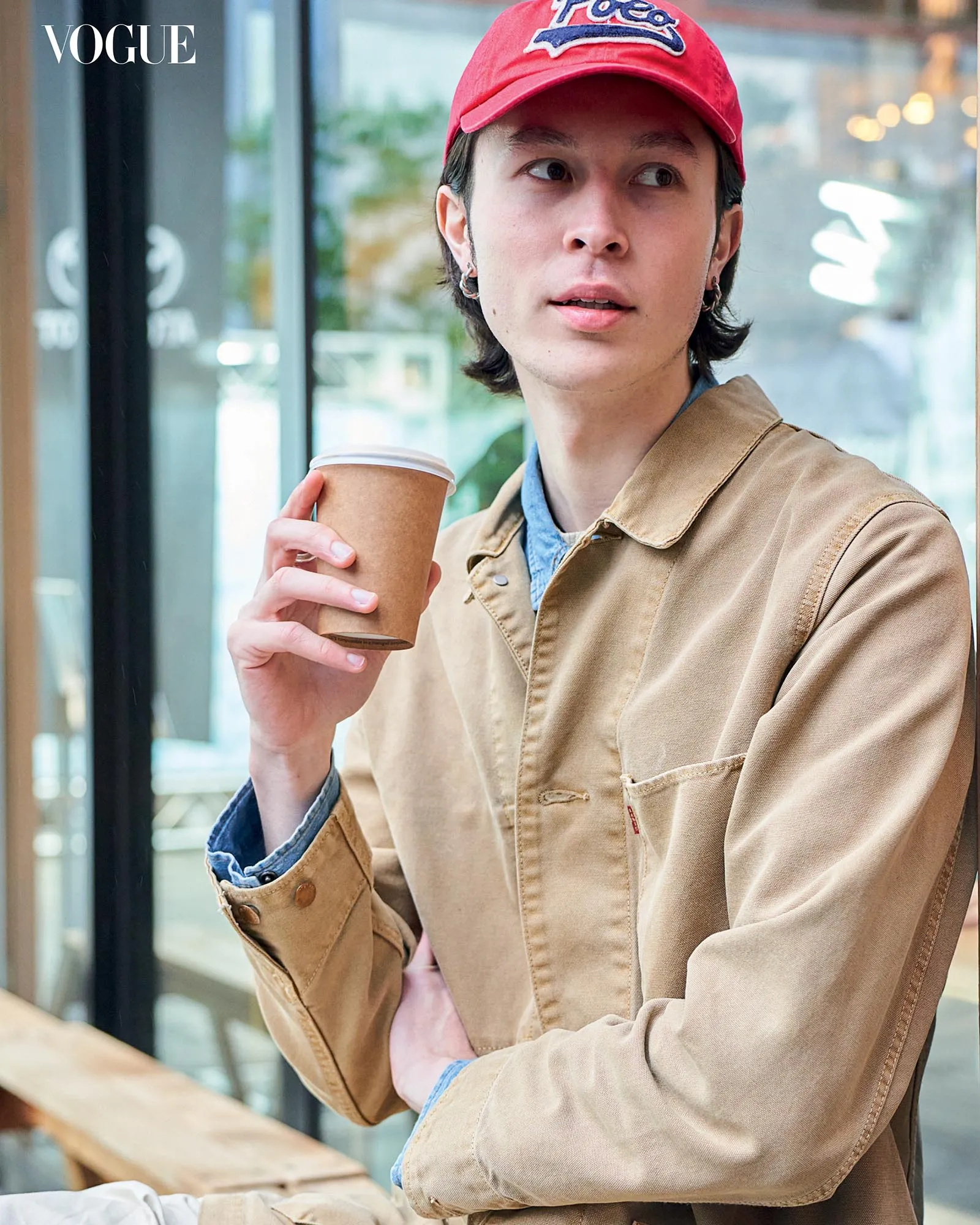
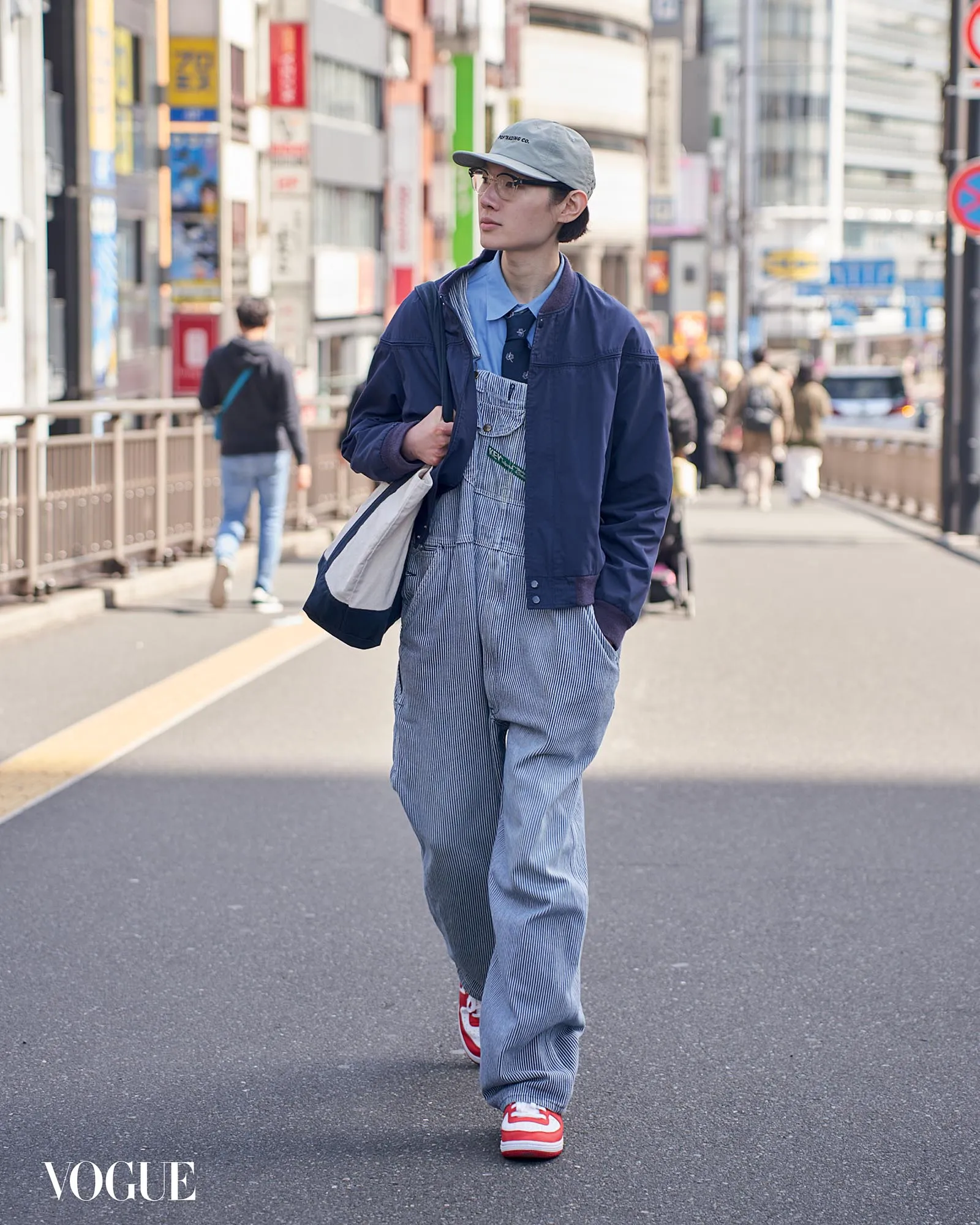
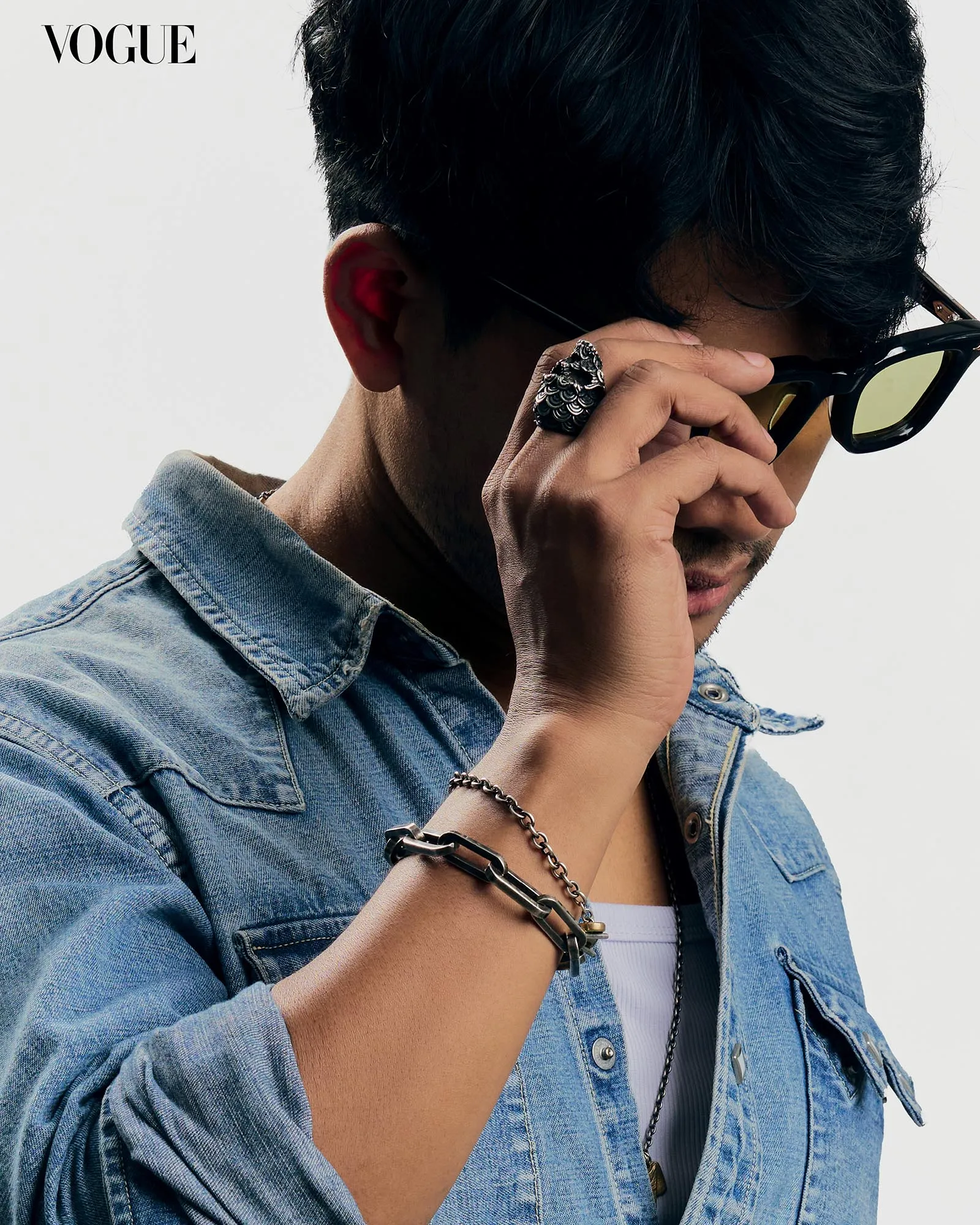
“What I like about this community is that when you arrive curious, you leave even more curious,” Jeho explains, mentioning that it’s heavily inspired by what you can read or watch. Take, for example, photography books like Take Ivy by Shosuke Ishizu and Toshiyuki Kurosu or Ametora: How Japan Saved American Style by W. David Marx. Men’s fashion magazines such as Popeye and Brutus also offer a wealth of insight into how the community has refined its style over the years. The films they love also tell you everything; The Wild One for its biker-inspired styles, Badlands for the denim-heads, and Wes Anderson movies for their precise tailoring. This emphasis on education isn’t accidental; it’s at the core of Amekaji as a culture. “It’s more of respecting history than it is just fashion,” Joms adds.
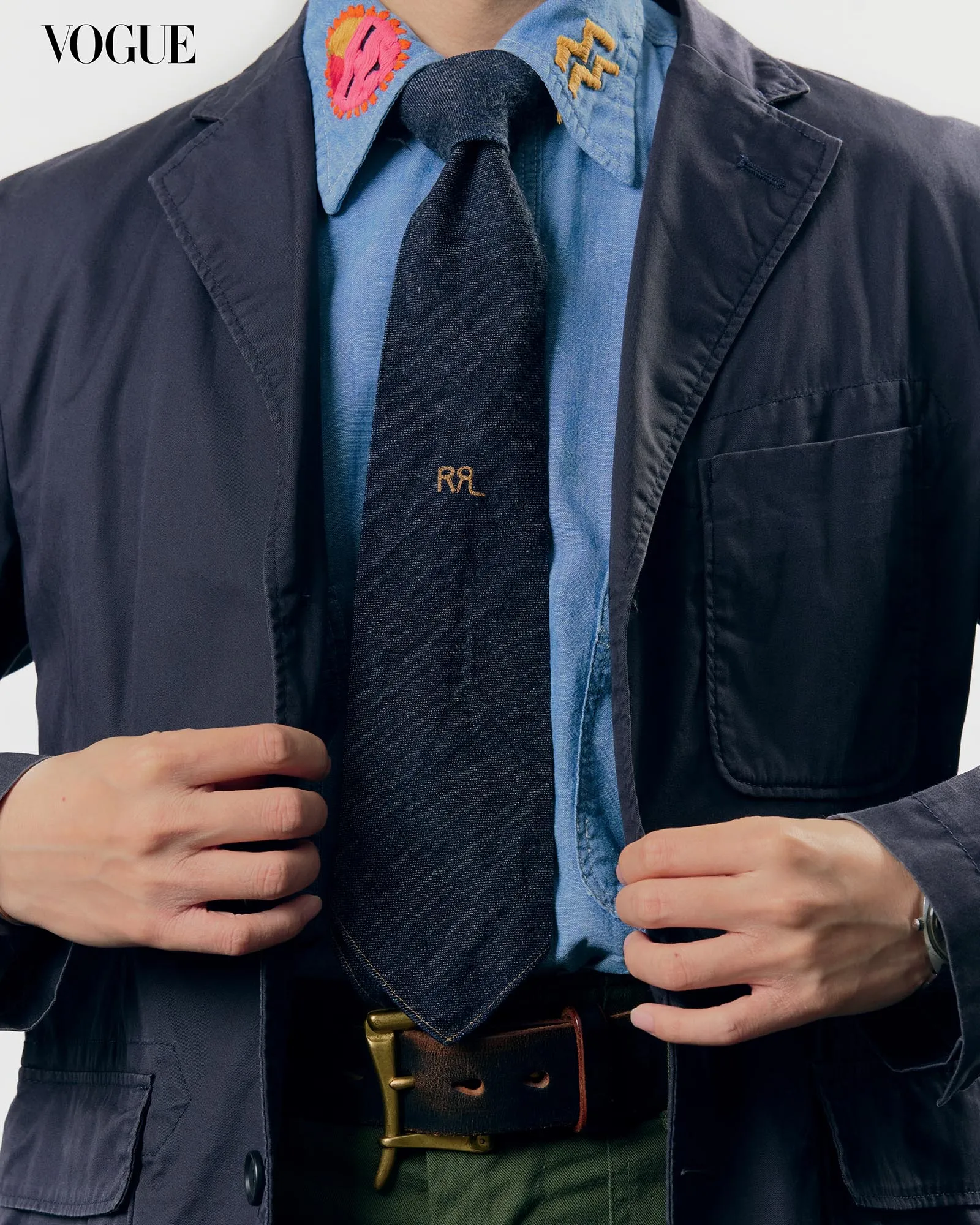
This passion for learning goes hand in hand with a keen eye for detail; something the community actively cultivates. “We’re all really into the particulars,” Jeho says. Whether it’s the nuances of tailoring, the precision of stitching, or the history behind a garment, it’s this deep appreciation for craftsmanship that binds the group together. “There’s a point when I realized how detail-oriented this group is,” recalls Jeho. “Members can distinguish an Italian from a British jacket just by the cut, or gauge the weight of denim simply by its drape. It’s not condescending, it’s about sharing knowledge and helping each other grow.”
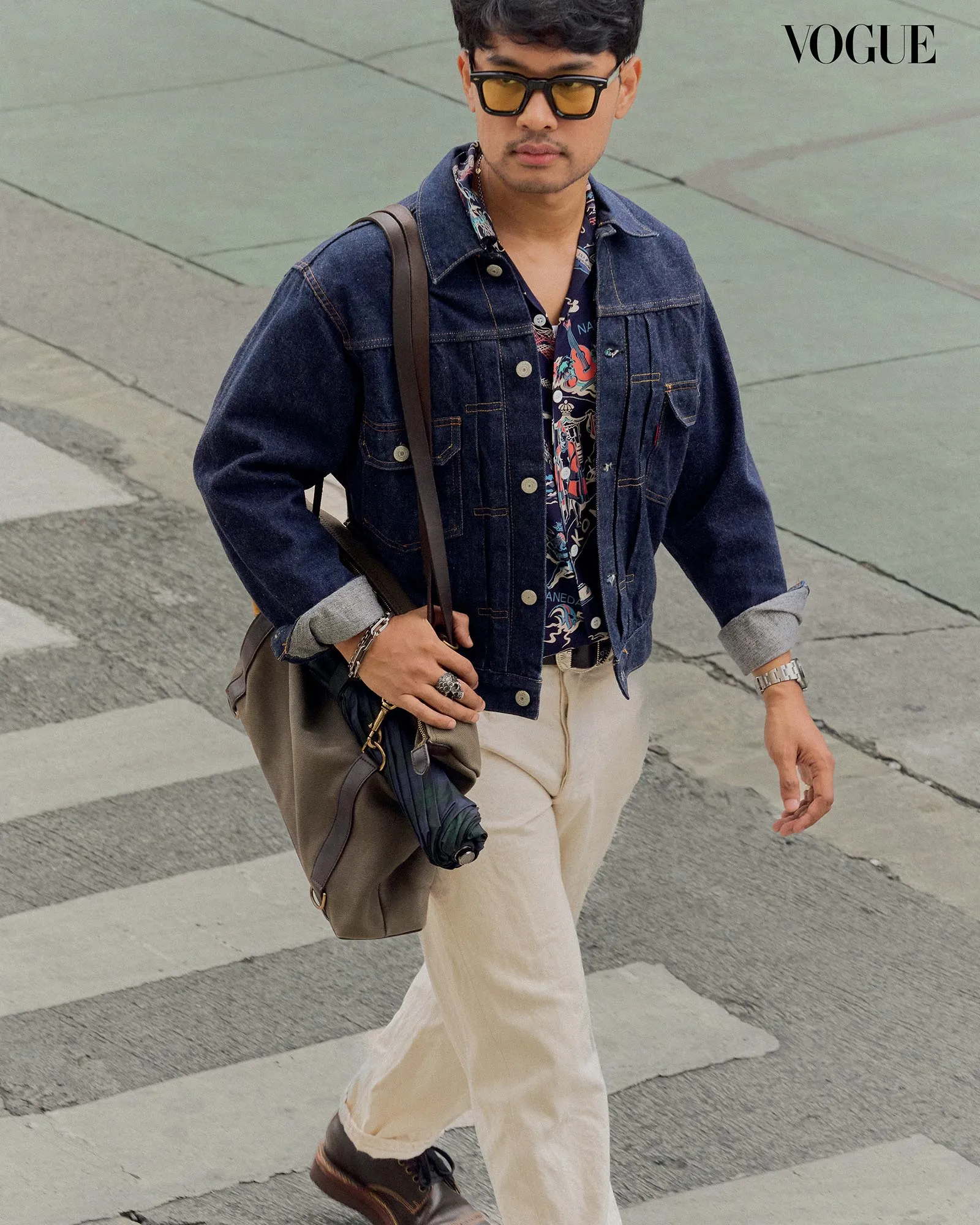
And that attentiveness extends beyond clothing, embracing other interests like grooming, cigars, alcohol, watchmaking, leather, bikes, jewelry, and many other hobbies. This is what makes each gathering feel like a melting pot of subcultures. At events, it’s a common sight to see motorcycles lining the curb, their riders clad in leather and heavy-duty boots straight out of greaser films. Others are in blazers, ascots, and Ivy League-inspired tailoring, while denim enthusiasts wear trousers and jackets older than they are.
For Kichi, this diversity is key to Amekaji’s growing presence in the Philippines. More than just fashion, it’s about the connections forged at every gathering. “[At any event], I want people to talk openly, [regardless of] nationality, age, or background,” he says. “Even if you don’t love our fashion, as long as you’re curious and want to learn, we’re the same, and we can be friends.”
By GABRIEL YAP. Photography by REGINE DAVID & RENZO NAVARRO. Vogue Man Editor DANYL GENECIRAN. Producer: Julian Rodriguez. Japan Models: Eiji Fukui, Yuki Kawahara, Willie Spears IV, Ian Blevens, Mamadou Doumbia, Eun Sang You, “Uchi” Ryunosuke Uchida, Laurent Pozo, Sean Wotherspoon, Taka J. Shirasawa. Philippines Models: Kiichiro Shibue, Joms Lunar.